
 Chinese
The operational needs of your business which require specialized equipment like a bundle puller to operate without interruptions because of system failures. The availability of dependable technical assistance and urgent repair services proves to be essential for handling both unexpected equipment breakdowns and common maintenance issues. This article explains how these services operate to decrease system interruptions while they boost equipment longevity and operational performance. The article will demonstrate how immediate response capabilities together with professional problem-solving skills create a vital resource that enables your business to operate smoothly while maintaining its equipment system.
Understanding Bundle Pulling Services
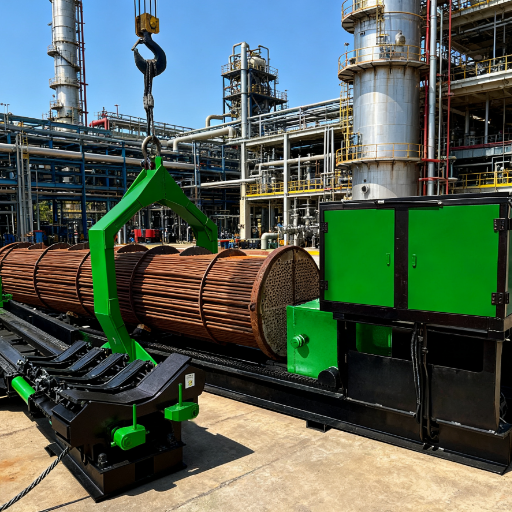
Bundle pulling services involve the removal or handling of bundled materials such as cables, wires, or hoses during installation or maintenance processes. The services maintain bundle security to protect against tangling, damage, and operational disruptions. A trusted provider uses specialized tools and methods to safely execute bundle pulling, which helps decrease equipment and personnel hazards while minimizing service interruptions. The service plays a vital role in industries that depend on exactness and dependable operations because it maintains both business activities and machinery functionality.
What is Bundle Pulling?
The process of bundle pulling involves the organized movement of connected cables and wires and hoses through conduits and building structures and designated installation pathways. The method provides efficient control of bundle management which leads to decreased risk of tangling and wear and equipment damage while maintaining system accuracy and operational reliability. Modern bundle pulling uses special equipment which includes pull ropes and wire pullers and lubricants to improve operational efficiency while decreasing operator workload and protecting both equipment and surrounding area from potential hazards. The development of new technologies and improved methods has made bundle pulling an essential procedure for telecommunications and construction and manufacturing and oil and gas operations which require careful handling of bundled materials to achieve long-term equipment performance and user safety.
The Role of Bundle Extractors in Industrial Operations
Industrial operations depend on bundle extractors because these devices enable experts to handle bundled materials which include cables and tubes and hoses in restricted areas. The equipment is built with safety features which protect all parts from harm during extraction operations. The equipment serves various industrial sectors which include telecommunications and construction and oil and gas because these fields regularly need to maintain and replace their bundled systems.
Modern bundle extractors use advanced features which include adjustable grips and ergonomic designs and strong materials to improve their operational dependability and performance. Their application minimizes manual labor requirements, improves workflow speeds, and helps ensure compliance with safety standards. Bundle extractors function as essential tools which help businesses sustain their operational stability because they need precise material handling methods for their work.
Key Components of an Exchanger Bundle
An exchanger bundle requires essential components to maintain its operational capabilities and performance levels. The bundle contains these components:
• Tubes - The main body of the system carries out heat exchange functions through its pipes which allow thermal energy to move between two flowing fluids. The pipes can be made from stainless steel or copper depending on their specific usage requirements.
• Tube Sheets - Tube sheets function to hold the tubes securely while preventing fluid from the heat exchanger system from intermixing.
• Baffles - Baffles use their design to support tubes while controlling fluid movement through the exchanger system which results in better heat transfer because of increased turbulent flow patterns.
• Shell - The outer shell serves to protect the tube bundle while it contains and directs one of the operational fluids in the system.
• End Caps or Covers - These components function as end seals for the tube bundle which enables fluids to enter and exit the exchanger system.
The components of the system work together through their complex interactions to achieve successful heat exchanger performance in industrial applications.
The Importance of On-Site Technical Support
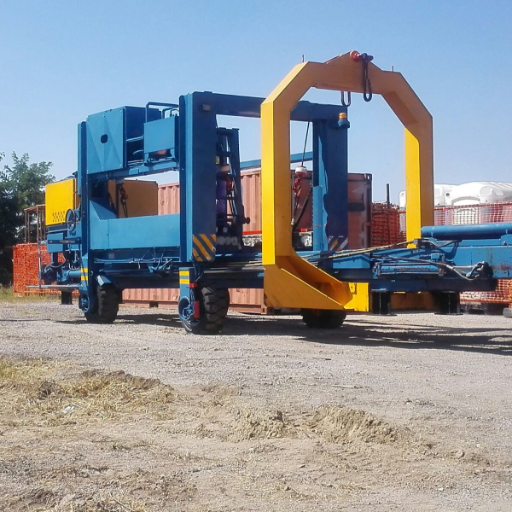
On-site technical support for bundle pullers is essential to sustain both operational efficiency and safety standards during heat exchanger maintenance work and repair operations. Trained technicians ensure the proper handling and alignment of equipment, which helps to minimize damage risks to essential equipment components including tube bundles. The technicians can address challenges through their immediate presence because it enables them to troubleshoot problems and solve unexpected issues, which helps to decrease operational downtime while maintaining industry compliance. This particular support system increases work efficiency by protecting both company resources and employee safety.
Benefits of Immediate Technical Assistance
• Reduced Downtime: Immediate technical help takes immediate care of any puller-related issues, leading to less downtime.
• Safety Upgradation: Technical experts prevent accidents and equipment malpractice so your workplace stays safe.
• Pat-Instant Troubleshooting: Technicians are capable of identifying and resolving any mechanical or operational problems that have an effect on the puller in a snap.
• Maximum Utilization: The bundle puller runs optimally due to regular maintenance and prompt repair by technicians.
• Obeying-all-Rules: Having technical support makes MNC work in pace with the latest industry standards and best practices, hence avoiding non-compliances.
How On-Site Services Minimize Downtime
On-site services provide valuable support to the bundle cutters, making sure they remain operational with immediate access to custom knowledge and material resources. The practice of having technical staff in the field provides for fast diagnosis and repairs of all mechanical failures or performance problems. This excellent method of working ends up validating the process, as maintenance activities are identified and acted upon even before an issue starts to escalate and cause downtime. Then the descendants of the earlier generations of bundle cutters will live in an unharassed life. In order to sustain all the advances which save time and money for the client, on site services shall use advanced diagnostic tools with an emphasis on best practice in lifecycle extension and productivity improvement.
Case Studies of Successful Emergency Interventions
Case Study 1: Rapid Response to Minimize Downtime
The first case study demonstrates how quick actions reduced production downtime through effective response protocols. A manufacturing facility experienced an unexpected bundle puller failure during a critical production cycle. Technicians who worked at the site received immediate orders to find and solve the problem. The team used advanced diagnostic equipment to find a hydraulic system failure which they fixed through emergency repairs that lasted several hours. The quick response enabled business activities to continue which helped avoid major production interruptions and protected most of the companys income.
Case Study 2: Proactive Solution for Mechanical Breakdown
This time a vital site infrastructure project lost an ample amount of time when a bundle puller broke down mechanically and brought everything to a grinding halt. The emergency response team provided equipment to allow the staff to assess the situation. Worn-out parts were replaced while the calibration was readjusted to work under full functionality. All was achieved due to quick execution that minimized the unexpected downtime and thereby saved clients from extra expenses they would have otherwise had to incur by losing their project schedules.
Case Study 3: Preventing Escalation of Equipment Failure
Industrial plant operators detected abnormal sounds coming from the bundle puller which suggested that the equipment might break down. Technicians who worked at the site received urgent requests to conduct equipment testing. The team found that the pulling components had become misaligned which they quickly fixed. The technicians successfully controlled the problem through their early response which preserved equipment integrity and extended equipment usage.
Safety Considerations in Bundle Pulling Operations
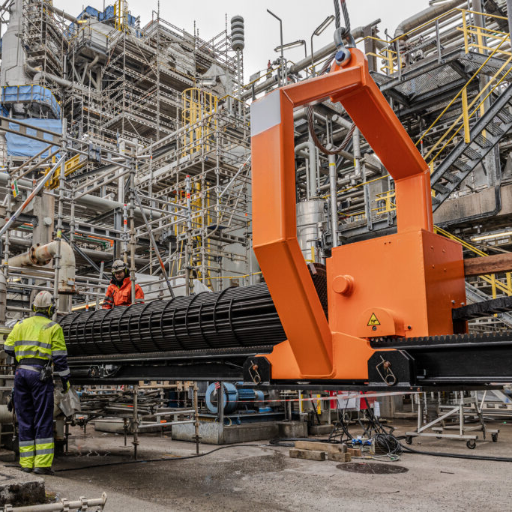
• Regular Equipment Inspections - The maintenance team conducts periodic maintenance inspections to detect equipment problems which create unsafe working environments.
• Proper Training - All machine operators receive equipment operation training together with safety procedure instruction.
• Use of Protective Gear - Workers need to receive suitable personal protective equipment (PPE) which includes gloves and helmets and safety glasses.
• Clear Communication - Team members need to establish communication methods which enable them to work together while staying safe from dangers.
• Emergency Preparedness - The organization maintains operational procedures which enable them to manage equipment breakdowns and workplace incidents through risk reduction and operational efficiency preservation.
The implementation of safety protocols results in reduced accident rates throughout operations while operational activities continue.
Best Practices for Ensuring Safety During Extraction
Routine Maintenance and Inspection
Some machinery or tools that have to be regularly checked and maintained for assurance of their smooth operation are those which are a big reason for accidents while operating during extraction due to equipment breakdown; with the help of regular upkeep, the source of anticipated malfunctions could be eliminated.
Environmental Monitoring
Regular monitoring and measurements have to be conducted on the ground for settlement and cleanness of environmental conditions, including air quality with its temperature, and pressure levels. It is essential in exposing any potential hazard and taking steps to save the health of the workforce.
Focused On Safety Training
As the ultimate step to protect personnel, regular programs tailored to train the workforce on usable forward movement steps should be tackled to eliminate hurdles.
Technology Implementation
Applying high-tech means like automated monitoring solutions, surveying drones and real-time data analytics can heighten safety precautions. Such technologies will assist in quickly detecting potential threats, thereby offering practical insights.
By coupling these practices with the latest advancements in technology and industry norms, it will be feasible for operations to maintain safe and efficient operations.
Common Risks Associated with Bundle Pulling
Broken-down equipment
If the equipment fails in its performance due to poor maintenance or performance crisis, this can compromise safety, or it can stall the process of bundles being pulled.
Work Fatigue
Anything to do with a job which triggers physical exhaustion, whether caused by repetitive motion or spending long hours in developing a major incident that results in failure, errors, and work injuries in general.
No Training
Badly trained operators could damage equipment, cause accidents, and incur personal injury.
Material Instability
Loose-fitting, improperly balanced loads may all of a sudden be displaced, creating dangerous situations for operators and equipment.
Environmental Conditions
Rain, wind, or extreme temperatures may mess up an area hence unsafe working environments are created, and operations could be hit.
To overcome these risks and enjoy a trouble-free working environment, proven effective risk management tips, regular trainings, and compliance with safety regulations are especially recommended.
Regulatory Compliance and Safety Standards
Industrial workplace accidents prevention and safety of operations emphasis compliance with regulations and adherence to safety standards. With respect to bundle pullers, adherence to the standards of the Occupational Safety and Health Administration while working in the United States is obligatory; it extends to the appropriate protective heads for operators, proper maintenance of equipment, and decent equipment. These are bound to be found in many codes, any of which deal with different other regulations assigned by OSHA to protect the well-being of the workforce concerned with worker protection. Manufactures and operators have some responsibilities with regard to load ratings, operation training, and emergency procedures, to address the risk management in the right manner.
Specifically, standards such as ISO 13850 and ANSI B30.20 offer detailed physical specifications which are mandated for the safe operation of mechanical units. Sections are provided in these standards for analyses with respect to such issues as emergency stopping operations and load handling security structures. Thus, by adhering to these prevention systems in the industry, records remain updated, safety audits are delivered, and hazards are identified in advance thus giving not only compliance but also a safety-driven environment for production that benefits everyone.
Long-Term Benefits of Emergency Preparedness
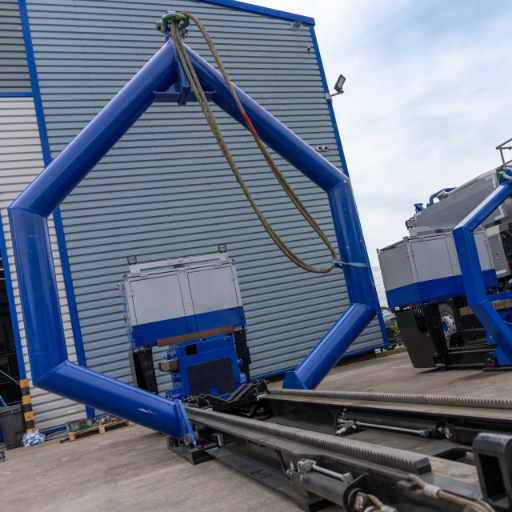
Natural hazards and disasters such as weather, fire, equipment failure, or emergency necessitate emergency preparedness for any bundle puller for purposes of ensuring service provision over a long term and safety for the workers. Applying strict safety measures, providing regular retraining, and adopting effective plans of emergency management, organizations may also achieve minimal losses of time related to incidents, decreased levels of injuries and increased productivity of work. Emergency preparedness encourages a culture of safety within the workplace, increases the adherence of rules as required within the industry and encourages employees and partners a sustainable operation over time.
Strategies for Effective Emergency Response Planning
Steps to consider during a risk assessment
Identify and assess the risks pertaining specifically to the pulling of bundles that may arise as a consequence of machine breakdowns, interference into the load or environmental threats. This knowledge facilitates the creation of the planning responses with respect to particular hazards.
Formulate straightforward policies
Develop simple and straightforward approaches to responding to emergencies that arise from equipment failure, or different threats when loads are upset. The holo-operational measure should be such that it fits into these emergency situations and hence the re-statement fixed its execution.
Conduct preparation programmes
Prepare all employees in the manner in which they are expected to respond to emergencies almost on a yearly basis, while providing these frames with all the necessary resources and measures including disinhibition gear and the ways of communicating when need be. Run through practice exercises to build up one's skills and fiendishness.
Several –Equipment
take on time scheduled improvement maintenance practices and bring out the ―active, bundle pullers.‖ Schedule maintenance practices on time and plan for any repairs or replacements during emergencies by ensuring that spare parts and equipment are available.
Create a Call Service System
Establish clear protocols of communication that allow all team members to disseminate information with ease and coordinate dispatch and response activities during emergencies.
Distribute Position Titles and Job Roles
Outline what your delegate roles are when it comes to responding to a particular incident or emergency. Each individual should comprehend the responsibility that they bear to avoid any Bundle Puller mix-up in times of emergency.
Cost-Benefit Analysis of On-Site Services
The provision of on-site services for the Bundle Puller has a host of benefits such as lower downtime due to quick maintenance/repair and increased efficiency with on-time technical assistance. This is because this includes the employment of skilled personnel along with the provision of the tools and consumables required for their work. In spite of that, the extra benefits surpass the added costs since the scope of services on site also includes work without having to pause operations frequently, boosting production and making sure – through preventive maintenance – equipment remains functional for more time. Thus the length of service at any given time is the same and costs for repair during operation are minimized.
Building a Reliable Emergency Support Network
In the development of a robust emergency support mechanism for bundle pullers, it is imperative to take various steps that prevent interruptions of the system's operation even at the occurrence of unexpected failures. First, look for organizations which can provide bundle puller equipment service due to their experience and availability. Such organizations should have quick response time and service level abilities in dealing with specialized machines. Second, ensure an adequate stock of critical spare part that allows for easy resolution of known problems without waiting for its procurement. Third, ensure training of your technicians in basic troubleshooting procedures to ensure handling of minor problems before calling in specialists. Finally, a preventative maintenance plan should be employed to avoid any problems with a bundle puller and ensure that it is in good operational shape. Costly downtimes are avoided and the life of the equipment is extended when an effective support system is put in place.
Innovations in Bundle Extraction Technology
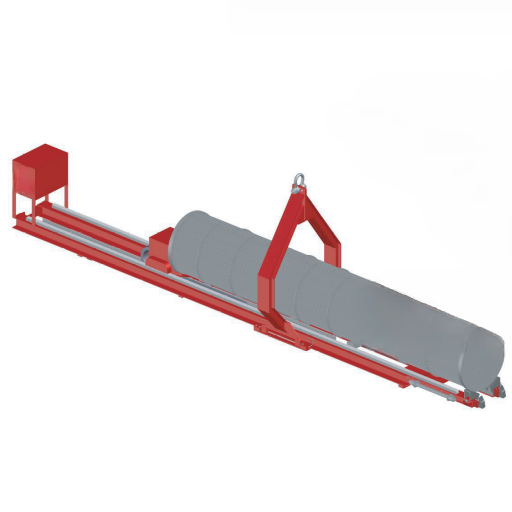
Innovation is all-encompassing and the existing techniques for separating bundles have been revamped recent energy. The ways of advanced production development and operations have simplified the process of cavitation in extraction enabling more economic extraction with much shorter periods of time actively involved. With IoT and intelligent, smart sensors more monitoring equipment becomes available for example condition-based maintenance is encouraged and thus, decreases the period of shutdown Maintenance. In addition, new modified materials that are light in weight and high in strength have also been introduced such that even with more enhancements in cutting thin metal bundling equipment weight has been reduced. Hence, in entirety, these improvements spare Bell cutting operations and further define standards of the evolution of Bundle Puller.
Advancements in Truck Mounted Equipment
Current automotive technology pertaining to bundle extraction enhances productivity, dependability, and user-friendliness as its primary objectives. New generation lorries carry hydraulic systems which allow delicate manipulation and quicker handling of materials. Automatic facilities such as operations through a simple button push, and digital smart control panels reduce the need for workers as well. In addition, ergonomic shape and lower sound pressure levels enhance the operator's experience. Such improvements exemplify the need for enhanced efficiency, least downtime, and the ability to fit different circumstances to the extraction of bundles, which are currently processes and components in system design and construction.
The Future of Bundle Pulling in the Industrial Sector
Industrial aspects of bundle pulling have a future that is mainly characterized by increased efficiency, sustainability and flexibility. Improved automation and artificial intelligence are likely to speed up operations and improve safety by eliminating mistakes and reducing downtime. Further, eco-friendly designs and systems save energy and play a significant role as the necessity for applying such methods is on the rise. Moreover, the industries could use flexible and modular equipment to meet changing production requirements thus remaining relevant in the highly aggressive market. Within these developments, the bundle pulling equipment is envisioned to remain high performing and in accordance with the global industry requirements.
Integrating New Technologies into Existing Systems
For the existing extraction bundles, varying new technologies can ascertain boosting efficiency, precision, and flexibility. If insofar automation, sensor technology, and monitoring tools to IBM reduce the error ratio and boost the process, then certain repeatable actions like labor costs can be reduced. IBM's IDE all need-to monitoring tools and integrates machine learning for anomaly detection so that early maintenance of machines is realized which reduces the downtime. Commands and prob salt into scaring this as they help in system stabilization. AI creates a platform for a system to adjust in the eventiveness barrier-that such as changing demand factor in case of glitches. Compatibility is less of a headache for ecosystems combining these cutting-edge technologies with the old ones. So long as companies choose solutions that take into account potential modular designs or scalability, they will be able to upgrade without incurring major disruptions. This will pave the way for their seamless plunge into the future associated with bundle extraction.
Reference Sources
Assessing the Health and Safety Aspects of Reboiler Maintenance Activities: Highlights the use of bundle pullers in reboiler maintenance, focusing on operational safety and equipment efficiency.
Hawiyah NGL Recovery Project: Operational Considerations During Project Design: Provides detailed insights into the use of hydraulic tube bundle puller machines, including their design and operational mechanisms.
Design of Automatic TV Inspection Equipment for CPR1000 Steam Generator 9th Tube Support Plate: Discusses push-puller devices and their integration with control systems, relevant to bundle puller technology.
A New Look at Designing Electrical Construction Processes: A Case Study of Cable Pulling and Termination Process on Data Center Construction Sites: Explores on-site decision-making and technical challenges during pulling activities, relevant to bundle puller operations.
Frequently Asked Questions (FAQs)
What is there in the on-site tech support of a bundle puller?
Mainly included in the on-site tech support of a bundle puller is the setting up of your machine, troubleshooting your bundle-packing machine, and repairs or servicing. Upon inspection, the technicians will find out about any operational issues as well as diagnose them using diagnostic equipment and best practices. The support will also extend training sessions to help your staff learn how to operate this machine efficiently yet safely. Live monitoring of data may monitor the system and decide on future maintenance and repair schedules accordingly. However, the use of a modular design for all tech support purposes leads the entire process through scalability and adaptability to different simultaneously operating needs, removing the issue of downtime and boosting system life. Continuous planned support ensures the equipment will always meet current productivity standards as well as safety issues.
How fast can emergency teams react to critical equipment failures?
Such support structures offices are assembled to render service within hours of this emergency call-out. They'll use smartly responsive sensors and real-time data analysis to analyze some of it for them, even before coming to site, thereby rendering them also fast and also very precise in their service. The provision of scaleable solutions means that they could kindly tackle a few minor ones as well as the giant, full ones. This service is compatible with old and new systems, all contributing to the diminution of the transfer time. These fast-response times further decrease idle times and contain production constraints. As a general rule. most repair calls for parts replacement should be handled in the first visit, as the emergency crews usually come with modular equipment. Strong communication with your team ensures business continuity despite unforeseen breaks.
Why is modular design so crucial in maintenance, or more precisely in emergency service?
In modular design, every component in the bundle puller is replaceable or upgradeable without also having to overhaul the entire system. This facilitates reduced service times and maintenance work that combines new advances with older legacy equipment solutions when purchasing scalable solutions together. In case of emergency service, the module enables service teams to instantly replace a failed component, subject to undivided operation. Systematic designs in the modular system will look upon less downtime, which consequently means cost savings and equipment reliability. This is extremely beneficial to an industry that can lose productivity in case of a downtime. Ultimately, a modular system encompasses both preventive maintenance and rapid emergency response.
Are on-site services compatible with advanced technologies and legacy equipment?
Modern on-site technical support is indeed engineered for compatibility-across-the-board-for new-age technologies and old systems. Technicians can handle a wide variety of bundle puller configuration starting from conventional mechanical setups to those with the latest sensors and advanced AI integration. Flexibility comes from scalable service protocols and modular toolkits. The techs provide for the proper alignment of any upgrades or maintenance considering system specifics. If operations are consistent with the entire system, compatibility ensures all benefits are unlocked for the new upgrades and interoperability with the equipment is simply preserved. In this way, companies do not have to consider a heavy investment just to stay abreast of new industry trends. This holistic methodology enriches operational efficiency and equipment endurance.
How can smart sensors and real-time monitoring improve emergency?
Smart sensors and real-time monitoring play a very important role in enhancing emergency services for, shall I say hauling environment. Such systems monitor the performance of the equipment on a 24/7 basis and can detect any anomaly setting, for example, decreased system pressure, high vibrations, etc. In cases where there are problems, support teams are able to remotely access system data and determine proper solutions before reaching service. This infrastructure provides maximum troubleshooting efficiency and a prioritized way to proceed with immediate repair measures. Integration of these modern monitoring tools with the most current and older systems ensures good ground coverage; being supportive of preventive maintenance, prompt resolution of emergent issues, reduce downtime and improve equipment lifespan. This future-oriented approach ensures dependable operation and the safety of the crew.