
 Chinese
The industrial sector requires workers to operate in high-risk work environments which become more dangerous during operations that need heavy equipment and meticulous work. Industries such as tube and pipe maintenance rely on bundle pullers which serve as vital equipment for their operations. The implementation of remote control systems for bundle pullers has transformed these operations by enhancing safety measures while preserving operational effectiveness in dangerous work environments. This blog post investigates remote control technology's ability to decrease hazards and boost operational performance and protect worker safety in difficult work conditions. This innovation will transform high-risk work practices which will result in a safer and more effective work environment according to the knowledge you will acquire by the conclusion.
Introduction to Remote-Controlled Bundle Extractors
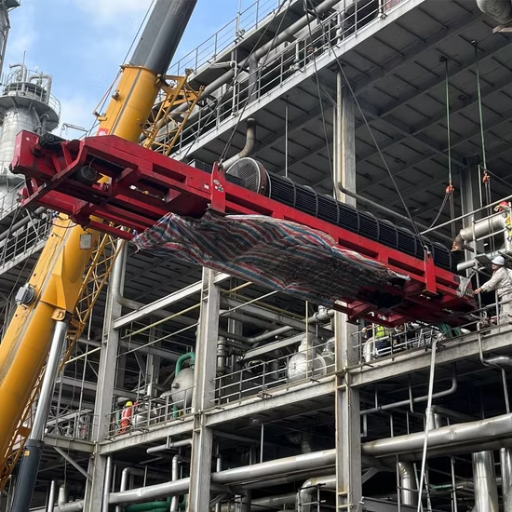
Remote-controlled bundle extractors function as advanced equipment which enables industrial facilities to conduct safe and efficient operations for removing heat exchanger bundles. The devices enable operators to handle equipment from secure locations which decreases the dangers linked to operating in unsafe work areas. The technology increases accuracy while decreasing the chance of mistakes and boosts productivity throughout all work processes. Remote-controlled bundle extractors function as vital equipment in petrochemical plants and power generation facilities which require both safety and accuracy to operate.
What is a Tube Bundle Puller and Its Importance?
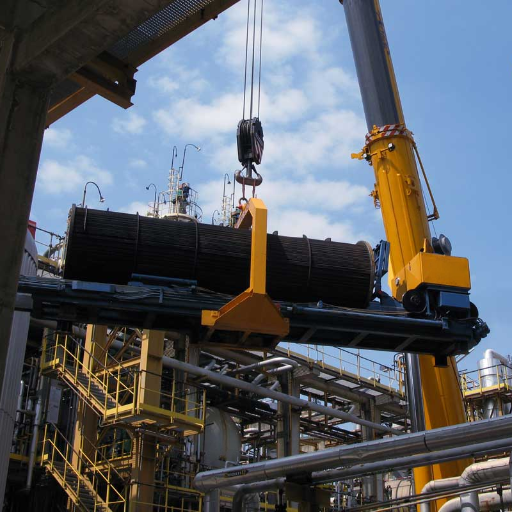
A tube bundle puller is a specialized device which functions to extract tube bundles from heat exchangers and insert them during maintenance work and cleaning operations. The machines operate through a system which processes heavy tube bundles that have complex shapes with safe and rapid and reliable performance capabilities. Automated extraction technology enables the system to reduce work requirements for employees while it safeguards tube bundles and their surrounding equipment from harm.
The importance of a tube bundle puller lies in its ability to streamline maintenance activities in industries such as petrochemicals, power generation, and oil refining. The industries depend on heat exchangers, which require ongoing maintenance to ensure their performance maintains peak efficiency and prevents costly interruptions. A tube bundle puller enables operators to perform their work tasks with improved accuracy and efficiency, which results in reduced equipment downtime and increased asset longevity.
The use of a tube bundle puller improves workplace safety because it eliminates manual extraction, which requires workers to perform demanding work that presents safety risks. The device increases accuracy while it decreases the chances of people making mistakes or causing unintentional destruction. The operation of tube bundle pullers plays a vital role in industrial heat exchanger maintenance, which helps companies achieve operational efficiency and workplace safety and sustainability through demanding operational conditions.
How Bundle Extractors Work
Bundle extractors function as dedicated mechanical machines which extract tube bundles from heat exchangers through safe and efficient methods. These devices use hydraulic or pneumatic systems to generate the necessary force, ensuring precise and controlled extraction. The process begins when the extractor gets positioned to match the tube bundle location. The extractor uses its gripping mechanism to hold the bundle after achieving correct position, while the hydraulic system generates force to move the bundle outside the heat exchanger shell.
The implementation of programmable controls in bundle extractor technology enables automated extraction speed and force adjustments according to the specific bundle dimensions and materials present. Current extraction technologies enable extractors to achieve extraction times which decrease by 40% when compared to traditional manual methods, which results in substantial productivity improvements.
Advanced extractors contain multiple safety features which protect equipment from damage and prevent accidents in the workplace through their overload protection and anti-slip systems. Industries which depend on heat exchangers for their operations consider bundle extractors as essential tools because refineries and petrochemical plants require accurate and effective maintenance procedures.
Types of Tube Bundle Pullers
There are primarily four types of tube bundle pullers: manual pullers, hydraulic pullers, pneumatic pullers, and electric pullers.
| Type | Power Source | Usage | Capacity | Advantages | Suitability |
|---|---|---|---|---|---|
| Manual Pullers | Manual effort | Small tasks | Low | Simple, cheap | Light duty |
| Hydraulic Pullers | Hydraulic fluid | Heavy loads | High | Powerful | Industrial |
| Pneumatic Pullers | Compressed air | Medium loads | Moderate | Quick, safe | Mid-scale use |
| Electric Pullers | Electric motor | Heavy loads | High | Efficient, fast | High demand |
Technology Behind Remote-Controlled Bundle Pullers
Engineering Innovations in Remote Operation
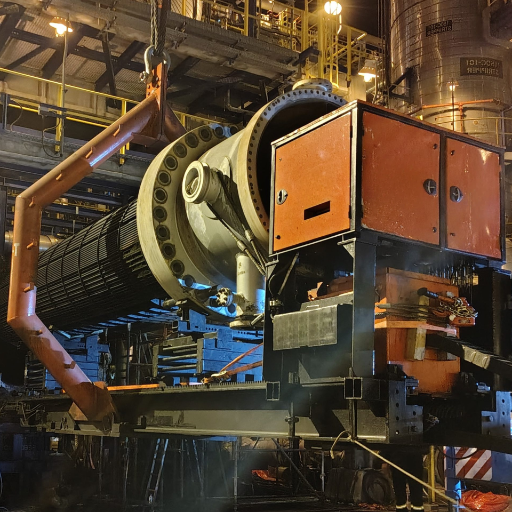
Remote-controlled bundle pullers use advanced engineering solutions which achieve precise results while maintaining safe operations and efficient performance. The fundamental operation of these systems depends on advanced technologies which include wireless communication protocols and servo motors and sophisticated control algorithms. The latest developments enable IoT devices to monitor equipment in real time while transmitting data for predictive maintenance and system optimization.
The primary advancement introduces high-torque brushless motors together with load-sensing systems which enable operators to handle bundles correctly at their maximum weight capacity. The remote control system now enables operators to monitor system performance through haptic feedback and visual displays that provide real-time updates.
Modern remote-controlled bundle pullers now support software systems which enable better coordination to perform automated tasks. AI-based predictive analytics enables maintenance scheduling by forecasting mechanical component wear patterns. The newly developed engineering solutions increase operational efficiency production while achieving sustainability targets through energy efficiency reductions and extended equipment operational periods.
Advanced Systems for Tube Bundle Extraction
Tube bundle extraction systems now operate at better efficiency while maintaining higher safety standards than older methods used for heat exchanger maintenance. The systems operate through automated processes which extract tube bundles and reinstall them, thus decreasing the need for human workers and cutting down the time needed for standard operations. The system uses hydraulic systems together with remote-control capabilities to manage heavy machinery because this method ensures safe equipment operation for all workers.
Modern tube bundle extraction systems provide their primary advantage because they can operate in different types of work environments. The system allows operators to create customized solutions which enable them to handle tube bundles of different dimensions and weights, making it useful for various industrial applications. The system comes with advanced monitoring capabilities which allow users to observe operations in real time, thus decreasing operational errors and enhancing extraction and reinsertion task accuracy.
The systems achieve sustainable operational results through their implementation of modern equipment and technological advancements. Automated control systems decrease energy usage, while accurate material handling prevents equipment breakdowns, which extends its operational lifetime. The development of advanced tube bundle extraction systems has become essential for industrial maintenance because companies now emphasize productivity and safety together with environmental protection.
Hydraulic Mechanisms in Bundle Pullers
The bundle pullers depend on hydraulic mechanisms to operate their systems because those mechanisms provide necessary energy and accurate control for successful tube bundle extraction. The system uses pressurized hydraulic fluid to produce high levels of force which enables operators to handle heavy bundles through safe and effective movement. The main system elements hydraulic cylinders and pumps function together to deliver operators controlled movement abilities which help them manage different weight capacities.
Modern hydraulic systems now combine advanced valve technologies with intelligent control systems to achieve improved accuracy and reduced power consumption according to recent developments and findings. The new design prevents fluid from leaking while it cuts down power use and improves equipment lifespan which makes it essential for use in petrochemical and power generation operations. The hydraulic systems deliver dependable performance because they maintain safety and maintain peak efficiency throughout their operation in extreme industrial conditions.
Real-World Applications of Remote-Controlled Equipment
Industries Utilizing Bundle Extractors
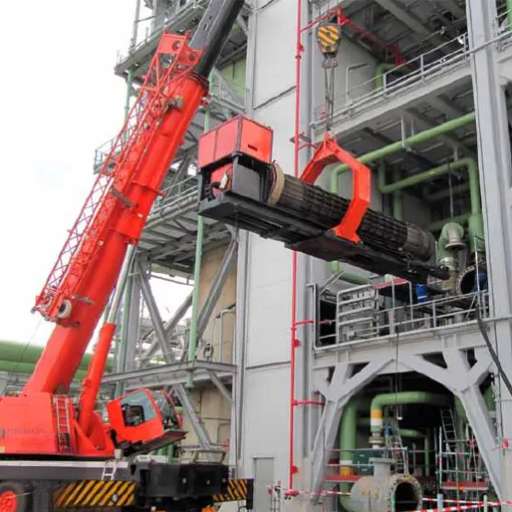
Bundle extractors are essential tools used in industrial operations which need to perform scheduled maintenance and cleaning tasks for their heat exchangers. Key industries include:
Petrochemical Industry: Essential for cleaning and repairing heat exchangers used in refining processes.
Power Generation: Utilized to maintain the efficiency of heat exchangers in power plants.
Food and Beverage Industry: Applied for cleaning heat exchangers that ensure hygienic processing.
Chemical Processing: Vital for maintaining equipment used in the production of chemicals under strict standards.
The bundle extractors enable workers to perform safe maintenance tasks which help maintain operational efficiency in all these industries.
Case Studies Demonstrating Safety Improvements
Case Study 1: Oil Refinery Heat Exchanger Maintenance
The oil refinery adopted remote-controlled bundle pullers as a replacement for manual extraction methods which they used during heat exchanger maintenance work. The facility decreased worker exposure to high-temperature components while it reduced the probability of workers suffering physical strain or injuries. The site achieved a 35% reduction in safety incidents which occurred during maintenance work over the course of one year, demonstrating that the technology succeeded in improving worker safety.
Case Study 2: Chemical Plant Equipment Handling
A chemical processing plant faced challenges with bundle extractions due to the hazardous materials involved. The implementation of remote-controlled pullers allowed workers to handle equipment without needing to approach dangerous toxic chemicals. The innovation brought about two outcomes because it enhanced safety regulation compliance while decreasing human error, which resulted in a safer work environment and a 25% rise in maintenance productivity.
The implementation of remote-controlled bundle pullers in actual work settings demonstrates their primary function, which helps to decrease risks while safeguarding employee security and enabling businesses to continue their operations throughout various sectors.
Operational Efficiency and Reduced Downtime
The operational efficiency of remote-controlled bundle pullers improves because they help maintain equipment and decrease the time needed to complete essential operations. The devices allow companies to decrease their operational interruptions during heat exchanger repairs because they enable fast and secure automatic tube bundle extraction without any physical work. The most recent data shows that industries which use remote-controlled bundle pullers experience maintenance time reductions of up to 40 percent which results in significant financial benefits and better operational efficiency.
People frequently ask about the safe operation of remote-controlled bundle pullers which achieve their maximum performance efficiency. Their advanced engineering design enables operators to manage heavy loads because it combines exact control systems with powerful mechanical components. The adoption of automation systems decreases the dangers connected to manual labor while providing businesses with faster work completion which results in higher efficiency and fewer work interruptions.
Safety Benefits of Remote-Controlled Operations
Minimizing Worker Exposure to Hazards
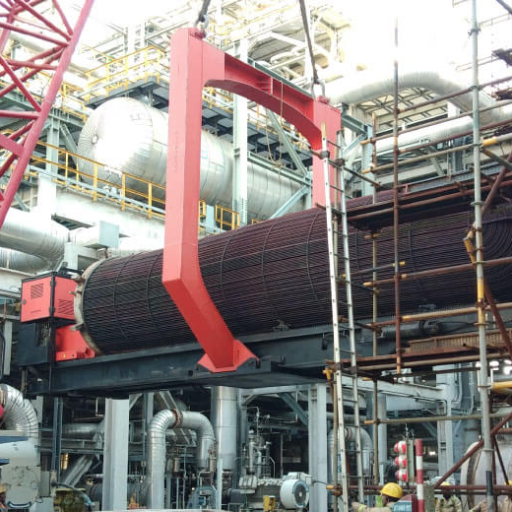
Remote-controlled bundle puller operations help reduce worker exposure to dangerous environments because they decrease the requirement for workers to enter dangerous locations. The systems enable operators to operate machinery from a secure distance which protects them from dangerous situations that include extreme heat and falling objects and heavy equipment movements. The safety measures which this organization implements lead to significant reductions in workplace accidents and injuries.
Emergency response operations receive an improvement through remote-controlled systems. Workers obtain immediate evacuation capability because they remain distant from the equipment which operates at that time. The separation process establishes personnel safety as the main concern while it lowers emergency situation risks from mechanical failures and sudden environmental changes.
Remote-controlled technology installation by employers establishes a workplace environment which values safety and risk prevention. The systems achieve compliance with occupational safety regulations which results in safer workplaces and increased employee trust. Workers who need to maintain productivity can do so through physical separation which combines with machine-based accuracy to create a secure work environment.
Enhancing Safety Protocols with Remote Control
Remote-controlled bundle pullers are changing industries because they provide better safety measures which decrease risks in places with dangerous conditions. The advanced tools operate through remote systems which need no worker interaction with heavy machinery thus decreasing their risk to dangerous operations. According to recent findings, remote-controlled equipment can reduce workplace injury rates by up to 40%, particularly in sectors such as manufacturing, construction, and logging. The operators can execute their duties from protected areas because the systems eliminate the requirement to work near dangerous locations.
The system achieves improved operational performance through its capability to track operational activities in real-time while automatically responding to different situations which decreases the possibility of human mistakes and improves worker protection. Remote-controlled systems establish efficient and secure practices through their growing acceptance across multiple industries which enables organizations to adopt preventive measures for workplace safety while protecting employee health.
Impact on Worker Productivity and Morale
Workers experience higher productivity and better work satisfaction because remote-controlled bundle puller operations use remote-controlled bundle puller operations to decrease their physical demands while maintaining their safety. The systems enable workers to concentrate on important work because they eliminate physical demanding tasks which provide better productivity results and increase employee contentment. The remote control system delivers better safety and accuracy which creates a positive work environment because employees believe their safety and worthiness are valued by their employer. The combination of better working conditions and better operational performance results in increased employee satisfaction and continuous work output.
Challenges and Considerations in Implementation
Cost Considerations for Remote-Controlled Systems
The implementation of remote-controlled bundle puller systems in industrial operations creates major advantages however complete cost assessment is necessary to determine whether the investment constitutes a profitable decision. The initial cost of procuring and installing these systems is often substantial. The price for high-precision remote-controlled pullers which include AI-powered controls and IoT integration technologies starts at $50,000 and can exceed $150,000 based on system size and complexity.
The installation of these systems requires infrastructure upgrades which include reinforced wiring and enhanced safety mechanisms and improved power supply solutions. The existing production lines will require extra expenses for developing custom solutions and achieving software compatibility and training employees. The expenses for maintenance operations which include parts replacements and software updates must be included in the total expenses. The industry reports indicate that annual maintenance costs will consume 10-15 percent of the initial installation expenses.
Research demonstrates that automated systems produce operational efficiency improvements which reach 30 percent while simultaneously decreasing operational mistakes and equipment downtime. Companies can achieve long-term value through ROI by decreasing manual work and enhancing workplace safety which leads to reductions in insurance and compensation expenses. The implementation of cost-benefit analysis together with phased implementation will assist organizations in controlling their costs while achieving maximum benefits from modern puller systems in today competitive industrial environment.
Training Requirements for Operators
Proper training is essential to ensure operators can effectively and safely use remote-controlled bundle puller systems. Key training requirements include:
System Familiarization
Operators must understand the puller system components together with its operational features and remote control and safety mechanism functions.Operational Procedures
The system startup and operation and shutdown processes require clear written instructions which need to be practiced through hands-on training.Safety Protocols
Training should emphasize safety guidelines which include emergency stop procedures together with safe handling practices and recognition of potential hazards during operation.Maintenance Basics
Operators should learn how to perform basic maintenance tasks such as equipment inspection for wear to ensure the system remains in optimal working condition.Troubleshooting Techniques
Common issues together with basic troubleshooting methods create awareness which helps organizations reduce their operational downtimeand interruptions.
The training program enables operators to operate equipment efficiently while preserving workplace safety standards.
Ensuring Reliability in Critical Situations
Operators need to perform system checks and preventive maintenance work because it helps them achieve dependable system performance during critical situations. The testing process requires operators to check control units for proper functioning while ensuring all connections remain secure and undamaged. Emergency response protocols should be established and practiced to prepare for potential failures. The organization needs to establish two essential elements for operational continuity which include maintaining open communication with team members and implementing backup power systems to handle unexpected interruptions. The implementation of these procedures will enable operators to improve the system reliability of remote-controlled bundle puller systems during critical operational situations.
Reference Sources
Rod and Bundle Assembly Program: Remote Rod and Bundle Assembly and Inspection: Discusses the design and remote operation of rod and bundle assembly systems, emphasizing safety in hazardous environments.
Transmission Line Maintenance Robots: State-of-the-Art Review and Challenges Ahead: Explores robotic technologies for maintenance, highlighting their role in enhancing safety and efficiency in industrial operations.
Finger Robotic Control Using M5Stack Board and MQTT Protocol: Examines remote control technologies and their applications in industrial settings, with a focus on safety and operational efficiency.
Frequently Asked Questions (FAQs)
Tube bundle extractor remote pull: what types of machines support remote control?
Remote control can be integrated into a wide range of tube bundle extractor platforms including stationary extractors mobile and self-propelled units truck-mounted or crane-assisted setups and aerial configurations for high-height work. Manufacturers offer an extensive range of models to cover different bundle sizes and weights from compact MAUS-type extractors to heavy-duty systems complete with a frame and lifting gear for large industrial exchangers. Product selection relies on extraction and insertion requirements together with transportation limitations and the need for either truck-mounted or stationary operational capabilities.
What paperwork should accompany remote tube bundle extractors?
The equipment needs complete documentation which consists of an ATEX declaration of conformity that applies to the entire machine plus electrical system manuals and all machine component specifications and certification documents that prove system components meet relevant standards. The documents need to describe the bundle dimensions together with their weights and the requirements for transporting them and the timetable for maintenance and the steps needed to take out and return the equipment. The documents help to protect operator safety while ensuring the facility meets regulatory requirements and operators can safely handle bundles during the extraction and insertion processes.
How does remote control technology improve operational precision in bundle pullers?
Remote control technology enables operators to control equipment movements and force applications through its programmable controls and servo motors. The system uses advanced wireless communication protocols to send operating commands together with feedback data which reaches its destination without any time delays. The system uses load-sensing technology and adaptive feedback systems to create customized extraction procedures which meet the specific needs of the heat exchanger. This innovation supports not only efficiency but also safety because operators can implement instant changes from remote locations. The technology helps reduce human errors in dangerous operational conditions. The remote control system includes two safety features which protect system operation: automated safety interlocks and real-time system status updates. The new developments enable operators to execute maintenance tasks with better operational control and consistent performance.
What types of industries benefit most from advanced tube bundle pullers?
The industries that gain the most from advanced tube bundle pullers include petrochemical facilities power generation plants and food and beverage processing operations. The electric and hydraulic pullers demonstrate their operational strength as they can meet the high performance needs of businesses which need to maintain strict safety requirements. The chemical plants and refineries of the industry can use the system because it supports different tube bundle sizes and includes automated extraction capabilities. Remote-controlled systems become essential for workforce protection in industries that deal with dangerous materials or work in extreme heat conditions. The new technological advancements help organizations that need to comply with standards and protect the environment to achieve their operational objectives. The pullers provide reliable and fast performance which reduces equipment downtime during both planned and unplanned maintenance activities.
Which type of puller system, hydraulic or pneumatic, works better for industrial applications?
Hydraulic pullers prove better than pneumatic pullers when particular work requirements and operational environments need assessment. Hydraulic pullers are often preferred by users who need to lift heavy loads because these machines offer both high lifting power and accurate movement capabilities. The development of new hydraulic valve designs has resulted in equipment which operates with better precision and reduced fluid leakage patterns leading to increased equipment lifespan and efficiency. The compressed air system of pneumatic pullers enables them to operate effectively in mid-scale chemical and food processing environments which require fast operation and mid-range capacity. The two systems enhance operational safety and efficiency but users must choose between them based on available power sources and their preferred schedule for system upkeep. The efficiency and low emissions of electric pullers make them an environmentally friendly option because they deliver sustainable performance when used in appropriate situations. The assessment process requires site managers to consider three factors which include site dimensions and equipment usage patterns and safety needs.