
 Chinese
In the case of industrial processes, one challenge that stands out the most is heat exchanger fouling; it is very persistent and expensive. The problem, which is quite widespread, results from the deposition of unneeded substances on heat transfer surfaces and has far-reaching implications such as reduced energy efficiency, increased operational costs, and even unplanned shutdowns. Knowing the origin of fouling, applying good prevention measures, and using cleaning methods that are reliable are all very important for the performance and life span of a heat exchanger. This article will look into the basic things that contribute to heat exchanger fouling, what to do to prevent it, and which cleaning methods are the best to get rid of the problem so that the equipment can function optimally again. It does not matter whether you are an engineer, technician, or a business owner, this article will give you the knowledge to deal with fouling problems directly and to continue running your operations without any interruptions.
Understanding Heat Exchangers
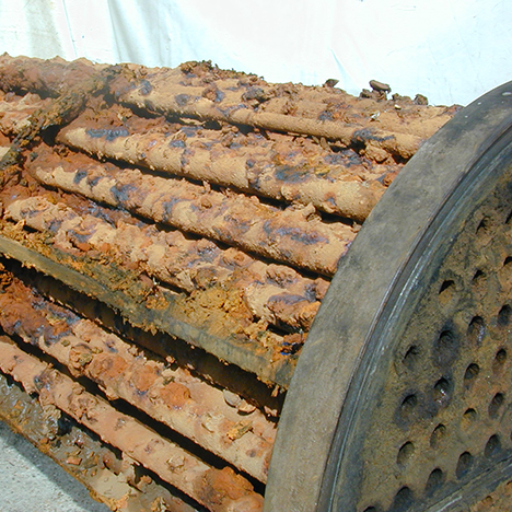
Heat exchangers are devices that transfer heat from one fluid to another without mixing the two. These as special devices could be found in almost all industries such as HVAC, chemical processing, power generation, and automotive systems. The major purpose of their existence is the maximization of energy efficiency regained through the recirculated heat or coolant energy due to waste. Depending upon the application, some common types include shell-and-tube, plate, and air-cooled heat exchangers, where benefits of each can be predicted based on the application. Helping in avoiding performance issues while aiming to increase long-term reliability of the equipment by also introducing how the equipment is properly maintained is very much key.
What are Heat Exchangers?
Heat exchangers can be defined as the critical devices which enable the transfer of thermal energy among two or more fluids, either liquefied or vaporous or at times even both, with no direct contact. These devices occupy a central position in the respective fields, e.g., HVAC, chemical manufacturing, electricity production, and car construction, etc. They prevent energy waste and thus, indirectly, the environmental harm by providing a reliable and effective means of heat exchanging between various processes. In fact, if not for heat exchangers, energy efficiency objectives of most of the industries would not have been attained. The main types of modern heat exchangers that have gained the most prominent acceptance are shell-and-tube, plate, and air-cooled versions. Furthermore, the advances in the material sciences and engineering have enabled the development of heat exchangers that are more compact, rugged, and energy-efficient than ever before. The truth is, the use of heat exchangers has become an accepted practice in supporting the green initiative of industrial operations.
Importance of Preventing Heat Exchanger Fouling
Fouling is a major problem for heat exchangers which the efficiency of these devices gets to be even less than half of their potential due to the unwanted deposits formed over the surfaces meant for heat transfer. Besides, the layers formed by the accumulation of different materials like dirt, scale, and even the biological growth act as thermal insulators, thus making the heating and cooling processes more difficult and consequently requiring more energy for the same performance level. Furthermore, the consumption of energy due to fouling increases operational costs and, besides, the life of the equipment is shortened thus leading to the incurring of maintenance costs through more frequent cleaning of the parts or their replacements. In addition to all the above problems, heavy fouling can lead to blockages in the flow or even the breakdown of the whole system which again results in unplanned downtimes and thus an economic loss. The manufacturing industry can avoid these risks by implementing preventative measures such as regular cleaning schedules, anti-fouling coatings, or smart monitoring systems. The prevention of fouling is one of the most important factors in the case of heat exchangers as it increases the efficiency of operation, reduces the carbon footprints, and guarantees long-term reliability.
Types of Heat Exchangers
Heat exchangers are generally classified into shell-and-tube, gasket plate, air-cooled, finned-tube, regenerative, and adiabatic-wheel types.
Types of Fouling in Heat Exchangers

Crystallization Fouling
Crystallization fouling is a phenomenon that occurs when the heat exchanger surfaces become coated with solid deposits caused by the precipitation of dissolved minerals in the fluid. It is often found in cases where hard water or saline solutions are used. The deposition generally starts when the local concentration of minerals exceeds their solubility limits due to the heat applied to the process, resulting in scaling. Both calcium carbonate and calcium sulfate are among the substances that often contribute to the fouling of industrial systems.
Crystallization fouling has negative aspects that include the reduction of thermal efficiency in heat exchangers, the elevating of pressure drops, and the incurring of more expenses on maintenance. It is essential to apply proper management methods like water treatment, anti-scaling agents, or regular cleaning for the minimization of fouling impact. The use of monitoring systems and other novel technologies for this type of fouling detection and control is gradually becoming very effective.
Particulate Fouling
The accumulation of solid particles contained in the fluid on the heat exchangers' surface causes the formation of particulate dirt. The occurrence of this process of fouling is very frequent in the case of suspended solids such as dirt, rust, or debris, which are mixed up with the fluid stream. The gradual settlement of such particles leads to the formation of a layer that not only reduces the heat transfer but also increases the pressure drop in the system. The steps taken to avoid or manage the fouling due to particles consist of thorough filtration, periodic maintenance, and ensuring that the fluid entering the heat exchanger is clean.
Biological Fouling
Biological fouling is a microbiological phenomenon that signifies the presence of bacteria, algae, fungi, and other organisms as a layer over the heat exchangers. The very existence of these organisms leads to the formation of biofilms, which are viscous layers that can severely reduce heat transfer efficiency and impose a higher resistance to the flow. The prerequisite conditions for the development of biofilms are warm waters, nutrient-laden fluids, and stagnant waters; consequently, such conditions are more susceptible to biological fouling.
The issue of biological fouling can be managed through different preventive and mitigative strategies. One of the methods is the application of biocides for controlling the microbial population, ultraviolet (UV) radiation, and maintaining fluid velocity at the right level to hinder the attachment of organisms among the other methods. In addition to these, continuous cleaning and inspection of the heat exchangers are part and parcel of the fight against biofouling. Installing efficient filtration systems can also help in starving the fluid stream of nutrients and microorganisms, thus reducing the severity of the problem.
Causes of Fouling in Heat Exchangers
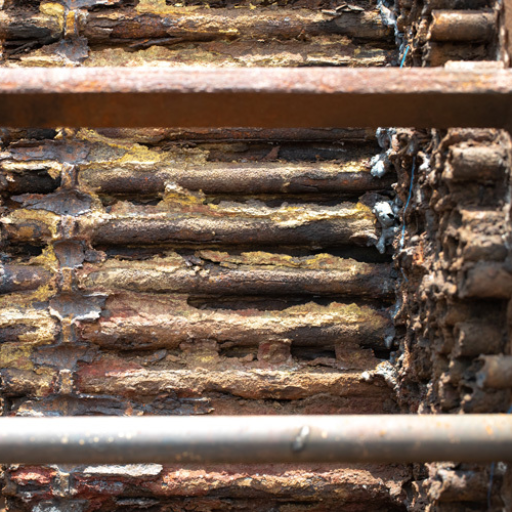
Fouling Mechanisms
Fouling in heat exchangers can be defined as the failure and inefficiency, which might be as high as 100%, as a result of non-removed materials on the heat transfer surfaces. Two major factors that lead to fouling are:
Particulate Depositing: The fluid carries solid matter such as dirt or rusting metal and finally deposits them on the heat transfer surfaces.
Microbial Contamination: Bacteria and algae, among others, are known to create biofilms that cause the fluid to become stagnant by growing over and practically covering the surface.
Chemical Depositing: By dissolving various salts and other solids, chemical reactions in the liquid lead to deposits forming, including scaling from water minerals, and so on.
Corrosion Depositing: The reaction between the corrosive fluid and material surfaces leads to the generation of by-products that are easily attached to the surface of the heat exchanger.
Freezing: This phenomenon happens when the temperature of the fluid drops to its freezing point, thus leading to the formation of ice which consequently blocks the flow paths.
Nevertheless, through the identification and controlling of these mechanisms, it is possible to guarantee the maximum efficiency of heat exchangers.
Environmental Factors Contributing to Fouling
💧 Water Quality
Overheating or particulate fouling on heat exchanger surfaces become possible with the presence in water of high levels of dissolved minerals, contaminants, or suspended particles.
🌡️ Temperature Variations
The precipitation of dissolved substances or the formation of deposits can be an effect of significant temperature changes.
🦠 Biological Activity
One of the effects of warm and humid conditions is the microbial growth which leads to biofouling, thus, clogging and reducing the efficiency of the system.
💨 Humidity Levels
The high humidity can cause condensation of moisture and the consequent process of fouling will involve the air-dissolved dirt and other particles that get accumulated.
🌫️ Airborne Contaminants
The presence of airborne contaminants such as dust, pollen, or industrial pollutants will eventually lead to the fouling of heat exchanger surfaces by their settling over time.
Operational Practices Leading to Fouling
The choice of maintenance practices has a considerable influence on the probability and severity of fouling in heat exchangers. These maintenance practices can be poor and of such quality that they might consist of rare cleaning or, even worse, inspection leading to the growth of deposits and contaminants without any check. Operating outside the temperature or pressure limits can lead to a faster incidence of fouling as sedimentation and crystallization will be the results of the fouling conditions that are created. Also, during rapid changes in the operational conditions, e.g. sudden temperature variations or flow rate shifts, usually the system gets stressed and as a result fouling occurs. Moreover, the wrong selection of heat exchanger materials can also create compatibility issues, which in turn make the surfaces of the heat exchangers more susceptible to corrosion or biofouling. However, with data monitoring, routine maintenance and the right design the fouling problem can be almost completely eliminated.
Costs of Fouling in Heat Exchangers
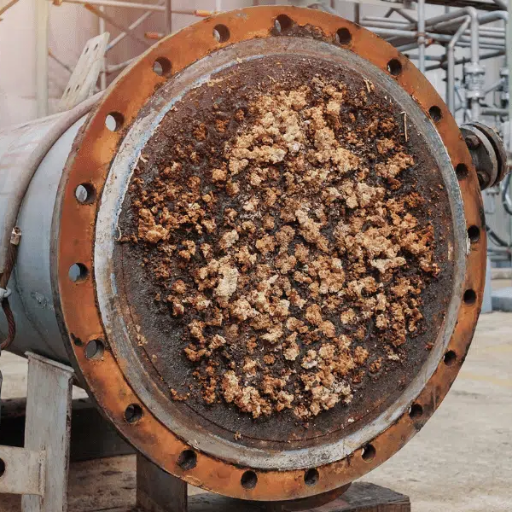
The presence of fouling in heat exchangers incurs high operational as well as economic costs. The thermal efficiency drops, thus more energy is needed to achieve the same performance level which in turn increases the utility costs. Moreover, the cleaning and maintenance that fouling demands often result in downtime and labor costs. In case of severe fouling that is not tackled, equipment damage or failure could happen which would necessitate either costly repairs or replacements. All in all, fouling not only affects the operational reliability but also the profitability thereby underscoring the need for efficient fouling prevention and management measures.
Economic Impact of Heat Exchanger Fouling
Heat exchanger fouling represents a serious economic drawback measured by the amounts of energy consumed plus maintenance costs and possible damages to the equipment. Fat deposit in the system reduces the efficiency thus requiring more energy to be used to obtain the same performance. This situation directly increases the operational costs. Cleaning and maintaining frequently increase labor and material costs, while unplanned downtime may cause production schedule interruptions thus resulting in losses of income. Very fouled may cause even total failure of the equipment which leads to repairing or replacing it at a high cost. All these costs put together highlight the financial side of implementing good prevention and mitigation of fouling strategies.
Operational Challenges Due to Fouling
Fouling in heat exchangers is a serious problem that causes various operational difficulties and directly affects efficiency and reliability. The deposits that are built up to get rid of heat exchange completely, thus forcing up energy usage as the systems become more intensive to obtain the required temperature. This also results in a higher drop in pressure, which increases the ultimate limit for the equipment and maybe even reduces its lifespan. Sometimes the unevenness of flow distribution caused by fouling can even lead to more performance degradation. The prevention of fouling through maintenance and the application of nonscaling coatings or use of nonscaling materials is thus justified by the fact that this challenge creates an operational disruption.
Long-term Consequences of Ignoring Fouling
The overlooking of fouling in heat exchangers will cause a chain of consequences that are severe in the long run. These consequences will not only affect the efficiency of the operation but also the financial resources. Slowly but surely, fouling increases thermal resistance, which results in a decrease in heat transfer efficiency and a rise in power consumption. This inefficiency that lasts for a long time has a significant impact on operational costs because the energy that is needed to produce the desired system outputs is more. Moreover, the accumulation of fouling hastens the deterioration of equipment that leads to unplanned shut-downs and costly system breaks. In some cases, the prolonged exposure to fouling might even require the early replacement of the equipment which will further increase the costs.
⚠️ Environmental Impact
Aside from the economic aspect, fouling can also result in environmental impacts. The increased energy consumption leads to the generation of more carbon dioxide which cancels out the efforts towards sustainability and compliance with regulations. The industries that rely on heat exchangers such as power generation, chemical processing, and oil refining might even suffer a loss of good reputation or might be fined if they are found to be violating the environmental standards due to inefficiencies caused by fouling.
Mitigation and Cleaning Strategies
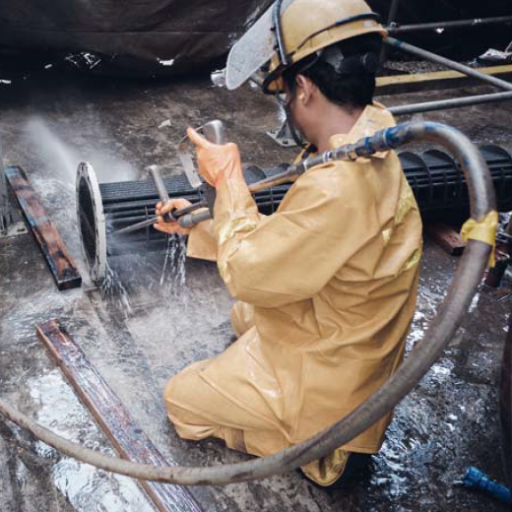
Fouling in heat exchangers has been dealt with using both mitigation and cleaning approaches consisting of the proactive and reactive strategies. Among the proactive measures are materials resistant to fouling, designing the system with little or no fouling-prone areas, and the use of regular chemical treatments to eliminate deposits. Moreover, monitoring systems that follow up on indicators like air pressure decrease and heat transfer efficiency can also play a big role in detecting the problems early. The reactive strategies usually take two forms: mechanical cleaning such as brushing or hydroblasting and chemical cleaning of persistent deposits to dissolve or loosen them. Besides, scheduling regular maintenance and making use of predictive maintenance techniques ensure that fouling is averted efficiently which in turn leads to lower operational cost and less downtime at the same time keeping the system's performance at a desirable level.
Preventing Heat Exchanger Fouling
The prevention of heat exchanger fouling can be achieved through a combination of good design, regular maintenance, and optimization of the process. Choosing anti-fouling materials, such as alloys with smooth surfaces that lower the deposit's adhesion, is one very effective method. Another way is to keep the flow velocities at an optimal level, which will prevent the accumulation of particles or biofilms in the system. Besides, the use of filtration systems to remove impurities from the fluids and the application of chemical inhibitors or biocides where appropriate can all assist in the minimization of fouling. Moreover, the combination of advanced monitoring systems and predictive analytics can further strengthen the prevention measures by detecting the early signs of fouling and enabling the taking of proactive measures. The adoption of preventative strategies not only prolongs the life of heat exchangers and maintains their efficiency but also provides a reduction in operational interruptions and costs.
Traditional Heat Exchanger Cleaning Methods
The usual method for cleaning heat exchangers consisted of mechanical and chemical cleaning primarily. The former means that the physical process of getting rid of dirt and fouling by brushing, scraping, or using high-pressure water jets would take place, while the latter refers to letting the chemical dissolve the scale, deposits, or other pollutants by circulating the agents or solvents through the system. Both methods are commonly used and are highly efficient, but the choice depends on the type and design of the heat exchanger. The frequent use of these methods not only helps to recover the efficiency of the equipment but also to increase the life span of the equipment.
🔧 Mechanical Cleaning
Physical removal through brushing, scraping, or high-pressure water jets
⚗️ Chemical Cleaning
Dissolution of deposits using chemical agents or solvents circulated through the system
Innovative Cleaning Technologies
Cleaning technologies have made a significant leap leading to the advent of more environmentally friendly and efficient methods. One such method is ultrasonic cleaning, an innovative process whereby high-frequency sound waves are used to dislodge fouling without the need for harsh chemicals. The other one is laser cleaning, which is still at the developing stage and is employing controlled laser energy to precisely remove impurities from the surface. Moreover, the smart cleaning systems, which consist of sensors and automated controls, can detect the degree of fouling and accordingly trigger cleaning cycles thereby, optimizing the operation with the least possible downtime. These technological advancements have resulted in not only higher cleaning efficiency but also lower environmental impact and operational cost thus, making them great alternatives to be considered for the heat exchangers' efficiency upkeep.
🔊 Ultrasonic Cleaning
High-frequency sound waves dislodge fouling without harsh chemicals
⚡ Laser Cleaning
Controlled laser energy precisely removes surface impurities
🤖 Smart Cleaning Systems
Sensors and automated controls detect fouling and trigger cleaning cycles
Reference Sources
Recent Advances in Heat Exchanger Fouling Research, Mitigation, and Cleaning Techniques - This article reviews the latest research on fouling, focusing on prevention and cleaning methods.
Minimizing Fouling in Heat Exchanger Design - This study explores design considerations to reduce fouling in heat exchangers, providing practical insights for engineers.
Fouling and Fouling Mitigation on Heat Exchanger Surfaces - This chapter examines fouling phenomena, models, and mitigation strategies, offering a comprehensive overview.
A Review of Crystallization Fouling in Heat Exchangers - This review focuses on crystallization fouling, its causes, and methods for prevention and cleaning.
Frequently Asked Questions (FAQs)
What is the consequence of the fouling prevention system on heat loss due to heat transfer in a heat exchanger?
Fouling prevention is a process that stops or postpones the formation of a fouling layer that penetrates into the heat-dissipating layer and consequently raises the resistance to heat transfer. Through reducing the fouling rate and the amount of fouling, the mitigation measures maintain the overall heat transfer coefficient fairly high along with the fouling factor being low, which in turn results in the heat flow and efficiency of the heat exchanger being preserved. The adoption of the best practices—such as flow velocity optimization, application of anti-foulants coatings, and periodic cleaning of the heat exchangers—aid in curbing the fouling deposit and the losses resulting from fouling, thus rendering the system almost equivalent to a clean heat exchanger in terms of performance.
What considerations should be taken into account in the selection of heat exchanger that would help in the cooling process optimization through fouling minimization?
The heat exchanger selection is primarily determined by the type of heat exchanger foulant, the operating conditions and the heat exchanger's sensitivity to fouling. For example, plate heat exchangers usually have the highest heat transfer coefficients and at the same time can be cleaned quite easily, thus they are the first choice for application in where particulate or biological fouling is a possibility. Shell and tube heat exchangers may be selected for high-pressure or high-temperature services but can still cause very low flow rates to lead to higher pressure drops across the heat and more severe deposition fouling. It is prudent to consider the factors causing fouling, the expected rate and extent of fouling, the total heat transfer needed, and the cleaning procedure of the heat exchangers in case of the right design decision.
What causes deposition and sedimentation fouling on the heat transfer areas?
Deposition fouling is defined as the process where suspended solids, precipitates, or biomass are deposited on the heat exchanger surfaces and, thus, the formation of a fouling deposit or a fouling layer is created, which in turn, increases the resistance of heat transfer. When the gravity pushes the deposition process, it is called sedimentation fouling, and it is a process that depends on the interaction among flow and heat transfer conditions, temperature gradients and the processes occurring in the fluids of the system and the heat exchanger. There can be different types of fouling that occur such as chemical scaling, particulate settling, and biological growth, which all lead to a decrease in heat transfer and may also cause corrosion of the heat exchanger to be more severe.
What are the best practices for cleaning and cleaning solutions for heat exchangers?
Physical methods such as mechanical brushing, pigging, and hydroblasting as well as chemical cleaning by means of acid or alkaline washes and biocides are all part of common cleaning solutions. The right cleaning method is determined by identifying the type of fouling (organic, inorganic, biological), performing a material compatibility test to prevent the heat exchanger from corroding, and considering operational limitations. Daily scheduled cleaning, monitoring the inlet and outlet temperatures of the heat exchanger, and recording the shifts in overall heat transfer and pressure drop are some of the activities that a plan to keep a heat exchanger performing at its best and to prevent losses caused by fouling would include.
Which maintenance and control measures can be implemented to ensure the heat exchanger will operate at its optimal level for a longer period of time?
Application of a combined maintenance strategy promotes excellent prevention of fouling, occasional inspection of shell and tube heat exchangers or plate heat exchangers, planned and monitored cleaning, and performance monitoring (transfer coefficient, fouling factor, heat exchanger inlet/outlet temperatures and pressure drop). The application of various control measures, such as flow rate optimization, controlling temperature to prevent precipitation, upstream filtration for decreasing particulate load, and chemical dosing, when done at the right timing, can even enhance the process of fouling. The application of these measures, however, will vary with the different types of fouling and the specific process and heat exchanger involved, thus leading to gradual extinction of the losses caused by fouling and, consequently, the heat transfer and long-term efficiency being sustained.