
 Chinese
Maintaining the efficiency and reliability of heat exchangers is critical for industrial operations, and bundle cleaning plays a pivotal role in achieving this goal. Various cleaning methods offer distinct advantages and functionalities designed to meet specific operational needs. This comprehensive guide explores modern cleaning methods, their mechanisms, applications, and industrial performance. By the end, you will understand how these methods enhance equipment performance, reduce maintenance time, and ensure adherence to high operational standards.
Introduction to Bundle Cleaning
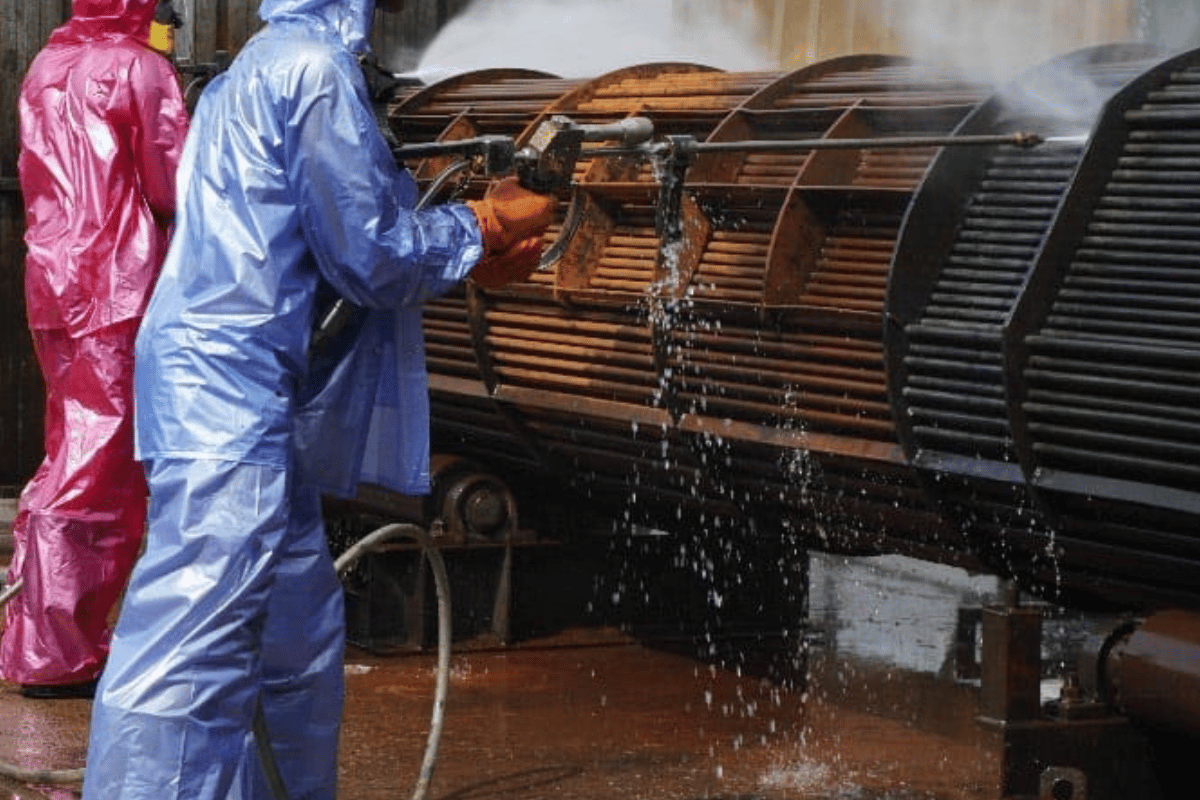
Bundle cleaning refers to the process of removing fouling, scale, and accumulated deposits from heat exchanger tube bundles to maintain and restore their efficiency. This process is essential for achieving optimal thermal performance, reducing energy consumption, and preventing equipment failure caused by blockage or corrosion. Common cleaning approaches include chemical cleaning, hydroblasting, and mechanical techniques, with the choice depending on deposit type and severity. Proper bundle cleaning extends equipment lifespan, ensures regulatory compliance, and reduces operational delays, making it indispensable in oil and gas, chemical processing, and power generation industries.
What is Tube Bundle Cleaning?
Tube bundle cleaning is the procedure of removing fouling, scale, or contaminants that accumulate on internal and external tube surfaces of heat exchangers or other industrial equipment. These substances—including mineral scale, biological growth, hydrocarbon residues, or rust—impair heat transfer efficiency, increase energy consumption, and potentially lead to equipment breakdown. Modern cleaning techniques support efficient, safe, and time-effective cleaning operations.
Hydroblasting employs high-pressure water jets to remove accumulated substances, while chemical cleaning uses specific agents to dissolve deposits. Mechanical methods utilize rotating cleaning tools for tougher fouling, and robotic systems bring precision while reducing staff exposure to hazards. Tracking fouling rates and implementing data-driven cleaning schedules helps industries maintain manufacturing standards, reduce maintenance expenses, and increase equipment service life.
Importance of Exchanger Maintenance
Proper maintenance of heat exchangers guarantees longevity, efficiency, and safety of industrial processes. Maintenance reduces operational risks while providing substantial cost savings. The following aspects highlight the critical importance of exchanger maintenance:
Key Maintenance Benefits
1. Energy Efficiency Improvement
Fouled or poorly maintained heat exchangers consume more energy to achieve required thermal performance. Research shows that energy efficiency can improve by up to 30% when heat exchanger surfaces are kept clean, reducing operating costs and greenhouse gas emissions.
2. Prevention of Equipment Failure
Ignoring regular maintenance permits corrosion, scaling, or mechanical stress to develop in heat exchangers, increasing equipment failure risk. Timely inspections prevent unexpected downtimes that can cost industries hundreds of millions of dollars annually.
3. Prolonged Equipment Lifespan
Regular cleaning and monitoring reduces wear and tear, significantly extending the operational life of heat exchangers. Well-maintained systems regularly outperform neglected ones by 10-15 years in service life.
4. Compliance with Safety Standards
Heat exchanger maintenance ensures compliance with industry-specific regulations and safety standards such as ASME and TEMA. Non-compliance can result in legal penalties, shutdowns, or safety hazards for personnel.
5. Enhanced Process Reliability
Well-performing heat exchangers provide consistent thermal transfer crucial for processes requiring strict temperature control. Reliable performance reduces production variability and increases product quality.
Overview of Cleaning Technologies
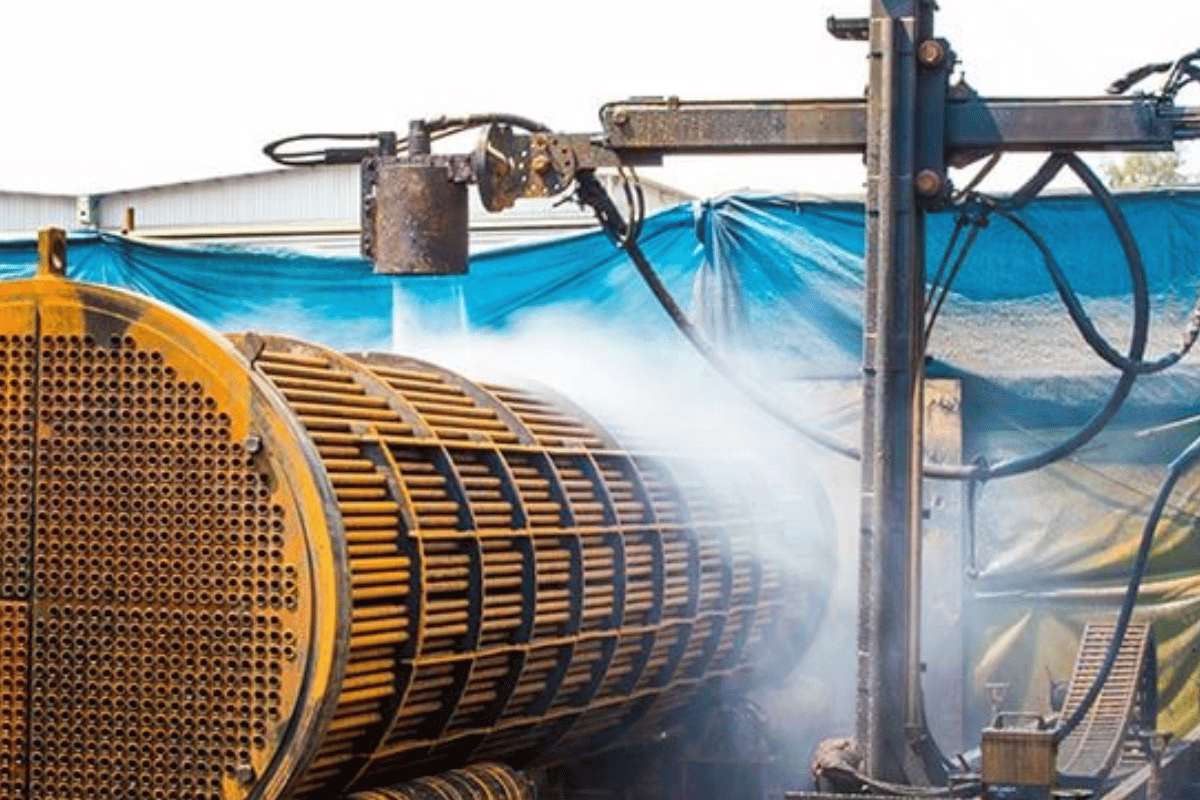
Appropriate cleaning technologies are vital for ensuring industrial equipment like heat exchangers remain effective, efficient, and durable. The following cleaning technologies each offer unique methodologies and applications:
Hydroblasting (High-Pressure Water Jetting)
This method uses water jets at pressures between 10,000 and 40,000 psi to completely remove dirt, scale, and fouling from equipment surfaces. Hydroblasting is non-invasive, eco-friendly, and highly efficient for the thickest deposits, making it suitable for cleaning heat exchangers, boilers, and pipes. However, it may not be effective for delicate materials and sensitive surfaces easily damaged under high pressure.
Chemical Cleaning
This method uses specialized chemical solutions to break down mineral scales, biological fouling, and other impurities without mechanical intervention. Commonly used chemicals include acids, alkalis, and surfactants, selected according to fouling type and equipment material. Chemical cleaning technology is precise but requires substantial wastewater treatment to handle discharge effectively.
Mechanical Cleaning (Scraping and Brushing)
Manual or automated tools, including scrapers, brushes, and pigs, physically remove deposits from equipment surfaces. Mechanical cleaning is often used in tubular heat exchangers and pipelines for soft and moderate fouling. However, effectiveness may be reduced in hard-to-reach areas or with caked deposits.
Ultrasonic Cleaning
Ultrasonic cleaning utilizes high-frequency sound waves (typically 20-40 kHz) and a cleaning solution to clean at the microscopic level by cavitation. A key advantage is cleaning delicate and intricate surfaces in precision industries without damage. However, this technique may require high energy input and specialized apparatus.
Steam Cleaning
Steam cleaning employs high-temperature steam to disinfect surfaces and remove heavy oils, fats, and stains. Using only water with minimal wastewater production, steam cleaning is eco-friendly by reducing chemical needs. This method is highly effective for hygiene-sensitive industries like food processing and pharmaceuticals but may not work for hard scaling.
Important Note: These technologies address different cleaning challenges, and selection depends on equipment type, fouling characteristics, and operational requirements. Following the right cleaning method, industries can simultaneously increase efficiency, regulatory compliance, and sustainability targets.
Hydroblasting for Tube Bundles
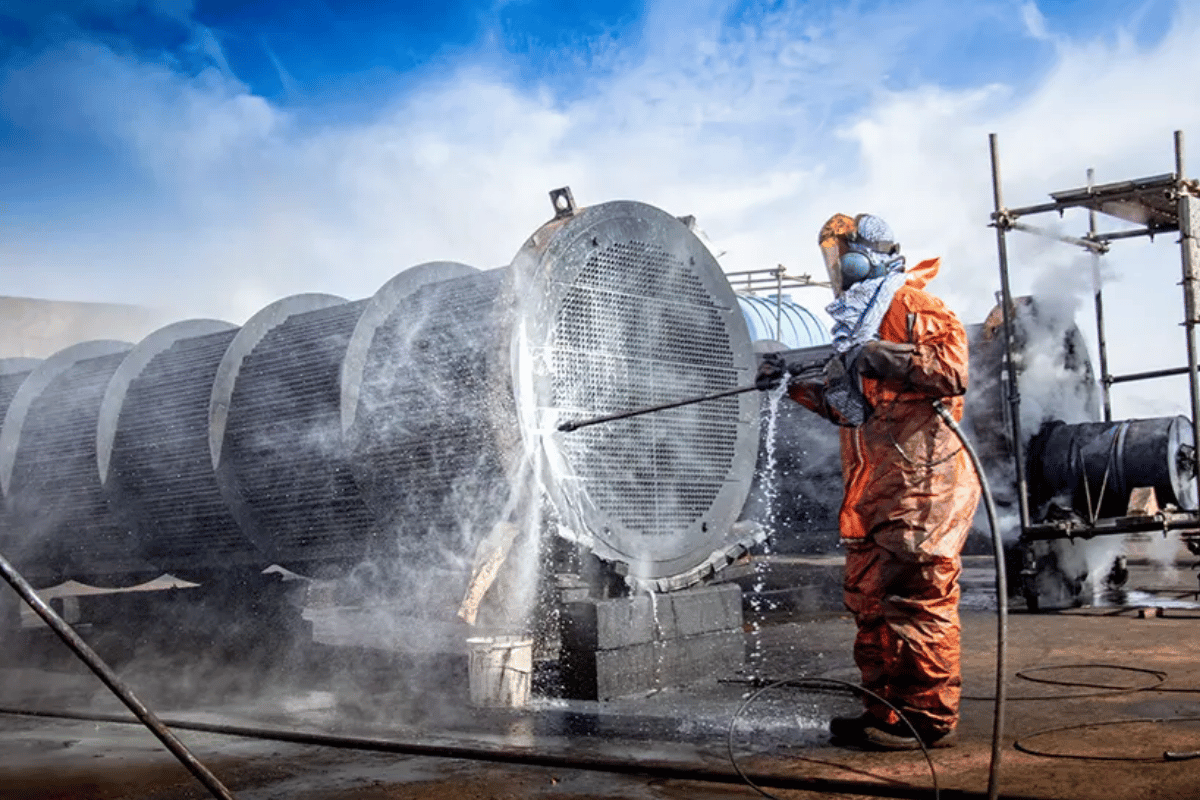
Hydroblasting is a highly efficient technique that cleans tube bundles using high-pressure water jets to eliminate fouling, deposits, and scale from internal and external tube surfaces. This technique ensures optimal heat transfer and extends equipment lifespan. It excels at removing difficult impurities like mineral scaling or hardened residues without damaging tubes. Hydroblasting equipment typically features adjustable pressure and nozzle configurations for different fouling situations. The process minimizes chemical use, aligning with environmentally friendly practices.
Process and Equipment Used
Hydroblasting relies on high-pressure pump systems delivering water at pressures exceeding 10,000 psi, ensuring complete residue removal. Nozzles can be exchanged depending on specific cleaning needs—multi-orifice nozzles for even cleaning or rotating nozzles for concentrated cleaning of hard deposits. The cleaning operation begins with careful area inspection, followed by equipment setup with appropriate pressure and nozzle direction. Safety measures such as robust hoses and guards protect equipment while ensuring controlled, effective cleaning.
Efficiency Ratings and Performance
The effectiveness of hydro-cleaning systems is influenced by factors including pump capacity, nozzle type, and flow rate tuning. Through precise tuning and strict adherence to operational guidelines, these systems achieve excellent contaminant removal while consuming minimal resources. Continuous monitoring and performance evaluation maintain consistent efficiency and industry standards compliance.
Safety Protocols in Hydroblasting
Following hydroblasting safety measures is essential to reduce risks and protect operators and nearby personnel. According to current standards, personal protective equipment (PPE) is the fundamental defense, including specialized headgear, face shields, strong gloves, full-body suits, and steel-toed boots. Beyond PPE, operational control is crucial. Operators should regularly inspect equipment for wear or defects, ensure pressure levels stay within safe operating ranges, and have fail-safe devices to prevent accidental pressure discharge.
Critical Safety Requirements
Conduct thorough site assessment before hydroblasting to detect hazards such as difficult access areas, chemical residues, or unstable ground
Provide comprehensive training giving personnel technical knowledge and procedural awareness
Implement technology such as wireless monitoring systems and real-time pressure gauges for instant situation visibility
Combine thorough preparation, sophisticated tools, and strict operational standards adherence to reduce risk and preserve efficiency
Chemical Cleaning Methods
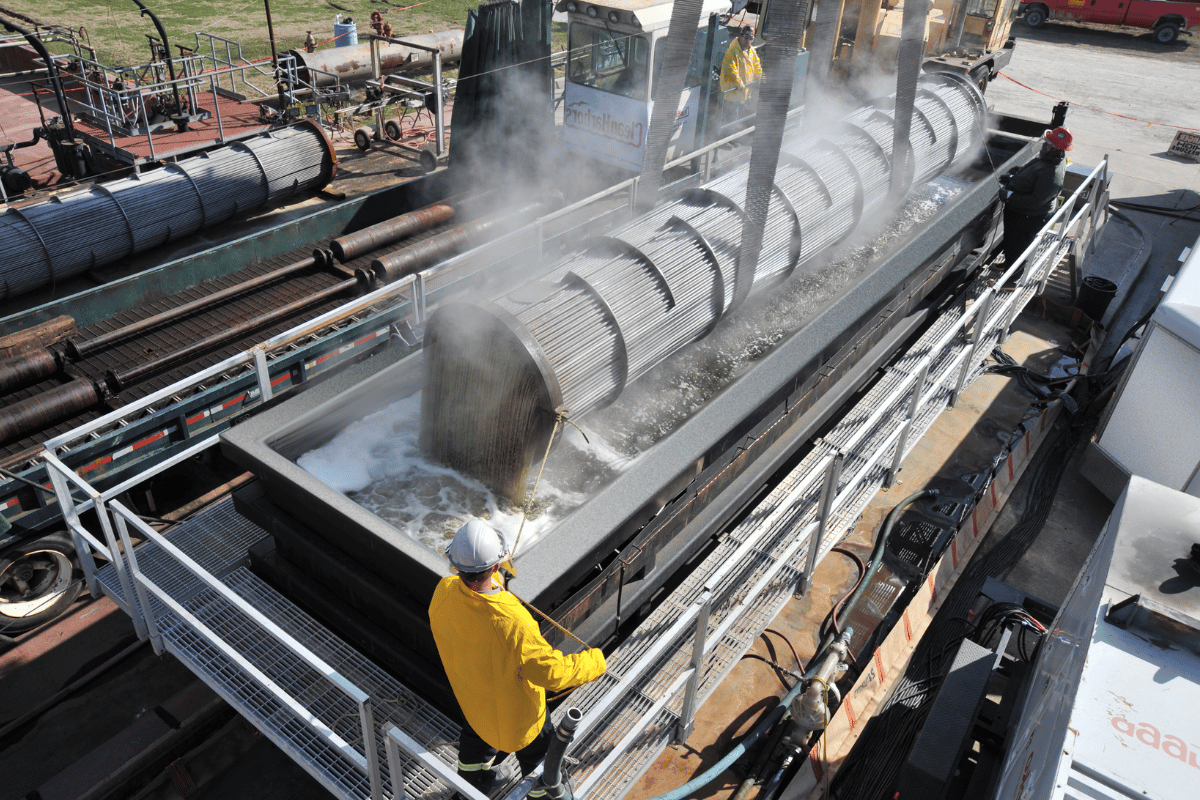
Chemical cleaning methods are indispensable for maintaining industrial systems by removing harmful deposits, contaminations, and residues. These precision and efficiency-based methods are essential across sectors like petrochemicals, power generation, and manufacturing. This section presents core concepts, processes, and benefits of chemical cleaning, demonstrating how it improves operational efficiency, extends equipment life, and reduces hazards.
Common Chemicals and Their Applications
Each chemical has specific application spheres and corresponding precautions must be followed to maintain safety and legal compliance while maximizing cleaning effectiveness. Chemical selection depends on contaminant nature, equipment material, and operational constraints.
Effectiveness and Downtime Considerations
Achieving optimal cleaning results with minimal operational disruption requires selecting chemicals and methods that effectively remove contaminants while being gentle on equipment, avoiding long rinsing cycles. Evaluating cleaning agent compatibility with system materials prevents corrosion or degradation, ensuring smooth processes and minimal downtime.
Safety Measures for Chemical Cleaning
Safety measures during chemical cleaning are the primary safeguard for personnel, equipment, and environmental protection while maintaining operational efficiency. Five crucial safety measures are described below:
1. Proper Personal Protective Equipment (PPE)
Chemical cleaning workers must wear suitable PPE including gloves, goggles, face shields, chemical-resistant clothing, and respirators when required. Research shows PPE application drastically reduces chemical-related accidents, with safety audits showing up to 40% fewer exposure-related injuries where PPE compliance is strictly enforced.
2. Chemical Management and Storage Guidelines
Chemical characteristics such as corrosiveness, reactivity, and flammability determine storage and handling methods. Storage areas should be clearly labeled, adequately ventilated, and equipped with spill containment measures. Always store acids and bases separately to avoid reactions. OSHA recommends secondary containment capable of holding 110% of the largest container's volume.
3. Risk Evaluation and Hazard Analysis
Complete risk assessment is necessary before chemical cleaning commences. This involves identifying risks, investigating chemical interactions, and assessing system susceptibility. Implementing Job Safety Analysis (JSA) ensures risks are addressed systematically and operational hazards minimized.
4. Airflow and Surveillance
Adequate ventilation systems control toxic gas buildup from chemical reactions. Workers in exposed areas should be continuously monitored for respiratory conditions, with continuous air quality checks for VOC levels or specific gas concentrations.
5. Emergency Preparedness Plans
Extensive emergency protocols are crucial, incorporating spill handling, first aid for chemical exposure, and designated evacuation routes. All employees must be trained in these procedures with frequent drills testing preparedness. According to ANSI Z358.1 standards, safety showers and eyewash stations must be accessible within 10 seconds from chemical handling areas.
Ultrasonic Cleaning Technologies
Ultrasonic cleaning employs high-frequency sound waves, typically in the 20 to 40 kHz range, to create tiny cavitation bubbles in a liquid cleaning agent. These cavitation bubbles burst with significant force upon contact with surfaces, effectively removing contaminants (dirt, oils, etc.) from even the most intricate or inaccessible areas. This cleaning process is suitable for delicate components including electronics, precision instruments, and medical devices, guaranteeing thorough cleaning without damage risk. Ultrasonic cleaning systems typically operate with water-based solutions mixed with specific detergents to optimize removal of certain contaminant types. Regular checks on ultrasonic transducers and cleaning solutions are essential for maintaining consistently high performance and system lifespan.
How Ultrasonic Cleaning Works
Ultrasonic cleaning employs extremely high-frequency sound waves, usually in the 20 kHz to 40 kHz range, to produce cavitation in liquid cleaning solutions. Sound waves generated by ultrasonic transducers in the cleaning tank transmit through the solution, causing rapid cycles of bubble formation and collapse (implosion). The intense, localized pressure and heat from this process effectively removes impurities like dirt, grease, oils, and microscopic particles from object surfaces immersed in the liquid.
Ultrasonic cleaning technology has advanced significantly, with variable frequency systems representing a major accomplishment. Such systems address different cleaning situations while preventing standing wave patterns that may cause uneven cleaning. Modern ultrasonic systems commonly incorporate temperature controls, allowing the cleaning process to be tailored to contaminant types and materials for optimal efficiency. This precision and versatility makes ultrasonic cleaning highly effective in industries requiring the highest standards, including aerospace, automotive, and healthcare.
Comparative Analysis of Cleaning Methods
Cleaning methods are typically evaluated across two main categories: Chemical-Based Cleaning and Mechanical Cleaning.
Chemical-Based Cleaning
This method relies on chemical agents to efficiently eliminate contaminants. It excels at removing tough residues like grease, oils, and mineral deposits without significant physical labor. Chemical cleaning is frequently employed in manufacturing and healthcare sectors due to its accuracy and reliability. However, it requires proper hazardous substance handling for safety and appropriate disposal procedures to minimize environmental impact.
Mechanical Cleaning
Mechanical cleaning is a physical process using techniques like scrubbing, brushing, or abrasive blasting to remove dirt and debris. This method effectively cleans surfaces with substantial dirt accumulation and is widely used in industrial and residential settings. An advantage is minimal to no chemical waste generation, though it can be labor-intensive and may not reach intricate areas accessible to chemical solutions.
Key Comparison Factors
Selection Guidance: The choice between methods depends on specific cleaning needs, safety requirements, and environmental concerns. A hybrid approach is often recommended to maximize both efficiency and results.
Cost-Effectiveness of Each Method
Cost-effectiveness varies depending on project size, resource availability, and overall economic goals. Each method offers distinct advantages based on operational context.
Environmental Impact and Sustainability
Mechanical cleaning is commonly regarded as the most environmentally friendly approach because it involves no chemical use, making it less prone to generating hazardous waste or contamination. Prioritizing sustainability means examining the complete lifecycle impact of cleaning operations. While chemical cleaning can occasionally employ eco-friendly materials, mechanical methods typically demonstrate greater commitment to reducing pollutants and protecting the environment.
Choosing the Right Cleaning Equipment
Selecting appropriate cleaning equipment involves evaluating factors like efficiency, environmental friendliness, and job suitability. Recent industry trends reveal steady demand growth for multifunctional cleaning machines powered by advanced technologies such as robotics and IoT. Robotic floor cleaners and automated pressure washers boost operational efficiency while reducing human labor and resource consumption.
Equipment Selection Checklist
Energy Efficiency: Choose equipment featuring energy-efficient technologies or recyclable materials
Air Quality Concerns: HEPA vacuum systems are increasingly preferred in hospitals and laboratories where air quality is critical
Technology Integration: Look for IoT-enabled devices offering real-time monitoring and automation
Versatility: Select multifunctional equipment that can handle various cleaning tasks
Cost Analysis: Balance initial investment against long-term operational savings
Ultimately, optimal cleaning equipment selection depends on informed trade-offs among usage requirements, cost considerations, environmental impact, and evolving technology capabilities.
Future Trends in Bundle Cleaning Technologies
Future bundle cleaning technologies will be shaped by automation, precision cleaning processes, and sustainable practices. Automation through robotics is achieving widespread adoption for enhanced accuracy and efficiency with minimal human intervention. Precision cleaning methods like laser cleaning are gaining popularity for their ability to remove only unwanted matter while leaving substrates intact. Additionally, eco-friendly solutions such as biodegradable cleaning agents and water-recycling systems are addressing environmental concerns. These trends indicate the entire industry is moving toward more efficient, sustainable, and adaptable cleaning technologies capable of addressing diverse cleaning needs.
Automation in Tube Bundle Cleaning
Automation in tube bundle cleaning represents a significant advancement in industrial maintenance, utilizing cutting-edge technologies to optimize safety, performance, and efficiency. Modern automated systems incorporate advanced robotics, high-pressure water jets, and sophisticated sensors capable of thoroughly cleaning heat exchanger tube bundles with minimal human intervention. These systems adapt their cleaning modes according to tube diameters, configurations, and contamination levels, ensuring consistent, thorough cleaning while reducing overall time requirements.
Key Advantages of Automation
Enhanced Operator Safety
Automation minimizes worker exposure to hazardous environments, significantly improving workplace safety standards.
Superior Cleaning Accuracy
Automated systems provide better precision than conventional manual methods, minimizing potential equipment damage.
Time Efficiency
Automated processes complete cleaning operations faster than manual methods, reducing downtime significantly.
Real-Time Monitoring
Automation includes real-time monitoring and reporting, creating data-driven insights to optimize future operations.
Environmental Benefits
Industries using large-scale operations are becoming more productive with reduced environmental impact through technology compatible with sustainable practices.
Innovations and Emerging Techniques
Among the most promising innovations is robotics application for precision work. These machines employ machine learning techniques to adapt to complex situations, enhancing performance in both quality and quantity. Internet-connected sensors offer real-time data analytics enabling predictive maintenance and shortened service times. Development of eco-friendly materials with equivalent performance characteristics but reduced environmental impact is also progressing. Through these methods, industries are addressing challenges in a manner that is both forward-thinking and data-driven.
Conclusion and Best Practices for Exchanger Cleaning
Ensuring heat exchangers perform optimally and maintain longevity requires comprehensive and systematic cleaning practices. The most effective methods include conducting detailed pre-inspections to identify fouling types, utilizing state-of-the-art cleaning technologies to minimize time requirements, and adhering to manufacturer guidelines regarding chemical use and pressure limits. Regular maintenance and real-time monitoring are essential for foreseeing problems before they escalate. By carefully following these best practices, operations achieve enhanced efficiency, reduced costs, and extended equipment life.
Best Practices Summary
Conduct Thorough Pre-Inspections: Identify fouling types, severity, and equipment condition before selecting cleaning methods
Select Appropriate Technology: Choose cleaning methods based on deposit characteristics, equipment material, and operational constraints
Follow Manufacturer Guidelines: Strictly adhere to recommended chemical concentrations, pressure limits, and safety protocols
Implement Regular Maintenance Schedules: Establish data-driven cleaning schedules based on fouling rates and performance monitoring
Prioritize Safety: Ensure proper PPE, training, emergency preparedness, and hazard assessments are in place
Monitor Performance: Use real-time monitoring systems to track cleaning effectiveness and equipment condition
Consider Environmental Impact: Choose eco-friendly methods and chemicals when possible to minimize environmental footprint
Document Everything: Maintain comprehensive records of cleaning activities, results, and equipment performance for continuous improvement
Frequently Asked Questions (FAQs)
What is bundle cleaning technology?
Bundle cleaning technology encompasses processes designed to remove scaling, blockages, and debris from heat exchanger tube bundles, pipelines, and other industrial equipment to maintain optimal performance.
Why is bundle cleaning important?
Regular cleaning ensures optimal equipment performance, minimizes energy consumption, and significantly extends equipment lifespan. It also prevents inefficiencies and costly downtimes caused by blockages or corrosion.
What industries benefit from bundle cleaning technologies?
Primary industries include oil and gas, petrochemicals, power generation, food processing, and manufacturing. Any industry using heat exchangers or similar equipment benefits from these technologies.
What types of cleaning methods are available?
Primary methods include high-pressure water jetting (hydroblasting), chemical cleaning, ultrasonic cleaning, mechanical cleaning, steam cleaning, and automated internal bundle cleaning (IBC) systems.
How does automated bundle cleaning work?
Automated systems use advanced technology including robotics and mechanized tools to clean tube bundles effectively. These systems reduce manual labor requirements while ensuring safety and consistent cleaning quality.
What is the difference between internal and external bundle cleaning?
Internal cleaning removes deposits inside tubes, while external cleaning addresses debris and scaling on outer bundle surfaces. Both are essential for comprehensive heat exchanger maintenance.
Can bundle cleaning technologies handle different tube sizes?
Yes, most modern systems are engineered to accommodate a wide variety of tube diameters and lengths, with adjustable settings for different configurations.
Final Thoughts
Bundle cleaning technologies represent a critical component of industrial maintenance strategy. By understanding the various methods available—from traditional hydroblasting and chemical cleaning to emerging automated and ultrasonic technologies—facility managers and maintenance professionals can make informed decisions that optimize performance, reduce costs, enhance safety, and support environmental sustainability. The future of bundle cleaning lies in intelligent automation, precision techniques, and eco-friendly solutions that meet the evolving demands of modern industrial operations.