
 Chinese
Safety is of the utmost importance in industrial operations, especially when dealing with heavy-duty machines such as bundle extractors. These robust machines play a vital role in the upkeep and enhancement of heat exchangers but their operation is risky if not properly managed and mishandled. This post will focus on the safety aspects that are very important and we will wait for the features that are the best selection for a bundle extractor. If you are a professional working in the industry and want to upgrade your equipment or you just want to ensure that your workers have the safest tools available, then this guide is going to give you great insights into the right choices. You will definitely want to read on as we look at the features designed for the hard and unsafe industrial environments that combine both efficiency and safety.
Understanding Bundle Extractors
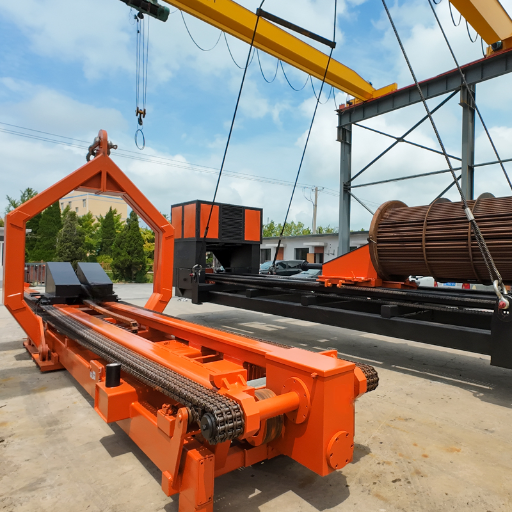
The bundle extractor is a tool that is specifically designed to take out and install the heat exchanger tube bundles in a quick, industrial manner. These tools are the main force behind maintenance and repair activities, making it possible to work on the tube bundles in a safe manner and with a little disruption to operations. The gripping, maneuverability, and safety controls are the main features of a bundle extractor that work together to create a safe and efficient working environment for the operators and the equipment during the whole process. The handling process of tube bundles is made more efficient with the use of these tools thereby reducing downtime and increasing overall workplace effectiveness.
What is a Bundle Extractor?
A bundle extractor is an industrial facility equipment that has a specific purpose in the extraction and insertion process of tube bundles in heat exchangers. Tube bundles are the main parts of heat exchangers and they are used in the processes of petrochemical production, power generation, and oil refining. However, in the course of time, these bundles will need maintenance, cleaning, or replacement because of wear, fouling, or damage. A bundle extractor makes it possible for these operations to be done safely, fast, and with little to no interruption in production.
The new kind of bundle extractors has several advanced capabilities like hydraulic systems that allow smooth and very accurate movement, remote control operation that enhances safety, and compatibility with different sizes and weights of tube bundles. They significantly decrease the amount of manual work needed and also lower the chances of accidents that could happen with conventional extraction techniques. The use of modern technology along with ergonomic design has made bundle extractors an essential tool in the continuous maintenance of industrial plants' operational efficiency.
Applications of Bundle Extractors in Various Industries
Petrochemical Industry
Bundle extractors are the primary tools in this area for the maintenance and replacement of heat exchanger bundles thus securing the efficient processing of petrochemical products.
Power Plants
They are used to manage the tube bundles during the repair and maintenance of the cooling systems, hence ensuring steady production of electricity.
Food and Beverage Industry
These tools are utilized in the cleaning and replacement of heat exchangers that are involved in the food processing and this helps in the maintaining of hygiene standards.
Oil and Gas Industry
Bundle extractors are of great importance in the maintenance of offshore and onshore heat exchange systems that are in very tough situation hence reliability is ensured.
Pharmaceutical Industry
They facilitate the safe and accurate handling of heat exchangers, which are essential for the processes that demand high purity and precision.
Importance of Safety Features in Bundle Extraction
The safety features incorporated in bundle extractors are essential to make sure that the heat exchanger maintenance process does not jeopardize the safety of the workers, the equipment, and the environment. These features reduce the likelihood of problems like workers losing their balance, equipment being overloaded and improper operation. The most common safety mechanisms consist of providing limits on loads to avoid overloading, anti-slip grips to ensure stable footing for the operator, and locking systems that keep the heat exchanger bundles secure during extraction. The more advanced extractors might even make use of full automation and remote control to decrease human presence on the spot, thus increasing safety even more. By giving strong safety features the highest priority, the industries can lower accident rates, keep up their operational efficiency and meet the safety regulations.
Essential Safety Mechanisms in Bundle Extractors
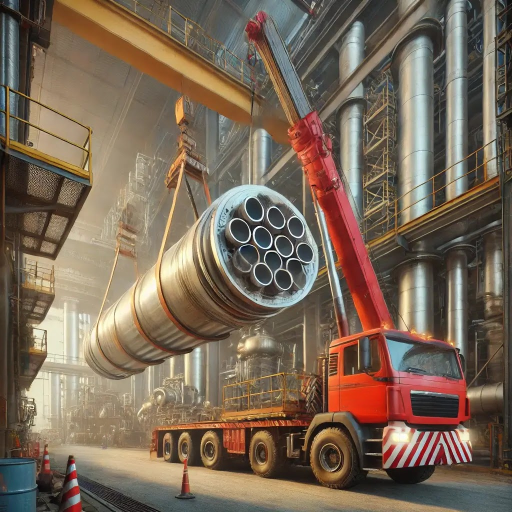
Bundle extractors come with safety features which are crucial for secure and efficient operation. These features include emergency stop buttons that allow for quick intervention, hydraulic systems that are fail-safe and thus do not allow any uncontrolled movement, and pressure relief valves that prevent overpressurization. In addition, prevention of hazards is further accomplished through non-slip areas, clear operator guidance, and automatic controls. Regular maintenance and adherence to safety protocols also guarantee the reliability of these mechanisms.
Advanced Locking Mechanisms
Advanced locking mechanisms in bundle extractors present a new chapter in operational safety and efficiency. Their operation is exhibited through the use of precision-engineered components which securely hold the heavy load while releasing it during the extraction process. Modern mechanisms have automated locking features as their common practice, enabling the operators to engage or disengage locks without direct manual intervention thus cutting down the risk of accidents. To ensure the locks are engaged correctly, sensors and electronic monitoring systems are used which also give real-time feedback to the operators. More so, the materials employed in these locking systems are such that they can withstand immense pressure and wear over a long period of time. With regular maintenance in combination with these advanced technologies, the bundle extractors can operate safely and reliably even in harsh industrial environments.
Emergency Stop Systems
Emergency stop systems are paramount in bundle extractors as protective devices that immediately stop operations in case of any danger. These systems are properly installed in such a way that they can be easily accessed and so the operators can activate them without delay in case of any emergency. They usually consist of large and clearly marked buttons or levers that when activated destroy the power supply to the machine, thus stopping the operation entirely. Emergency stop systems are intended to operate at once, thus cutting down the chances of accidents and losing machines. It is a must do thing to carry out regular testing and maintenance for these systems to secure their reliability and meet the requirements of safety standards.
Overload Protection Mechanisms
Overload protection systems are important safety features in bundle extractors that prevent the machines from malfunctioning and also protect the operators during the non-stopping operations. These systems operate by watching the machinery load all the time, and in the case of the force or weight going beyond the allowed maximum, they analyze it as an overload situation. Therefore when the system detects an overload condition, it will automatically stop the equipment to avoid the destruction of components or the arising of safety risks.
The latest design of overload protection systems usually uses advanced sensors and control systems which allow for accurate load measurement and instantaneous response. These mechanisms are most of the time accompanied by alarms and indicator signals which notify the operators about the problem. Regular calibration and maintenance of these systems is expected so as to keep their effectiveness and reliability. With such advanced safety features built in, bundle extractors are indeed able to operate in demanding industrial environments while ensuring the safety and efficiency of the process.
Essential Features to Prioritize
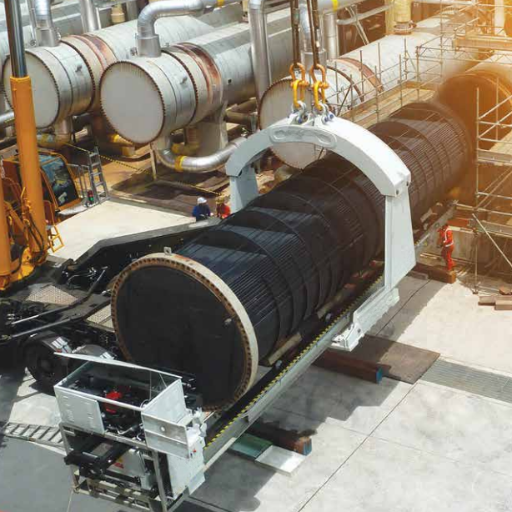
The selection of bundle extractors should be dictated by the incorporation of features that positively impact performance, safety, and reliability. Among these the characteristics are the durable design to withstand strong, heavy-duty tasks, high-tech load monitoring devices for accurate operation, and hydraulic systems that are highly efficient for smooth and controlled movements, to mention but a few. Besides, going for extractors with built-in safety alarms, easy-to-operate controls, and versatility across different industrial applications guarantees flexibility and comfort. Moreover, regular maintenance support, and reliable calibration options are also important factors that will keep the equipment effective and durable in the long run.
Ergonomic Design for Operator Safety
The ergonomic design in bundle extractors is aimed at operator strain reduction and operation safety increase. The main advantages comprise control panels that are adjustable and guarantee the comfort of the operators who can easily control the functions without having to stretch or take up an awkward position. The presence of anti-slip platforms and the positioning of handrails offer stability that would minimize the possibility of accidents occurring. Besides, the use of vibration-dampening is quite common as a way to reduce the physical impact on the operators when they are working for a long time. The ergonomically designed seats and user-friendly controls additionally make the working environment safer and at the same time more productive. These ergonomic improvements are a big factor in the decline of work-related injuries and the increase in the overall operator's health.
Durable Materials and Their Importance
Construction and operation of bundle extractors rely on durable materials, which in turn affirm the three major traits of longevity, safety, and efficiency. Bundle extractors, primarily utilized in the heavy industrial sector, are under harshest conditions. Very strong materials such as industrial-grade steel and reinforced composites are selected due to their excellent resistance to corrosion, heat, and mechanical stress. For example, stainless steel is the most common choice as it is very strong and can even survive the most extreme operating conditions without any wear and tear. The application of such materials not only enhances the life of the machines but also results in less cost and downtime for maintenance.
Moreover, in conjunction with their durability, materials also increase the safety factor of operations. The prevention of accidents and the reliable performance over time are the results of fewer mechanical failures. A modern technology in the field of materials has been the use of coated surfaces and various alloying techniques that have made these machines even tougher. The usage of long-lasting materials is absolutely necessary for the industries that depend on bundle extractors to be able to produce consistently strong and be operationally efficient amid the difficult work environments.
Compliance with Industry Safety Certifications
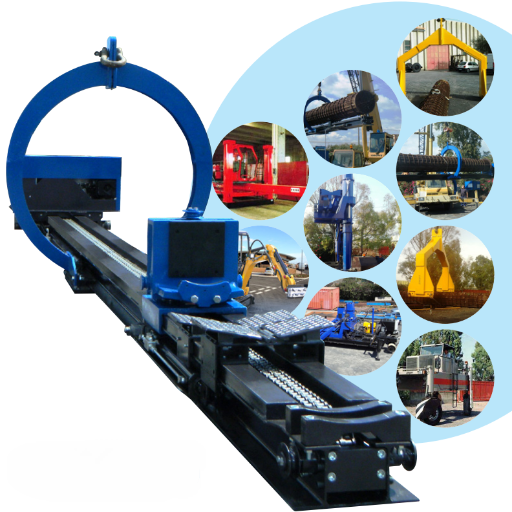
Bundle extractors being a high-risk area machine must meet the safety certifications that have already been established for their operation to be carried out safely and efficiently. The users and manufacturers are assured that the equipment has gone through strict testing for safety and performance by adherence to certifications like ISO 45001 which is for occupational health and safety or CE marking which is for machinery. Bundle extractors having such certifications indicate that they have undergone testing for risk reduction and reliability in their operation. Periodical inspections and compliance with the standards not only bring about safety at the workplace but also create user and customer loyalty.
Industry Standards and Best Practices
The design of bundle extractors is fundamentally based on universal and well-accepted standards of the industry. This practice rendered the standardization of safety, reliability, and efficiency as the key result of the standards. ISO 9001 for quality management, ISO 45001 for occupational health and safety, and CE marking, which signifies compliance with European safety and performance regulations, are the main standards in this field. Proper practices include maintenance routines, operator training on safety practices, and the use of parts specified by the manufacturers as replacements. Furthermore, periodic auditing and inspecting reveal risks that might be out there and help the company stay consistent to its safety and operational standards thus ensuring a superior performance and the trust of the customers.
Overview of Relevant Industry Standards
Safety, reliability, and efficiency are the main aspects that bundle extractors have to comply with, to the most important industry standards. Among the standards that have the greatest influence are ISO 12100, which indicates main points of machine safety, and ISO 13849, which refers to the control systems' functional safety requirements. Besides that, the CE marking directives, including the Machinery Directive 2006/42/EC, among others, should be followed for machines placed in the European Union market. The standards are grounded on preventive measures, appropriate design, and regular upkeep to keep the operators safe and enhance the entire performance. By adopting these good practices, not only it's a compliance issue but also the bundle extractors are still allowed to work under the best conditions with regard to safety and efficiency.
Best Practices for Safe Operation
A random thorough inspection is carried out, which always ensures the safe operation of bundle extractors. The inspection is a very delicate process, where visual wear, damage, deformity, or looseness (even through substantial wear) must be taken into account, as they may at some time in the future cause serious malfunctions. Furthermore, all expert advice and quality instructions are followed to the letter; they are specifically designed for the safe and efficient use of the equipment. Training is another critical element; operators have to know in depth both the machine's power and its hazards. At the same time, personal protective equipment (PPE) is used as necessary and safety devices are kept on throughout the operation. Regular maintenance and repairs have done much to keep the extractors in good shape as well as to prevent breakdowns. By making a reflection on these best practices, I can be very sure that a safe working environment is created and that the safety standards are fully complied with.
Implementing Safety Protocols in High-Risk Environments
It is necessary to adopt a planned way to carry out safety measures in high-risk areas with bundle extractors. Thus, first, a complete risk assessment should be performed, to find out the possible dangers and how serious they are. It is crucial for operators to be extremely well trained in equipment use and emergency procedures to reduce the chance of human error. Make the use of personal protective equipment (PPE) such as gloves, helmets, and safety goggles, which are demanded for use, a rule to protect workers from getting hurt. Mechanical failure and breakdowns should not happen since the extractor will be regularly checked and serviced. High-risk zones should be indicated and protections like emergency stop buttons should be installed to quickly respond to situations. Lastly, make the workplace safe by letting people know about near misses and doing safety audits periodically which will help in making protocols better.
Choosing the Right Bundle Extractor
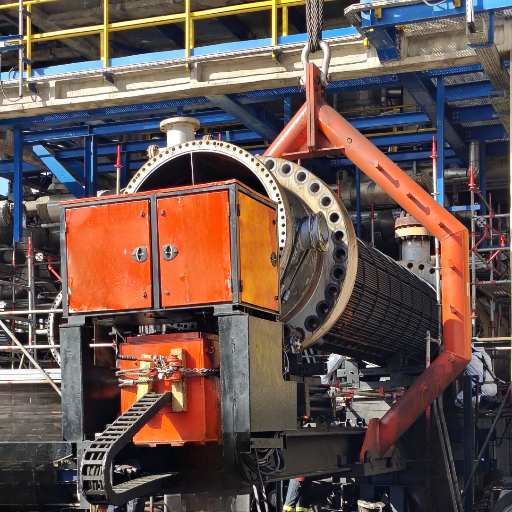
Several factors ought to be considered in the selection of a bundle extractor such as the volume and kinds of materials being processed, the compatibility of the machine with your operational requirements, and its efficiency in the performance of the particular task. The lifetime, service, and power usage of the extractor should be assessed to secure the cost-effectiveness over the long term. In addition, the state-of-the-art safety features and dependable manufacturer support should be at the center of your decision as they will not only enhance the safety of the workplace but also the effectiveness of the operation.
Factors to Consider for Specific Applications
Material Compatibility:
Verify that the bundle extractor is specifically designed to process the materials of your application, which could be textiles, paper, or even more special materials.
Performance Efficiency:
Analyze the machine's speed, the capacity of the throughput, and its ability to manage the volume required for your operations efficiently.
Customization Options:
Extractors that come with adjustable controls or have adaptable architectures that can be shaped according to the application needs should be given the priority.
Energy Efficiency:
The choice that requires the least energy while at the same time delivering the best performance is the one that should be given preference, as it results in operational costs going lower and the environmental impact being lessened.
Ease of Integration:
Extractors should be evaluated according to their compatibility with your existing machines or processes, as this will foster uninterrupted production and eliminate downtimes.
Understanding Workload and Operational Environment
The decision of which bundle extractor to use should first be based on the specific workload that it will support. It would be best to specify the kind, amount, and how often the materials will be processed so that the extractor can fully cover your operational needs. Furthermore, keep in mind the surroundings of the extractor; conditions like temperature, humidity, and room size can affect its performance. Choose a unit that can handle such tough conditions yet still be dependable and efficient. The extractor's ability to match with your workload and environment is the main factor in obtaining the best results and ensuring the longevity of your operation.
Meeting the Unique Needs of Your Industry
Selecting the right bundle extractor is a matter of first getting the specifics of your industry and workflow comprehensively. First, consider the kinds of materials that are going to be processed since the extractors should be able to resemble those goods' properties like weight, density, and fragility. After that, take a look at the frequency of extraction operations—this will provide a clue about the necessary machines' capacity and speed. The majority of the industries prefer energy-saving models as they help reduce operational costs over a period of time. Moreover, the extractors that offer features like precision handling and customizable settings are considered as they would easily adapt to specialized tasks without quality compromise. Still, it is your responsibility to choose a reliable manufacturer who is famous for its support and long-lasting products, since this nearly assures long-term performance that is congruent with the specific demands of your industry.
Reference Sources
Prominent Safety and Health Hazards During Crude Extraction: A Review of Process - This review highlights safety and health hazards in extraction processes, which may include relevant safety considerations for industrial equipment.
Risks Management of Tube Bundle Heat Exchanger in the Petrochemical Industries Using the Risk-Based Inspection Approach - This study focuses on risk management and failure analysis of tube bundle heat exchangers, which is directly relevant to safety features.
Overload Protection and Other Safety Features of a Bundle Extractor - This article discusses critical safety features like overload protection and their importance in bundle extractors.
Frequently Asked Questions (FAQs)
What are the usual safety measures that come with a tube bundle extractor?
In general, tube bundle extractors come with standard safety measures such as the covering of a lot of the moving parts, the existence of emergency stop control, hydraulic or mechanical systems with pressure relief valves, the operation using remote control so that the operators won't get near the work area, and the installations of interlocks that stop unintentional activation. Besides, electric components are mostly in a casing to make less shock risk and there are sensors that detect cylinder overload or hydraulic oil leakage. All these features are the ones that make sure that the operation of the equipment is safe and dependable throughout the process of the tube bundle withdrawal from the shell-and-tube heat exchanger.
What is the relationship between the technical data, design and functionality information and the safety of a tube bundle extractor?
Firstly, the operators are required to go through the technical data and the design and function documentation for the tube bundle extractor to get familiar with the limitation of the capacity, the hydraulic pressure that has to be applied, the stroke of the cylinder and the ratings of the load. gs. The knowledge of working principle, maximum pull force and lubrication intervals prevents overload, minimizes leakage risk and facilitates smooth extraction. Accurate technical data play a major role in proper and safe equipment operation, thus supporting the planning of inspection and maintenance for the equipment which results in its long life.
What should be the operating procedures when it comes to the extraction of the tube bundle from a heat exchanger in a refinery?
The operating procedures should primarily consist of a pre-start checklist which involves the inspections of hydraulic cylinders, tubing, clamps, and electrical components on a regular basis, along with the confirmation of remote control function, isolation of the pipeline and work area, depressurization and purging of the shell-and-tube heater, and installation of the suitable clamp and puller-bundle extractor attachments, and following pull sequences stepwise to prevent jerks. The operators should observe lockout/tagout, use proper personal protective equipment and make sure the automated extraction modes are monitored. In other words, clear operating procedures not only help to minimize the risks for the areas around but also protect the equipment that is being used.
How can inspection and maintenance be carried out in a way that the tube bundle extractor is safe and productive?
Taking care of the tube bundle extractor through regular inspection and maintenance. Check regularly for hydraulic hoses and cylinders leaking, clamps, puller-bundle extractor attachments, and moving parts should be inspected for wear, electrical components and remote control function should be verified, and lubrication should be properly maintained. Worn seals should be replaced, hydraulic oil should be bled and changed as per the manufacturer's recommendations and scheduled maintenance should be followed to keep the equipment running and to prolong its life. Keeping a maintenance log and doing periodic performance tests will ensure that the equipment operates efficiently and safely during removal.
What emergency measures and leak control techniques should be there for hydraulic systems on puller-bundle extractor machines?
The first step in an emergency response plan should be a system emergency stop to halt all operations, the detachment of the hydraulic lines, bringing in absorbent materials for the containment of the hydraulic oil spill, and maintenance staff notifications. Furthermore, the hydraulic oil monitoring must be a part of the plan, where regularly replacing of contaminated oil, sealing and cylinder inspection for leakage are done. The workers must also possess the skill to recognize the signs of hydraulic breakdown and adhere to the operation protocols that involve safe shutdown and reporting. The prompt containment and repair activities not only make the work area safe but also eliminate the risk of environmental or fire hazards in a refinery or petrochemical plant.
Prioritizing safety features in bundle extractors is essential for protecting workers, equipment, and ensuring operational efficiency. By understanding the critical safety mechanisms and following industry best practices, organizations can create safer work environments while maintaining productivity in demanding industrial applications.