
 Chinese
Complying with OSHA (Occupational Safety and Health Administration) regulations is quintessential to ensuring safety and productivity during heavy equipment operation in the refinery environment. Refineries are classified as high-risk sites because of the presence of combustible materials, intricate processes, and heavy machinery, and thus the adherence to OSHA guidelines cannot be debated. This comprehensive guide provides an overview of the major OSHA standards regarding the use of heavy equipment in refineries, while highlighting necessary safety measures, worker training requirements, and inspection recommendations.
Understanding OSHA Requirements for Refinery Operators

OSHA requires the observance of multiple critical standards for refinery operations which are mainly specified under the Process Safety Management (PSM) of Highly Hazardous Chemicals (29 CFR 1910.119). This regulation helps avoid the occurrence of catastrophic events, such as explosions or chemical releases. The following are the main obligations:
Core OSHA Compliance Requirements
Process Hazard Analysis (PHA):Sites are obliged to carry out extensive evaluations to recognize and control the dangers connected with the use of hazardous chemicals and operations.
Employee Training and Competency:Employees operating in refineries must be well-trained in operational procedures, emergency protocols, and equipment use. Regular refresher courses are also required.
Mechanical Integrity Programs:Equipment must be routinely inspected, tested, and maintained to ensure reliability and operational safety.
Emergency Action Plans:A detailed emergency response plan must be built and carried out by the refinery to quickly and effectively handle incidents that might occur.
Compliance Audits:Periodic audits are required by regulations to confirm compliance with OSHA standards and correct any inadequacies.
⚠️ Important Notice: Failure to meet OSHA standards can result in severe financial penalties, production halts, and compromised worker safety.
Importance of Compliance in Refinery Operations
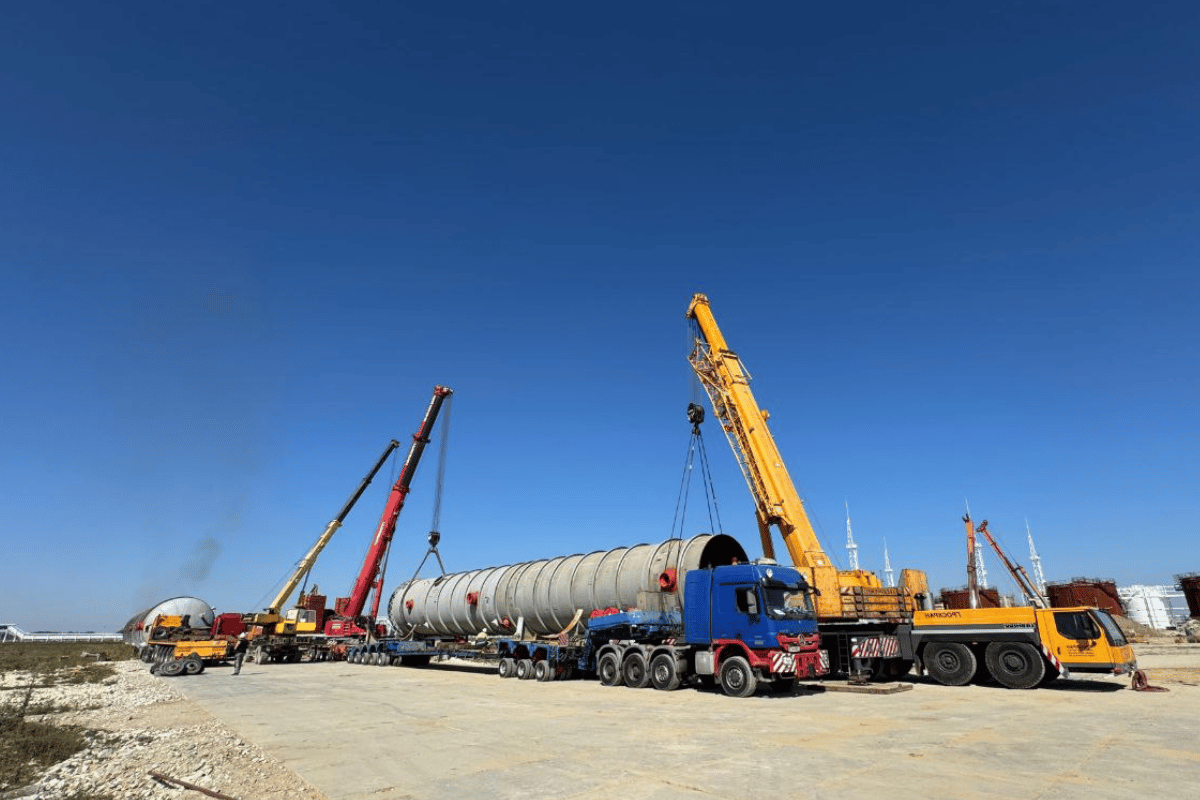
Refinery compliance is the foundational principle that maintains safety, efficiency, and environmental protection in an industry with high danger levels. Commitment to regulations, in addition to being a legal obligation, develops a secure environment by identifying and managing risks. The following sections outline five major aspects where the importance of compliance is evident:
1. Hazardous Materials Management
In environments with volatile and explosive chemicals, compliance ensures proper application of OSHA's PSM standards, preventing chemical releases and securing worker and community safety.
2. Environmental Protection
Full compliance with EPA regulations leads to significant reductions in greenhouse gas emissions, wastewater production, and hazardous chemical disposal, minimizing overall environmental impact.
3. Employee Safety Training
Regularly scheduled safety compliance training equips workers with emergency handling skills. Bureau of Labor Statistics reports confirm that areas with strong compliance policies have lower injury rates.
4. Routine Maintenance & Equipment Inspections
Compliance requires regular inspection and maintenance of critical equipment like pressure vessels and pipelines. Standards such as API 510 and API 570 provide detailed guidelines for mechanical asset safety.
5. Emergency Preparedness & Response
Compliance regulations mandate comprehensive emergency response plans, including fire-fighting systems, escape routes, regular drills, and trained staff for prompt incident response.
Key OSHA Standards Relevant to Heavy Equipment

The Occupational Safety and Health Administration (OSHA) sets forth precise criteria to facilitate secure use of heavy machinery in industrial and construction settings. Recent workplace accident data demonstrates the critical importance of following OSHA standards religiously to reduce incidents related to heavy machinery handling.
Primary OSHA Standards for Heavy Equipment
Compliance Impact: Boosting compliance not only secures worker safety but also reduces downtime and costs related to operational delays or legal penalties from violations.
Common Types of Heavy Equipment Used in Refineries
The selection of heavy equipment types used in refineries is done carefully considering operational efficiency, safety requirements, and environmental protection. Below are the primary equipment categories essential for refinery operations:
1CranesEssential for lifting and moving heavy materials during equipment installation and maintenance. Both mobile and stationary cranes are utilized depending on application requirements.
2ForkliftsAbsolutely necessary for transporting heavy loads such as piping, valves, and other refinery components within the site.
3ExcavatorsPrimary machines for digging and site preparation, also used for trenching and earth moving crucial for pipeline construction or upgrades.
4BulldozersUsed during construction or expansion projects for soil clearing, leveling, and grading operations.
5LoadersResponsible for transporting materials such as sand, gravel, and debris around the site to facilitate efficient construction and maintenance activities.
6Aerial Work Platforms (AWPs)Including scissor lifts and boom lifts, these platforms allow safe access to elevated points for inspection, repair, or installation tasks.
Overview of Refinery Equipment and Its Functions
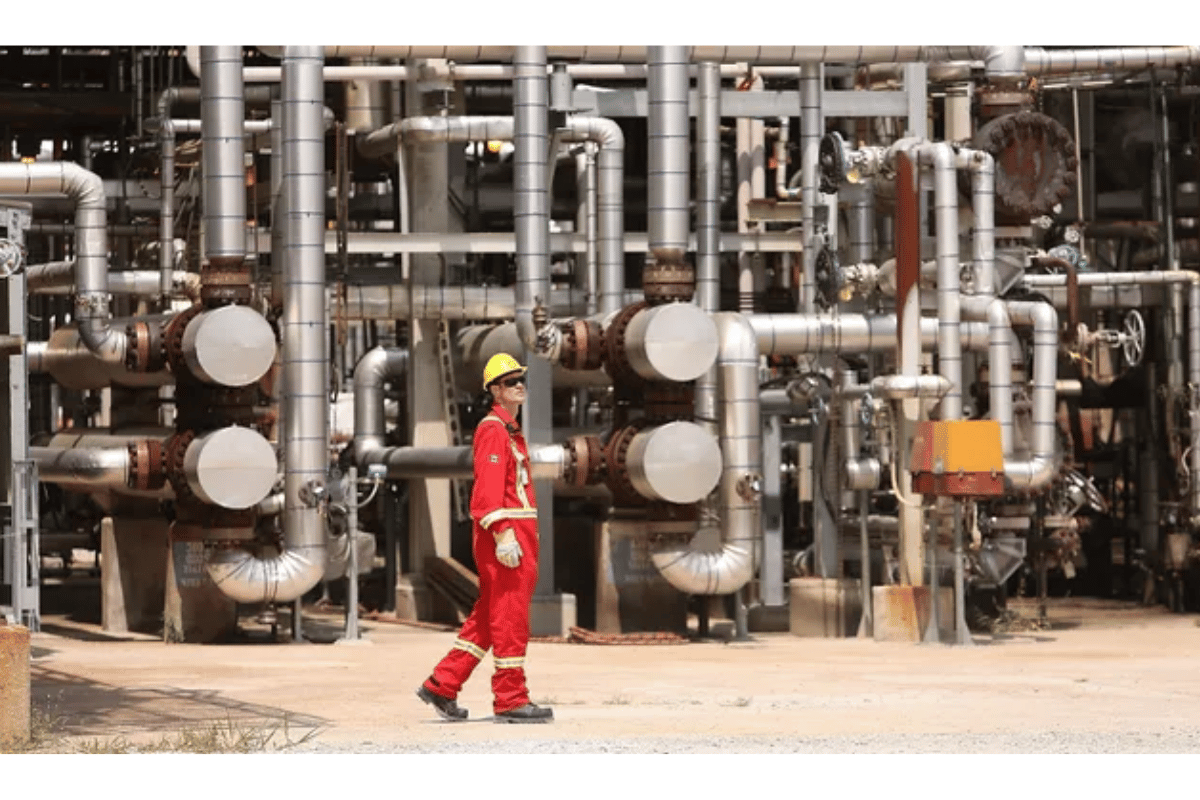
Refinery equipment plays a crucial role in oil refining processes, applied across operations from feedstock preparation to final product distribution. Each equipment category is designed to perform specific functions with maximum efficiency while complying with industrial requirements. The following table outlines major refinery equipment:
Heavy Equipment Operators: Roles and Responsibilities
Heavy equipment operators play a critical role in controlling and supervising machinery used in industrial processes, ensuring safe and efficient operations. Their responsibilities encompass a wide range of tasks requiring technical expertise and strict adherence to safety protocols.
Core Operator Responsibilities
Equipment Operation
Control and supervise machinery including bulldozers, excavators, loaders, and cranes for tasks such as digging, lifting, and material movement
Maintenance & Inspection
Conduct periodic equipment checks and perform minor repairs to prevent operational disruptions
Safety Compliance
Follow safety measures rigorously to avoid injuries and maintain a secure work environment
Team Collaboration
Work together with team members to ensure projects meet specifications and comply with environmental and safety regulations
Safety Protocols for Heavy Equipment Operation
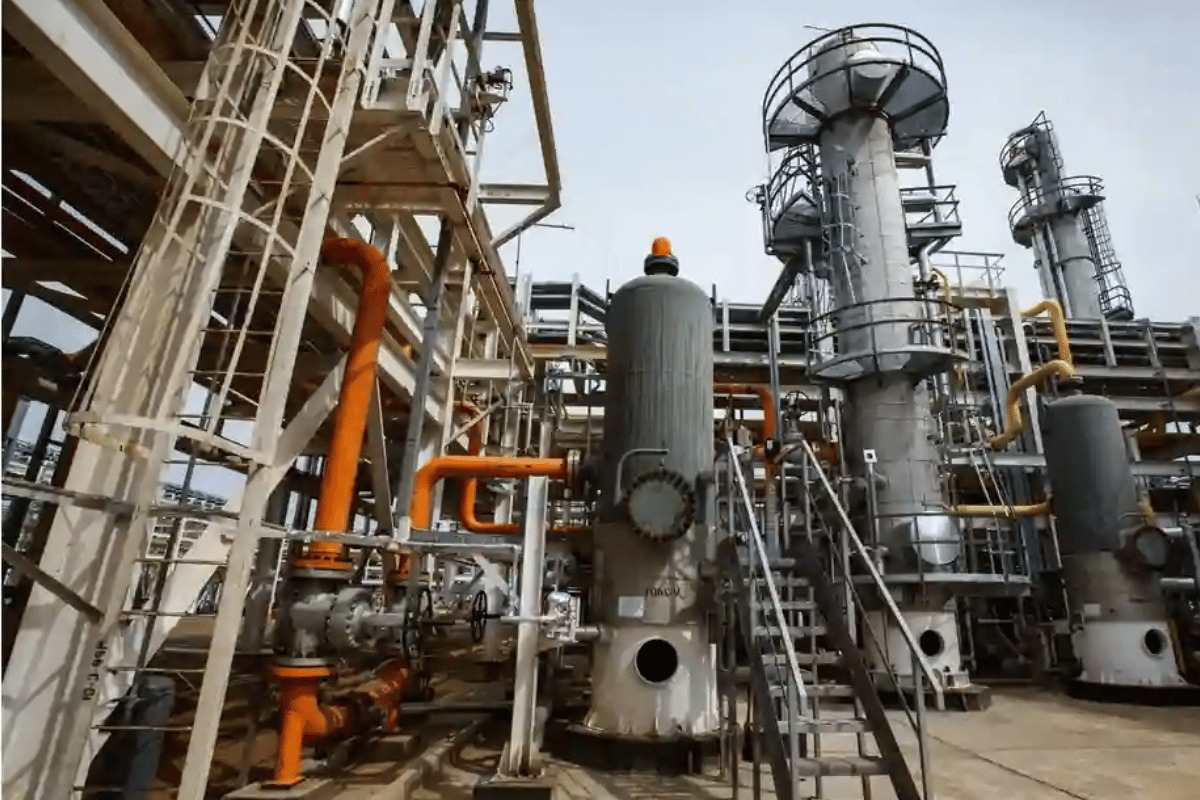
Operating heavy machinery entails strict adherence to safety protocols, which is the only method of dramatically reducing operational risks. The following comprehensive safety precautions are essential for all heavy equipment operations:
Essential Safety Protocols Checklist
✓Pre-Operational InspectionsCarry out thorough inspections of machinery to detect and correct any malfunctions or defects before operation
✓Operator Training and CertificationEnsure every operator is appropriately trained, certified, and well-acquainted with their specific machine
✓Use of Personal Protective Equipment (PPE)Enforce mandatory use of PPE including safety helmets, gloves, boots, and high-visibility clothing at all times
✓Clear CommunicationUse standardized hand signals or two-way radios for clear, uninterrupted communication between operators and ground crew
✓Maintain a Safe Operating ZoneDemarcate and enforce exclusion zones to keep unauthorized personnel away from machinery operation areas
✓Load and Stability AwarenessAdhere to machine load limitations and perform proper balance checking to avoid tipping or loss of control
✓Emergency PreparednessTrain workers on emergency response procedures, including powering down machines and administering first aid
Personal Protective Equipment (PPE) Requirements
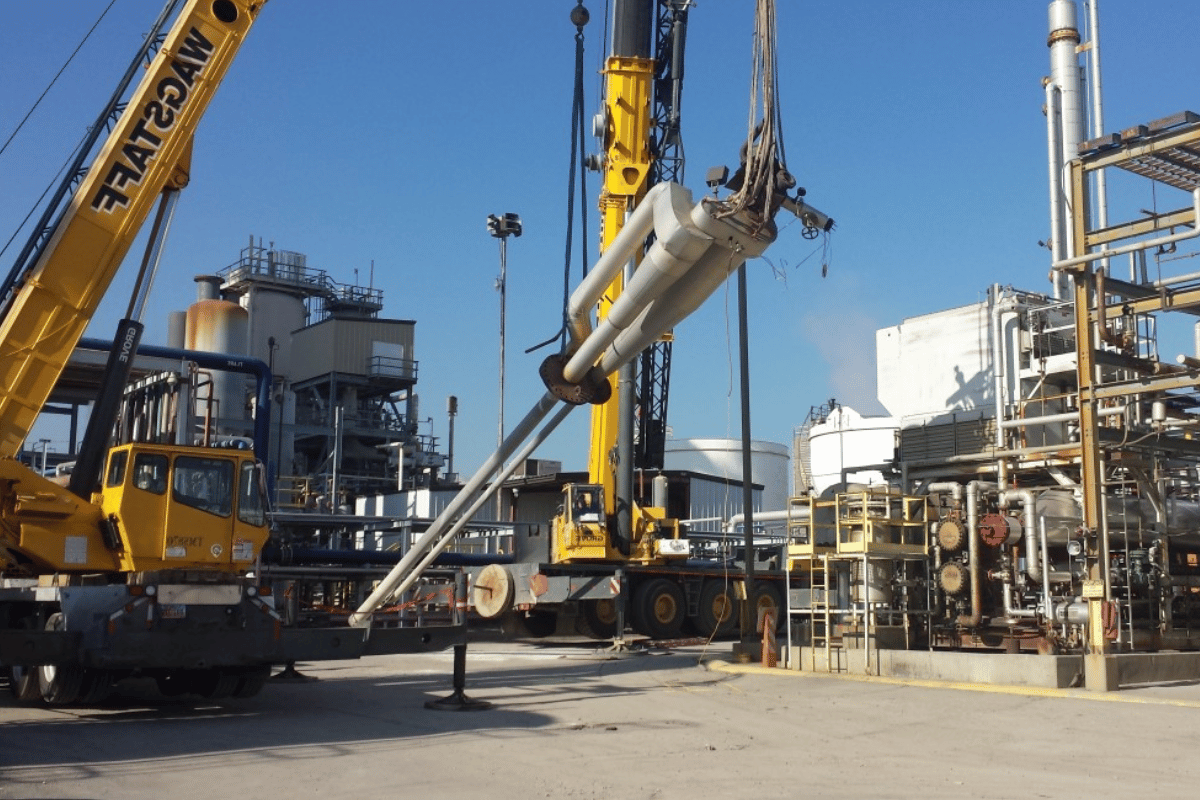
Personal Protective Equipment serves as the primary line of defense against workplace hazards and represents an absolute safety measure for all personnel. Industry practices and current data indicate that PPE requirements fluctuate depending upon work environment characteristics and associated risks. Employers must comply with OSHA and ANSI regulations while conducting regular PPE evaluations to ensure equipment is up to date and provides adequate protection.
Industry-Specific PPE Requirements
| Industry/Environment | Required PPE | Protection Purpose |
|---|---|---|
| Construction & Manufacturing | Hard hats, safety goggles, steel-toe boots, high-visibility vests | Head, eye, and foot protection; visibility enhancement |
| Laboratory Environments | Chemical-resistant gloves, lab coats, face shields | Prevention of hazardous material contact and chemical splashes |
| Compromised Air Quality Areas | N95 masks, powered air-purifying respirators (PAPRs) | Respiratory protection from microorganisms or chemical substances |
Challenges Faced by Heavy Equipment Operators
Heavy equipment operators encounter numerous challenges that can significantly impact both safety and operational efficiency. Understanding and addressing these challenges is essential for maintaining productive and secure refinery operations.
⚠️ High-Risk Operational Environments
Operating machines on rough terrains or in congested areas significantly increases accident risk and requires exceptional skill and caution
⚠️ Operator Fatigue
Extended work periods performing repetitive tasks can dull senses and increase reaction times, creating safety hazards
⚠️ Precision Requirements
Maneuvering large, heavy machines in constrained areas demands exceptional accuracy and concentration
⚠️ Equipment Malfunction
Mechanical failures require operators to quickly diagnose problems and minimize downtime while maintaining safety
⚠️ Balancing Safety and Production
Meeting strict safety standards while simultaneously achieving production goals creates ongoing operational pressure
Identifying Common Operational Hazards
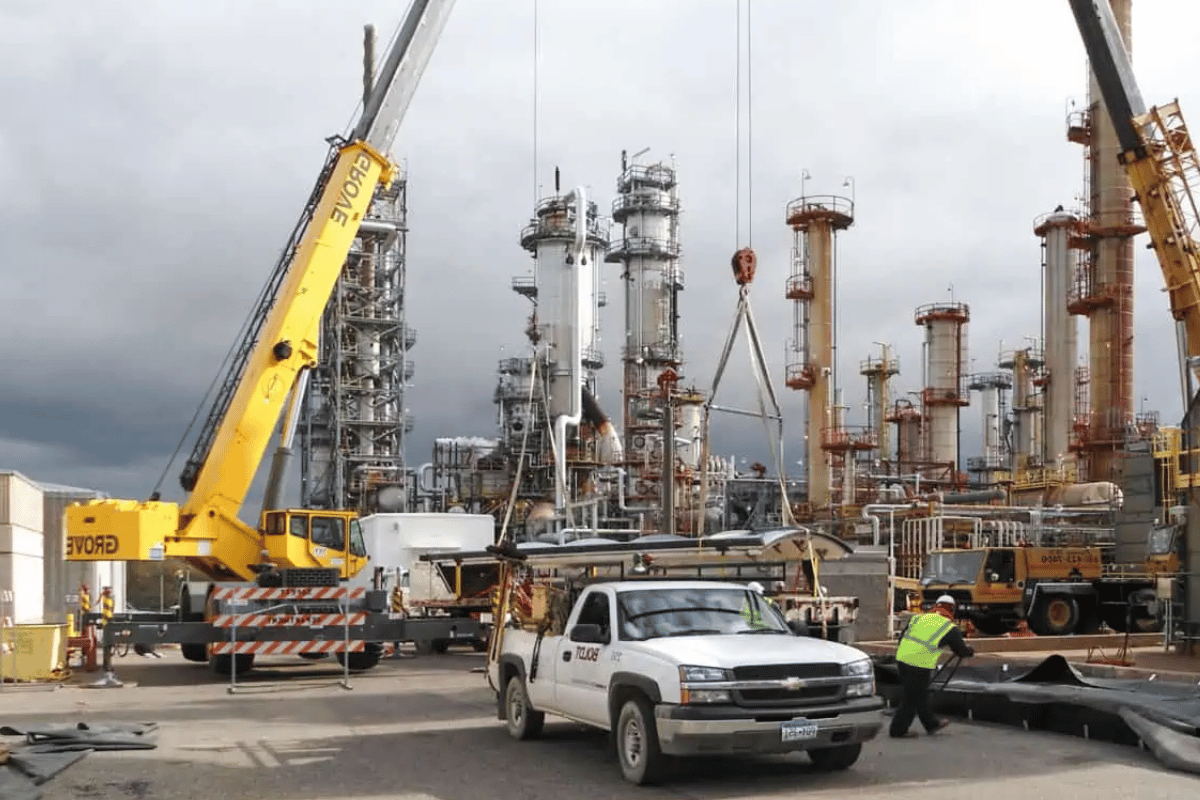
Operational environments, particularly in industries with heavy machinery, present numerous dangers that pose significant threats to worker safety and productivity. According to recent statistics, the following hazards represent the most critical safety concerns:
Primary Operational Hazards
Risk Management Strategy: Regular safety training, protective systems implementation, and constant workplace monitoring are essential for hazard detection and resolution.
Managing Downtime and Improving Throughput
Efficiently managing downtime and enhancing throughput are crucial aspects of operational efficiency, particularly in manufacturing and industrial sectors. The manufacturing sector reportedly loses approximately $260,000 per hour due to downtime, underscoring the necessity of implementing disturbance-free solutions.
Strategic Approaches to Minimize Downtime
Predictive Maintenance
Organizations are increasingly adopting predictive maintenance strategies supported by advanced data analytics and IoT technology
Up to 50%
Reduction in unplanned downtime
Lean Manufacturing
Adherence to lean manufacturing concepts and workflow optimization contributes to higher throughput and consistent machine performance
Optimal
Production speed consistency
Combined Approach Benefits: The combination of predictive maintenance and lean manufacturing principles enables industries to effectively minimize losses while maximizing production output.
Maintenance Best Practices for Refinery Equipment
Maintaining refinery equipment through systematic best practices is essential for ensuring uninterrupted operations, enhancing reliability, and extending equipment lifespan. The following practices represent the industry standard for optimal equipment maintenance:
1Preventive Maintenance SchedulingDevelop and implement comprehensive preventive maintenance programs including frequent inspections, cleaning, lubrication, and replacement of worn-out components to virtually eliminate unplanned downtime
2Condition MonitoringUtilize techniques like vibration analysis, thermal imaging, and oil analysis for early intervention and detection of potential equipment issues
3Adherence to Manufacturer GuidelinesFollow manufacturer recommendations and specifications regarding maintenance intervals, spare parts, and operational limits to ensure equipment longevity and performance
4Effective DocumentationMaintain detailed records of all maintenance activities including repairs, inspections, and equipment performance logs to identify patterns and improve maintenance strategies
5Training and Competency DevelopmentProvide continuous training to maintenance staff to ensure they possess necessary technical skills for safely and efficiently handling complex refinery equipment
Results: By adopting these practices, refineries can enhance equipment reliability, mitigate operational risks, and extend critical system lifespan.
Importance of Predictive Maintenance in Oil Refineries
Predictive maintenance has emerged as a primary contributor to operational reliability and cost savings in oil refineries. Continual equipment monitoring through real-time data gathering and advanced analytics enables accurate early failure detection, significantly reducing costs associated with unplanned outages.
Key Benefits of Predictive Maintenance
| Benefit Category | Impact | Improvement Range |
|---|---|---|
| Downtime Reduction | Ensures continuous production flow without interruption | 30-50% decrease |
| Maintenance Cost Reduction | Solving minor issues before they escalate into major problems | 12-18% savings |
| Equipment Lifespan Enhancement | Minimizes required capital outlay through extended equipment life | 20-40% extension |
| Safety Improvement | Reduces catastrophic machinery breakdowns and liability risks | Significant reduction |
| Energy Consumption Reduction | Supports sustainability objectives and reduces operational costs | 5-10% decrease |
The Role of Technology in Refinery Operations
Technology has become an integral component of modern refinery operations, dramatically enhancing processes in terms of efficiency, safety, and reliability. The integration of advanced technological systems enables refineries to operate at optimal levels while maintaining strict compliance with safety and environmental standards.
Advanced Process Control Systems
Enable real-time production monitoring and automated adjustments for production optimization
Predictive Maintenance Tools
Powered by machine learning to accurately identify potential equipment failures before occurrence, reducing downtime and maintenance costs
Digital Twins & Simulation Models
Allow operators to evaluate different scenarios and improve process outcomes without interrupting current operations
Integrated Data Management Systems
Support decision-making by extracting actionable insights from complex datasets and making them accessible to operators
Advancements in Heavy Equipment Technology
The heavy equipment industry landscape is being transformed by technological breakthroughs that enhance efficiency, safety, and sustainability. Modern innovations are reshaping how industrial operations utilize and manage heavy machinery across all sectors.
Cutting-Edge Technology Integration
Frequently Asked Questions
What are the primary OSHA regulations governing heavy equipment operation in refineries?
Heavy machinery operation in refineries is controlled by several OSHA standards. The primary regulations are specified under 29 CFR 1910 (General Industry) and 29 CFR 1926 (Construction). Key standards include 1910.178 for powered industrial trucks, 1926 Subpart O for motor vehicles and mechanized equipment, and 1910.119 for Process Safety Management (PSM) of highly hazardous chemicals. These regulations require intensive operator training, periodic equipment inspection and maintenance, and safe operating practices necessary for risk prevention in refinery environments.
What safety standards are critical for operating heavy machinery in a refinery?
Beyond OSHA compliance, adherence to industry-specific safety standards is essential. These include guidelines from the American Petroleum Institute (API) and American National Standards Institute (ANSI). Critical practices involve performing daily pre-operational checks, ensuring all safety equipment (alarms, guards, emergency stops) is functional, and clearly marking operational zones to avoid collisions. Site-specific permits, such as hot work or confined space entry permits, are often required before equipment operation in certain refinery areas.
What are the most common challenges associated with heavy equipment use in refineries?
Operators face numerous challenges depending on specific refinery situations. Navigating restricted areas with numerous pipes and fixed structures requires exceptional skill and careful operation. The presence of flammable materials necessitates strict protocols to prevent ignition sources, including use of spark-arresting equipment. Operators must coordinate with multiple teams and follow intricate scheduling to avoid interference with continuous operations. Additionally, balancing safety standards while meeting production goals creates ongoing operational pressure.
What training is required for a heavy equipment operator in a refinery?
Heavy equipment operators in refineries require thorough, equipment-specific training programs. Training consists of classroom instruction and hands-on practical evaluation. Core competencies include equipment controls and characteristics, maneuvering techniques, refinery-specific hazard identification (overhead obstructions, hazardous atmospheres), and emergency procedures. A qualified evaluator must assess trainee proficiency levels. Refresher training and periodic evaluations are necessary to maintain qualification status.
What are best practices for inspecting and maintaining heavy equipment?
Implementing a rigorous inspection and maintenance program is foundational for safe operations. Best practices include: Daily Pre-Shift Inspections checking fluid levels, tire conditions, hydraulic systems, brakes, and safety features; Preventive Maintenance following manufacturer-recommended schedules strictly; Detailed Record-Keeping documenting all inspections, maintenance activities, and repairs for complete equipment history; and Immediate Reporting of any defects or malfunctions with equipment taken out of service until certified safe by qualified mechanics.
How is equipment operation integrated with a refinery's Process Safety Management (PSM) program?
Heavy equipment operation is a main aspect of refinery PSM programs. PSM stipulates that equipment located inside or near process areas where chemicals are handled must be controlled to prevent chemical releases. Key actions include mechanical integrity checks ensuring equipment safety and prevention of ignition source risks. The PSM plan's operating procedures include specific protocols for safe vehicle operation within process units as a significant aspect of overall process safety management.
Conclusion
Understanding and implementing OSHA regulations for heavy equipment operation in refineries is essential for maintaining safe, productive, and compliant operations. Whether you are a refinery operator, safety officer, or equipment operator, comprehending these regulations is crucial for accident prevention, personnel protection, and avoiding costly penalties. By following the compliance steps, safety protocols, and maintenance best practices outlined in this guide, refinery operations can achieve optimal productivity while safeguarding their most valuable asset—their workforce.