
 Chinese
A thorough risk assessment that is of high quality is a prerequisite for the successful running of any bundle extraction project. Due to the very intricate nature of these operations, organizations have to face various hazards like the malfunction of equipment and the safety of workers. This article will present the essential features of a comprehensive risk assessment that has been specifically created for bundle extraction operations. The audience will be taught about the recognition of risks, the assessment of their severity and likelihood, and finally the development of practical methods for their reduction. By the time you conclude this article, you will have built a solid base for the safety, efficiency, and compliance of your operations, which will ultimately ensure your success even in the toughest conditions for a long time.
Understanding Risk in Bundle Extraction
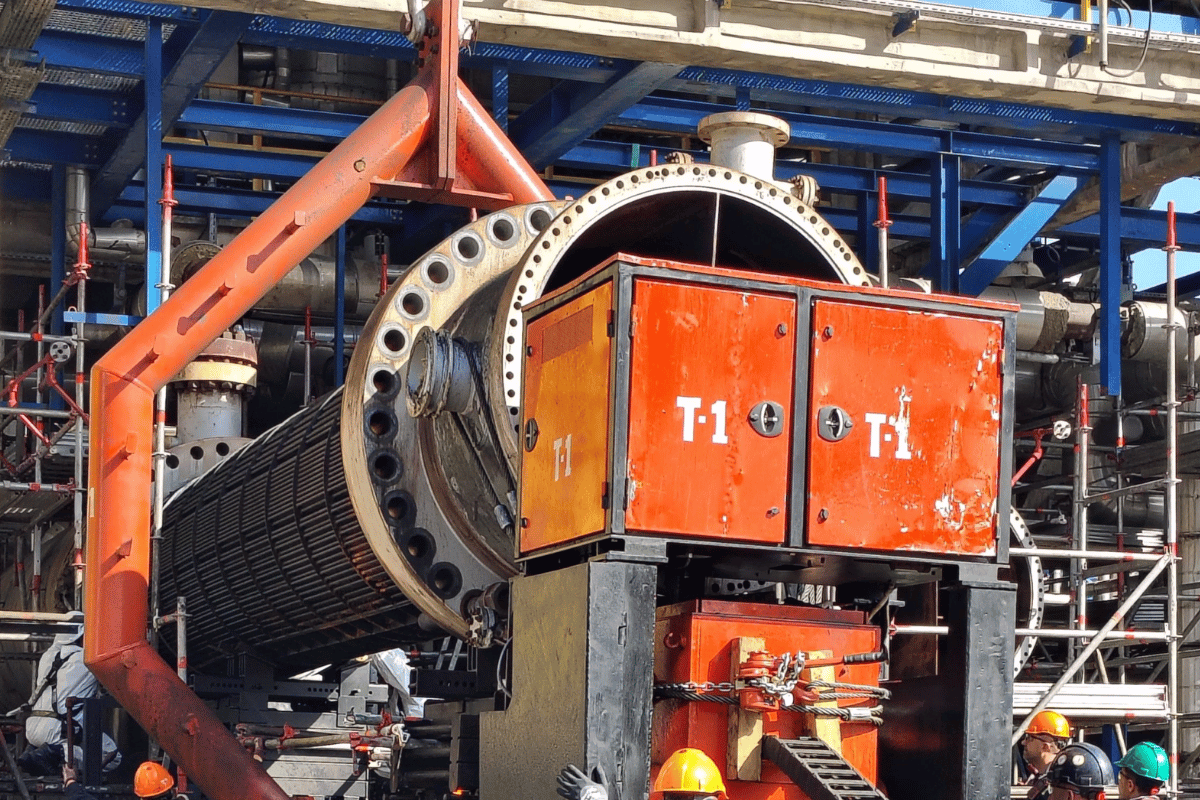
Bundle extraction operations come with a number of risks, which are basically natural, and they can impact safety, the efficiency of operations and even compliance with regulations. The risk factors are mainly: equipment breakdown, the application of incorrect techniques in handling, untrained operator, and among others—extreme temperatures or working in small spaces as environmental issues. Equipment breakdown is mainly due to poor care of equipment or use of very old and worn-out tools; this may cause some accidents or delays. Improperly handling of heavy loads can lead to injuries or damage to the structure, and if the workers are untrained, they might not be able to identify and control the hazards properly. When environmental conditions are not properly controlled, it could worsen the risks and lead to an unsafe situation for the workers and a delay in the project. A systematic approach in recognizing and resolving these factors is necessary to minimize the incidents and to maintain the operational standards.
Defining Risk Assessment in Industrial Operations
Risk assessment is considered a systematic process in industrial operations that helps to identify, analyze, and evaluate hazards that could potentially impact safety, efficiency, and operations' effectiveness. A systematic approach like this not only allows the organizations to recognize the risks but also to take control measures to reduce or even remove their impact. Recent statistics and insights from various sources suggest that risk assessment is still a key practice owing to its capacity to enhance decision-making, guarantee conformity with regulatory requirements, and foster a safety-oriented culture.
Usually, this activity consists of several steps, the first one being hazard identification—exposure to volatile chemicals, equipment failures, or environmental difficulties, etc.—then followed by risk assessment through tools like likelihood-impact matrices or quantitative modeling. The process finally results in the formulation of mitigation strategies that are in line with both the industry's standards and the company's goals, which makes it possible to achieve a safe and sustainable industrial environment.
Importance of a Risk Assessment Template
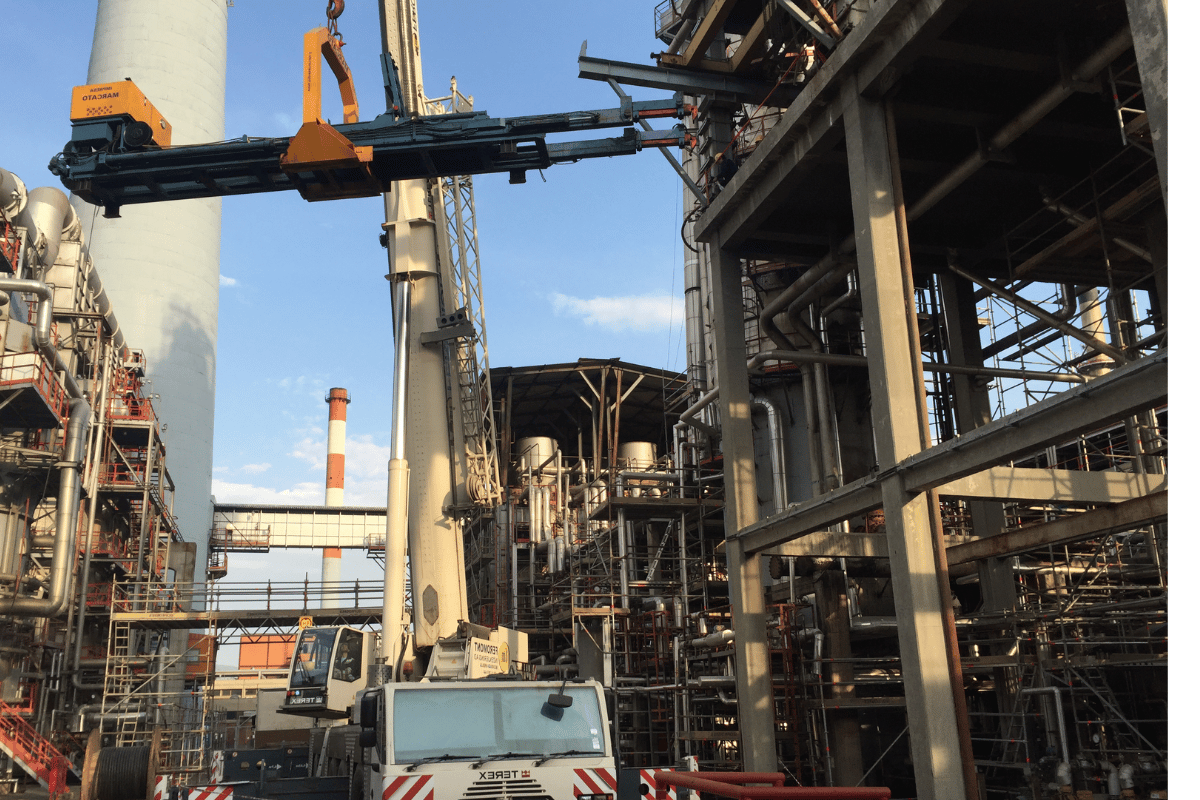
The all-encompassing template form for risk assessment is a key tool through which one can define the industrial operations that are safe and effective. Five key benefits of using a risk-structured evaluation are presented in the following:
1. Enhanced Risk Identification and Uniformity
The template equipped with systematic reasoning for revealing potential hazards and it is quite guaranteed that nothing of importance will be skipped. This consistent method makes the consistency between the different teams and projects' assessments better.
2. Improved Regulatory Compliance
The template is a tool that makes every assessment a legal compliance and at the same time it reduces the risk of legal actions against the company. As an example, following the rules of OSHA, ISO 45001, or other global acknowledged norms can be done effortlessly with proper documentation.
3. Facilitated Decision-Making Through Data Collection
A template categorizes qualitative and quantitative data in a really good way that leads to the imposition of large-scaled analysis and data-based mitigation strategies. For example, getting data about past accidents' frequency can improve the forecasting of incidents.
4. Efficiency in Updates and Iterations
The process of making regular updates to the risk assessments is an easy one to complete the task if the template is utilized. The arrival of new risks or the changes in the operation can be included within no time without the need for a total re-evaluation of the process.
5. Clear Communication and Stakeholder Engagement
The adoption of a commonplace format elevates intercommunication among all affected parties—project managers, safety officers, and outside auditors. The succinct depiction of risks and the corresponding planned controls invites people to understand and work together.
Companies are able to use the thoughtfully created risk assessment template to bring down their risk exposure significantly while at the same time helping the operations to be more efficient and securing their long-term sustainability.
Common Risks Associated with Bundle Pulling
Bundle pulling, a frequent practice in different sectors such as industrial and construction, is accompanied by certain risks which if not handled expertly might create safety incidents and also interrupt the operation. The main concern is mechanical failures, which can occur as a result of equipment that is either very old or has not been well maintained. Such failures can affect the dropping of loads which is a great danger to the people working and to the facility itself. Another major risk is the load imbalance which can lead to unstable conditions that are the main reason for accidents.
Additionally, human errors like improper rigging or lack of inspection before the pulling operation are very much contributing to the overall risk scenario. Natural factors such as inclement weather including strong winds or heavy rains also create difficult conditions for maintaining safety during bundle-pulling operations.
Industry Best Practices
Recent studies and exchange of information within the industry have shown how organizations are managing these risks successfully. They are using technology to predict when a machine is likely to fail and repair it in time so that the machine does not contribute to the downtime, thereby increasing its reliability. Moreover, constantly giving training to the staff on the latest safety protocols has a very positive effect on the reduction of human errors. So, by carrying out risk assessment and implementing strict controls, the companies will achieve a work environment that is safer and more efficient.
Creating an Effective Risk Assessment Template

The primary goal of creating a workable risk assessment template is to establish a tested framework through the hazard identification, evaluation, and mitigation processes. The pool of risks will be organized into a matrix in which the most important and least important ones will be identified and classified according to their impact and probability of occurrence. The template will also include components for documenting control measures, assigning responsibilities, and setting action timelines. Regular review and updating will be part of the process, thus making the template adaptable to the ever-changing operational and regulatory demands. By stating clear procedures in the template, organizations ensure that it can be applied in a variety of situations consistently.
Key Components of a Risk Assessment Template
To make a risk assessment effective, the whole template should consist of several key factors that will help immensely in the process of risk identification, evaluation, and elimination. The factors are as follows based on the latest information and the current practice:
Hazard Identification
This refers to a very detailed and thorough description of the hazards that could occur and might more or less contribute to the risk during the operational process. The scenario includes mentioning the physical, chemical, biological, ergonomic, or environmental strains that are mainly related to the processes or areas.
Risk Evaluation Criteria
Present clear-cut criteria for deciding the hazard's occurrence and the extent of harm it could inflict. Use industry-standard-compatible metrics, for example, employing probability scales (e.g., rare to almost certain) and severity levels (e.g., minor to catastrophic).
Control Measures
The distribution of controls must be in a manner that ranks them as getting rid of the hazard, substitution with a less hazardous material, employing engineering controls, administrative actions, and finally, protective gear for personnel. The recommendations must always emphasize the preventive measures that deal with the root causes.
Responsibilities and Accountability
Assign the duties connected with the formulation, supervising, and evaluating of the control measures. This leads to a clear-cut and responsible approach that is maintained from the top management to the bottom of the hierarchy.
Timeframes for Action
Draw up schedules for the actions taken, assigning urgency to the level of risk determined. For instance, the actions for high-risk hazards that are to be treated as immediate should be detailed.
Monitoring and Review Processes
Outline in detail the mechanisms that will be used to do the continuous monitoring and the new data or incidents that will be included in the risk assessment process. It is possible to enhance the precision and adaptability of the process by adopting data collection automation and predictive analytics.
Documentation and Reporting
Document every aspect of the assessment conducted such as the data and information on the hazards which were found, assessment data, measures taken to remedy the situation, and review outcomes. This not only secures compliance with legal and regulatory requirements but also fosters continuous improvement.
Checklist for Efficient Bundle Extraction Operations
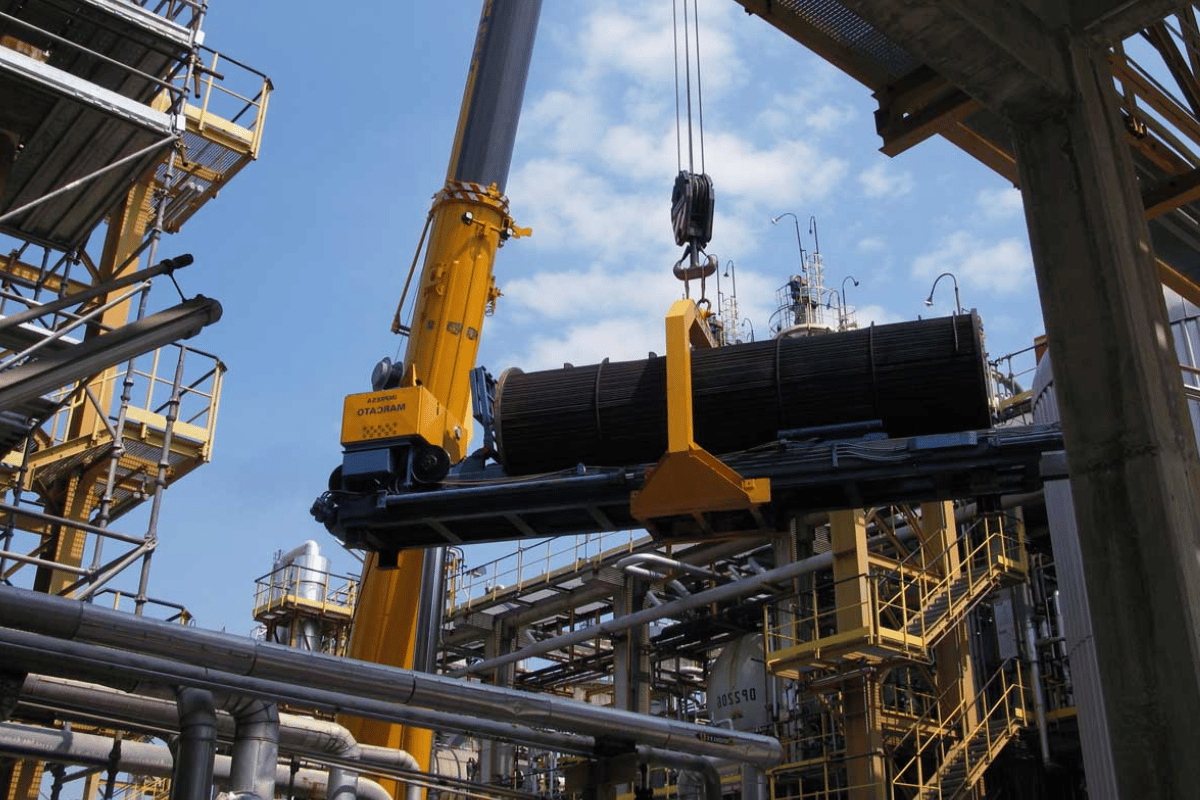
Evaluate Equipment Readiness
All the machines should be calibrated and working properly to avoid downtime in the operations.
Verify Safety Protocols
Safety guidelines should be confirmed in their full implementation, such as personal protective equipment (PPE) being used and standard operating procedures being followed.
Assess Resource Availability
Essential materials, tools, and workers have to be in place in order not to have any interruption in the operation.
Optimize Workflow Design
Consider the process to cut down on the movement of the materials and hence, the bottlenecks.
Conduct Pre-Operation Inspections
Look for any dangers in the work area and make sure the area meets the health and safety requirements set by the government.
Establish Communication Channels
Communication should be made easy among the ones working in the extraction area which will help in organizing the process better.
Documenting and Sharing the Risk Assessment
An orderly process must be adhered to in order to document and convey the risk assessment properly. The first step is to prepare a complete report that gives a detailed account of the risks, their consequences, and the controls that are applied. In addition, the report should include visual aids such as charts or tables to enhance its readability and accessibility. Find out that the report is structured in such a way that the most important issues are given priority, so that the stakeholders can quickly grasp the main concerns.
Afterward, the risk assessment should be securely and collaboratively shared with the teams that require it using platforms like shared drives or project management tools. This ensures that everyone has access to the document and that the feedback is not hushed up. Moreover, a regular cycle of review meetings should be established for the key stakeholders to discuss updates, verify mitigation actions and pinpoint new or heightened risks.
The documentation must be kept in the central repository so that it can be easily accessible and updated regularly for monitoring purposes to track any changes in risk scenarios or operations. Effective and transparent communication is crucial in keeping the organization informed and prepared.
Safety Standards for Bundle Extraction Operations
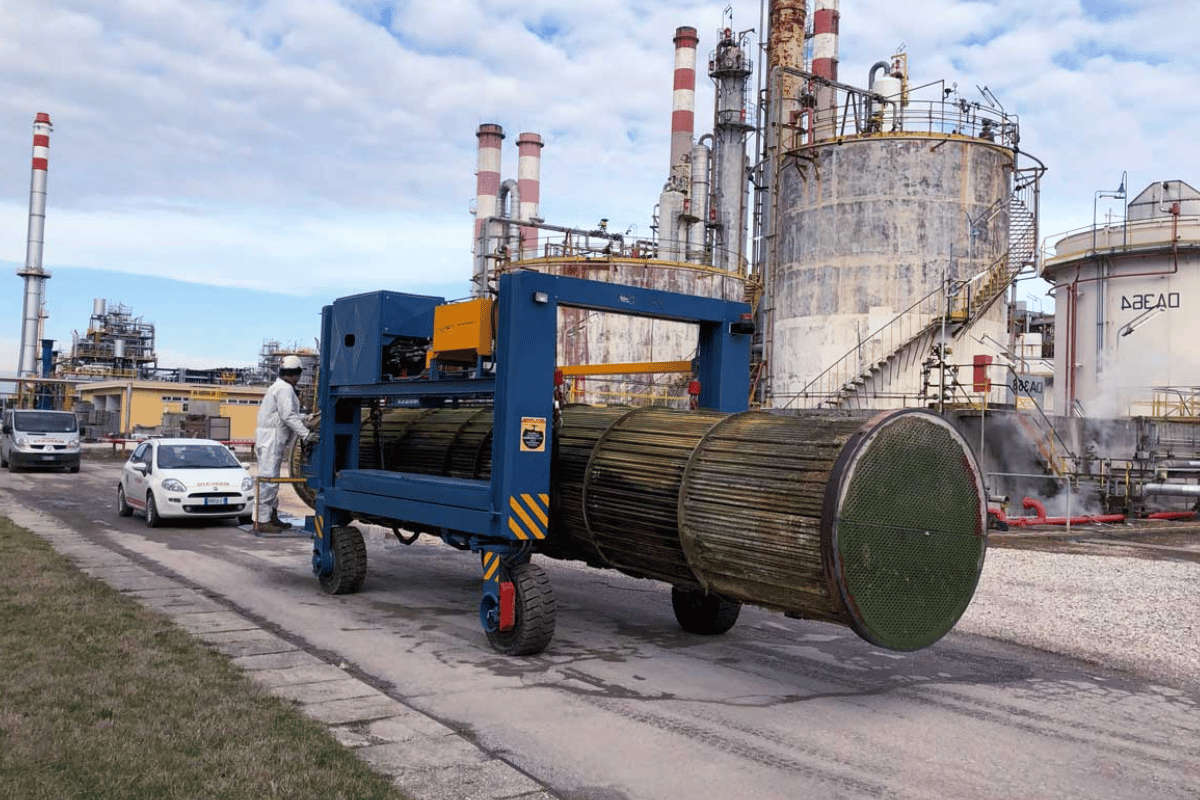
To a great extent, safety of the bundle extraction activities relies on adherence to the fixed protocols and guidelines that are meant to reduce risks for the operators as well as for the machines. Those protocols and guidelines are approved for use in the particular countries or regions. Among safety measures, the following are the major practices:
1. Pre-Operation Inspection
The inspection of every single piece of equipment is to be carried out thoroughly with the purpose of confirming that it is functioning properly and there are no hazards that could affect the operation. Then, all tools, machines, and safety systems should operate according to given standards.
2. Personnel Training
Make it a point that each and every one of the staff is well-trained in the extraction process, the equipment operation, and the emergency response plans. There will be regular refresher training organized in order to maintain the necessary skills.
3. Use of Protective Equipment
The wearing of the personal protective equipment (PPE) such as helmets, gloves, safety glasses, and steel-toe boots plus other items that are appropriate for the job conditions are mandatory for workers who are taking part in the extraction process.
4. Hazard Mitigation
Risks to the site and operation that could come from unstable structures, confined spaces, or hazardous materials should be located and eliminated. If there is a concern about contamination or further damage to the structure, then go ahead and use containment techniques.
5. Communication Protocols
By having clear communication channels that will allow all team members to coordinate their actions during the operations, you will be able to communicate effectively. In very noisy places, you can use hand signals or walkie-talkies to communicate accurately.
6. Emergency Preparedness
A specific emergency response plan for bundle extraction should be developed and rehearsed. Assign roles and responsibilities so that the response to unexpected events will be quick and efficient.
7. Compliance with Regulations
Adhere to all applicable regional, national, and international safety regulations for bundle extraction operations to make sure safety and legal compliance.
By implementing these safety standards in the daily operations, risk factors will be perfectly managed and consequently, both workforce and infrastructure will be protected from any harm.
Regulatory Requirements and Compliance
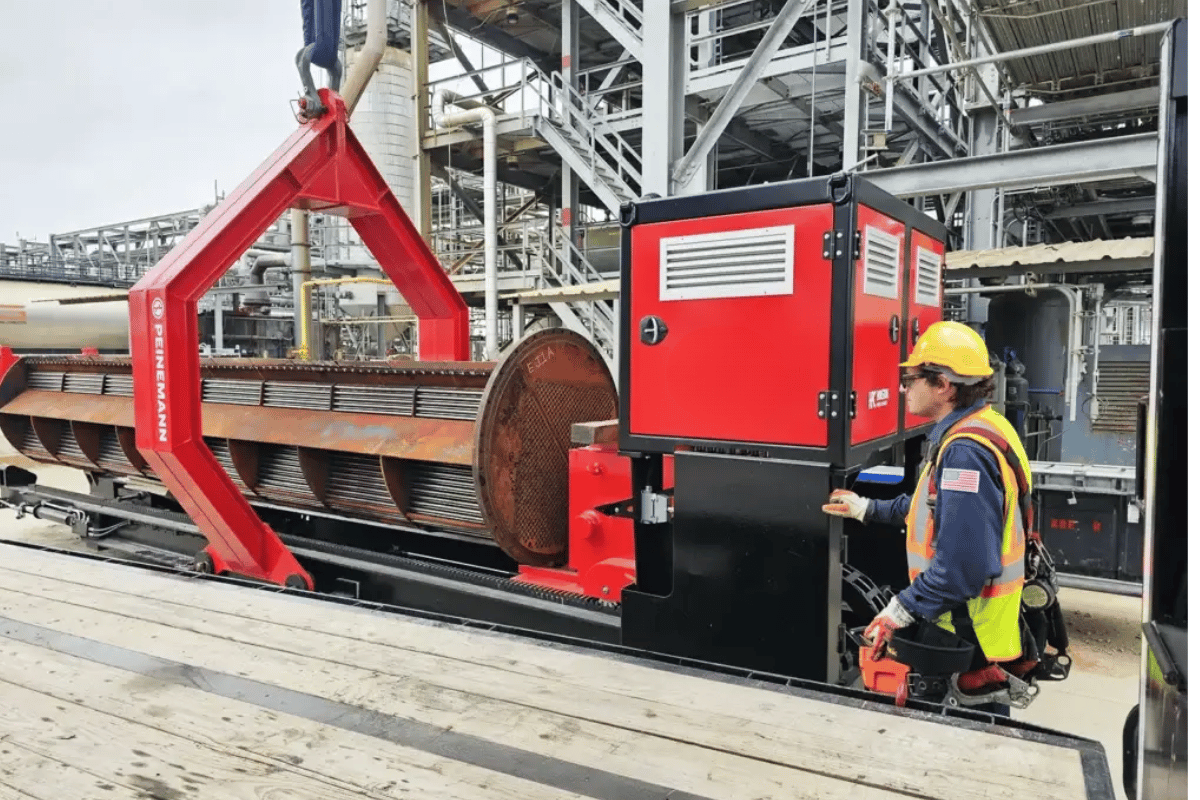
In most cases, compliance with regulations is a way of ensuring the safety, legality, and efficiency of the business. Companies are to recognize and obey the applicable regulations, like OSHA guidelines, workplace safety, ISO standards, and any local laws that regulate the extraction and treatment of materials. Regular audits and record-keeping are very important to prove compliance and to quickly spot any shortcomings. Besides that, training programs for employees should be put in place to guarantee that staff members are fully aware of and can work according to the rules. Compliance is not only a way of reducing the risks associated with litigation but also a way of establishing safety and accountability as an organization-wide culture.
Implementing Safety Protocols in the Workplace
Training and Awareness for Risk Management
The cornerstone of risk management that works is the training provided to all staff and their constant awareness. Training programs should be tailored in such a way that the specific risks present in a certain place are taken into account, thereby enabling every employee to understand not only the dangers but also the measures that have been introduced to deal with them. The use of the most recent data and trends can have a very positive impact on the relevance and effectiveness of the training materials. Through the adoption of up-to-date resources, organizations can prepare their personnel to deal with new risks in a preventive way, thus establishing a cycle of constant improvement and alertness in their risk management practices.
Step-by-Step Risk Mitigation Strategies
Step 1: Identify Potential Risks
A thorough risk assessment should be performed to find the weaknesses, dangers, or possible threats. The use of such tools as SWOT analysis or risk matrices will help not only to make things clear but also to put the most important risks first.
Step 2: Evaluate Impact and Likelihood
Each of the risks identified will be analyzed, measuring firstly its potential impact and then the likelihood of it occurring. This way, the risks that need immediate attention will be prioritized.
Step 3: Develop Mitigation Plans
Create targeted, practical methods to eliminate or reduce the risks that have been classified as top priority. Among others, these plans can involve establishing controls, amending policies, or investing in technology that prevents the risk.
Step 4: Implement Control Measures
Carry out the risk reduction plans within established procedures, and apply measures such as staff training, automating processes, and conducting routine system checks.
Step 5: Monitor and Review Regularly
The effectiveness of the controls put in place should be monitored continuously. As soon as new risks come up or the organization's objectives change, strategies should also be modified or updated accordingly.
Step 6: Foster a Proactive Risk Culture
Create an environment in which everyone in the organization is knowledgeable about risks and sees their role in risk management. Besides, maintain clear communication, and provide access to information regarding risk-related matters and people's responsibilities.
Conducting a Thorough Risk Assessment
A comprehensive risk assessment must take a wide, data-driven approach to identify, assess, and prioritize the potential hazards that could affect a company. Companies that incorporate the latest data analytics instruments and resources can maintain an up-to-date awareness of the emerging risks and the issues that are irritating them, in a way similar to the old-fashioned risk management approaches. Organizations can then notice abnormal patterns, analyze the external factors that are impacting their businesses, and predict the future vulnerabilities.
For example, analyzing search engine data can indicate which cyber threats are on the rise, such as an increase in phishing attacks directed toward specific companies or regions. Therefore, if risk assessors take this information into account, they are able to precisely outline their threat modeling and the sequence of countermeasures to be taken. The combination of traditional risk assessment methods with actionable data intelligence ensures that the evaluation will be dynamic, contextual, and most importantly, it will be able to withstand and address the changes in risks promptly.
Identifying and Assessing Risks in Heat Exchanger Maintenance
The process of identifying and assessing risks during the maintenance of heat exchangers should not only be very effective but also rather be heavily based on understanding the possible hazards, the system's weaknesses, and data usage. The risks that are often found in heat exchangers are mainly the fouling, the corrosion, the cooling inadequacy and the failure of the structure. Data has it that the sectors usually face the problem of maintenance being stopped unexpectedly due to the bacterial growth or scaling not being detected suggesting the necessity of predictive maintenance.
There has been a clear rise in the number of searches for solutions to stress corrosion cracking or material fatigue in heat exchangers during the last few years in the energy-consuming industries. The developments imply that maintenance should be done in accordance with the modern monitoring technologies, which enable the equipment's condition to be tracked in real-time and any anomalies to be detected at an early stage. The organizations can transform their risk management process into being more predictive, proactive, and tailored to the specific demands of heat exchanger maintenance by accessing the actionable insights from such data.
Updating the Risk Assessment Template Regularly
To maintain the risk assessment template as an effective and relevant tool, it is of utmost importance to frequently feed it with real-time data, alterations in the industry standards, and technological advancements. The constantly changing character of potential risk factors such as the disintegration of materials, the climate, or the requirements of the operations makes it necessary to continually improve the template. Organizations, equipped with the latest data-driven tools, will be able to pinpoint the risks and practices that are the best to follow. For instance, the shifts in search data can unveil new compliance regulations, novel maintenance practices, or the market with the highest occurrence of failure points. The intelligence gained from this can help the risk assessment framework not only to stay abreast with the present conditions but also to promote a more enlightened and evidence-based method of handling the risks.
Managing Risks during Bundle Extraction
When it comes to the extraction of bundles, risk management should be based on two pivotal factors: preparation and execution. A thorough risk assessment should be the first step in the process in order to recognize the hazardous areas of working, like, for instance, the failure of the equipment, unstable load conditions, or human faults. Training must be provided to all the people involved, and operational procedures should be made perfectly clear to them. A lifting device with an appropriate rating must be used, and it should undergo thorough checking before each use. Communication among the members of the team should be clear throughout the extraction and thus coordination and awareness of the situation would be guaranteed. Finally, safety barriers and protocols should be set up as the means of minimizing the risks to the nearby staff and machines with the controlled and secure environment being the main priority at all the steps.
Utilizing Mobile Solutions for Risk Management
Mobile solutions have brought considerable improvements to risk management functions through fast data collection, analysis, and reporting mechanisms. The organizations that have embraced mobile technology can carry out inspections, report incidents, and identify hazards in a much quicker and more accurate manner. The development of mobile applications has reached such a level that they are now entirely compatible with cloud-based systems thereby enabling the field personnel to access the required data. For instance, geolocation is one of the features that is aiding the company in accurately locating hazards and assets, while sending out automated notifications is how the company is keeping all the stakeholders informed about the potential risks. The system is even capable of generating actionable insights by sifting through vast quantities of contextual data. Such integration empowers companies to not only recognize new risks but also mitigate them in advance, thus creating a work environment that is safer and more productive.
Best Practices for Managing Risks in Manufacturing
1. Enforce Regular Safety Audits
Through carrying out of consistent and extensive safety audits, the potential threats can be recognized and eliminated before they get worse. Manufacturers' surveys reveal that the monthly audits would allow the companies to reduce their accidents by up to 25%.
Make use of checklists that are the same for everyone and bring in people from different departments so that no part of the evaluation is missed.
2. Install Next-Generation Monitoring Systems
The synergy of IoT sensors combined with predictive analytics tools paves the way for the continual monitoring of machines' performance and the environment's condition. One of the findings is the predictive maintenance, which can lead to a 30% reduction in unexpected downtimes and a safe and reliable production area through the extended life of the machines.
3. Allocate Funds to Employee Training Programs
The default setting for a safe workplace is continuous training on operational safety, compliance, and risk management of all personnel. Research indicates that well-trained staff are 40% less likely to be involved in accidents at work.
The good training programs will include a lot of hands-on workshops, digital simulations, and role-specific refresher courses.
4. Make Supply Chain Visibility Better
A clear view of the supply chain allows you to identify the weaknesses like delay, quality issues, or the risk of non-compliance. According to Deloitte, manufacturers with open supply chains can, through non-exposure to risk, reduce their exposure by as much as 70%.
Implement digital tracking systems to make sure that every step is accountable.
5. Create Strong Emergency Response Plans
A well-thought-out emergency response plan that involves precise instructions and resource allocation will ensure that the right actions will be taken immediately in case of emergencies. OSHA says that manufacturers with a well-organized emergency response plan will take 50% less time to recover.
Furthermore, these plans should be regularly reaffirmed through drills and scenario-based exercises.
Evaluating the Effectiveness of Risk Mitigation Strategies
The assessment of the performance of risk management techniques through a systematic method, which will highlight the strengths and weaknesses, is the first action to take. In this regard, perform an analysis of the key performance indicators (KPIs) that are directly associated with the established safety and operational objectives. Regular audits and reviews of data enable organizations to ascertain adherence to the prescribed protocols and evaluate the effectiveness of the strategies that have been put in place. Moreover, reaching out to staff and stakeholders for their opinions helps spot the shortcomings and fine-tune the workflows if necessary. By means of continuous observation and adaptation, organizations are capable of making sure that the tactics employed are not only effective but also dynamic enough to cater to the changing risks.
Reference Sources
1. Risk-Based Optimization of Multimodal Oil Product Operations Through Simulation and Workflow Modeling
Relevance: Talks about risk-based optimization techniques that can be used in bundle extraction operations.
Key Insights: Implements Monte Carlo simulations and Fault Tree Analysis as tools to evaluate and lower risks in operational processes.
2. Risk Management of Tube Bundle Heat Exchanger in the Petrochemical Industries Using the Risk-Based Inspection Approach
Relevance: Deals with risk management of tubular bundles, which may be the case with bundle extraction operations.
Key Insights: Identifies local corrosion among others as a failure mode and suggests management strategies via Risk-Based Inspection (RBI).
3. Integrated Risk Assessment for LNG Terminals
Relevance: Proposes a flexible yet rigorous riskassessment method that can be modified according to the requirements of the bundle extraction.
Key Insights: Stress upon hazard recognition, risk assessment, and mitigation strategy formulation.
These references point to avenues of impact regarding methodologies and frameworks that could be used for the bundle extraction operations.
Frequently Asked Questions (FAQs)
What is the main reason behind the necessity of a risk assessment template for bundle extraction operations?
The primary reason is to set up a universal and methodical way of identifying, assessing, and mitigating the risks. That is why the risk associated with bundle extraction is not only dealt with but also the risk related to the assessment of hazards is made consistent which in turn raises the operational safety, efficiency and compliance with regulations of the operation.
Who is supposed to use this risk assessment template?
The template is meant for the professionals working in the industrial sector like project managers, safety officers, maintenance, and field technicians who are responsible for the execution, planning, or supervising bundle extraction activities.
What are the main aspects of this risk assessment template?
A proper template will contain the following elements:
Hazard Identification: Dedicated section for identifying of hazards such as physical, mechanical, and environmental ones.
Risk Evaluation Criteria: A matrix or scale for assessing the likelihood and impact of each risk identified.
Control Measures: A list of preventive and corrective actions, classified according to the hierarchy of controls.
Responsibilities and Accountability: A clear definition of roles for the implementation and monitoring of controls.
Monitoring and Review Processes: Techniques for the continuous revision and updating of the assessment.
In what ways does a common template promote safety and compliance?
A common template guarantees that a detailed and uniform approach to risk assessment is applied not only to all projects but to all teams. It supports compliance with regulatory standards, such as those of OSHA and ISO, by providing orderly documentation of hazard analysis and control measures. Such an approach greatly reduces the chance of overlooking significant risks and also demonstrates the organization's diligence.
How often should the risk assessment be reviewed and updated?
The risk assessment should always be current like a document that is kept alive. It should be reviewed right before commencing any new bundle extraction project. Furthermore, it should be updated regularly or whenever there are significant changes in equipment, procedures, personnel, or operational conditions that are relevant. Regular reviews ensure that the assessment remains pertinent and active.
What are the risks that happen most often during bundle extraction and how does the template assist in their control?
The template offers a great deal of assistance in dealing with such risks and recognizing them as human error with rigging and handling and the use of lifting equipment. Moreover, it considers environmental hazards such as confined spaces and outdoor weather conditions. By taking these risks into account through a systematic approach, organizations are then able to utilize the strategies that are tailored for the specific risks.
Can this template be altered to meet the specific operational needs of a company?
Yes, for sure. The template is designed in such a manner that it provides you with a thorough base but is also adaptable. It would be beneficial for organizations to customize it according to their particular operational environments with respect to hazards, equipment and regulatory requirements so that the template can be most effective.