
 Chinese
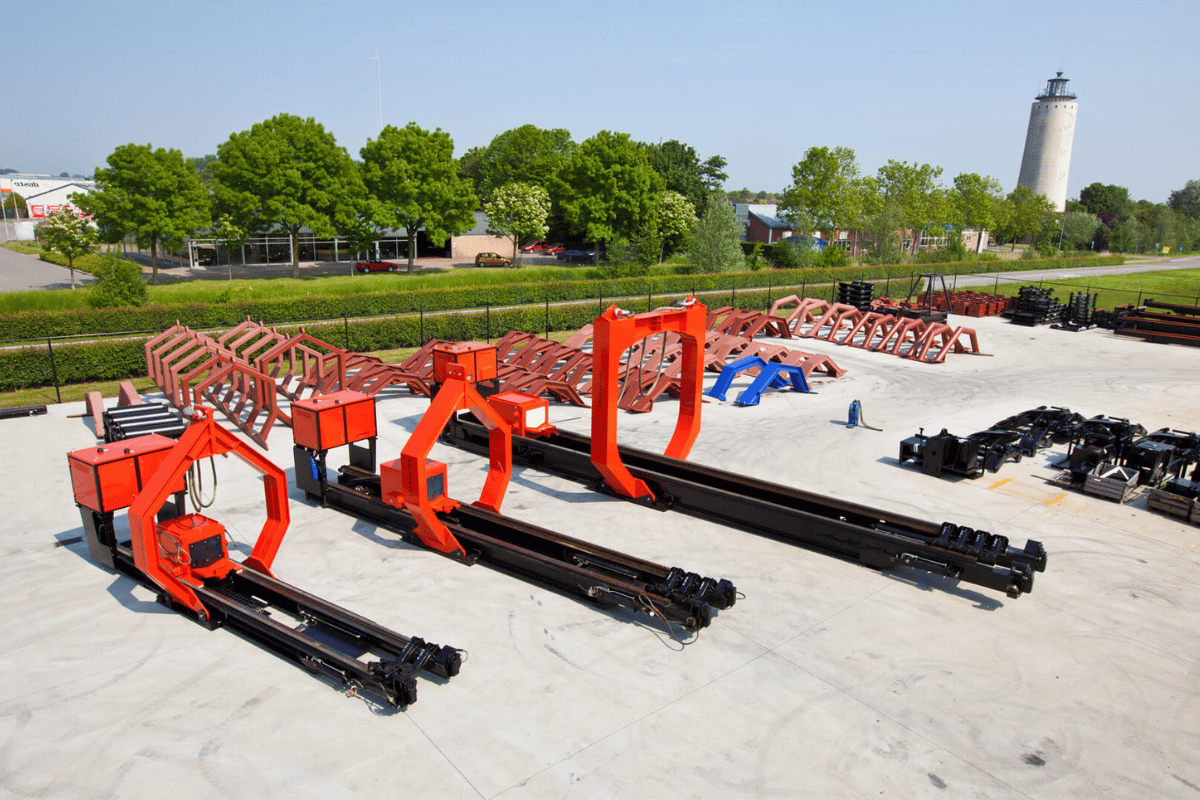
Extractors of bundles are equipment that can be used in places where there is a big risk of catching fire either from sparks or flammable gases. The safety and dependability of these units greatly depend upon the strictest observance of the rules, like ATEX compliance, and the installation of good spark arrestors, among other things. This comprehensive guide explores fire hazards, the essential role of spark arrestors, and how ATEX regulations provide a structure for the safe use in explosive environments. People who are involved in the design, maintenance, or operation of these systems need to know the safety measures because they are important for both operational efficiency and compliance.
The Importance of Spark Arrestors in Industrial Safety
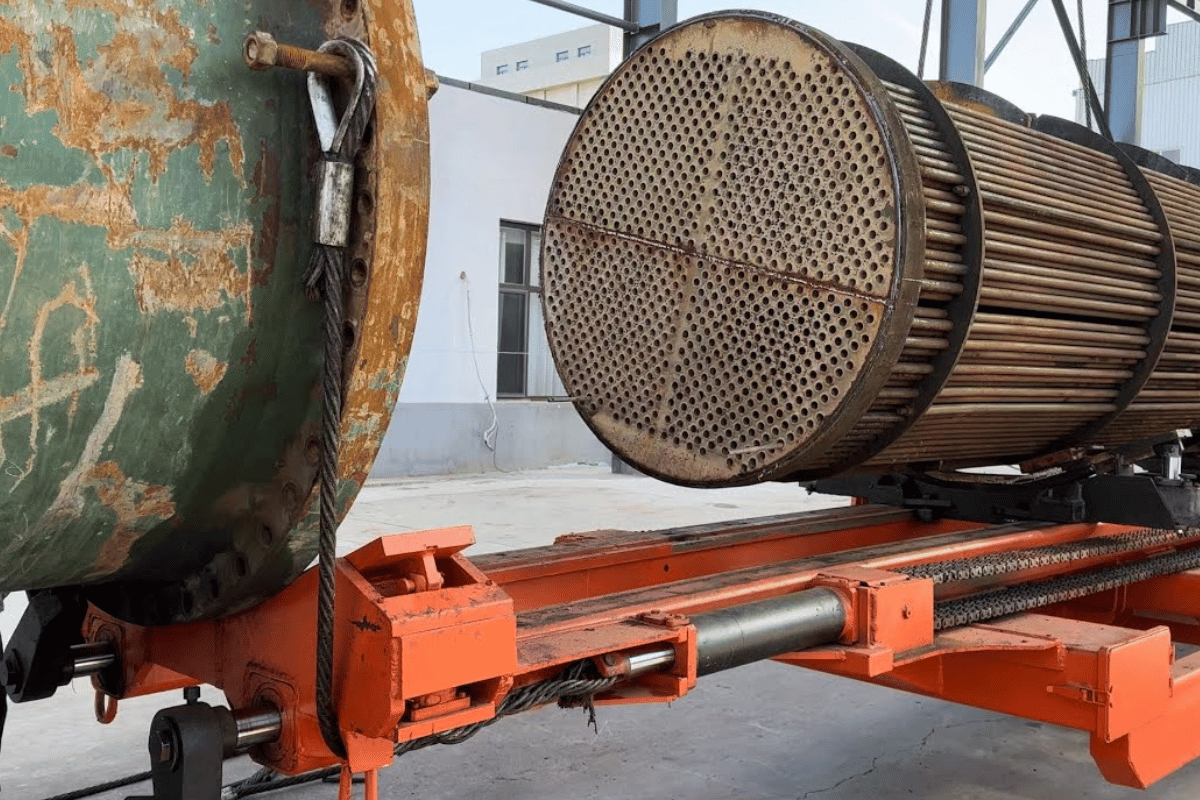
Spark arrestors are primary components in the safety of industries because their main task is to keep the sparks from firing up in the flammable or explosive areas. The working principle of these devices is that they either take in or cool down the hot particles produced by the machines, engines, or exhausts. Thus, the fire or explosion risks are significantly minimized. The application of spark arrestors is a must in mining, manufacturing, and petrochemicals, where the existence of dangerous conditions is given. The installation of spark arrestors would imply that the plants would significantly reduce the fire risk, safeguarding the assets and at the same time, complying with the safety regulation.
Understanding Spark Arrestors
Spark arrestors are essential safety devices in the industrial and commercial sphere, preventing the sparks from igniting and thus minimizing the risk. According to the most recent data, the installation of spark arrestors in high-risk areas, especially in worldwide mining and petrochemical processing, has a significantly positive impact on the reduction of fire-related events.
The contemporary spark arrestors made of the first-rate materials such as stainless steel mesh filters and centrifugal separators can meet even the highest safety standards and improve the reliability of their operations significantly. These devices not only adhere to the regulations concerning smoke and fire prevention but also limit the plant's downtimes as a result of fire or inspections to practically nothing, thereby leading to massive savings in operational costs. It is the technological innovations and the regulatory aspects associated with spark arrestors that keep the site safe from ignition risks efficiently.
The Role of Spark Arrestors in Preventing Fires
Spark arrestors are essential components for minimizing the fire hazard in the industrial and commercial zones. Their operation consists in capturing or firing off the hot particles that get ejected from engines or exhausts, therefore blocking their entrance to the fire risk areas. Spark arrestors fitment gives the freedom to run the machinery in a safe manner along with the plus point of meeting the safety standards set by the regulations that are meant to stop fires.
Types of Spark Arrestors and Their Applications
1. Screen-Type Spark Arrestors
Screen-type spark arrestors operate by utilizing a fine wire mesh that captures the sparks and hot particles in the mesh layer. These devices are mainly used in the small engines that power chainsaws, motorcycles, and portable generators. Their light weight makes them the perfect choice for small applications, while their good performance in trapping sparks is already known. However, they must be cleaned regularly so that the particles do not clog up the mesh, which would negatively affect engine performance.
2. Centrifugal-Type Spark Arrestors
Centrifugal spark plugs extinguishers employ mechanical methods for separating the sparks from the exhaust. They work by creating a whirlpool-like movement of the gases and, in doing so, directing the heavier particles (the sparks included) to the outer edges of the flow where they are collected in a designated area. This type of spark arrestor is perfectly suited for large industrial engines, agricultural equipment, and power generation systems because it can withstand constant high flows of exhaust and is also very durable and effective at the same time.
3. Baffle-Type Spark Arrestors
Baffle-type extinguishers work by using internal plates or "baffles" that serve to change the direction of the exhaust flow and at the same time cool the hot particles down. The cooling action is what minimizes the ignition risk. Such devices are widely used in marine engines and locomotives where fire prevention is a key factor in reliability. The baffles are configured in such a way that they let only a small amount of exhaust back pressure to be created while capturing most of the sparks.
4. Cyclonic-Type Spark Arrestors
Cyclonic arrestors work on the principle of popping the heavy particles and sparks out of the air stream by subjecting them to high-speed spinning motion of the exhaust gases. The particles are directed towards the collecting chamber hence only the clean exhaust is allowed to escape. This type is notorious for being part of mining and heavy-duty vehicles since the presence of blazes is heavily mitigated by their fire suppression techniques.
5. Combination-Type Spark Arrestors
Spark arrestors that take advantage of different arrestor types provide not only high-performance but also more versatile applications. For instance, centrifugal and screen-type designs get combined for applications that need both high efficiency and compactness in design. These are excellent also in locations where the regulations related to fire safety are very strict as in forestry tools and compressors for pipelines.
Industries can easily eliminate fire hazards by using the right type of spark arrestor for each application, thus making compliance with safety standards at the same time and improving operational efficiency.
ATEX Compliance Requirements for Hazardous Environments
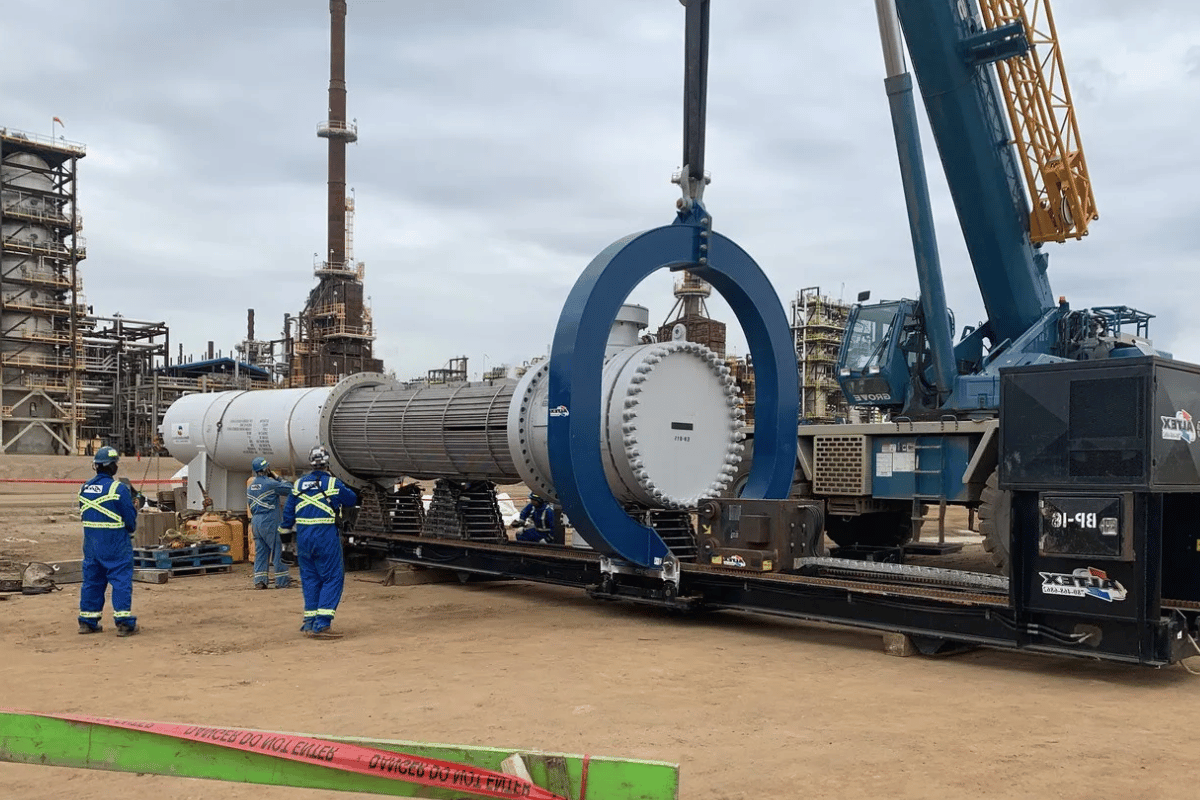
ATEX compliance is mainly a requirement within the European Union. This provision also implies that the equipment supplied is pressure-tested in the same areas where there are potential ignition sources, that is, areas with flammable gas, vapor, or dust.
Key Points to Note:
Classification of Hazardous Zones
The employer should identify and categorize the places where explosive atmospheres might occur or linger with the respective zones for gas, i.e., Zone 0, Zone 1, Zone 2, and for dust, Zone 20, Zone 21, Zone 22.
Equipment Group and Category Determination
The equipment is sorted into two Groups I (for mines) and II (for surface industries) with three levels of risk thus making it consistent with the classified hazardous zones.
Testing and Certification
The entire equipment will be subjected to rigorous testing and then certified as ATEX compliant covering both electrical and non-electrical safety aspects.
Marking and Supporting Documents
The products shall bear specific ATEX markings including the CE mark, Ex symbol, equipment group/category, and temperature class. Furthermore, the product must be backed up by comprehensive documentation that proves compliance.
The use of ATEX-compliant systems that are expertly installed and maintained is the foundation of employee protection, reduction of explosion risks, and compliance with legal safety obligations.
Overview of ATEX Directives
The ATEX Directives are a set of European Union regulations that specifically govern the use of equipment and protective systems in areas where there is a risk of explosion. The ATEX Directives consist of two main parts: the first one is Directive 2014/34/EU, which is concerned with manufacturers, and the second one is Directive 1999/92/EC, which is about workplace safety. As per Directive 2014/34/EU, the EU market is open only for those equipment and systems that pass through a very strict design, testing, and certification process to be considered safe in explosive atmospheres. This directive includes both electrical and non-electrical devices and specifies the Conformity-Assessment Procedures that must be followed along with the requirements of Technical Documentation that is associated with each procedure.
On the other hand, the Directive 1999/92/EC talks about the duties of the employers in relation to the protection of the employees who are in the areas that are at risk of explosion. One of the things that it imposes is a thorough risk assessment, the marking of the explosive zones, the installation of the ATEX- certified equipment, and the upgrading of the necessary safety measures to a level that they can mountain explosion risks.
The Directives play a crucial role in ensuring safety in the oil and gas, chemical, and pharmaceutical industries, while at the same time harmonizing the technical standards across the European Union. In responding to the continuous analysis and technological advances, the regulatory requirements are frequently updated, thus requiring the entities to remain alert and active in their compliance efforts in order to meet both the legal and operational obligations.
ATEX Certification Process Explained
ATEX certification is a multi-step procedure that confirms the compliance of devices and the protection gears for hazardous areas with the essential health and safety demands that the ATEX Directives dictate. The whole procedure begins with an accurate risk evaluation, which primarily concerns the identification of possible sources of ignition in explosible atmospheres. This is the key step since it defines the product's design and manufacture starting point.
After the risk assessment is completed, the manufacturers are obligated to feature in the product design the materials that can counteract the identified hazards and the ones that minimize the identified dangers. These products are then subjected to rigorous testing by a Notified Body, an independent organization that is authorized to decide on compliance. For Category 1 and 2 equipment, the Notified Body carries out an extensive analysis of the design and testing of the equipment. Along with this, detailed technical documentation is also prepared, and it has to include such things as design specifications, hazard analyses, testing protocols and many more.
Furthermore, the entire conformity assessment procedure is comprised of keeping quality assurance checks on manufacturers' production processes to make certain that ATEX requirements are uniformly met. Upon the equipment passing all inspections, the manufacturer is awarded ATEX certification, which is marked by CE and Ex symbols signifying conformance. This certification allows the equipment to be legally sold and used within the European Economic Area.
The entire procedure is also associated with the ongoing management of compliance from the manufacturers' end. They have to prepare a meticulous technical file which they have to keep updated in line with any design changes. Such documentation should be readily available for inspection by the authorities for the duration stipulated in the ATEX Directive thereby ensuring long term accountability.
Manufacturers who keep up with the ever-changing regulatory landscape and who also take in the chimed-in insights from the search trends are able not only to identify emerging risks but also to change their equipment so as to comply with the new standards.
Compliance with ATEX Standards in Industrial Settings
Industrial environments that want to be ATEX compliant can benefit from utilizing the information acquired from search trends and analytics, giving rise to the tackling of the very issues concerning emerging risks and safety measures. One way to do this is by uncovering the most frequent inquiries made about explosion protection, and by taking a look at new trials brought about by different markets worldwide. By analyzing the search patterns, companies can not only see but also feel the worries that people have about certain parts, substances, or compliance methods, and that can be detected through a sharp increase in interest.
For example, if the search data shows a rise in the number of inquiries regarding the certification of the equipment for use in Zone 0 or Zone 1 hazardous areas, then the manufacturers can focus their resources on the examination of their product designs, certifications, and processes that are related to that specific classification. This kind of proactive approach not only ensures that the industry leaders are in compliance with the current ATEX regulations but also makes them anticipate the developments so that they can align their practices with the law and the ever-changing nature of industry challenges.
Benefits of Bundle Extractors with Spark Arrestors
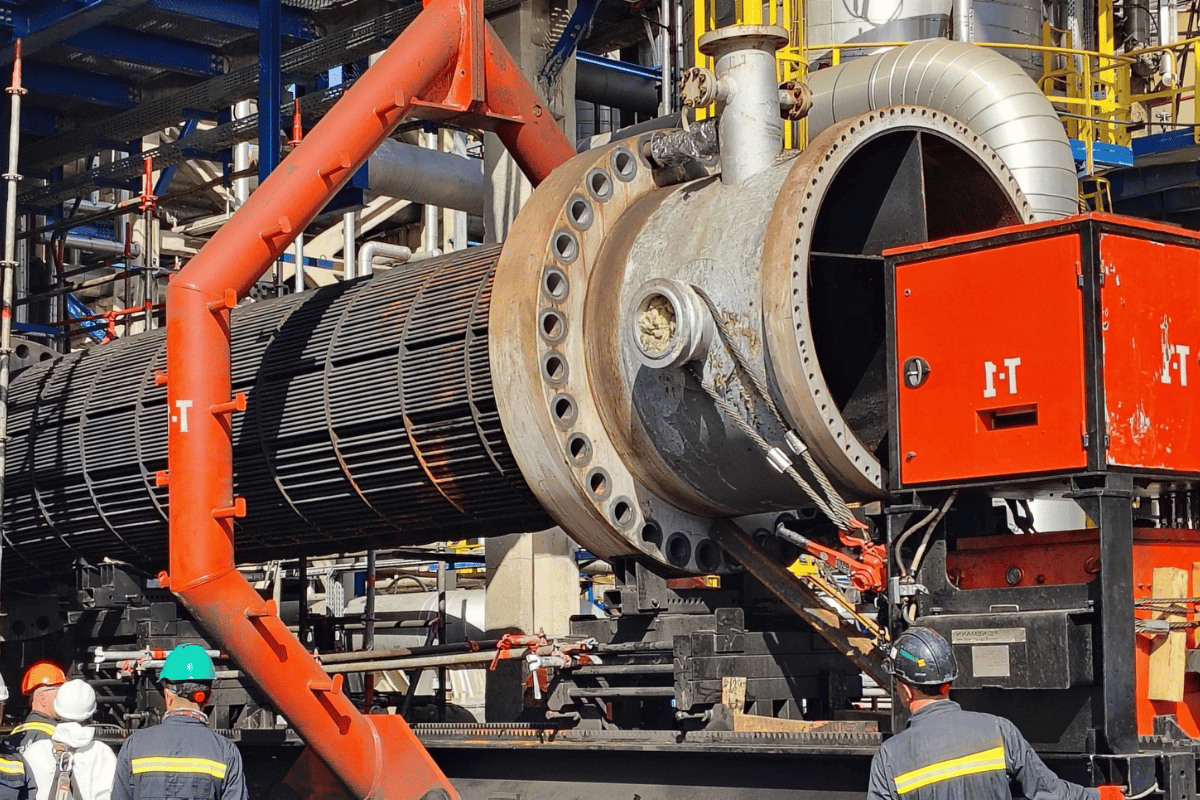
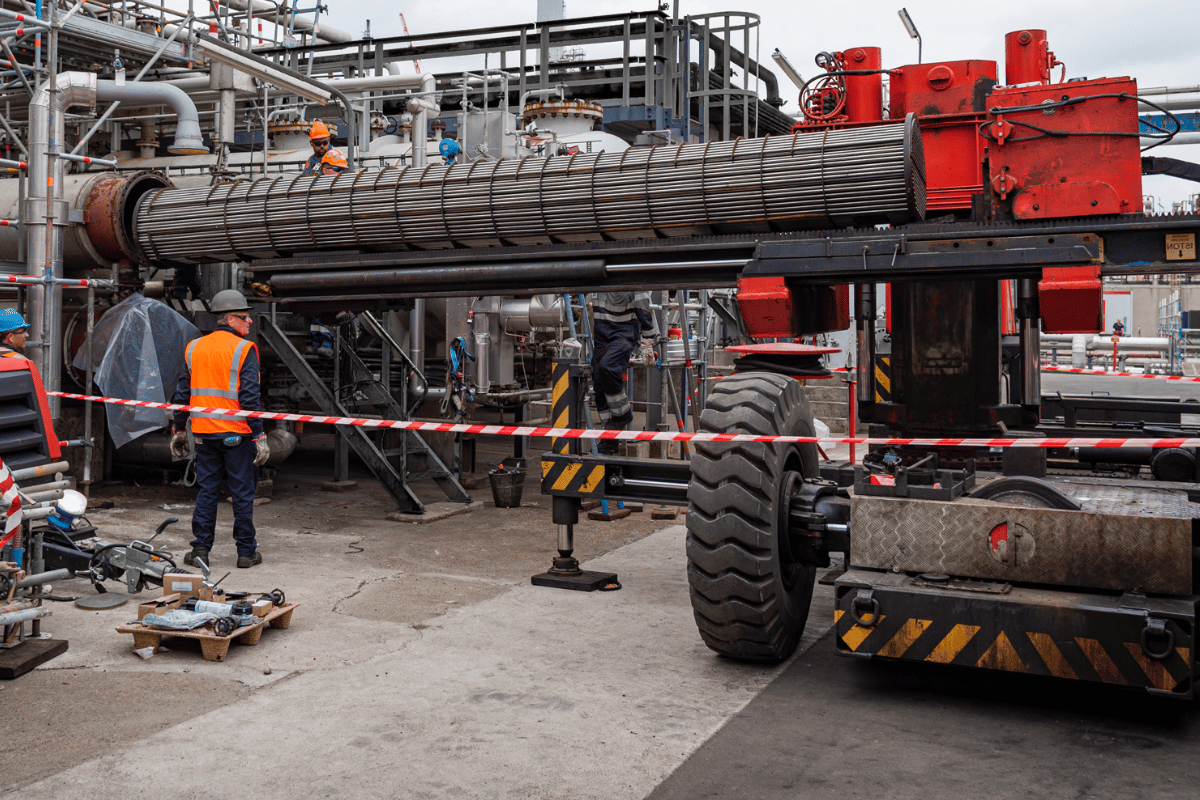
The combination of bundle extractors and spark arrestors has a significant positive impact on the safety and efficiency of factories. They prevent the sparks from the extraction process from getting to any combustible material and therefore the risk of fire and explosion is reduced. Moreover, these systems are designed to facilitate the maintenance of the heat exchanger by providing a safe and unencumbered tube bundle extraction and thus, reducing downtime and increasing productivity. The implementation of spark arrestors ensures compliance with stringent safety codes in the hazardous zones, thus, the industries that prioritize safety and efficiency cannot afford to operate without these instruments.
Enhancing Safety with Exhaust Spark Arrestors
In industrial applications, especially in operations where the risk of fire is significant due to the presence of flammable materials, exhaust spark arrestors are indispensable. The increase in safety tools inquiries is an indicator that flame protection technologies are being increasingly acknowledged. The primary role of spark arrestors is to eliminate the flames and smoke from the exhausts, which is a necessary step to avoiding explosions in hazardous areas. Modern models have state-of-the-art filtration technologies that not only ensure the best performance but also fulfill the requirements of the strictest safety standards globally, e.g., those set by NFPA (National Fire Protection Association) and ATEX (Atmosphere Explosibles) directives. This makes them vital for the oil and gas sector, mining, chemical manufacturing, and other industries with safety as their number one priority. The incorporation of new technology into spark arrestors reduces the chances of fire accidents occurring and at the same time, enables the companies to comply with the environmental and occupational safety regulations, thus building a scenario that is not only safe but also kind to nature.
Cost-Effective Solutions for Diesel Engine Exhaust
To manage diesel engine exhaust in a cost-efficient manner, a combination of modern technology and proper adjustments in the operation is needed. One of the most attractive to the industry is the use of Diesel Particulate Filters (DPFs), which trap and burn off soot, decreasing the emission of particulate matter (PM) as a result. Furthermore, such systems, through their automatic regeneration process, can drain the built-up soot in their filters continuously, thus allowing the plant to be more compliant with the standards and still remain less operationally active.
On top of this, the utilization of Selective Catalytic Reduction (SCR) systems has been a huge success financially, because on the one hand they cut down the nitrogen oxides (NOx) emissions with a urea solution. Additionally, the SCR technology not only supports the emission standards compliance but also helps increase the fuel economy, which finally results in reduced operating expenses.
Moreover, regular maintenance, like cleaning of exhaust systems, and changing of worn-out components, can avoid very expensive repairs and prolong the life of exhaust systems. By combining this with the careful monitoring through telemetry, industries will not only optimize their performances but also enjoy prolonged cost savings as well as constant compliance with regulations. These solutions, when considered together, meet the operational demands while at the same time not compromising on environmental or financial objectives.
Stainless Steel Spark Arrestors: Durability and Efficiency
Stainless steel spark arrestors are designed to give very strong and very long-lasting performance in situations where controlling spark emissions is a must. These units which are made of the best quality stainless steel are highly resistant to rust, heat, and mechanical stress making them suitable for industrial applications like power plants, mining, and even in the marine sector. Their long-lasting quality means that they will need maintenance less often and will last longer than similar products made from less strength materials.
The efficiency of these arrestors is due to the carefully designed mechanisms which trap and extinguish sparks without blocking or causing any airflow decline. Moreover, it has been the trend that more and more focus is given to emission standard compliance which is the reason why stainless steel spark arrestors are being used more than ever as they are as good as the fire fighting system while also accomodating the regulations, industries concerne about safety and sustainability being among the most getting the most out of the arrestors thanks to the mix of durability, performance and compliance.
Practical Tips for Selecting the Right Equipment
1Assess Operational Requirements
The initial step in being able to get a good understanding of your operation's exact needs is by assessing the operational requirements. You could consider the environmental conditions, performance specifications, and safety regulations, etc., as the factors to be evaluated in checking their compatibility with the intended use.
2Prioritize Compliance with Laws
Make compliance with laws a priority by ensuring that the equipment conforms to all the applicable industry and safety standards such as emission regulations or fire safety codes, thus securing the process both legally and operationally.
3Consider Material Longevity
Take the longevity of the material that was used for the equipment into account. The best quality and most durable material like stainless steel should be used for the equipment as it will not only last longer but also withstand the harshest conditions.
4Focus on Efficiency and Performance
Make efficiency and performance the top factor in your equipment selection. Choosing designs that will allow for the least efficient performance without any masks of airflow or emission control is the way to go.
5Evaluate Maintenance Requirements
Look at maintenance and user-friendliness in equipment selection. The equipment should be easy to operate and not need much servicing. Having minimal maintenance requirements can mean less downtime and costs that are lower over the long haul.
6Choose Reliable Manufacturers
Seek help from reliable manufacturers when you are sourcing equipment. Always buy from suppliers that have a good reputation for their quality standards and reliable customer service. This will not only guarantee consistent performance but also provide access to resources when required.
Identifying ATEX Approved Equipment
It is the gear certified under ATEX that is the term used for it. The ATEX directive (2014/34/EU) certifies gear and protective systems for possible usage in explosive atmospheres. The equipment must comply with all the necessary safety and performance standards if it is to be certain. An ATEX certification mark is your first point of reference. This mark should be accompanied by an explosion protection symbol "Ex," category of equipment, suitability for zone, group of gas or dust, and temperature class, all of which contain detailed information. Such a mark asserts the fact that the equipment has undergone a very rigorous test to ensure that there are no risks involved with ignition sources in these hazardous areas.
In addition, checking the manufacturer's declaration of conformity along with the technical documentation that comes with the product is also an option. These documents must state the equipment's specific use in certain zones or applications and demonstrate that it is compliant with the relevant European standards (for example, EN 60079 series). Moreover, it is also recommended to crosscheck the certification with the accredited notifying bodies that verify ATEX compliance. By means of these verification steps together with manufacturer data or online resources, organizations are able to procure safely and in compliance with the regulations.
Factors to Consider in Compliance with ATEX
All of these factors contribute towards the explosive atmospheres' associated risks reduction process. They do so by making safety, efficiency, and regulatory compliance in operational environments possible.
Choosing the Right Spark Arrestor for Your Needs
The specific application, operating conditions and compliance requirements are the main factors to consider when selecting the most suitable spark arrestor for your needs. Looking at the equipment it is going to be installed on, assessing the ignition risks and studying the pattern of the exhaust flow in order to ensure the spark arrestor's compatibility are essential steps. Furthermore, checking if the spark arrestor is approved according to the certification standards like EN or ISO, and also if it is qualified to work at the temperature and pressure levels of your system is critical. In this way, by choosing a properly rated and certified spark arrestor, you will get the maximum safety and also keep up with the industry regulations.
Reference Sources
The following reference sources are relevant and directly related to Spark Arrestors and ATEX Compliance for Bundle Extractors:
Stainless Steel Spark Arrestors (ATEX & EN1834) - This report elaborates on a certain kind of spark arrestor, which is the ATEX EN 1834 class, specifically designed for prevention of fire hazards from diesel engine exhaust systems.
Spark Arrestors for hazardous areas - ATEX approved - This is an informative text regarding ATEX-certified spark arrestors designed for explosive environments and using a centrifugal technique for operation.
Mef Express HT - A data sheet for a tube bundle extractor with top mounting; comprising barriers made of inherently fire-resistant stainless steel, and the device also has ATEX certification.
Idrokid Hydraulic Tube Bundle Extractor - It is a written description of a hydraulic tube bundle extractor revealing its safety and compliance features.
Eminox Spark Arrestors - A brochure that features the various types of spark arrestors that are approved as safe by EN 1834 and have also been certified by the ATEX Directive.
Frequently Asked Questions
What is a spark arrestor?
A spark arrestor is a device that suppresses or removes the glowing and hot carbon particles which escape through the exhaust of an internal combustion engine. In other words, it allows only non-flammable gases to exit the exhaust system, thereby reducing the fire start-up risk.
How does a spark arrestor work?
The most common type of spark arrestor works by using the centrifugal force. The exhaust gases flow through the arrestor and are subjected to a vortex formed by a set of stationary vanes. The incandescent carbon particles formed by the centrifugal force, which are heavier than the gas, are thrown against the walls where they either get collected in a trap or turned into smaller, non-harmful particles which are eventually expelled along with the exhaust gases.
What does ATEX compliance mean, and what is its connection to spark arresters?
ATEX is short for the two European Union directives that define the safety measures for devices and protective systems used in areas that can become explosive. For example, bundle extractors, which are usually in very dangerous places like refineries and chemical plants, have to comply with ATEX. A certified spark arrestor is one of the main considerations that help the diesel engine powering the extractor to conform to the ATEX standards, especially regarding the control of exhaust ignition.
Why are spark arrestors indispensable for bundle extractors?
The tube bundle extractor is operating in the environment of gaseous, vapour or dusty material that can easily ignite. The burning of diesel fuel in these engines produces very hot exhaust gases and sparks could still be present in the exhaust that may ignite the surrounding combustible material. The adoption of an ATEX-approved spark arrestor is a highly critical protective device that can effectively lower the potential of ignition and that in turn saves lives, protects the machinery and avoids the plant as a whole from the consequences of fire or explosion.
Can any type of spark arrestors be used on bundle extractors installed in hazardous areas?
Not at all; only those spark arrestors that have been specifically tested and found to conform to standards such as ATEX Directive 2014/34/EU and EN 1834 are eligible for this situation. It is crucial to select a spark arrestor that is certified for the particular hazardous zone classification where the bundle extractor will be installed.
What kind of maintenance does a spark arrestor on a bundle extractor require?
It is essential to carry out regular inspections and maintenance to a spark arrestor to ensure it performs its job effectively. The maintenance mainly includes:
Periodic Inspection: A visual inspection of the unit is conducted to check for any damages, corrosion, or blockages.
Cleaning: Depending on the engine usage, fuel quality, and operating temperature, the manufacturer will assist in carbon and soot removal from the collection box or components.
Integrity Checks: It is checked that all the connections and seals are in place to prevent any exhaust leak.
Following the manufacturer's recommended maintenance plan is vital to ensuring ongoing compliance and safety.
Conclusion
Understanding the critical importance of spark arrestors and ATEX compliance for bundle extractors is essential for maintaining safe operations in hazardous environments. By selecting the appropriate equipment, ensuring proper certification, and adhering to maintenance protocols, industries can significantly reduce fire and explosion risks while maintaining regulatory compliance and operational efficiency.