
 Chinese
Heat exchangers serve as the backbone of LNG facilities, enabling the critical thermal processes required for natural gas liquefaction. Proper maintenance of these systems ensures dependable operation at maximum capacity while preventing costly equipment failures and operational downtime. This comprehensive guide combines industry standards with proven methodologies to deliver practical maintenance solutions that enhance system durability, energy efficiency, and safety compliance.
Understanding Heat Exchangers in LNG Facilities
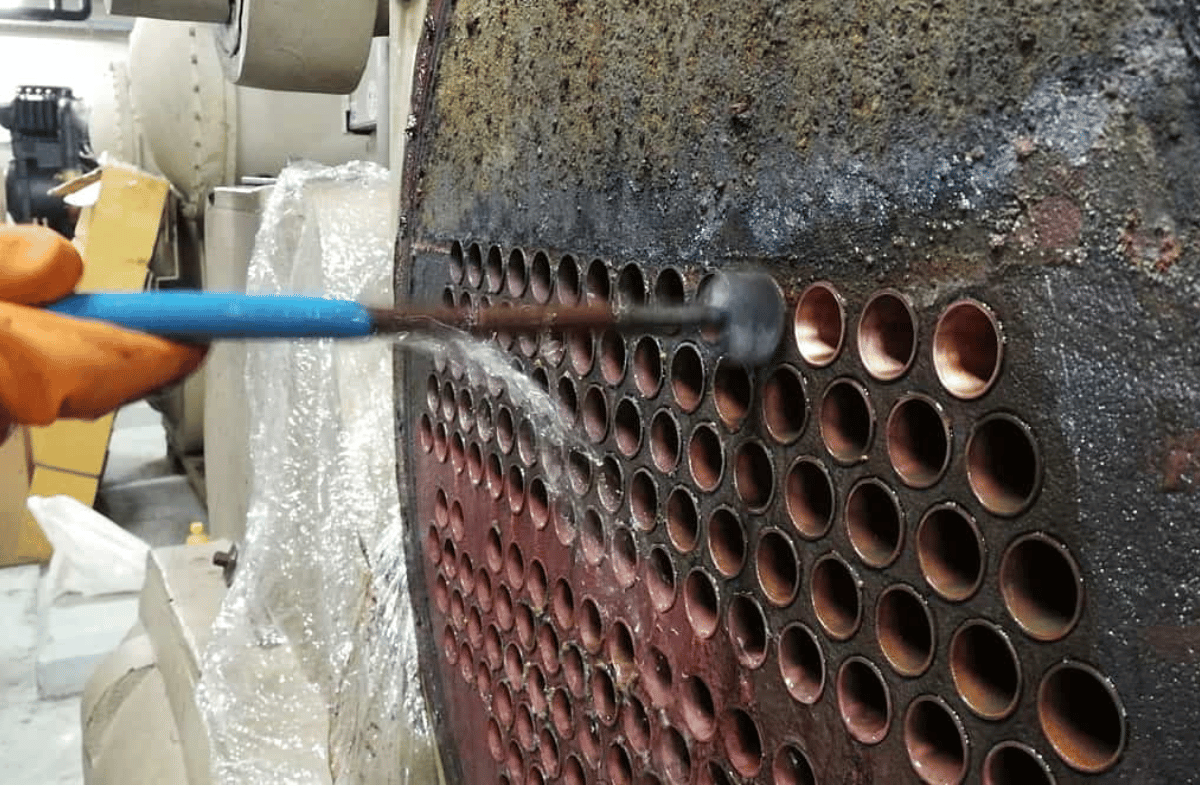
Heat exchangers function as essential components within LNG facilities, transferring thermal energy between two fluids to achieve precise temperature control requirements. Their primary design purpose centers on enabling natural gas liquefaction by cooling the gas to extreme temperatures necessary for conversion into a transportable liquid form. Most LNG plants rely on specialized heat exchanger types, including plate-fin and spiral wound exchangers, due to their efficient performance in cryogenic environments. Proper maintenance of these units remains critical for maintaining thermal efficiency, operational reliability, and safety standards.
Types of Heat Exchangers: Plate and Shell & Tube
Plate Heat Exchangers
Engineers construct plate heat exchangers using multiple thin flat plates that create fluid pathways. This compact design achieves high heat transfer efficiency, making it ideal for applications requiring both efficiency and space optimization. The system allows for easy disassembly, facilitating cleaning and maintenance tasks that improve system reliability and operational longevity.
Shell and Tube Heat Exchangers
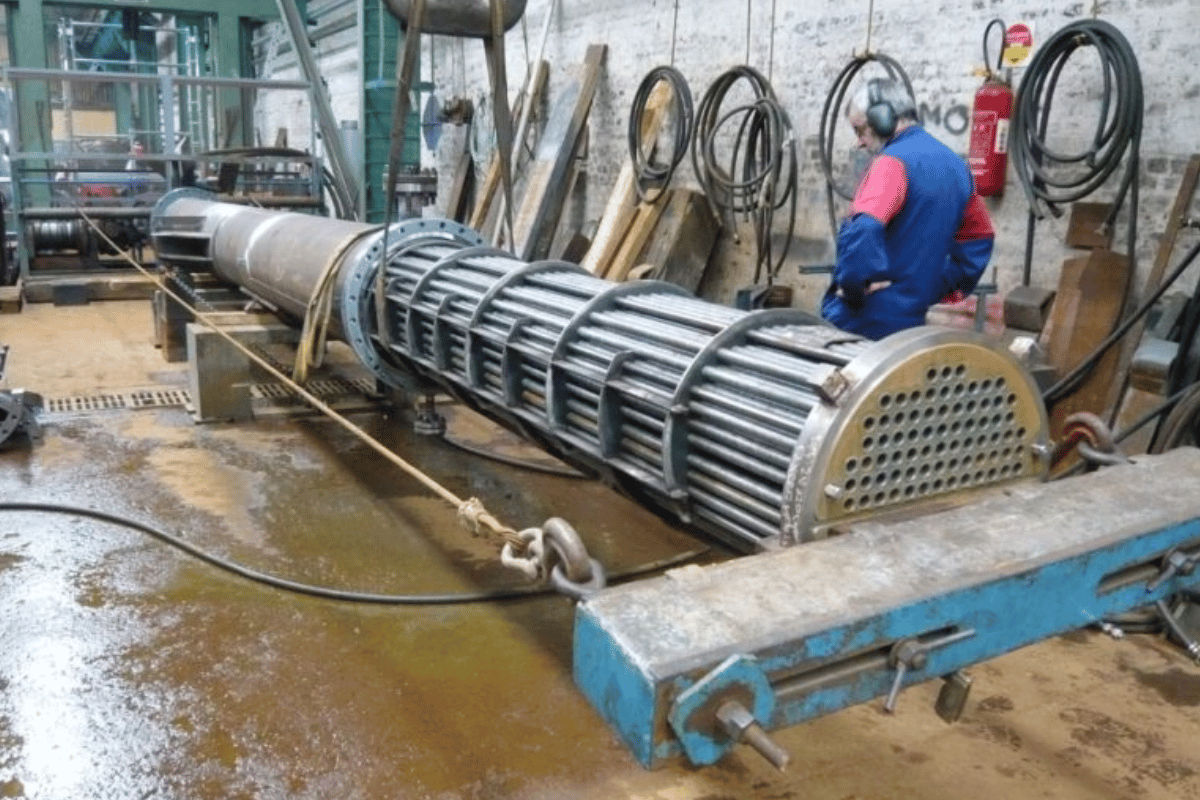
Shell and tube heat exchangers feature multiple tubes contained within a protective outer shell. Fluids flow through both the tubes and the shell, enabling heat transfer between the two components. This robust construction allows the system to operate at high pressures and extreme temperatures while handling corrosive substances. The design supports scalability from small to large industrial operations, offering superior operational durability and mechanical stability.
The Role of Heat Exchangers in LNG Operations
Heat exchangers perform an essential function in LNG operations by enabling heat transfer between multiple process streams, leading to effective cooling and liquefaction of natural gas. The system transforms natural gas to its lowest achievable temperature, converting it into liquid form suitable for storage and transportation. These energy-efficient systems reduce thermal waste throughout the entire operation while maintaining performance and operational safety under extreme conditions.
Importance of Maintenance for LNG Terminal Efficiency
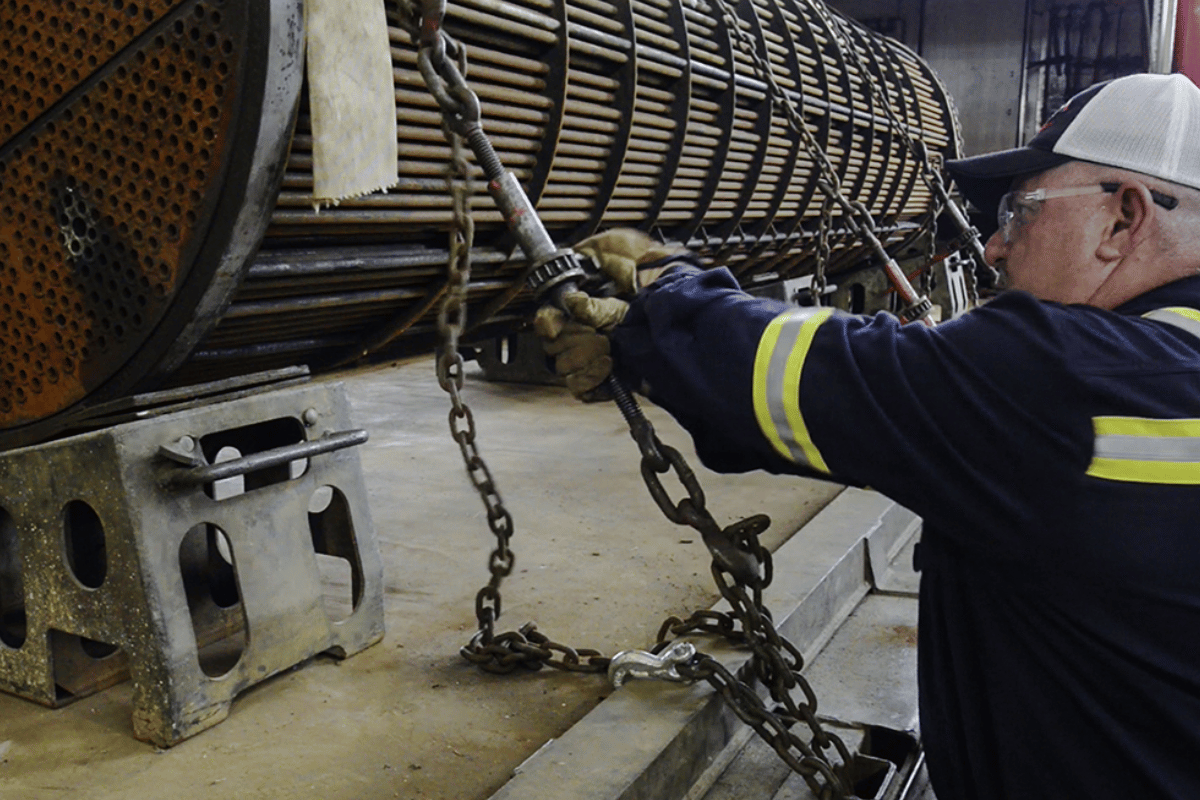
LNG terminals require scheduled maintenance to maintain operational efficiency and safety standards. Proper maintenance procedures enable continuous operation by eliminating equipment breakdowns while increasing work efficiency. The rigorous demands of LNG operations necessitate regular inspections and maintenance of essential equipment, including compressors, pumps, and heat exchangers.
Consequences of Neglected Maintenance
▸Higher energy consumption
▸Increased operational costs
▸Elevated risks to employee safety
Systematic maintenance schedules enable operators to protect essential equipment while meeting regulatory requirements and ensuring continuous operations of LNG supply chains.
Key Practices for Heat Exchanger Maintenance
Heat exchangers in LNG facilities face severe working conditions that result in equipment damage and performance loss without proper upkeep. The following essential methods provide practical guidance for achieving better operational efficiency while decreasing equipment downtime and preserving safety regulations. This structured maintenance system examines preventive activities and cleaning procedures that boost system reliability and operational lifespan.
Regular Inspection Techniques
Regular inspections must be performed using accurate methods according to established best practices. The process should include monitoring for signs of fouling, corrosion, and mechanical wear.
Digital Tools in Inspection Routines
The introduction of advanced technologies has brought major changes to inspection processes:
AI-powered diagnostic software for predictive analysis
IoT-enabled sensors for real-time activity tracking
Forecasting capabilities to prevent unplanned interruptions
Identifying and Addressing Leaks
Fluid system leaks create safety issues and violate regulatory compliance standards. Leak detection requires both advanced detection systems and comprehensive analysis methods.
Detection Methods
Thermal imaging cameras
IoT-enabled leak detection sensors
Ultrasonic detectors
Resolution Process
Immediate containment actions
Root cause analysis
Preventive measure implementation
Operators must conduct material integrity assessments together with sealing component inspections and system pressure evaluations. Predictive analytics processing real-time data from connected sensors helps organizations decrease future leak occurrences while maintaining optimal operational performance and compliance with environmental and safety requirements.
Documentation and Record Keeping
Proper documentation and record keeping procedures help organizations achieve regulatory compliance and sustain daily operations while enabling continuous system monitoring. Organizations must establish comprehensive record-keeping systems documenting all inspection activities, repair procedures, and maintenance operations.
Essential Record Components
Specific dates
Detailed actions
Personnel names
Discovered irregularities
Digital tools such as Computerized Maintenance Management Systems (CMMS) enable organizations to store data centrally and access real-time information. Organizations maintaining records according to established standards achieve regulatory compliance and access essential information for discovering persistent problems, thereby improving maintenance processes.
Cleaning a Heat Exchanger: Best Practices
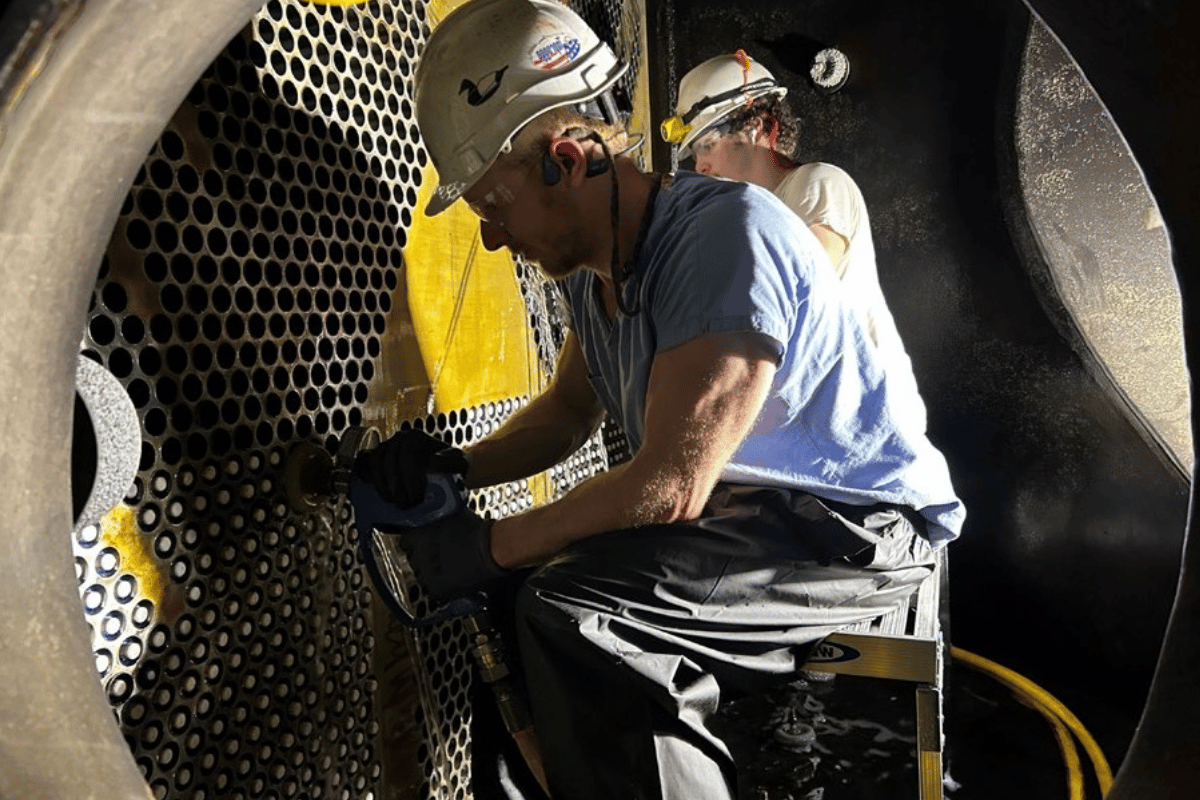
Proper cleaning procedures for heat exchangers maintain operational efficiency while decreasing repair time. The process begins with a comprehensive inspection evaluating fouling and scaling levels. Cleaning for heat transfer surfaces starts with light deposit removal through mechanical methods, while chemical cleaning uses selected solutions for severe fouling that match specific deposit types and exchanger materials.
Safety Requirements
All cleaning activities require:
Complete unit shutdown
System depressurization
System flushing to remove safety hazards
After cleaning, all components need comprehensive inspection to determine current state and verify proper exchanger function. The cleaning process should follow both manufacturer instructions and industry standards for maximum equipment efficiency and extended durability.
Methods for Cleaning Plate Heat Exchangers
1. Manual Cleaning
The entire heat exchanger system requires disassembly so technicians can access all components for cleaning work using appropriate tools and materials for each plate separately. This method successfully removes hard-to-remove fouling while enabling complete assessment of all plate surfaces to detect any pre-existing damage or material loss.
2. Chemical Cleaning
Chemical cleaning requires the heat exchanger system to circulate cleaning solutions, including descaling and degreasing agents, without system disassembly. The method effectively removes bioorganic material-based fouling together with scale and oil deposits from surfaces.
3. High-Pressure Water Cleaning
The process uses high-pressure water jets to clean plate surfaces by removing accumulated material after plates have been disassembled. The method enables efficient physical cleaning through appropriate pressure levels while maintaining the integrity of all materials requiring cleaning.
4. Clean-In-Place (CIP) Systems
The CIP system uses automated cleaning technology that pumps cleaning solutions through heat exchanger systems without system disassembly. The technique provides a time-efficient solution for standard maintenance needs.
The selection process for every method requires assessment of the fouling extent and nature, plate materials, and heat exchanger design specifications. Operations must comply with manufacturer guidelines to achieve effective cleaning while preventing potential damage.
Cleaning Procedures for Shell and Tube Heat Exchangers
Initial Inspection
The heat exchanger inspection process begins with visual assessment to identify external fouling and structural damage. The team verifies all connections are properly secured while identifying areas needing detailed cleaning operations.
Mechanical Cleaning
Technicians use brushes, rods, and specialized mechanical cleaning equipment to eliminate debris and deposits accumulated inside the tubes. The technique successfully removes both loose and hardened scale; however, operators must carry out the procedure with exacting standards to prevent tube material destruction.
Chemical Cleaning
The system requires circulation of a suitable manufacturer-recommended cleaning solution to dissolve both mineral scale deposits and biological growth. The team neutralizes the chemical substance before rinsing the system to check for any leftover materials.
High-Pressure Water Jetting
The team uses high-pressure water jets to eliminate tenacious deposits adhering to tube surfaces in locations permitting such operations. The method requires pressure control because excessive pressure results in equipment destruction.
Final Inspection and Reassembly
The team performs a final inspection process confirming all deposits have been eliminated and all tube obstructions removed. Reassembly requires placing all seals and gaskets at their correct positions while testing for system leaks before the equipment returns to service.
Frequency and Timing of Cleaning Intervals
The frequency and timing of cleaning intervals for heat exchangers depend on factors such as fluid type, operating conditions, and the presence of fouling agents.
The system needs continuous pressure drop and thermal performance evaluation because substantial system changes indicate the correct time for cleaning. Best results come from following both manufacturer recommendations and operational guidelines.
Repairing Heat Exchangers: Strategies and Considerations
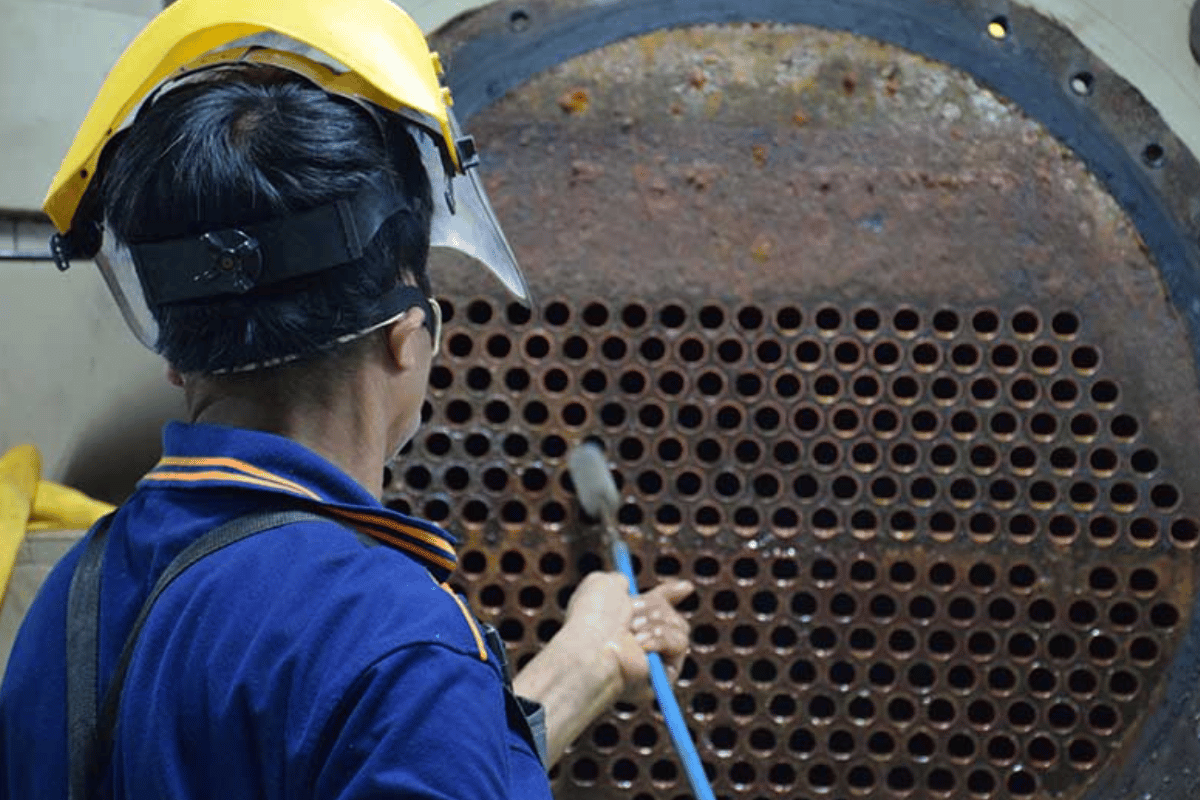
Repairing a heat exchanger requires technicians to find all existing problems, including leaks, fouling, corrosion, and mechanical damage. The repair process should begin with a thorough inspection to pinpoint faults using visual checks and testing methods such as hydrostatic tests for leaks.
Common Repair Techniques for Heat Exchangers
Tube Replacement
Restoration of shell-and-tube heat exchangers begins with identifying damaged tubes requiring replacement. The procedure involves removing defective tubes and installing new tubes with proper sealing.
Welding Repairs
Technicians use precision welding techniques to fix cracks or leaks developing in tubes, shells, and baffles. This method ensures structural integrity and prevents further damage.
Gasket Replacement
Replacing degraded or damaged gaskets in plate heat exchangers stops leaks and ensures proper pressure and fluid separation. The procedure requires precise alignment and efficient sealing methods for success.
Cleaning and Descaling
Chemical cleaning and mechanical tool application enable removal of scale and fouling deposits from surfaces. This procedure restores heat transfer efficiency while preventing lasting damage.
Pressure Testing
Testing pressure after repair work confirms the exchanger operates correctly with all system leaks eliminated. The process establishes compliance with all safety regulations for operational activities.
Evaluating When to Repair vs. Replace
The decision between repairing or replacing a heat exchanger requires evaluation of three main factors:
Extent of Damage
If damage is localized and repairable without compromising overall performance, a repair is often sufficient. The system needs full replacement when there is severe structural damage or extensive corrosion.
Operational Efficiency
The system should be replaced when both cleaning and repairs fail to restore operational efficiency to acceptable standards, as this choice offers better financial and environmental benefits in the future.
Cost and Longevity
Compare repair costs with new unit expense. The system should be replaced when repair costs reach 50 percent of replacement costs and the unit's expected operational life decreases.
Safety Considerations During Repairs
Personal Protective Equipment (PPE): Workers must wear all required PPE including gloves, safety goggles, and protective clothing to shield themselves from dangerous substances and sharp object hazards.
Power Isolation: Maintenance requires complete power shutdown together with energy source disconnection before starting any repair activities.
Hazard Identification: The repair area requires assessment to identify all possible risks including leaks, high temperatures, and harmful chemical substances.
Proper Ventilation: Work only in spaces with proper ventilation to prevent contact with fumes and gases occurring when solvents or chemicals are used.
Use of Tools: Handle only properly maintained tools and equipment fulfilling specific requirements for particular repair tasks to decrease accident risk and equipment damage.
Preventative Maintenance Strategies for LNG Terminals
LNG terminals require preventive maintenance to guarantee reliable operation, protective security systems, and efficient functionality. The main methods to achieve this goal include:
Regular Equipment Inspections
Perform scheduled inspections assessing crucial components including pipelines, compressors, storage tanks, and valves to determine current condition and potential breakdown points.
Calibration of Sensors and Instruments
Test and calibrate pressure sensors, temperature sensors, and flow rate sensors regularly to ensure accurate process monitoring and control.
Corrosion Management
Install protective coatings and cathodic protection systems while conducting regular corrosion assessments to protect metal surfaces and equipment facing extreme environmental conditions.
Leak Detection Programs
Use advanced leak detection technologies to discover and fix gas leaks, decreasing safety risks and product waste.
System Testing
Conduct regular function testing and emergency testing for vital systems including fire detection, fire suppression, and emergency shutdown systems to prepare for important emergency situations.
Training and Documentation
Deliver continuous training programs for maintenance staff while maintaining complete records of all inspections, repairs, and performance assessments to support ongoing development.
Developing a Maintenance Schedule
The maintenance schedule development process begins with assessment of all essential systems and equipment at the LNG terminal. Operational requirements and manufacturer-recommended maintenance intervals need evaluation before establishing baseline timelines.
Schedule Development Steps
Assess all essential systems and equipment
Evaluate operational requirements and manufacturer-recommended intervals
Use risk assessment methods to prioritize tasks
Incorporate regulatory compliance requirements
Implement Computerized Maintenance Management System (CMMS)
Continuously assess and modify schedule for alignment with operational needs
Key Maintenance Tools and Technologies
Modern maintenance programs use advanced technological tools to achieve maximum operational productivity with less equipment downtime.
Training and Certification for Maintenance Personnel
Training and certification programs help workers develop advanced skills needed for modern maintenance system work. Programs must follow industry standards while implementing current technological developments consisting of predictive maintenance tools and automation systems.
Essential Certifications
Certified Maintenance Reliability Technician (CMRT)
Certified Reliability Engineer (CRE)
Training Content
Diagnostic techniques
Repair procedures
Safety protocols
Digital solutions for everyday tasks
Organizations recognize the competitive advantage of investing in continuous professional development for maintenance teams. Structured certification paths with current training technologies enable employees to maintain their skills while companies achieve better operational results with less downtime.
Frequently Asked Questions
What are the unique challenges of maintaining heat exchangers in LNG facilities?
LNG facilities encounter operational challenges because their systems must function at extremely low temperatures reaching approximately -162°C (-260°F). Main Cryogenic Heat Exchangers (MCHEs) experience extreme thermal stresses during startup, shutdown, and normal operations. The primary concern involves protecting seal materials from these conditions, as any leaks result in dangerous gas emissions. Ambient air vaporizers experience major ice accumulation on outer surfaces, which prevents proper heat exchange functions.
What are the standard cleaning methods for LNG heat exchangers?
Cleaning methods depend on specific exchanger design and particular fouling problems:
Chemical Cleaning: Best for internal parts with complex shapes like printed circuit heat exchangers (PCHEs) that restrict mechanical access. Specialized solvents circulate through the system to dissolve waxy deposits or trace heavy hydrocarbons.
High-Pressure Water Jetting: Standard method for cleaning accessible tube bundles.
Online Cleaning for Air-Cooled Exchangers: Uses foam cleaning and automated water deluge systems to remove external fouling from dust, pollen, and salt while the unit operates, restoring thermal performance and airflow without operational interruption.
How does "thermal cycling" impact maintenance requirements?
Thermal cycling represents the repeated process of cooling to cryogenic temperatures and heating back to normal temperatures. Metal components experience expansion and contraction creating fatigue through connections at joints, welds, and flange connections. Maintenance teams must conduct inspections of stress points to find micro cracks and seal failures. Best practice requires organizations to keep operations stable, as this approach extends equipment lifespan and decreases the need for extensive repairs.
How is technology improving maintenance efficiency in LNG facilities?
Digital transformation forms a fundamental part of contemporary maintenance approaches:
Condition-Based Monitoring (CBM): Sensors monitor pressure drop, temperature approach, and vibration, enabling engineers to identify upcoming fouling or failures, transforming maintenance from reactive to proactive operations.
Digital Twin Systems: Create virtual heat exchanger models allowing testing of various operational conditions and maintenance planning using actual equipment damage data.
Drone Inspections: Conduct visual inspections of large air-cooled banks and hard-to-reach areas for external fouling and structural corrosion, eliminating the need for scaffolding and personnel exposure.
Why is the maintenance of "cold boxes" particularly specialized?
LNG processes require plate-fin heat exchangers to operate within "cold box" structures consisting of sealed steel casings filled with perlite insulation to maintain cryogenic temperatures. The need to remove insulation before accessing exchangers creates complex maintenance challenges. Leaks within cold boxes require difficult identification processes. Detection through advanced techniques such as acoustic emission testing or tracer gas analysis makes it possible to locate leaks without requiring complete cold box assembly dismantlement.
Conclusion
Heat exchanger maintenance in LNG facilities requires comprehensive understanding of equipment types, operational challenges, and advanced maintenance methodologies. Regular inspections, proper cleaning procedures, timely repairs, and preventative strategies form the foundation of reliable LNG operations. Modern technologies including IoT sensors, CMMS platforms, and digital twin systems transform maintenance from reactive to predictive, enhancing safety while reducing downtime and operational costs.
Organizations investing in structured training programs, advanced diagnostic tools, and systematic maintenance schedules position themselves for long-term operational success. The combination of traditional best practices with emerging technologies creates robust maintenance frameworks that meet the demanding requirements of LNG facilities while ensuring compliance with safety standards and environmental regulations.
Reference Sources
Essential Heat Exchanger Maintenance Practices - Examines air-cooled heat exchanger performance problems, chemical cleaning solutions, and material improvements.
Maintenance of LNG Terminals: Essential Practices - Explains preventive maintenance, condition-based monitoring, and digital technology implementation for safe operations and work efficiency.
Proper Maintenance at LNG Terminals - Handles equipment and container security measures for preventing contamination and maintaining operational equipment performance.
A Comparison of Cleaning Methods - Assesses different cleaning techniques and their effects on heat exchanger efficiency, showing that post-cleaning activities are critical.