
 Chinese
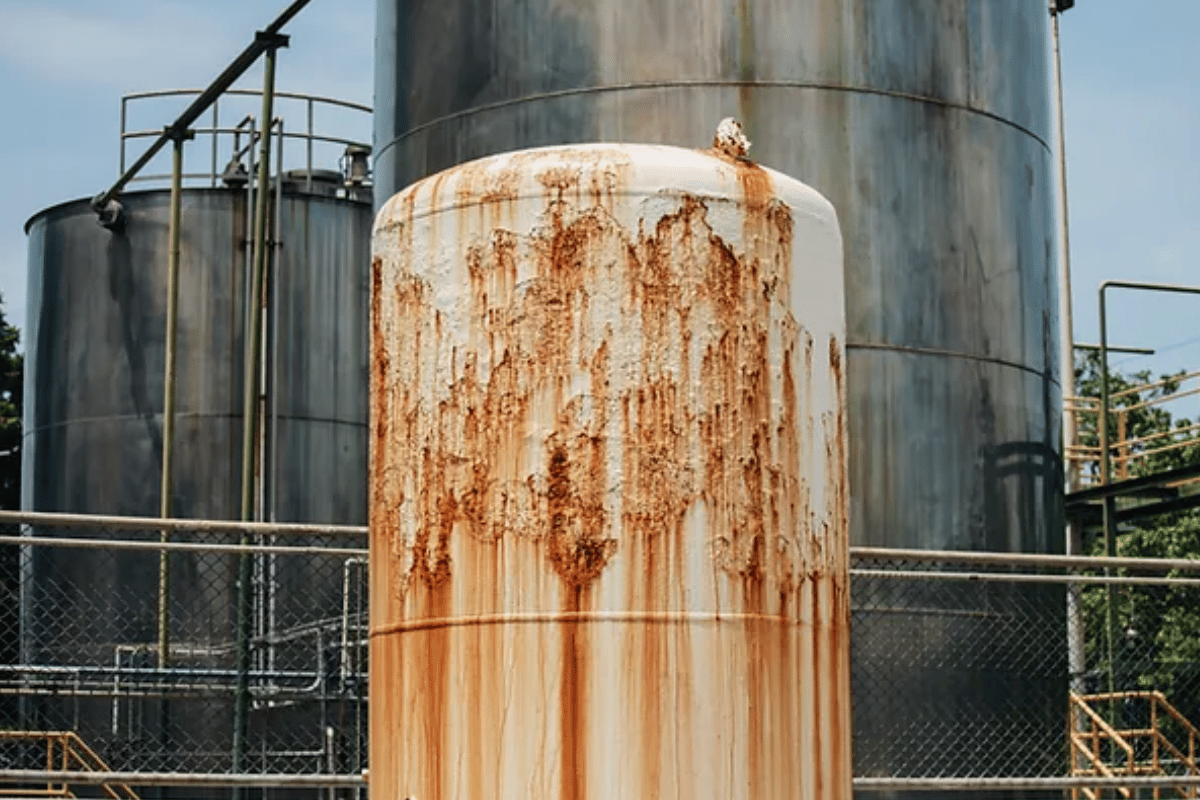
Corrosive environments create major difficulties for chemical processing operations because these conditions continuously damage materials and equipment which results in operational failures. The process of maintaining safety standards and extending critical component lifetimes and achieving optimal system performance requires organizations to comprehend the difficulties involved with operating these environments. This article explores the key strategies, material selections, and innovative approaches employed to mitigate the risks associated with corrosive conditions. The readers will learn effective engineering methods to create strong systems which can endure extreme industrial environments.
Introduction to Corrosive Environments
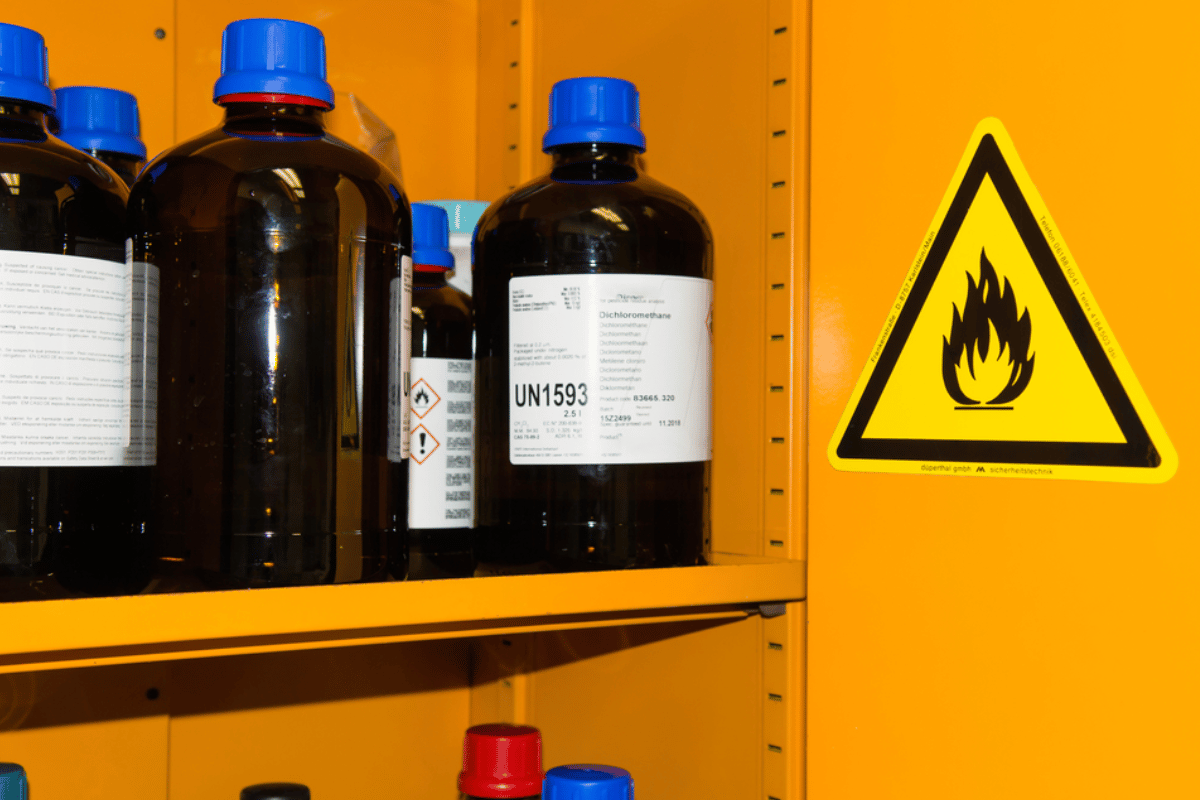
Corrosive environments exist as areas which chemical reactions take place through oxidation and other material degradation processes when materials come into contact with acids and bases and salts and industrial pollutants. The reactions weaken materials which eventually leads to structural damage and complete material failure. The main corrosive agents in the environment include moisture and high humidity conditions and gases such as chlorine and sulfur dioxide. The successful operation of these work environments depends on three main factors which include selecting materials that resist corrosion and applying protective coatings and conducting maintenance activities to maintain system performance and fight against deterioration.
Definition of Corrosive Chemicals
Corrosive chemicals are substances that can damage materials and living tissues and equipment through their chemical reactions. The reactions work through acid and base and oxidation and similar processes to break down surfaces. The common examples of this category include sulfuric acid and hydrochloric acid and sodium hydroxide and ammonia. The correct handling and storage and labeling of corrosive chemicals must be done to protect both personnel and infrastructure from dangerous situations.
Importance of Proper Handling
The proper methods for handling corrosive chemicals need to be followed because they protect both human health and workplace security and building safety. The substances present a major threat because they produce severe injuries which include chemical burns and respiratory damage through inhalation and eye injuries from splashes. When substances are handled incorrectly they produce equipment corrosion and structural material degradation which creates unsafe conditions for workers. The handling of corrosive chemicals results in dangerous outcomes which demonstrate the need for strict operational procedures and comprehensive staff training.
Essential Considerations for Handling Corrosive Materials
1. Personal Protective Equipment (PPE)
Users need to wear proper protective equipment which includes gloves and goggles and face shields and chemical-resistant clothing to safeguard themselves from corrosive substances. Nitrile gloves function as protective equipment which safeguards users from nearly all chemical acid and base contact.
2. Proper Storage
Corrosive substances must be stored inside designated areas which require clearly labeled containers that match their specific storage requirements. The storage area needs to provide separate locations for acidic and basic substances because their combination creates dangerous results when accidental spills occur.
3. Ventilation Systems
The workspace which handles corrosive chemicals requires proper ventilation which includes fume hoods for ammonia because they help manage hazardous fume emissions.
4. Emergency Response Equipment
The emergency systems must remain fully operational because all workers need access to eyewash stations and safety showers which must be located near corrosive material handling areas because these stations provide immediate treatment for chemical exposure incidents.
5. Training and Awareness
The program needs to offer thorough training for staff members which includes safe methods to handle and mix and dispose of corrosive chemicals. The training program needs to teach emergency response methods which will help reduce injuries and damage that happen during emergency situations.
Overview of Industrial Applications
The essential functions which corrosive chemicals provide enable their use throughout various industrial operations. The manufacturing process needs these materials to execute essential tasks which involve metal cleaning and etching and fertilizer production and plastic creation. The chemical industry needs these substances because they serve as essential elements in the production of pharmaceuticals and polymers and various specialized materials. The water treatment facilities depend on corrosive chemicals as their primary disinfectants while using these substances to maintain proper pH control. The applications need effective handling and containment procedures to ensure both safe operations and operational success.
Understanding Corrosive Substances
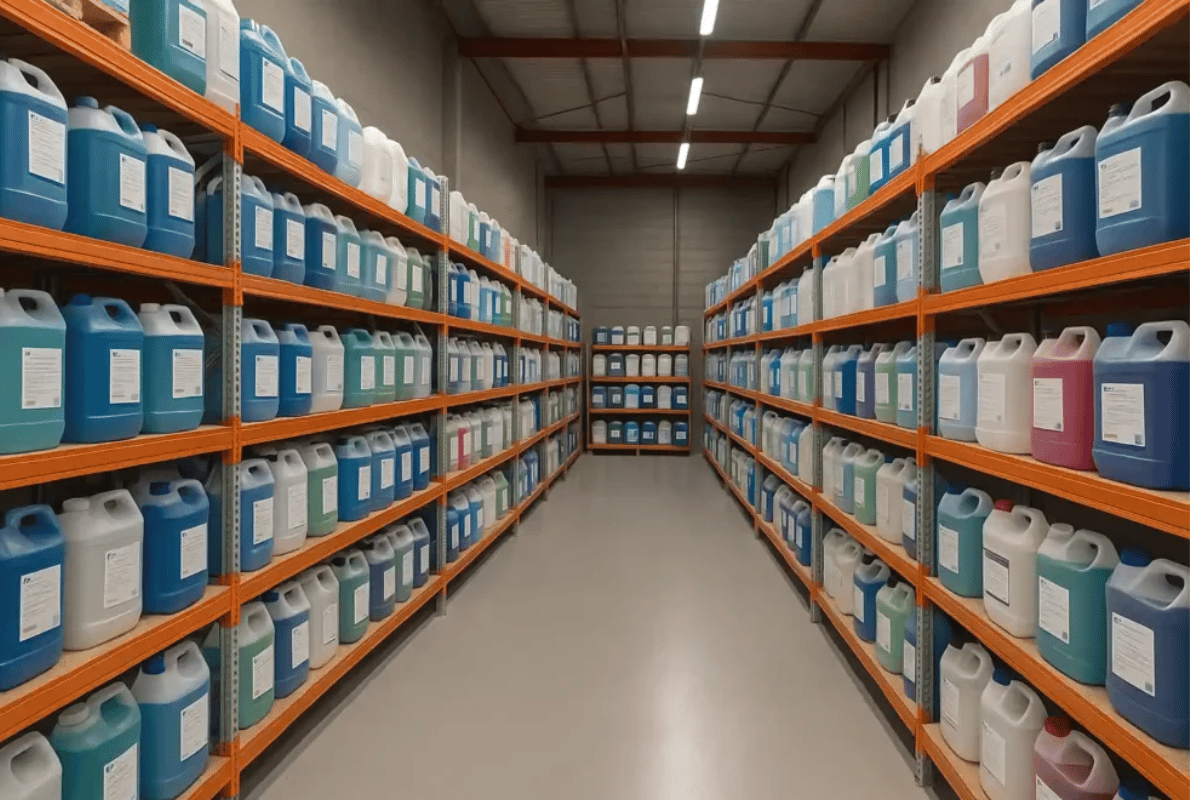
Corrosive substances are chemicals that create damage to materials and living tissues through their chemical reactions. The substances react aggressively when they touch surfaces because their contact leads to material degradation and damage. The category includes strong acids which include hydrochloric acid and sodium hydroxide which functions as a base. The corrosiveness of a substance depends on two factors its concentration and the materials it reacts with. The safe handling of these substances requires correct usage and proper storage, plus effective protective equipment.
Types of Corrosive Chemicals
1. Acids
People use acids for multiple industrial processes and laboratory work because they exist as one of the most common corrosive substances. Acids generate hydrogen ions H⁺ when dissolved in water which leads to their ability to cause corrosion. The following examples demonstrate this concept:
Hydrochloric Acid (HCl) serves various purposes including cleaning metal processing and pH regulation. The substance demonstrates extreme corrosive effects against both metals and biological organisms.
Sulfuric Acid (H₂SO₄) functions as a common component in battery production and chemical manufacturing processes. The substance causes organic materials to decompose rapidly while its dehydrating properties lead to material breakdown.
2. Bases (Alkalis)
Bases which function as alkalis release hydroxide ions OH⁻ when they dissolve in water which leads to their corrosive properties. The substances can destroy organic matter and proteins which makes them dangerous for human body tissues. The following substances serve as examples of this category:
Sodium Hydroxide (NaOH) known as caustic soda serves multiple purposes which include soap manufacturing and cleaning product development and industrial chemical processing.
Potassium Hydroxide (KOH) exists in three main applications which include its use in fertilizers and detergents and as an electrolyte component in batteries.
3. Oxidizers
Oxidizers execute their chemical reactions through electron acceptance from other substances which results in heat generation and corrosive byproducts production. The following examples demonstrate this concept:
Hydrogen Peroxide (H₂O₂) becomes capable of degrading surface material and organic substances when present at elevated concentration levels.
Nitric Acid (HNO₃) operates as a powerful oxidizer which produces explosive reactions with various organic substances.
4. Halogens
The combination of chlorine and fluorine with other halogens creates highly reactive agents which function as corrosive materials. The substances create acids when they contact water which creates additional destructive effects. The following examples demonstrate this concept:
Chlorine Gas (Cl₂) serves a dual purpose which includes its application in water treatment systems and disinfectant products yet it poses danger to both metals and human respiratory systems.
Hydrofluoric Acid (HF) possesses two main characteristics which include its ability to penetrate glass materials and its potential to cause serious health problems.
5. Organic Corrosive Chemicals
Organic compounds show corrosive behavior through their ability to create acidic compounds or develop oxidizing agents. The following examples demonstrate this concept:
Acetic Acid (CH₃COOH) functions as a weak acid which causes metal corrosion through time while producing skin irritation effects.
Phenol (C₆H₅OH) is used by manufacturers to produce chemical products and disinfectant agents which show tissue corrosive properties.
Common Reactive Compounds
The definition of reactive compounds describes chemical substances which create new materials through their chemical reactions which generate both heat energy and light and vapor emissions. The following substances are present in this group:
Alkali Metals (e.g., Sodium, Potassium): The elements react violently with water which creates hydrogen gas and thermal energy that can result in explosive incidents.
Peroxides and Oxidizers: The substances decompose easily and they release oxygen which increases their tendency to catch fire.
Strong Oxidizing Agents: The elements demonstrate strong reactivity towards both metals and organic substances which results in the formation of harmful waste materials.
Metal Hydrides: The compounds react with water or atmospheric moisture to generate hazardous hydrogen gas which can ignite.
The safe handling of these compounds in laboratories and industrial facilities becomes more important when people understand their chemical reactivity because unsafe storage methods can lead to dangerous situations.
Impact of Concentration on Corrosiveness
The corrosive nature of any chemical substance depends on its concentration level because higher chemical concentrations lead to increased material destruction potential. The corrosive behavior between two substances depends on three critical factors which include the chemical composition of the first substance and the length of their contact time and the environmental conditions at the time.
The safe handling and proper dilution and storage of concentrated corrosive substances need to be implemented because they protect worker safety and material integrity at industrial and laboratory sites.
Material Selection for Handling Corrosive Chemicals
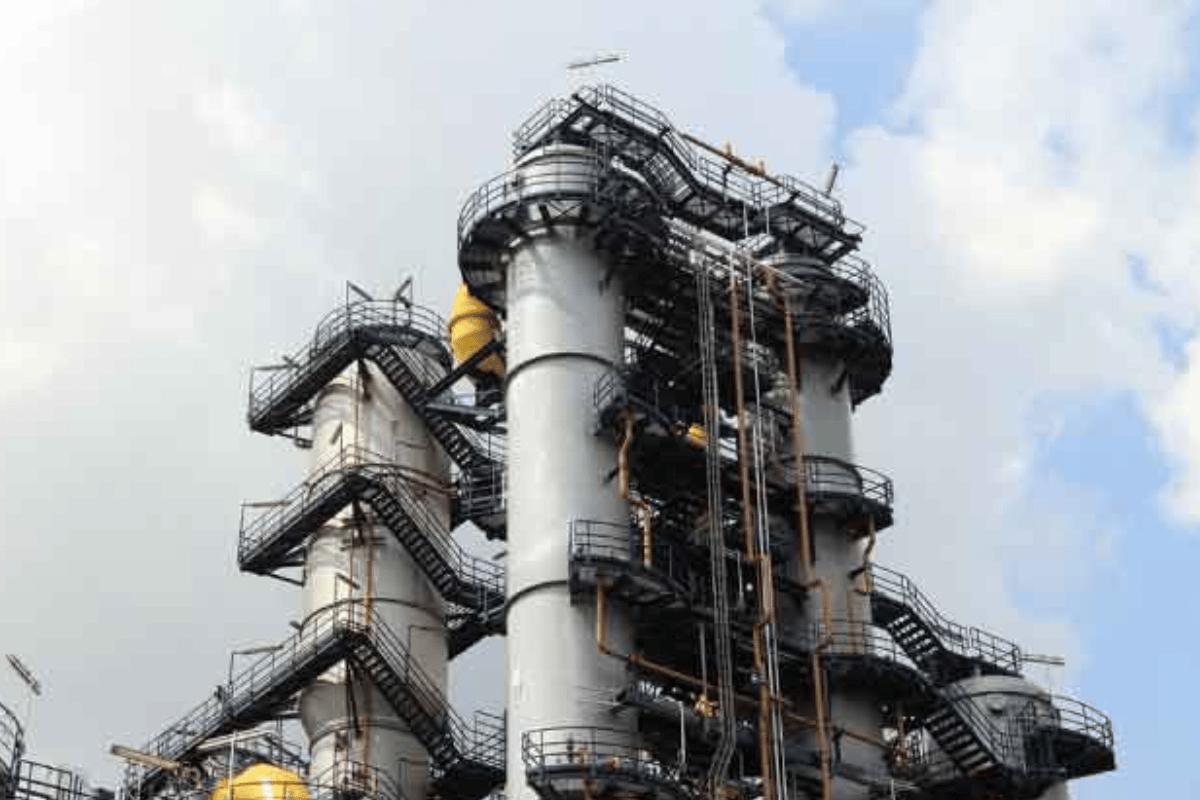
Materials selection for corrosive chemical management requires testing materials which provide the highest protection against chemical breakdown and physical damage. Grade 316 and Grade 304 stainless steel have become the standard material for use in applications which need to handle various types of acids and bases. The chemical industry prefers Hastelloy and Teflon and polypropylene because these materials offer better resistance to corrosion and durability during extreme conditions than other options. Glass-lined steel provides a suitable solution for use in environments with strong acidic conditions.
The assessment process requires evaluation of the specific chemical being handled together with information about its concentration and temperature and the conditions of its operational environment.
Best Metals for Corrosive Environments
Stainless Steel (Grades 304 and 316)
Known for their resistance to rust and oxidation, stainless steels are versatile options. Grade 316 offers improved performance in more aggressive chloride environments compared to 304.
Titanium
Titanium delivers exceptional protection against multiple corrosive materials which include seawater and strong acids because of its lightweight and highly durable nature.
Hastelloy (Nickel-Based Alloys)
The nickel-based alloy Hastelloy provides superior performance in chemical processing applications because it resists both oxidizing and reducing agents.
Monel (Nickel-Copper Alloy)
Monel serves as a nickel-copper alloy which operates effectively in marine and chemical settings while providing strong protection against saltwater corrosion.
Duplex Stainless Steel
Duplex Stainless Steel combines austenitic and ferritic stainless steel properties to create a material which exhibits better stress corrosion cracking resistance together with higher strength.
The selection process for suitable metal materials requires knowledge about the specific chemical substances and temperature range and environmental factors that will be present in the situation. Proper consideration maximizes system longevity and safety.
Role of Stainless Steel in Chemical Processing
The chemical processing industry depends on stainless steel because it contains superior resistance to corrosion and maintains high strength at elevated temperatures while enduring extended use. The alloy composition creates a protective oxide layer through its chromium content which protects the material from deterioration in extreme conditions. Stainless steel functions as a standard material for reactors and heat exchangers and storage tanks because it maintains its structural integrity during contact with aggressive acids and alkalis, which protects both operational safety and process security. The material functions as an industry standard because it combines multiple applications with trustworthy performance for chemical processing work.
Plastic Materials and Their Compatibility
The lightweight and durable nature of plastic materials together with their ability to resist corrosion make these materials essential for multiple industrial applications. The specific chemical and application compatibility of different polymers depends on their respective polymer types. The testing showed that polyethylene and polypropylene materials can endure acids and alcohols and bases which makes these materials ideal for use in chemical storage and transfer piping systems. The polymer polyvinyl chloride exhibits strong resistance against oxidizing agents and salts yet it becomes unsuitable for handling organic solvents which include ketones and aromatic hydrocarbons because these substances will lead to material degradation and swelling.
Industrial operations and chemical processes require thorough compatibility tests of plastic materials to avoid three major risks which include structural failures and contamination and hazardous reactions. Organizations need to develop complete compatibility charts which require empirical testing for critical operations safety and performance optimization in extreme conditions. The field of polymer science has achieved recent breakthroughs which expand plastic applications through improved chemical resistance and thermal stability for contemporary industrial applications.
Safety Protocols for Handling Corrosive Materials
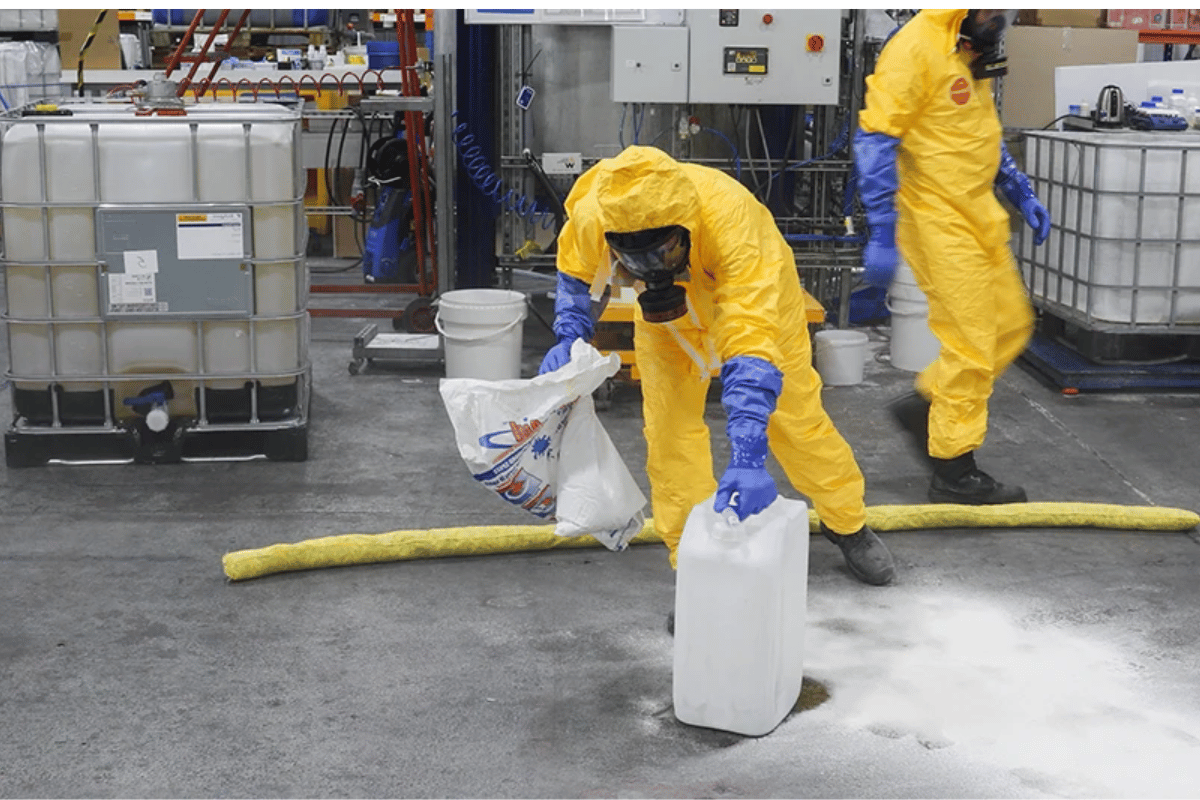
Key Safety Protocol Requirements
Personal Protective Equipment (PPE)
Workers must use protective equipment to minimize their exposure to corrosive substances according to safety guidelines which mandate the use of chemical-resistant gloves and safety goggles and face shields and protective clothing.
Proper Storage Procedures
The correct procedure for storing corrosive substances requires their placement inside approved containers which must display proper labels and use materials that match the stored substances. The storage space needs to maintain proper air circulation while keeping dangerous materials away from each other.
Emergency Response Systems
The emergency response system needs safety showers and eyewash stations to function properly. All staff members must learn the emergency response procedures which apply during chemical spills or exposure incidents.
Ventilation Requirements
Employees must use fume hoods and ventilation systems because these devices safeguard them from breathing issues which arise during their work with hazardous chemicals that produce toxic fumes and explosive substances.
Safe Handling Techniques
Workers should handle materials through the safe delivery method of using chemical pumps and fume-proof containers. Workers should use all available methods to avoid manual pouring of corrosive liquids.
Training Programs
The training program provides workers with ongoing education to learn about proper handling procedures and safety measures and emergency response methods. All staff members must have access to current safety data sheets which include hazardous material information.
Spill Management
The organization needs specific containment kits for corrosive chemical spills which include appropriate materials to manage both containment and neutralization and cleanup procedures.
Personal Protective Equipment (PPE) Guidelines
The handling process for corrosive materials requires the implementation of suitable personal protective equipment which safeguards workers against injuries and protects them from hazardous substances.
✓Chemical-Resistant Gloves: Workers must wear chemical-resistant gloves which contain nitrile or neoprene or butyl rubber for protection against specific corrosive materials.
✓Eye and Face Protection: Workers must use chemical splash goggles with face shields to protect themselves from chemical splashes and aerosolized substances.
✓Protective Clothing: Workers must wear long-sleeved chemical-resistant lab coats and aprons and full-body suits to protect their skin from contact with hazardous materials.
✓Safety Footwear: Workers must choose chemical-resistant closed-toe shoes which provide protection against spilled materials.
✓Respiratory Protection: Workers must wear respirators which use chemical cartridges or supplied air systems to protect themselves from corrosive fumes and vapors based on air quality evaluations.
All PPE needs to undergo regular inspections which assess its condition and determine when replacement is necessary. Proper training on the donning, doffing, and maintenance of PPE must be provided to all personnel to maximize safety and compliance.
Emergency Spill and Leak Procedures
Step 1: Evacuate the Area
All non-essential personnel must leave the affected area without delay. The spill area access needs to be restricted because it will lower exposure risks.
Step 2: Assess the Spill
The assessment requires identification of the spilled substance together with an estimation of its total amount. The SDS document contains information about hazardous materials and their required handling procedures.
Step 3: Contain the Spill
The team must use spill containment materials which include absorbent pads and barriers and neutralizers to control the spilled substance.
Step 4: Deploy Personal Protective Equipment (PPE)
The SDS requires all responders to receive proper PPE equipment that includes gloves and goggles and respirators.
Step 5: Execute Cleanup Procedure
The team needs to collect all spilled materials which they will put into approved containers that display proper labels according to local and state and federal disposal regulations.
Step 6: Report the Incident
The team needs to document the spill first before they contact the right supervisory personnel or regulatory authorities who need to know about the situation.
Storage Solutions for Corrosive Liquids
Proper storage of corrosive liquids is essential because it protects both safety standards and compliance requirements. The following guidelines represent the main requirements for storage:
Use Compatible Containers
The storage of corrosive liquids requires containers which withstand chemical degradation through high-density polyethylene (HDPE) or glass materials depending on the specific chemical properties of the substance.
Label Clearly
All containers must be clearly labeled with the substance name, hazard class, and appropriate warning symbols.
Ventilated Storage Areas
The storage of corrosive liquids should take place in areas which maintain proper airflow, with chemical storage cabinets built for corrosive materials serving as the optimal storage option.
Segregation
The storage of corrosive liquids should occur in dedicated areas which keep these substances apart from bases, oxidizers, and flammable materials to stop any hazardous chemical reactions from occurring.
Temperature Control
Storage areas need to maintain their temperatures inside the established temperature limits because this practice protects against container breakdowns and chemical reactions which can lead to instability.
Secondary Containment
The installation of spill trays and secondary containment systems serves to protect the environment by stopping leaks and spills from reaching beyond controlled areas.
Best Practices for Storing Corrosive Chemicals
Proper Labeling: All containers must have their chemical name and hazard warnings and handling instructions displayed on the container.
Ventilation: Corrosive chemicals require storage in areas that have proper ventilation to stop dangerous fumes from accumulating.
Segregation: The storage of acids and bases needs to occur in separate areas to minimize the chances of chemical reactions occurring.
Secure Storage: The storage area needs to use strong materials that resist corrosion and to implement secure shelving systems which will safeguard against spills and leaks and breakage incidents.
Emergency Access: The facility needs to provide unimpeded access to necessary safety equipment which includes eyewash stations and neutralizing agents and spill kits.
Identifying Safe Storage Materials
The safe storage materials that protect chemicals must demonstrate resistance to all contained substances which guarantees material longevity while preventing dangerous leaks and chemical reactions.
The evaluation of chemical properties during material selection process requires safety data sheet (SDS) testing to confirm material compatibility.
Managing Chemical Compatibility in Storage
The appropriate storage of chemicals requires effective management of chemical compatibility to prevent dangerous chemical reactions. The following measures should be taken to ensure safe storage:
The storage area should contain separate sections which display all hazard classes of chemicals including acids bases oxidizers flammables and toxics.
The chemical pairings which should not be combined include acids with bases and oxidizers with flammables according to compatibility charts and safety data sheet SDS information.
Organizations need to choose containers and secondary containment systems that will prevent chemical leaks and container damage through material selection because storage requirements depend on their needs.
The organization needs to control temperature and humidity and ventilation systems to maintain safe storage conditions for their facilities.
Organizations need to follow all relevant safety standards while conducting regular inspections of their storage facilities to check for leaks and corrosion and other hazardous situations.
Frequently Asked Questions
What characteristics establish a chemical processing "corrosive environment"?
A corrosive environment exists in operational areas which allow chemicals and environmental conditions to damage materials through chemical or electrochemical processes. The process of corrosion causes material degradation which affects the structural strength and operational capability of pipes and vessels and instrumentation. The environment's severity depends on chemical type and concentration and temperature and pressure and moisture and impurity levels.
What are the fundamental principles of material selection for corrosive services?
The primary principle requires organizations to choose materials that have documented chemical resistance against their operational chemical processes. The process requires an extensive assessment of all factors including:
Corrosion Resistance: Selecting alloys or polymers or ceramics which demonstrate minimal corrosion rates when exposed to designated chemicals. Stainless steels function effectively in environments with oxidizing acids while nickel alloys serve better in environments containing reducing acids.
Temperature and Pressure Ratings: The material must sustain its mechanical strength together with its corrosion protection abilities under the highest operational temperatures and pressures of the process.
Cost-Effectiveness: The organization needs to assess both the initial acquisition cost and the future maintenance expenses together with the material's functional lifetime.
What are the most common corrosion-resistant alloys (CRAs) used in chemical plants?
The specified alloys include different categories which demonstrate their effectiveness in environments which contain corrosive substances:
Stainless Steels (e.g., 304L, 316L): These materials serve diverse applications because they resist both atmospheric corrosion and various chemical solutions. The material 316L provides enhanced protection against chloride exposure through its inclusion of molybdenum.
Nickel Alloys (e.g., Hastelloy, Inconel): These materials provide exceptional protection against highly corrosive substances which include strong acids and extreme temperature environments that would lead to stainless steel failure.
Titanium Alloys: These materials offer superior protection against oxidizing environments which include chloride-containing environments such as saltwater or wet chlorine gas.
Zirconium: The material demonstrates excellent protection against most acids and bases which makes it suitable for demanding chemical process applications.
How are non-metallic materials used to combat corrosion?
Non-metallic materials serve as essential components for managing highly corrosive fluids which require non-metal materials because metals cannot endure such conditions:
Fluoropolymers (e.g., PTFE, PFA): These materials function as pipe and vessel liners because they exhibit chemical resistance to nearly all substances throughout a wide temperature range.
Fiber-Reinforced Plastic (FRP): Composite materials used to construct large tanks, pipes, and ducts, providing a high strength-to-weight ratio and excellent corrosion resistance.
Technical Ceramics: These materials find use in applications needing extreme hardness combined with protection against both corrosion and high-temperature environments which include pump seals and valve components.
Key Takeaway
The complete list of safety measures needs to be implemented because it will guarantee protection of safety standards while preventing accidents which might cause permanent damage to both human beings and the environment. The sources provide essential information which helps organizations control and reduce their difficulties with corrosive environments that occur during chemical processing.
Reference Sources
How To Effectively Handle and Manage Corrosive Chemicals - The study presents assessment safe storage methods and handling techniques for corrosive substances together with their hazardous material properties.
Corrosives 101: How to Identify, Handle, and Store - The document explains safe methods for identifying and handling and storing corrosive materials.
Safe Handling of Corrosive Chemicals | The Chemistry Blog - The article provides an overview of the regulations and standards that govern the safe handling procedures for corrosive materials.
A Guide To Corrosion Prevention Chemicals - The document describes how chemical inhibitors function as a successful solution to protect infrastructure from corrosion damage.