
 Chinese
The bundle puller serves as an essential tool for industries that depend on accurate measurement and fast operations. The bundle puller serves as an essential equipment because it helps organizations that work in manufacturing construction and cable handling operations to create better workflows. The blog will explain how the tool works together with its features and its ability to improve efficiency across different use cases. The article will show how the bundle puller provides value to different industries through its function as a transformative asset which helps professional and novice users to enhance their operational efficiency. The presentation will demonstrate how the system improves work output through its main advantages and essential operational functions.
Introduction to Bundle Pullers
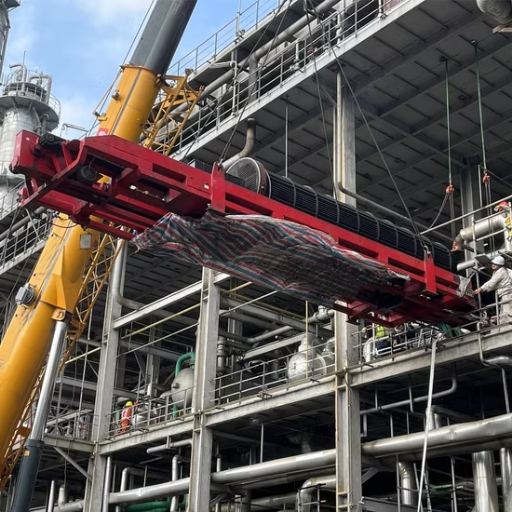
Bundle pullers function as specialized equipment which helps operators to handle and move bundled materials in industrial and manufacturing environments. The equipment allows operators to easily lift and transport heavy bundles which have difficult shapes through its ability to grip and pull and position. The tools provide increased operational efficiency together with better accuracy which becomes vital during activities that require fast operations and secure handling. The equipment serves as a vital resource which businesses across multiple sectors can use because of its dependable performance and flexible application.
Components of a Bundle Puller
A bundle puller typically consists of several key components designed for efficient operation:
Gripping Mechanism: This part holds bundled materials with secure strength through its use of strong jaws and clamps and hooks which prevent slippage during use.
Handle or Lever: The handle or lever provides users with control and leverage which enables them to operate the puller because it decreases the force needed to lift heavy objects.
Adjustable Features: Many bundle pullers include adjustable mechanisms to accommodate various bundle sizes and shapes for greater versatility.
Durable Construction: Bundle pullers use steel or aluminum materials to create equipment that will last through extreme operational demands.
Rope or Cable (if applicable): Some models use ropes or cables for pulling which enables them to achieve smoother and longer-distance movements.
The components of the system function together to provide the bundle puller with dependable operational performance which meets the demands of industrial work environments.
Purpose of a Bundle Extractor
A bundle puller is a tool designed to extract bundled materials composed of wirings, cables, and pipes among other materials from confined or flat packed areas. These bundles come in handy especially in industrial environments given these tools lift and shift quite bulky and strong winds canals easily without harming the stuff inside. In the event that bundles of this size are used in any of the areas of manufacturing, construction or transportation, bundle removal tools will help in getting rid of bundles physically and also have a danger on these bundles concerning safety reduced. The productivity successes of bundle removers have been enhanced that was facilitated by other contemporary techniques that are more user-friendly for various usages.
How Bundle Pullers Work
Bundle pullers operate by using a system of gripping mechanisms and controlled pulling forces to safely and efficiently extract bundled materials. The first step of the process needs the puller to establish a strong hold on the bundle by using clamps or gripping arms which stop any material from slipping away or getting damaged. The system activates after the bundle has been secured because it needs to apply constant pulling strength to move the bundle away from its existing location. Modern bundle pullers are often equipped with sensors and automated controls which guarantee accurate operations while decreasing operational mistakes. The introduction of advanced technological capabilities allows some pullers to utilize adjustable settings which enable them to work with different bundle sizes and weights, making them useful for manufacturing and logistics and construction operations.
Applications of Bundle Pullers
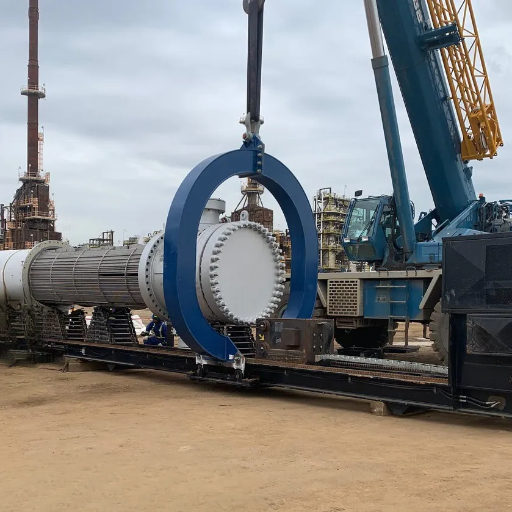
Bundle pullers are widely utilized across various industries because they provide efficient and versatile solutions. In manufacturing, they help with transporting heavy materials while they assist in the precise positioning of parts throughout the manufacturing process. The logistics industry uses bundle pullers to improve goods movement between warehouses which results in better operational efficiency. The construction industry uses these tools to handle and transfer bundled materials which include pipes and cables and beams because they improve project workflow efficiency. Operations that require accurate measurements and secure environments depend on their capacity to operate with different weight and size requirements.
Use in Construction
Construction workers use bundle pullers to move bundled materials which include pipes and beams and cables. The equipment provides easier methods to move and position and secure materials which decreases accident risks and helps to complete projects on schedule. The equipment provides essential support for tasks which require exact measurement because it can handle different weight and size requirements. Bundle pullers improve material handling which results in higher construction site productivity and better safety standards.
Manufacturing Applications
Bundle pullers play an essential part in manufacturing operations which need exact movement of both raw materials and finished products. Industries that handle high-volume transportation of bundled materials, including wiring harnesses and tubing and sheet metal, Commonly implement this system in automotive and aerospace and heavy machinery manufacturing. The implementation of bundle pullers on assembly lines enables manufacturers to achieve two advantages through a combination of reduced manual tasks and enhanced operational efficiency which leads to quicker production times while maintaining safety protocols. The latest developments in pulling technology combine ergonomic product designs with automated systems to boost productivity while reducing employee exhaustion. Bundle pullers create essential innovations which improve efficiency for multiple manufacturing industries.
Electrical Work and Heat Exchangers
Electrical work depends on heat exchangers because these devices control thermal energy in electrical systems. The equipment functions as a temperature control system which achieves heat transfer between two different materials that include liquids and gases while keeping those materials separate. The technology powers essential electrical systems which include transformer cooling systems and large industrial equipment because equipment overheating leads to major operational problems.
The latest advancements in heat exchanger technology use materials with high conductivity together with small-sized designs to achieve better efficiency in tight spaces. The introduction of smart monitoring systems allows users to track temperature and system performance which leads to efficient energy use and shorter periods of system unavailability. The application of these current advancements enables heat exchangers to function as essential components which guarantee both operational stability and extended operational lifespan of intricate electrical systems.
Benefits of Using a Bundle Puller
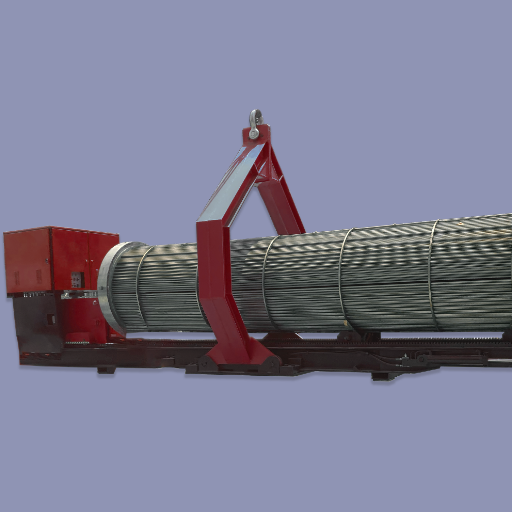
The bundle puller provides an easy solution for tube bundle maintenance tasks because it enables workers to extract and reinstall tube bundles more effectively. The tool performs three main functions because it decreases required physical work, protects delicate parts from potential harm, and creates a safer working environment for employees. The operational expenses decrease because equipment downtime decreases, which results in better productivity during maintenance work.
Improved Efficiency in Workflow
The implementation of a bundle puller system creates major improvements to the heat exchanger maintenance process because it enables better work execution throughout the entire procedure. The traditional methods require workers to move tube bundles which results in multiple hours of work that creates delays and operational problems. The bundle puller system enables operators to extract and reinstate bundles with higher speed and accuracy which results in substantial reduction of operational downtime. The recent research shows that various industries have experienced better maintenance performance after they started using these tools which meet contemporary operational efficiency requirements. The current bundle puller systems require operators to control their advanced hydraulic and pneumatic systems which create operational advantages while reducing work interruptions. The combination of these technologies allows facilities to operate at their highest efficiency while maintaining safe operations and delivering quality standards.
Safety Enhancements
The implementation of bundle pullers has established new safety standards which protect workers in multiple sectors. The tools use advanced hydraulic and pneumatic systems to decrease manual labor requirements which leads to lower workplace injury rates including strains and sprains. The automated features enable precise and stable movement of bundles which decreases the chances of accidents caused by slippage or misalignment. The modern bundle pullers include emergency stop functions and fail-safe systems which boost worker safety during their use. The advancements support the current trend of building safer and more efficient work environments which shows how technology maintains strict safety standards.
Cost Savings in Operations
The use of a bundle puller system brings about operational cost reductions because it improves operational performance while decreasing material waste. The devices enable efficient movement of heavy bundles which leads to safer work environments because they reduce manual handling needs and decrease potential workplace injuries that result in medical expenses and work interruptions. The system achieves high precision which decreases the occurrence of material damage during handling processes thus providing financial savings from replacement and repair costs. The combined advantages of this system create operational benefits which lead to increased profitability through better work efficiency.
Choosing the Right Bundle Puller
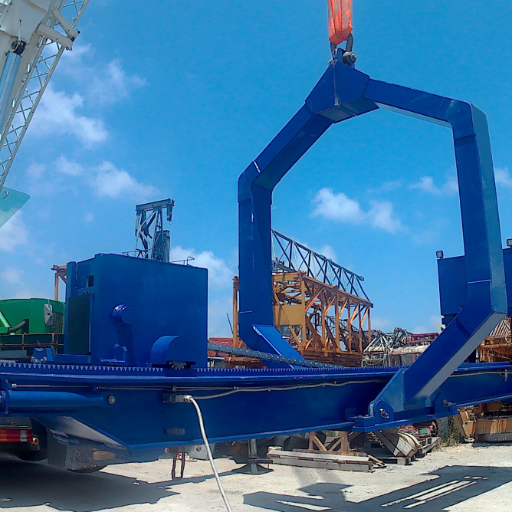
The selection process for an appropriate bundle puller requires assessment of three key factors which include load capacity and specific material handling requirements and user-friendly operation features. The assessment process requires you to examine durability and product construction because it determines the equipment's ability to endure challenging working conditions. The assessment process requires you to examine product features which include maneuverability and safety mechanisms and maintenance requirements. The selection of a puller which meets your operational needs and stays within your budget will provide you with maximum operational efficiency and extended product lifespan.
Factors to Consider: Size and Material
The equipment portion of the puller mostly relies on the other dimensions, enabling and efficiency and lifespan of these elements. The size of the Puller should correspond to the actual size of the package and the weight. Inadequate small puller would attempt to carry bigger loads whereas unnecessary large puller could become difficult to use and store.
To assess the operational toughness and life span of a puller, one should first review the constituent elements that it is made out of. In the case of heavy-duty puller, however, such as the ones made from hard steel alloy, or aluminum alloy in lighter applications, limits on weight can bear as suggestions for the choice of material. Stainless steels are used in such cases when corrosion central problem, all factors wet and moist influence the material selection. The environmental conditions of the site in which the puller device is to be used also push the limit for the selection of material because it is impossible to keep the performance of the puller if the material capacity is oHeed to be evaluated. The traditional method uses the size and material factors to evaluate such a puller, leads to elevated performance levels, which in turn improves the methods of work carried out to a higher degree where efficiency levels suit the user's work.
Durability and Compatibility
The selection process for bundle pullers requires assessment of two essential criteria which are durability and compatibility with other systems. Choose a puller which manufacturers built from strong materials because it will maintain its original condition through extended use and extreme environmental conditions. The specific environment needs assessment because stainless steel functions effectively in corrosive and humid environments through its ability to resist rust. The puller must work with all bundles because compatibility needs to match the size and type of bundles which require handling. The correct alignment between your operational requirements and your system operations will enable your organization to achieve maximum productivity while decreasing equipment breakdowns.
Recommendations for Specific Tasks
Heavy-Duty Tasks
Choose pullers for heavy-duty applications which use high-grade steel to manufacture their components. These systems operate at established performance levels while handling large weight bundles. Users should select products which provide better grip capabilities to achieve safe usage.
Corrosive Environments
In situations with corrosive substances or wet conditions, operators need to select pullers that use stainless steel or other materials which resist corrosion. These materials provide enduring strength which protects against rusting, making them suitable for extended use in demanding conditions.
Precision Work
Lightweight pullers with ergonomic designs serve as the optimal solution for tasks which require handling delicate items or small bundles. Users should search for tracks which provide easy control features and prevent bundle damage through secure grip functions.
Frequent Use
Select pullers which provide comfortable grips and built-in features to reduce fatigue through their padded handles when your work will involve multiple puller operations. This system improves user experience while it protects users from strain during extended work period.
The correct puller selection helps to match specific task needs which results in better operational efficiency and maximum equipment output.
Maintenance of Bundle Pullers
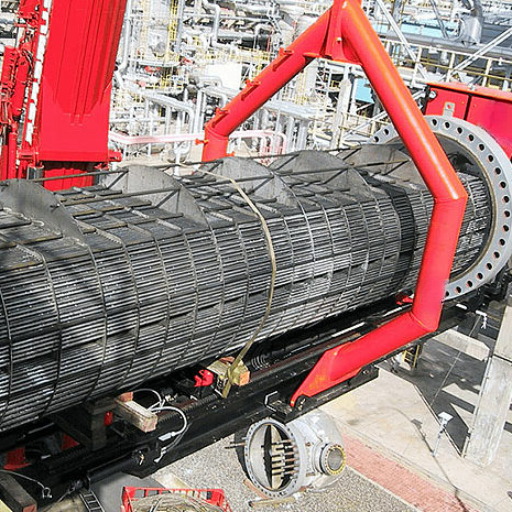
Proper maintenance of bundle pullers ensures their longevity and optimal functionality. The tool requires regular inspection to detect wear signs which include frayed grips and misaligned components as well as any other existing problems that should be fixed immediately. The puller requires cleaning because operators must remove all debris and dirt after each use to prevent performance problems caused by buildup. The equipment needs its moving parts to receive lubrication at regular intervals which helps maintain operational efficiency while decreasing rust and corrosion risks. The puller needs to be stored in a secure and dry location when not in use because this practice protects it from environmental damage. Consistent care reduces downtime and enhances the tool's efficiency over time.
Importance of Regular Inspections
Bundle pullers require regular inspections to achieve their best performance and maintain safety and extend their operational life. The inspections detect all equipment damage which includes both physical and mechanical failures that can lead to major operational disruptions. According to recent data, search interest in "tool maintenance tips" has seen a steady rise, indicating growing awareness about the importance of preventive measures. The process of checking essential parts which include clamps and cables and hydraulic systems enables users to sustain accurate operations without interruptions. The maintenance schedule which manufacturers recommend protects the operational efficiency of the puller while improving its performance in challenging working conditions.
Cleaning and Storage Tips
Clean it Always after Use: Each usage demands full cleaning of the puller as frit must be removed after every use or else performance problems arise. For cleaning a soft brush or cloth can be used.
Lubricate the Moving Parts: According to the manufacturer, it is wise to apply lubrication to all the moving parts. Such application would lead to less friction and protect the part from rust and corrosion in the days to come.
Protect from Moisture: Storing the puller demands a dry space that is cool. The onset of rust and decay follows the moment moisture has it.
Use Protectors: The system should be shielded from dust as it reduces accidental harm by casing with protective textiles or with a blanket whenever such system is not in use.
Check Before Storage: Inspect the puller for damage, or wear right before storage. By fixing all minor problems now, it could prevent a major issue.
Best Practices for Optimal Performance
In order to get the most lifelike bundle puller performance and durability I take a some strategic measures. Cleanliness of the puller is of the utmost importance for me and therefore after every usage, I make sure to clean it from any dirt or grime that may cause it to malfunction. I also avoid storing it in wet areas or places with high humidity that might cause rusting or any other kind of damage. Use of protective covers while not in operation helps the puller from getting loaded with dust or any wear and tear. Moreover, I always check the condition of the tool, both before and after storage, addressing any wear or damage immediately. Such approach allows me to get more from the puller in terms of its performance and service life.
Reference Sources
Equipment Design and Cost Estimation for Small Modular Systems
This document discusses the design and limitations of equipment like tube bundle pullers, including handling larger diameters.
Read more hereNDSU Research Equipment
This resource lists various industrial and research equipment, which may include relevant tools for bundle extraction.
Read more hereInformation to Users - Iowa State University
This document provides insights into efficient handling and extraction processes in industrial settings, which may relate to bundle extractors.
Read more here
Frequently Asked Questions (FAQs)
What is a bundle puller and where is its typical location in a plant?
The bundle puller machine operates by pulling out and putting back heat exchanger bundles which are used to create heat exchanger bundles. The bundle puller machine is located next to the exchanger in process units of chemical plants and refineries and oil facilities which have exchangers installed in their facilities. Workers use self-propelled units or crane-assisted units to reach the exchanger core because these tools provide safe and efficient access.
How does the bundle puller operate and what location considerations affect performance?
The bundle puller system works by using its winching mechanism and hydraulic engine to remove bundles from their container through attachment to the bundle itself. The dimensions of the area together with the requirements for crane overhead movement and the maximum weight capacity of the floor and the distance from the exchange equipment to its nearby buildings determine which equipment between self-propelled bundles and aerial bundle extractors and crane-mounted devices will provide the necessary operational strength.
What types of bundle pullers are available and which location is best for each?
The common types of pullers include fixed-frame pullers self-propelled units aerial bundle extractors and crane-assisted extractors. The fixed-frame units work best when the exchanger site permits them to be securely anchored. The self-propelled machines prove effective for site layouts that require movement between multiple exchangers. Aerial bundle extractors serve the purpose of lifting or moving bundles from remote locations that have restricted space or high elevation points.
Can a bundle puller reinsert heat exchanger bundles into the surrounding structures in some isolated location in the plant?
Oh, yes. Remote operators are designed to pull bundles from within the confines of a heat exchanger and reinsert new ones. These remote locations may require distances from winches, utility service connections, site limitations, etc.-ample considerations where a crane attached to an existing structure may not have channel access to the bundles or the project in question.
What are some unique considerations whenever a bundle puller is employed at a dangerous or oil-contaminated location?
Sure. While the hazardous conditions exist at the site, it is very important to ensure that the puller and all electrically operated items are explosion-proof or intrinsically safe. Proper decontamination procedures for oil or chemical residues must be applied along with the use of suitable protection gears and ventilation operating measures. A unit that is capable of being operated from a distance would reduce the total number of potential casualties and make last-minute interventions during the extraction or injection actions much safer from a distance.