
 Chinese
Proper maintenance and inspection of heat exchangers are critically important to their optimal performance and prolonged operation in industrial environments. Tube bundle extraction is undoubtedly one of the most critical and technically challenging heat exchanger maintenance processes. Although it is not an easy task, this article presents an exhaustive, step-by-step guide on the tube bundle extraction procedure aimed at helping engineers, maintenance technicians, and other technical professionals deal with the intricacies of the task. These tips and insights will not only provide readers with a deep understanding of safe and efficient extraction techniques including the required tools, but also address common problems in the area and how to solve them. After reviewing this guide, you will have the skills needed to carry out this procedure with great accuracy, thereby minimizing downtime and increasing overall equipment efficiency.
Understanding the Tube Bundle in Heat Exchangers
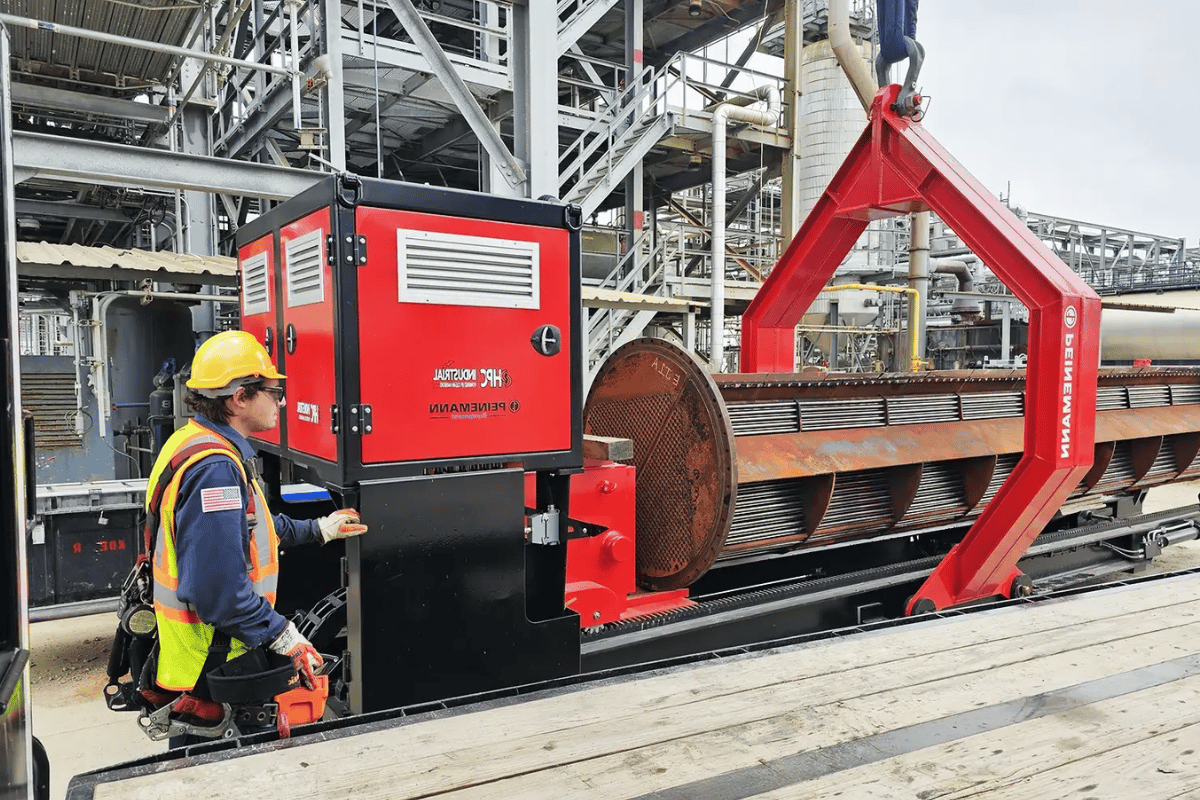
The tube bundle represents the main component of a shell-and-tube heat exchanger, consisting of a collection of tubes placed inside a cylindrical shell. Its primary purpose is to facilitate heat transfer between two fluids—one passing through the tubes and the other circulating around them in the shell. Typically, the tubes are manufactured from materials with excellent conductive properties, such as stainless steel or copper, to optimize the heat exchange process.
Key Design Configurations
The design of the tube bundle can be fixed, U-tube, or floating head, each selected to accommodate repair requirements and thermal expansion. The strategic placement of tubes among the baffles helps direct fluid flow while preventing vibration or damage. Understanding the function and technical aspects of the tube bundle is essential for maintaining heat exchanger performance and reliability.
Definition and Purpose of Tube Bundles
Tube bundles consist of tubes arranged in a shell-and-tube heat exchanger in a specific configuration that enables quick and effective heat transfer between liquids. Their function is to maximize the surface area for heat exchange while providing structural integrity and support when experiencing temperature and pressure variations. These bundles are critically important components designed to optimize the heat transfer process and maintain system reliability during demanding operations.
Types of Heat Exchangers and Their Applications
Shell and Tube Heat Exchangers
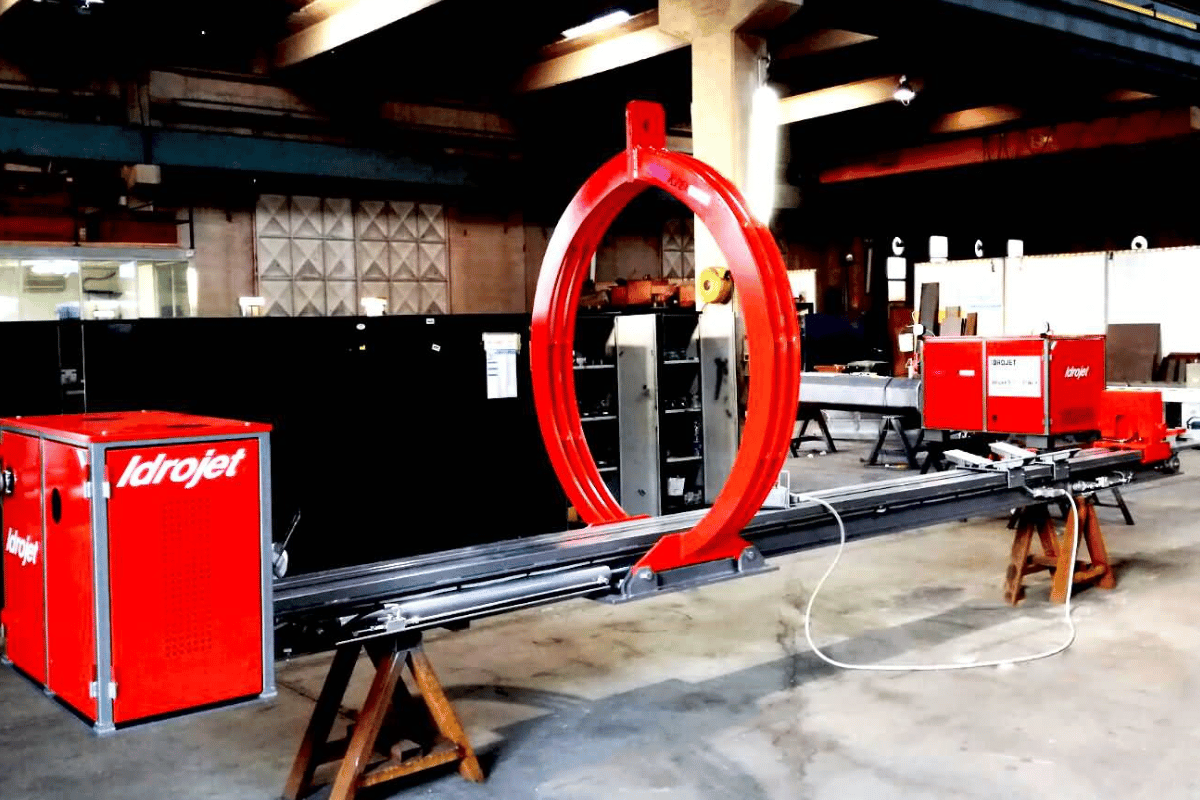
Shell and tube heat exchangers are the most frequently used types in industrial applications. Their construction includes a series of tubes, with one set carrying hot fluid and another carrying cooler fluid. These heat exchangers are highly flexible and are employed in chemical processing, power generation, and petrochemical engineering industries. Their capability to handle high-pressure and high-temperature applications makes them a reliable option for heat transfer in demanding environments.
Plate Heat Exchangers
Plate heat exchangers are made of thin, corrugated plates stacked one over another with fluids flowing between them. Their high efficiency has made them widely used in HVAC, food and beverage, and refrigeration industries. The compact design and ability to achieve high rates of heat transfer make them ideal for applications requiring space-saving solutions.
Air Cooled Heat Exchangers
Air cooled heat exchangers use ambient air for cooling fluids or gases. These exchangers, along with integrated fan systems that move air over series of tubes, typically work in industries where water resources are scarce such as oil and gas processing or power plants. Their low operating costs and environmental friendliness make them preferred for cases where water management is a concern.
Double Pipe Heat Exchangers
Double pipe heat exchangers feature one pipe placed inside another with two fluids flowing in opposite directions to maximize heat transfer (counterflow). They are perfect for small-scale operations and are often found in chemical manufacturing or oil refining industries for applications with relatively small heat transfer areas.
Finned Tube Heat Exchangers
Finned tube heat exchangers use extended surfaces (fins) to expose more area to fluids, thereby improving heat transfer efficiency. Such exchangers are extensively used in heating or cooling air applications including HVAC systems, gas turbines, and waste heat recovery units. Their ability to work efficiently in various thermal environments continues to be a reason for their popularity across different industries.
Each heat exchanger type has a specific role and is selected based on criteria including thermal efficiency, size constraints, operating pressure, and the characteristics of the fluids involved. Proper heat exchanger selection is key to achieving optimal system performance and energy efficiency.
Importance of Regular Maintenance
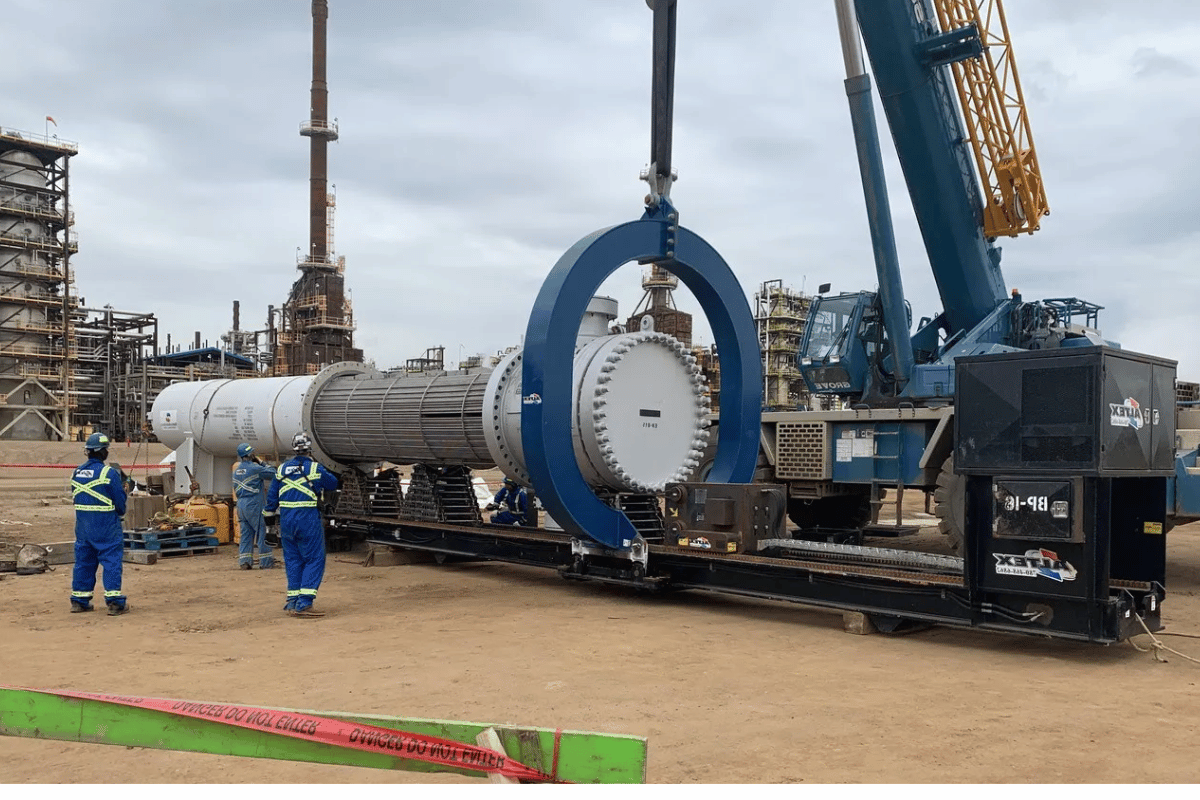
Regular upkeep of heat exchangers is essential for ensuring their efficiency, longevity, and safe operation. Neglecting maintenance can cause numerous problems including reduced thermal performance, increased energy consumption, equipment failure, or costly downtime. Below are five critical aspects of regular heat exchanger maintenance:
Critical Maintenance Points
Inspect for Fouling and Scaling
Fouling and scaling occur when particles or minerals accumulate on heat exchanger surfaces, leading to reduced conductivity and efficiency. Research has shown that even scale with a thickness of 0.01 inches can cause up to 20% reduction in heat transfer efficiency.Monitoring Pressure Drop
A sudden or gradual increase in pressure drop indicates possible blockages or fouling in the system. Regular pressure drop monitoring helps detect issues early, preventing equipment damage.Corrosion Checks
Corrosion can weaken heat exchangers and eventually result in leaks or failures. Periodic inspections are necessary for detecting and preventing corrosion through the use of corrosion-resistant materials or protective coatings.Cleaning Procedures
Cleaning techniques like chemical cleaning, mechanical brushing, or high-pressure water jetting are most effective for removing deposits and fouling. Maintaining a proactive cleaning schedule ensures the heat exchanger operates at maximum efficiency.Checking Gasket and Seal Integrity
Gaskets and seals are critical components that prevent leaks. Over time, they may deteriorate due to thermal cycling, pressure fluctuations, or age. Regular inspection and timely replacement of gaskets and seals maintains uninterrupted operations.
Key Benefit: Adopting these maintenance practices prolongs heat exchanger performance and lifespan, reduces operating costs, and ensures compliance with industrial safety standards.
Preparation for Tube Bundle Extraction
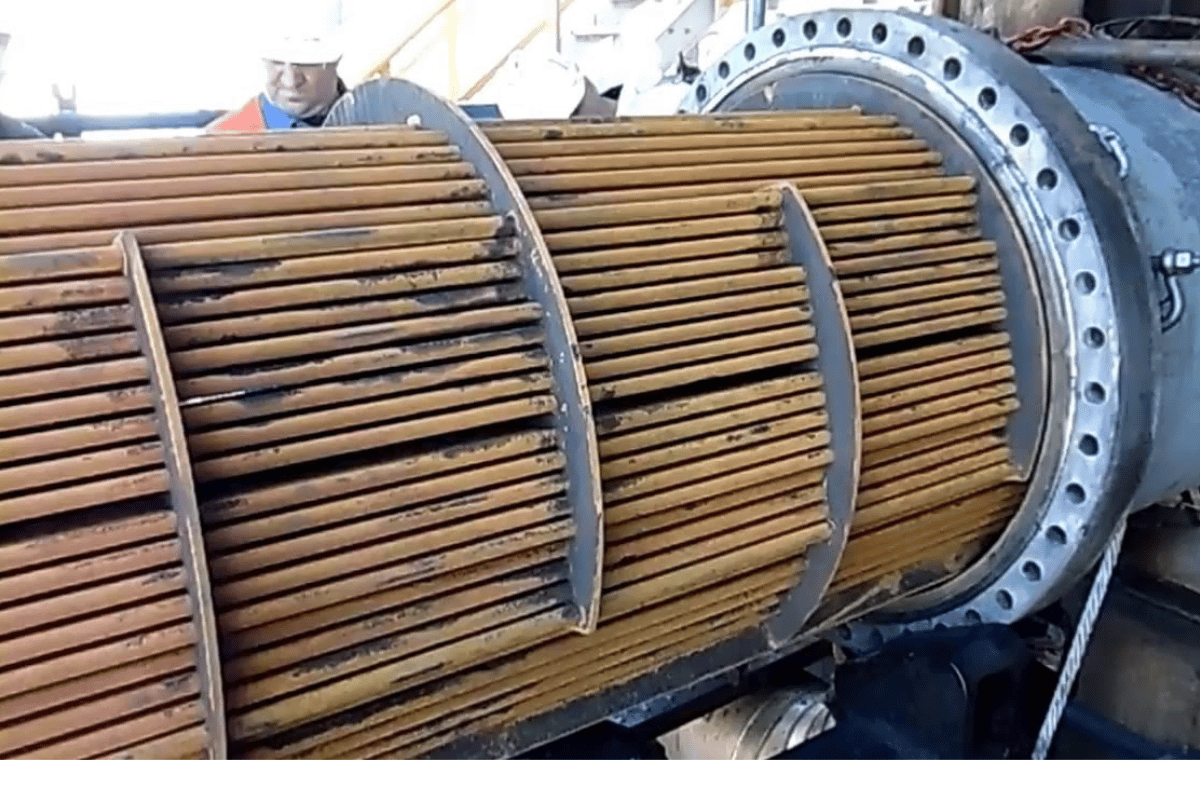
Proper preparation is critically important to guarantee a safe and efficient tube bundle extraction process. Begin by isolating and depressurizing the heat exchanger to ensure complete elimination of any residual pressure or fluid. Verify that the unit is completely drained and cleaned to prevent contamination or hazards. Examine lifting equipment and tools to confirm they are rated for the weight and size of the tube bundle. Ensure sufficient space around the heat exchanger to enable safe removal and designate a secure location for the extracted bundle. Finally, ensure all personnel involved in the process are well-trained in safe handling practices and have clear understanding of the extraction plan. These measures significantly reduce risks and facilitate smooth operations.
Necessary Tools and Equipment
Ensuring all necessary tools and equipment are available before starting operations is essential. This includes crane systems or hoists with adequate load capacity, slings and shackles certified for safety standards, hydraulic or pneumatic bundle pullers plus pry bars. Additionally, confirm the presence of torque wrenches, gaskets, cleaning systems for thorough maintenance, and proper personal protective equipment (PPE) for all workers. The availability of these tools guarantees efficient and safe operations throughout the entire process.
Lifting Equipment
Crane systems or hoists with proper load capacity ratings
Safety Rigging
Certified slings, shackles, and safety harnesses
Extraction Tools
Hydraulic/pneumatic bundle pullers and pry bars
Precision Tools
Torque wrenches and calibrated measuring instruments
Maintenance Supplies
Cleaning systems, gaskets, and lubricants
Safety Equipment
Complete PPE for all personnel involved
Safety Precautions and Best Practices
Safety must always be the top priority. Ensure all staff working together understand how to handle tools properly and are aware of safety practices before any job starts. Conduct a thorough risk evaluation to identify hazards and implement appropriate control measures. Regularly inspect tools and machinery to confirm they are functioning correctly, removing any faulty equipment from service immediately. Additionally, strictly enforce PPE requirements, promote clear communication through signs and discussions, and maintain a clean and organized work area as the highest priority to minimize risks.
Essential Safety Checklist
Conduct comprehensive risk assessments before beginning work
Verify all personnel are trained and certified for their roles
Inspect and test all equipment before use
Enforce strict PPE compliance for all workers
Establish clear communication protocols and signage
Maintain organized and clutter-free work areas
Identifying the Right Extraction Method
Selecting the optimal extraction method is a decision based on several critical factors including the physical and chemical properties of materials, desired purity levels, and operational constraints of the process. Among various techniques, liquid-liquid extraction, solid-phase extraction, and supercritical fluid extraction offer distinct advantages depending on specific applications. For instance, liquid-liquid extraction is the preferred technique for separating compounds based on their solubility in two immiscible liquids, whereas solid-phase extraction can accurately isolate analytes from complex mixtures.
Recently, methods utilizing supercritical CO₂ or bio-solvents have begun replacing more traditional techniques due to their eco-friendly and efficient characteristics. Additionally, automated extraction systems are increasingly being used in laboratories to enforce consistent result quality, increase work capacity, and reduce human error. A careful and comprehensive analysis of operational requirements, environmental factors, and costs should guide the decision-making process for selecting the appropriate method.
Step-by-Step Extraction Procedure
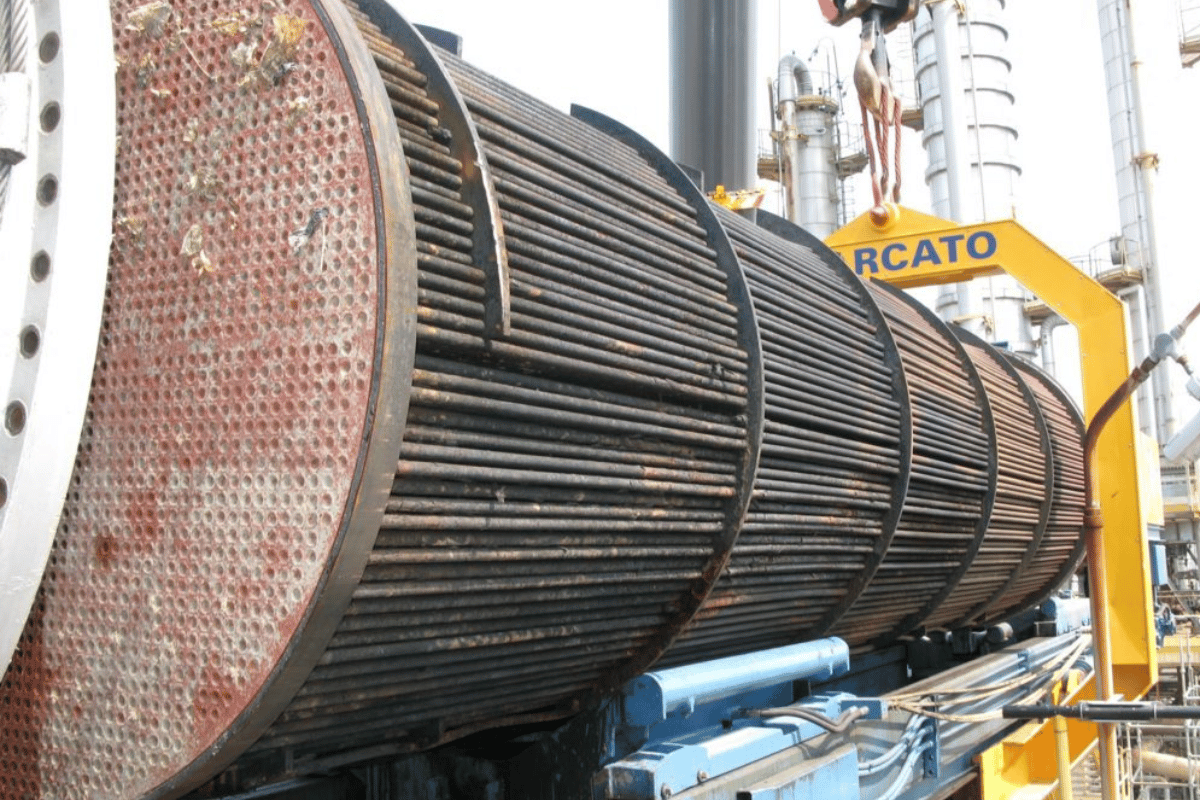
Following a systematic approach to tube bundle extraction ensures safety, efficiency, and equipment integrity. Below is a comprehensive breakdown of each critical step in the extraction process:
Complete Extraction Process
1. Preparation of Materials
Initially, gather and prepare raw materials for extraction. Materials should be clean, dry, and properly sized to maximize surface area for efficient extraction processes.
2. System Setup
Inspect and assemble extraction equipment. Verify that all components are functioning properly and configured according to the selected method. This includes checking pressure gauges, temperature controls, and solvent input systems.
3. Loading the Extraction Vessel
Fill the extraction vessel with prepared material. Ensure even distribution so that material is subjected to uniform processing throughout the extraction cycle.
4. Initiate the Extraction Process
Start extraction by introducing the selected solvent or activating system parameters (e.g., temperature, pressure). Maintain consistent settings throughout the extraction process to ensure reproducibility.
5. Monitor the Process
Continuously observe key parameters including temperature, pressure, and extraction time. Make adjustments as needed to maintain quality without compromising efficiency.
6. Collect the Extract
Carefully collect the extracted product once the process is complete. Use suitable containers to preserve the quality and integrity of the extract.
7. Post-Extraction Processing
Purify or refine the extract as necessary to meet desired product specifications. Common steps include filtration, evaporation of residual solvents, or application of additional separation techniques.
8. System Maintenance and Cleaning
Dismantle and thoroughly clean extraction equipment. Inspect for wear or damage and perform regular maintenance to ensure long-term operational capability.
Detailed Extraction Steps
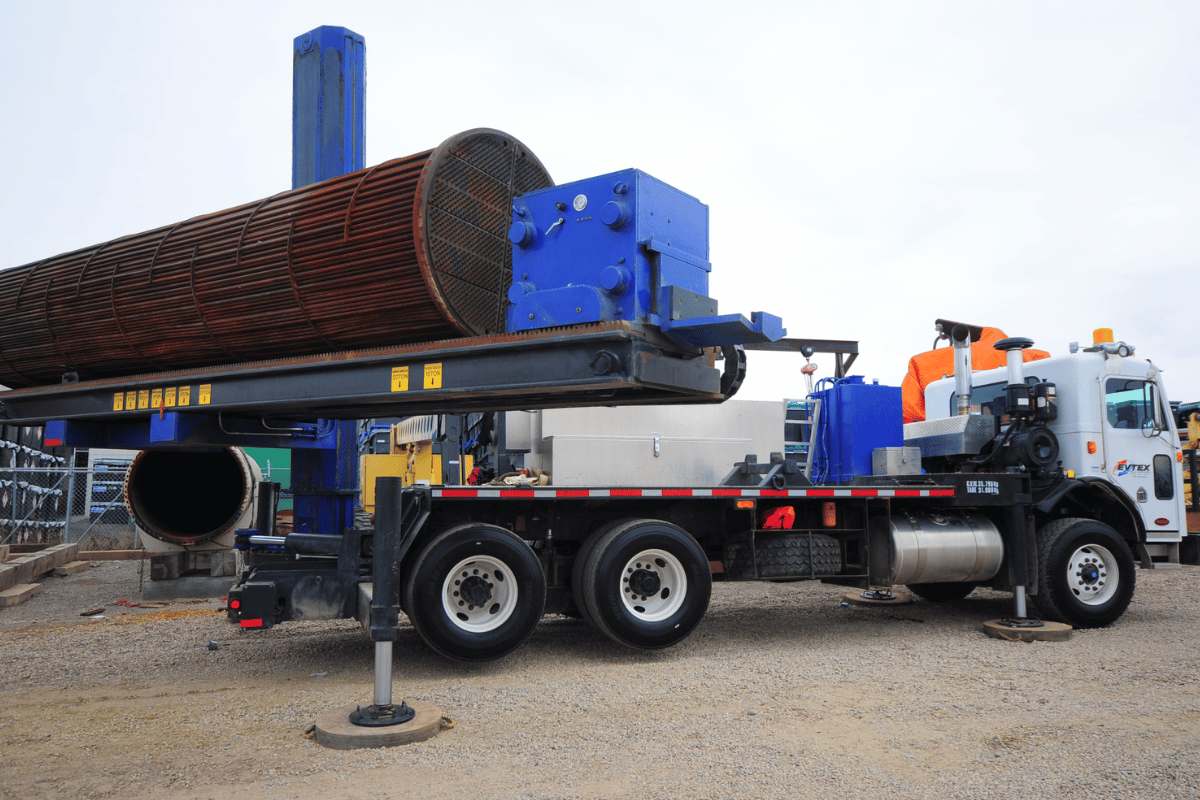
Step 1: Shut Down and Isolate the Heat Exchanger
To disconnect and isolate the heat exchanger, first ensure the system is fully depressurized, then close all related valves to stop fluid flow. Subsequently, disconnect the electrical supply to the heat exchanger and comply with all recommended safety protocols, including lockout/tagout procedures. This process secures safe access for maintenance or inspection work.
⚠️ Critical Safety Protocol
Lockout/Tagout (LOTO): Never bypass lockout/tagout procedures. This critical safety measure prevents accidental startup during maintenance and protects personnel from serious injury or death.
Step 2: Drain the System and Remove Connections
To drain the system, open appropriate drain valves and ensure complete removal of all fluids from the heat exchanger. Apply containment measures to properly collect and dispose of fluids in compliance with environmental and safety regulations. After draining is complete, carefully disassemble all pipes and connections, documenting their positions for reassembly. Inspect every removed connection for signs of wear or damage before proceeding.
Best Practice Tip
Document connection positions with photographs or detailed diagrams. This documentation proves invaluable during reassembly and helps prevent costly errors or delays.
Step 3: Extracting the Tube Bundle
To perform tube bundle removal, use a tube bundle extractor or appropriate pulling device suitable for the specific situation, ensuring safe and controlled extraction. Position equipment precisely and align it with the bundle to avoid creating unnecessary stress or risk of damage. Monitor the operation closely and periodically check for any resistance or blockage which might signal corrosion or fouling. If resistance is encountered, apply additional lubricant or cleaning agent to facilitate smoother removal. Once the bundle has been completely extracted, move it to the predetermined support structure where it will be subjected to further inspection and maintenance.
Extraction Monitoring Checklist
Verify proper equipment alignment before initiating pull
Monitor hydraulic pressure throughout the extraction process
Watch for signs of binding or unusual resistance
Apply lubricants as needed to reduce friction
Maintain communication between all team members
Secure bundle immediately after complete extraction
Post-Extraction Handling and Inspection
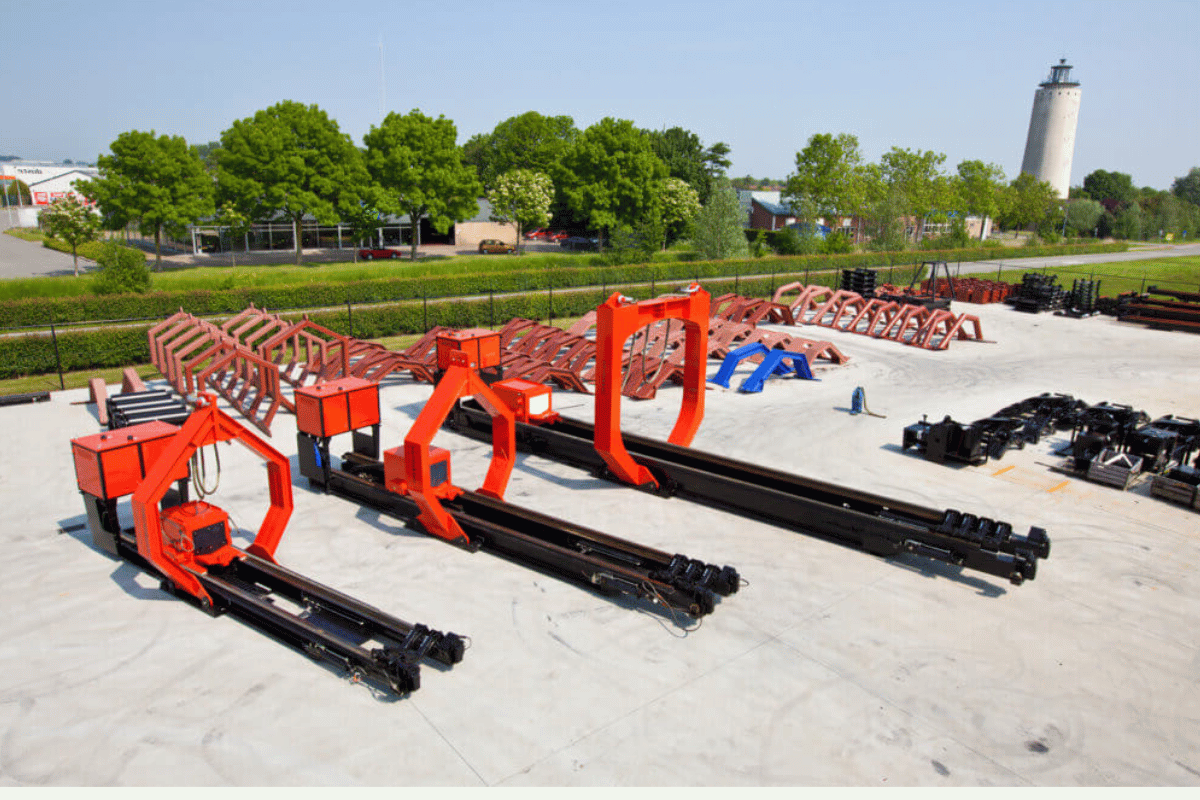
The first priority after extraction is to conduct a very careful evaluation of the bundle to determine its condition. This should commence with surface cleaning to remove any dirt or contamination that might still be present. Inspect for the presence of wear and tear, rust, cracks, and other types of damage that might reduce performance. Use calibrated measuring instruments to verify dimensions meet specifications and whether the component remains structurally sound. Systematically record all findings to spot frequently occurring problems and keep maintenance history current. If any damage is found, quickly initiate processes for respective repair or replacement to avoid prolonging operational downtime. Keep the inspection area neat and orderly at all times to facilitate accuracy and safety.
Inspecting the Tube Bundle for Damage
Tube bundles can sustain damage from different sources, typically mechanical, thermal, or chemical, which compromise their performance and longevity. Mechanical stresses, such as vibration and improper installation, are among the reasons leading to misalignment or wear on tube walls. Thermal damage usually results from extreme heat and cold fluctuations which cause expansion and contraction, thus resulting in cracking or weakening of materials. Chemical corrosion, mainly in systems subjected to aggressive fluids or environments, can significantly degrade tubes' structural strength, leading to leaks and inefficient operation.
Proactive Damage Prevention Strategies
Based on recent industry data, proactive damage prevention strategies remain critically important. Companies can monitor damages in advance through advanced techniques such as:
Non-destructive testing (NDT) methods like ultrasonic inspections
Infrared thermography inspections to spot weaknesses early
Use of corrosion-resistant materials in construction
Maintenance of optimal operating parameters
Following regular maintenance schedules consistently
These approaches can help minimize tube bundle failure significantly and consequently improve overall system reliability.
Cleaning and Maintenance After Extraction
Establishing proper cleaning and maintenance protocols immediately after tube bundle extraction is critically important for tube lifespan and performance. Literature and industry data strongly support the use of high-pressure water jetting and chemical cleaning to completely remove scales, deposits, and contamination from tubes. High-pressure water jetting, at pressures based on tube material specifications, cleans effectively while preserving structural integrity. Additionally, chemical cleaning depending on deposit types, such as acid cleaning for calcium carbonate deposits, can prevent issues like corrosion or heat transfer degradation over extended periods.
Post-Cleaning Inspection Methods
Inspections after cleaning are equally important. Advanced inspection methods should be employed to confirm tube integrity:
Eddy Current Testing (ECT): Detects surface and near-surface flaws in conductive materials
Magnetic Flux Leakage (MFL): Identifies corrosion and material loss in ferromagnetic tubes
Significant equipment life and system efficiency gains can be achieved by following these protocols along with the use of quality protective coatings.
Documenting the Extraction Process
Documenting the extraction process requires describing each step in detail to ensure repeatability and maintain high accuracy. Typically, the extraction process starts with raw material evaluation followed by necessary steps such as sorting, cleaning, and crushing, depending on specific conditions and end goals. Capturing parameters like temperature, pressure, and flow rate constantly through real-time data acquisition systems is a growing trend in industries during extraction. These actions further enable process optimization and increase operational standards compliance by decreasing the risk of deviation.
Modern Documentation Trends
Moreover, using machine learning models in data analysis makes it possible to forecast extraction efficiency and identify bottlenecks. Current search trends indicate that many companies are seeking systems that can automatically monitor chemical extractions, especially in pharmaceutical and material sciences areas. The combination of these technologies with careful documentation of every step can deliver higher accuracy, reduced waste, and significant cost savings while keeping organizations aligned with regulatory standards.
Reference Sources
Below are valuable references detailing the step-by-step extraction of tube bundles:
Tube Extraction Procedures (SI0254): Provides complete extraction procedures for heat exchangers. Read more
Heat Exchanger Maintenance Procedure: Includes template for tube bundle extraction and detailed maintenance steps. Read more
Remove, Clean, and Re-Install Bundle from an Exchanger: Explains the entire process of tube bundle removal, cleaning, and reinstallation. Read more
Tube Bundle Extraction and Transporting: Covers methods of using self-positioning tube bundle pullers for extraction and movement. Read more
HydraPULL - Hydraulic Bundle Extractor MODEL MK-1085: Details the workings of hydraulic bundle extractors. Read more
Feel free to explore these resources for more detailed information on tube bundle extraction techniques and equipment!
Frequently Asked Questions (FAQs) - Step-by-Step Tube Bundle Extraction Procedure
What are the critical pre-job checks required before starting an extraction?
No equipment should be mobilized until the site has been carefully assessed. This includes checking ground bearing capacity to ensure it is sufficient for the weight of the extractor and bundle. Additionally, double-check that all blinding and isolating processes have been performed and that the heat exchanger is totally cooled down, emptied, and cleared of hazardous liquids. Confirm the area has enough height and width for the extractor to move around and open completely during pulling operations.
How do I determine if the bundle is "locked" or seized inside the shell?
A bundle is considered seized if it remains stuck despite application of the initial calculated break-out force. This might occur due to severe fouling, corrosion, or baffle deformation. If the hydraulic pressure gauge approaches equipment capacity (maximum safe working load) and there is no movement, stop immediately. Forcing a seized bundle without first resolving the obstruction (e.g., via chemical cleaning or mechanical loosening) can lead to catastrophic equipment failure.
Is a specific permit required for tube bundle extraction?
Yes, tube bundle extraction is a high-risk activity that generally requires a Lifting Plan and a Permit to Work (PTW) specific to the operation. Depending on site regulations, you might also require Hot Work permits if cutting or grinding is likely, and Confined Space Entry permits if personnel must enter the shell side for inspection. Always check with your site's safety officer to ensure all documents are validated before work commences.
What is the correct procedure for aligning the extractor with the shell?
Proper alignment is crucial to avoid damaging the tube bundle or shell. The extractor's longitudinal axis must coincide exactly with the heat exchanger's centerline. Employ the extractor's hydraulic leveling jacks or crane adjustments to precisely match height and angle. Misalignment might lead to heightened friction, binding during the pull, and possibly structural damage to the tube sheet or baffles.
How is the pulling mechanism attached to the tube sheet?
The pulling mechanism attachment method depends on extractor design, but typically consists of securing a pulling plate or adapter to the tube sheet using high-strength threaded rods or bolts. These bolts are threaded into tube sheet holes (often jack-screw holes). It is essential to utilize the correct bolt grade specified by the manufacturer and to torque them evenly so that pulling force is distributed symmetrically across the tube sheet face.
Why is continuous monitoring of hydraulic pressure necessary during the pull?
Hydraulic pressure directly indicates how much force is being applied to the bundle, allowing operators to detect anomalies instantly. A sudden spike in pressure indicates obstruction or binding, while a sudden drop indicates component failure or slip. Keeping pressure within specified limits ensures the operation is safely working within the equipment's safe working envelope.
What should be done if the bundle becomes stuck halfway out?
Stop all movement immediately if a bundle binds during extraction. Don't attempt to release it by pushing hydraulic pressure beyond rated capacity. Check the visible part of the bundle for damaged baffles, debris, or misalignment. You may need to briefly reverse direction (push back) to release tension and realign the extractor. In extreme cases, it might be necessary to use high-pressure water jetting or chemical solvents to dislodge fouling between the shell and bundle.
How do you ensure stability when the bundle is fully extracted?
The center of gravity shifts significantly when the bundle emerges from the shell. The extractor must be correctly counterbalanced to handle this shifting load. Once the bundle has emerged, it should be secured immediately. If using a self-propelled unit, lower the load to its transport position as soon as possible to reduce the center of gravity. If using an aerial extractor, ensure the crane operator provides smooth control to avoid swinging.
What are the exclusion zone requirements during extraction?
The entire operation area must be surrounded with an exclusion zone. The zone size should consider worst-case scenarios regarding rupture or failure of hydraulic hoses or pulling rods, which are components under highest tension. Only the minimum number of people absolutely necessary for the operation should be allowed within this zone. The zone must be marked clearly with barriers and signs to keep unauthorized persons out.
Master Tube Bundle Extraction with Confidence
By following this comprehensive guide, you now have the knowledge and practical insights needed to perform tube bundle extraction safely and efficiently. Remember that proper preparation, adherence to safety protocols, and systematic documentation are the keys to successful maintenance operations that minimize downtime and maximize equipment longevity.