
 Chinese
The essential requirements of a bundle puller must be known by users because these requirements will specify which operational tasks they must complete. This comprehensive guide examines all essential elements which need to be evaluated when assessing a bundle puller through its maximum capacity, physical size, and existing power system options. The specifications determine whether the equipment can handle your particular workload requirements and environmental conditions. This guide provides complete technical knowledge which enables you to choose between system upgrades and new equipment purchases while boosting operational efficiency and productivity.
Understanding Bundle Pullers
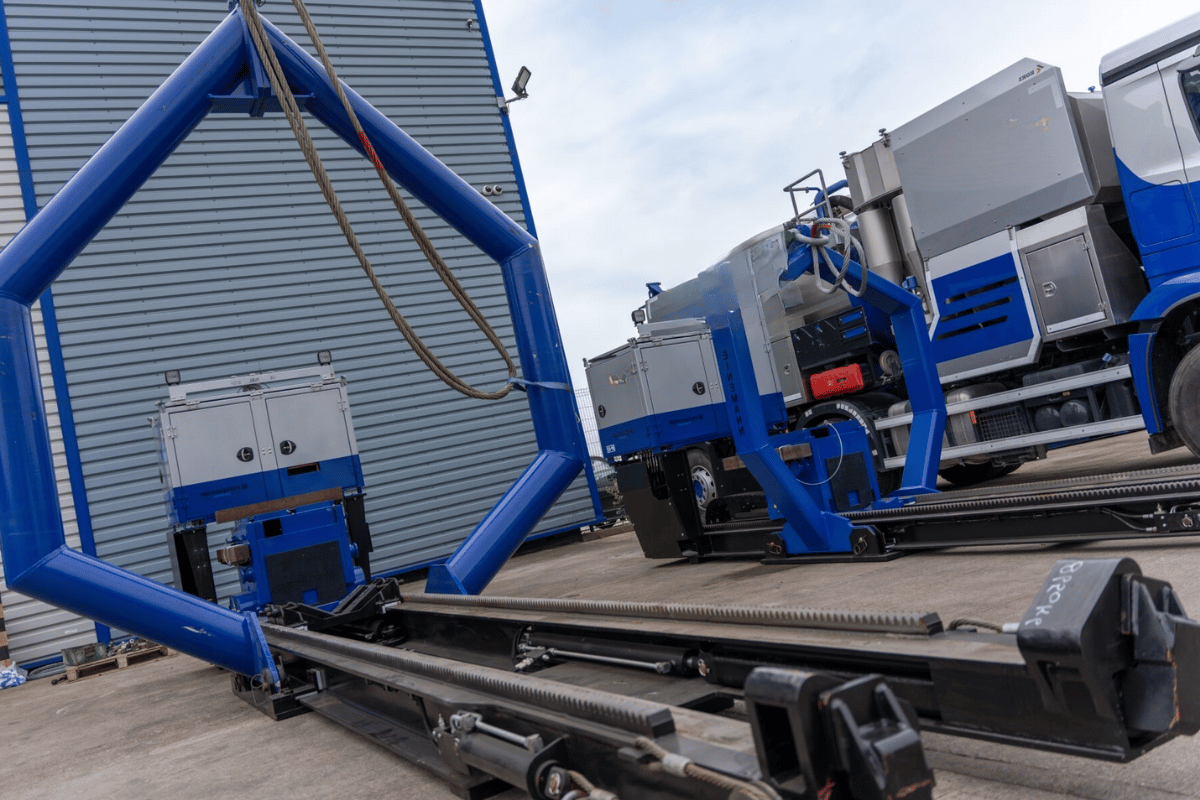
Bundle pullers serve as dedicated equipment which enables operators to effectively move and handle bundled materials which include cables, conduits, and pipes through different industrial applications. The primary function of these devices is to transport held bundles through narrow pathways which need to be used for installation and maintenance purposes. The devices have been built to last through tough conditions while providing exact results because their systems maintain safe handling while preventing material destruction.
What is a Bundle Puller?
The bundle puller serves as a mechanical device which enables workers to transport and manipulate cable bundles, pipe systems, and similar materials during their installation, repair, and maintenance activities. The construction, manufacturing, and telecommunications industries depend on these tools because they deliver precise results which businesses need to operate effectively.
The latest bundle pullers showcase their advanced engineering design through ergonomic grip systems, strong pulling systems, and their ability to handle various bundle dimensions. The latest research shows that lightweight aluminum alloys which possess strength characteristics enable better functioning of their systems because they allow easy transportation while maintaining protection against heavy weight loads.
Types of Bundle Extractors
1. Manual Bundle Extractors
The operation of manual bundle extractors requires human operators who use the equipment for both small-scale operations and precise control operations. The equipment has a lightweight design which allows for easy transportation and usage in environments that require space constraints.
The extractors provide an affordable solution but require users to exert more physical strength while their performance decreases when they need to lift substantial weights.
2. Hydraulic Bundle Extractors
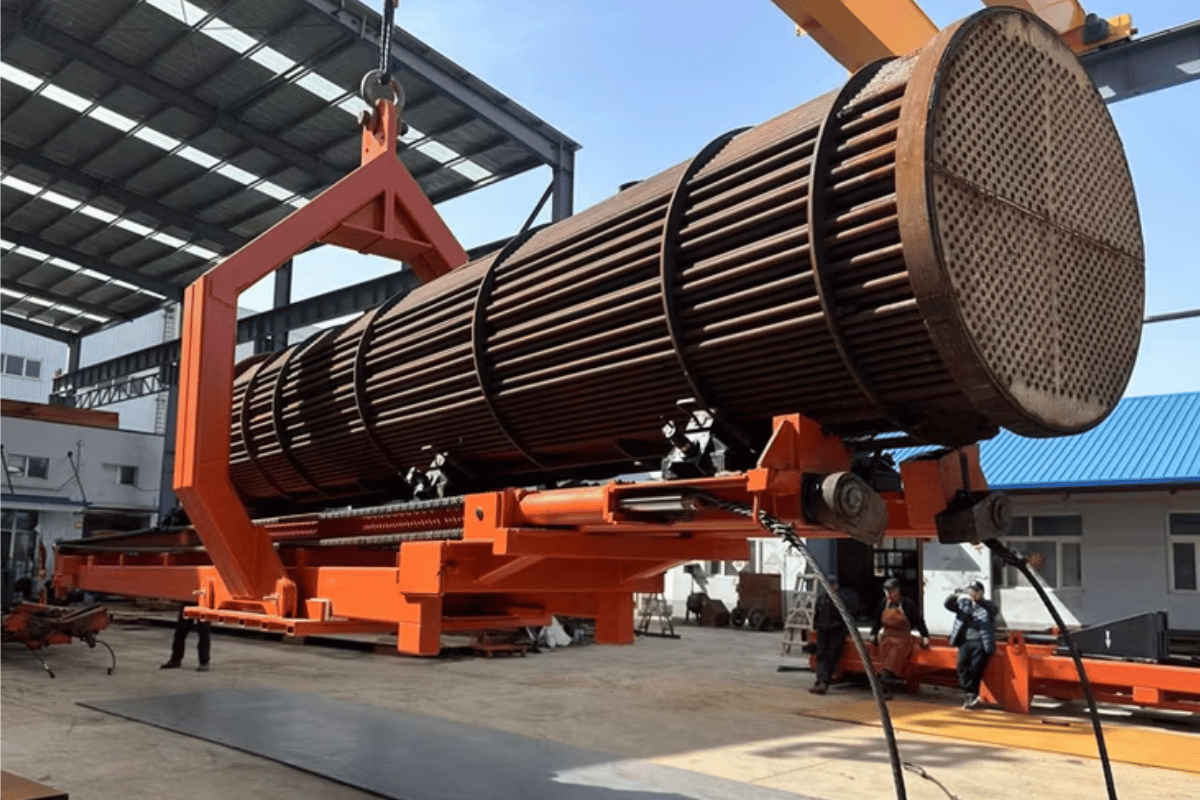
The pressurized hydraulic system of hydraulic extractors enables them to generate strong pulling forces. The machines function as perfect tools to remove heavyweight bundles from heat exchangers and other similar types of machinery.
The system operates at high efficiency which reduces operator fatigue, yet it needs both electrical power and full maintenance procedures to function properly.
3. Pneumatic Bundle Extractors
Pneumatic extractors use compressed air as their power source, which makes them environmentally friendly and efficient for industrial applications that need to keep their environmental impact at a minimum.
This system operates at higher speed and generates less noise than multiple other systems, although its operation requires access to both compressed air systems and the operational pressure limits of the system.
4. Electric Bundle Extractors
The extractors function through electric motors which deliver consistent operational results while decreasing their need for maintenance through simpler mechanical systems. Electric bundle extractors function as accurate control systems for environments which maintain constant electricity availability.
The system functions in multiple situations although it requires electricity to operate in remote places which lack power systems and in dangerous areas where power systems do not exist.
5. Telescopic Bundle Extractors
The telescopic models enable users to adjust their length between two points, which allows them to operate bundles that exist at different depth and size dimensions. The extractors function as flexible tools which industrial sectors utilize across varying operational requirements.
The equipment requires ongoing maintenance to function properly because its advanced technology needs regular checks and repairs to run smoothly.
Each type of bundle extractor is designed to meet specific operational requirements, ensuring adaptability and efficiency across various industrial applications.
Applications of Aerial Bundle Extractors
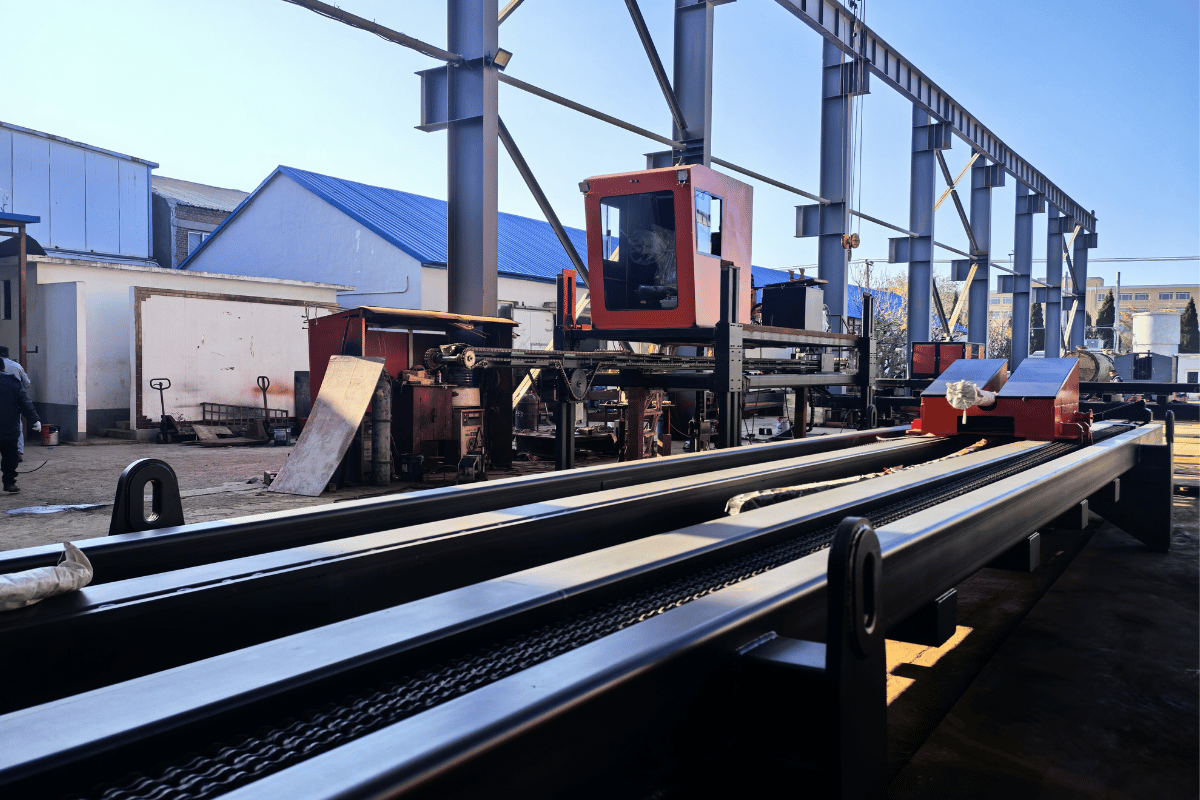
The five essential functions of these devices demonstrate their critical importance to multiple industries:
Petrochemical Facilities
Aerial bundle extractors function throughout petrochemical facilities to extract heat exchanger bundles and maintain them. The system enables operators to move heavy bundles while maintaining operational efficiency during their maintenance activities.Power Generation Plants
Power plants utilize these extractors to support their operational efficiency through the maintenance of heat exchangers. The equipment enables workers to perform their required high-demand tasks which need precision work in power facility maintenance.Oil and Gas Refineries
Refineries use aerial bundle extractors to execute bundle removal and replacement within their industrial heat exchangers. The equipment effectively operates heavy equipment because it combines two attributes which enable safe handling of all processing tasks.Chemical Manufacturing Sites
The chemical industry employs aerial bundle extractors for maintenance and inspection of critical process equipment. The system enables operators to maintain system efficiency through various equipment configurations which they can operate.Steel and Metal Processing Plants
Aerial bundle extractors function as vital equipment in steel mills and metal processing facilities which need effective maintenance systems to reduce operational interruptions. Their precision handling of high-weight components contributes significantly to maintaining operational throughput.
Key Specifications of Bundle Pullers
Load Capacity: The system functions according to its design specifications which permit it to lift weights between 10 tons and 100 tons based on different operational requirements and equipment specifications.
Stroke Length: The system provides a stroke length which extends from 5 feet to 20 feet which allows it to handle different bundle dimensions.
Hydraulic Pressure: The hydraulic system functions at maximum efficiency because it operates with hydraulic components that generate up to 10,000 psi of pressure.
Compatibility: The system has been developed to integrate with multiple heat exchanger and condenser design types.
Construction Materials: The system has been built using high-strength steel and aluminum alloys to endure the extreme conditions present in industrial work environments.
Safety Features: The system uses two safety features which protect operators through overload protection and secure locking systems.
Capacity and Load Ratings
The hydraulic extraction systems operate their full capacity while their load capacity limits to produce safe operational results which meet the diverse needs of different industrial applications. The systems provide load capacity support which varies between 10 tons and 500 tons according to different operating conditions and equipment specifications.
Engineers use advanced engineering methods to achieve exact equipment calibration which enables safe operation at maximum load capacity without damaging equipment performance or structural strength. The design phase uses finite element analysis (FEA) to design systems which distribute loads while keeping essential components secure from excessive stress.
Dimensions and Design Considerations
The dimensioning process together with design parameter development needs to begin from functional requirements assessment and their applicability to current systems. The system dimensions must match the operational environment to enable complete system integration and maximum spatial performance.
The design process needs to consider three factors which include thermal expansion tolerances, material behavior under load, and safety requirements for expected stress conditions. The design process must include ergonomic factors which enable users to conduct maintenance and operation activities according to industry standards and regulations.
Power Options for Bundle Extractors
Bundle extractors use three main power sources which include electric systems, hydraulic systems, and pneumatic systems. Electric-powered extractors work with high efficiency in locations which have dependable electrical systems. Hydraulic systems offer superior force capacity which makes them suitable for industrial applications that require heavy-duty operations.
The workplaces which need to maintain safety and cleanliness through compressed air systems, which use pneumatic power, achieve their goals because these systems eliminate all dangers associated with electrical equipment. The selection of a power source needs to consider operational requirements, environmental factors, and particular application needs to achieve the best performance and dependable operation.
Selecting the Right Bundle Puller
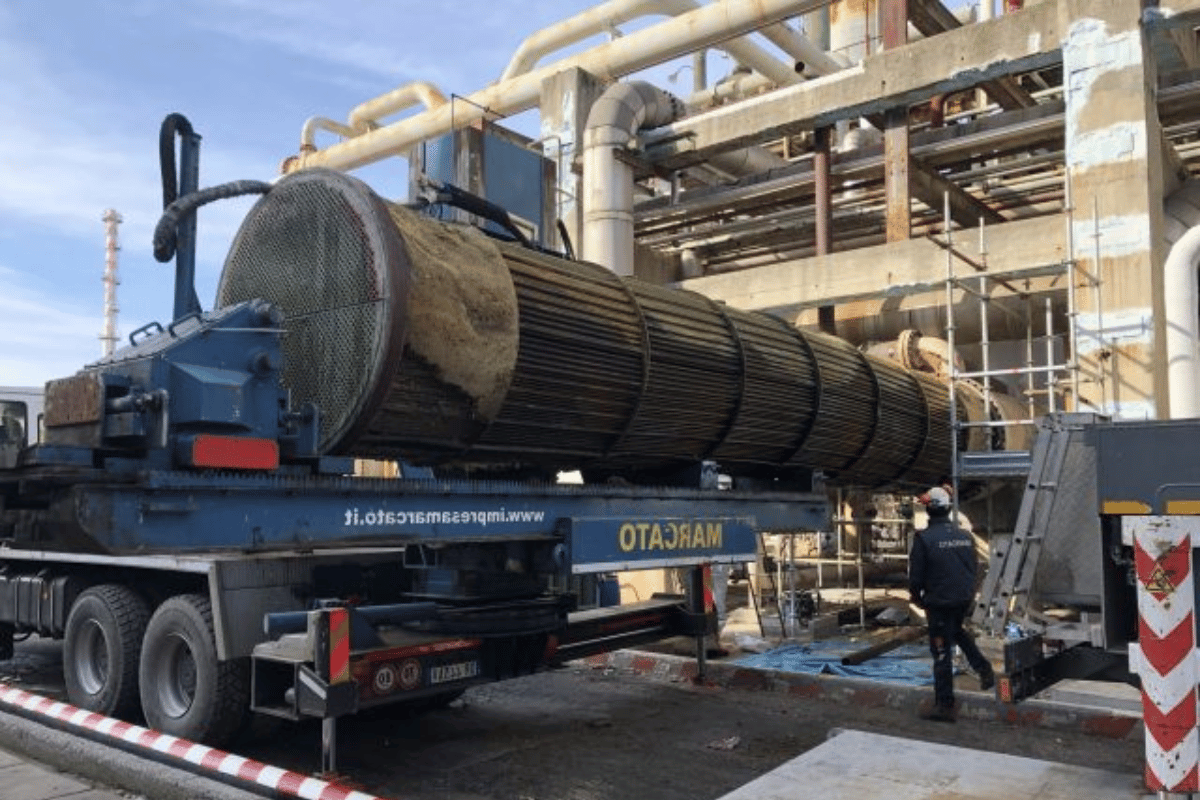
The bundle puller selection process begins with measuring the dimensions, weight, and bundle characteristics of the bundles which need to be transported. The selected puller must provide enough pulling power to meet all load requirements while maintaining operational efficiency. The working conditions need to be evaluated because outdoor environments require machines that use strong materials and prevent rusting.
Factors to Consider When Choosing a Bundle Puller
1. Load Capacity Specifications
The testing procedure needs to assess the maximum weight capacity of the bundle puller to evaluate its operational suitability for your specific requirements. Heavy-duty industrial operations require pullers with lifting capacity above 5000 pounds while lighter work tasks utilize pullers that have lower weight capacity. The puller needs to stay within this capacity range because it prevents mechanical damage and protects user safety.
2. Material Durability and Corrosion Resistance
The selection of materials for puller production determines its operational lifespan and ability to function in extreme conditions. Stainless steel and coated alloys provide superior protection against corrosion and damage which makes them the best materials for outdoor applications.
The chemical and marine industries experience 50 percent longer service life from corrosion-resistant materials than from standard materials.
3. Ergonomic Efficiency
Bundle pullers create operator fatigue through their design which affects productivity during tasks that require repetitive motions. The best designs combine padded grips with lightweight materials and low pulling effort requirements.
Workers experience a 20 percent productivity increase from ergonomic systems which reduce physical demands during long work tasks.
4. Compatibility with Existing Systems
The puller needs to operate with existing equipment without creating any operational issues. The system needs both adapters and attachments plus additional fittings to establish proper connection points. You must check your equipment's coupling requirements to ensure the puller matches them because any mismatch will disrupt your work activities.
5. Compliance with Safety Standards
The puller needs to follow certified safety standards which include OSHA (Occupational Safety and Health Administration) and ISO (International Organization for Standardization) regulations. The system provides dependable operation which enhances workplace safety by decreasing the chance of accidents. Non-compliant equipment increases organizational risks which could result in civil penalties and regulatory opposition.
Comparing Different Aerial Bundle Extractors
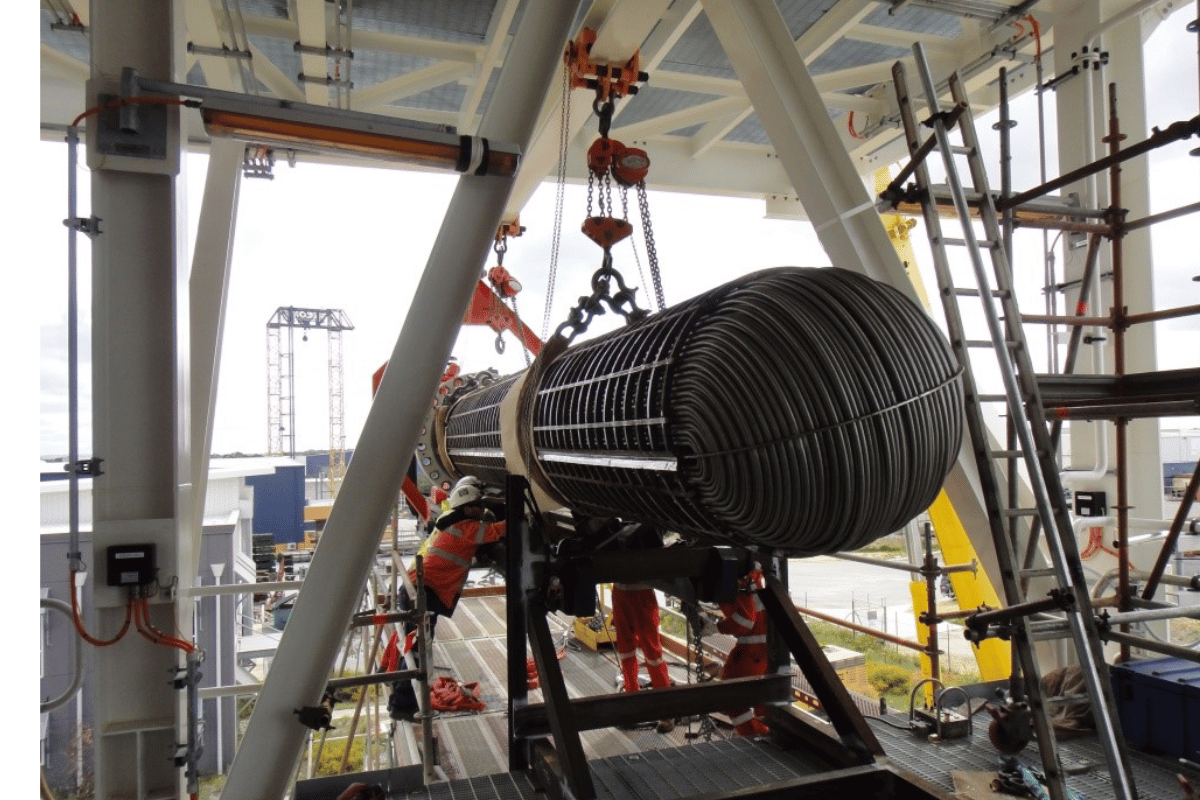
The comparison provides a formal overview of aerial bundle extractors which assists users in selecting the most suitable extractor for their project requirements and their company operational requirements.
Recommendations for Specific Applications
1. Heavy-Duty Industrial Use
Equipment selection for heavy machinery operations should involve equipment which provides high load capacity ratings together with structural components that offer reinforcement. The testing process needs to determine which equipment must endure extreme temperature conditions together with corrosion effects and all other environmental factors which apply to its operational environment.
Industrial-grade certified equipment delivers the best performance for both reliability and safe operation.
2. Automotive and Mechanical Repairs
Portable pullers should be selected according to their compact design which enables users to perform accurate work across multiple operational settings. Users of the tool can operate its adjustable arms which connect to different components through the tool design to change dimensions between gears, bearings, and pulleys.
Equipment selection for work purposes needs organizations to choose tools which their employees and customers can operate without difficulty while delivering protection against potential accidents during repair activities.
3. Electrical and Maintenance Tasks
Electrical environments should use non-conductive pullers which have been specifically created for those settings. The tools must achieve weight reduction yet maintain their ergonomic design while sustaining operational capabilities within restricted areas.
The organization needs to establish safety procedures which include insulation standards to eliminate all electrical safety risks.
The combination of tool selection with application requirements enables operators to achieve better operational results while creating a safer environment for their tasks.
Maintenance Best Practices for Bundle Extractors
To achieve maximum efficiency and durability of bundle extractors, operators must implement these essential maintenance procedures:
1. Regular Cleaning
The extractor requires complete cleaning after each usage to eliminate all debris, dirt, and all remaining residues. This method prevents material accumulation which leads to impending operational breakdowns and equipment deterioration.
2. Inspect Components
All equipment elements, including grips, handles, and moving parts, require scheduled inspections to identify any signs of destruction or deterioration. All damaged parts need to be replaced without delay to maintain operational safety and performance capacity.
3. Lubrication
Operators need to use designated lubricants for equipment parts according to the manufacturer's recommendations. Proper lubrication reduces friction which results in better tool performance.
4. Calibration Checks
The extractor needs verification to confirm its calibration status for intended operational use. The equipment will experience performance degradation because the components have become misaligned which also creates safety dangers.
5. Storage Conditions
The extractor needs storage inside a space which maintains cleanliness and dryness while keeping all corrosive materials and extreme temperature conditions at bay. The correct storage method reduces material degradation hazards.
Best practices enable operators to extend their bundle extractors operational life while achieving secure and continuous work performance.
Routine Maintenance Procedures
1Inspection of Critical Components
The team requires to complete regular inspections for all essential components which contain hydraulic seals, clamps, together with mechanical joints to identify any signs of wear or damage. The advanced diagnostics tools which include thermal imaging and ultrasonic testing enable users to discover potential problems at an early stage.
2Lubrication and Calibration
The team needs to lubricate all moving parts according to the manufacturer's guidelines for all moving components. The team needs to perform tool and pressure gauge calibration twice a year to achieve accurate operational measurements.
3Cleaning Protocols
The extractor needs a thorough cleaning after every usage session because it operates in corrosive and particulate-laden environments. The team needs to use non-abrasive cleaners because they protect surfaces while allowing equipment to work properly.
4Component Replacement Schedule
The organization needs to follow a replacement schedule which specifies when to replace consumable items and parts that are likely to wear out. Organizations need to replace O-rings and filters between six to twelve months depending on how frequently they use them and the environmental conditions they face.
5Performance Testing
The team needs to perform regular performance assessments in controlled environments to test how well the extractor meets its operational standards. The team tests systems by applying standard loads and measuring how the system responds through its extraction force and consistency of cycle time.
The organization will achieve optimal bundle extractor performance through these detailed maintenance procedures together with the implementation of advanced maintenance technologies which reduce both operational downtime and future costs.
Troubleshooting Common Issues
The process of troubleshooting common problems starts with using detailed diagnostic methods to find the actual cause of the problem. Start the process of identifying unusual system behavior by checking the sensor calibration and measuring the system pressure because the extractor shows inconsistent cycle times. Conduct component inspections when identifying the cause of extraction problems that result from blockages and operational component wear. Operational benchmarks serve as evaluation tools because they evaluate all system components which enables resolution of operational issues while maintaining continuous system functionality.
When to Consult a Professional Technician
Consult a professional technician when facing problems which cannot be solved through standard diagnostic skills and technical knowledge, particularly with advanced electrical failures, complete system breakdowns, and ongoing faults which remain after troubleshooting attempts. The experts use their specialized knowledge together with their advanced diagnostic tools to solve complex problems through safe and effective methods.
Frequently Asked Questions
1. What is a bundle puller and what is its primary function?
The bundle puller enables operators to handle tube bundles which shell-and-tube heat exchangers use because the device provides safe bundle extraction, movement, and installation back to the system. The system enables maintenance personnel to perform work through automated processes which lead to reduced human effort requirements and faster work restoration at refineries, petrochemical plants, and power generation stations.
2. What are the key specifications to consider when selecting a bundle puller?
The most essential requirements for selection include three main specifications which consist of load capacity, stroke length, and power source. The machine can safely lift maximum bundle weight which operators need to move which weight is measured in tons. The system requires selection of a unit whose capacity exceeds the mass of heaviest bundles at your facility which will be handled there.
Stroke Length: This defines the maximum length of a bundle that the puller can extract in a single operation.
Power Source: Bundle pullers are commonly available in hydraulic, pneumatic, and electric configurations, and the choice depends on site infrastructure and operational requirements.
3. What is the difference between an aerial bundle extractor and a self-propelled extractor?
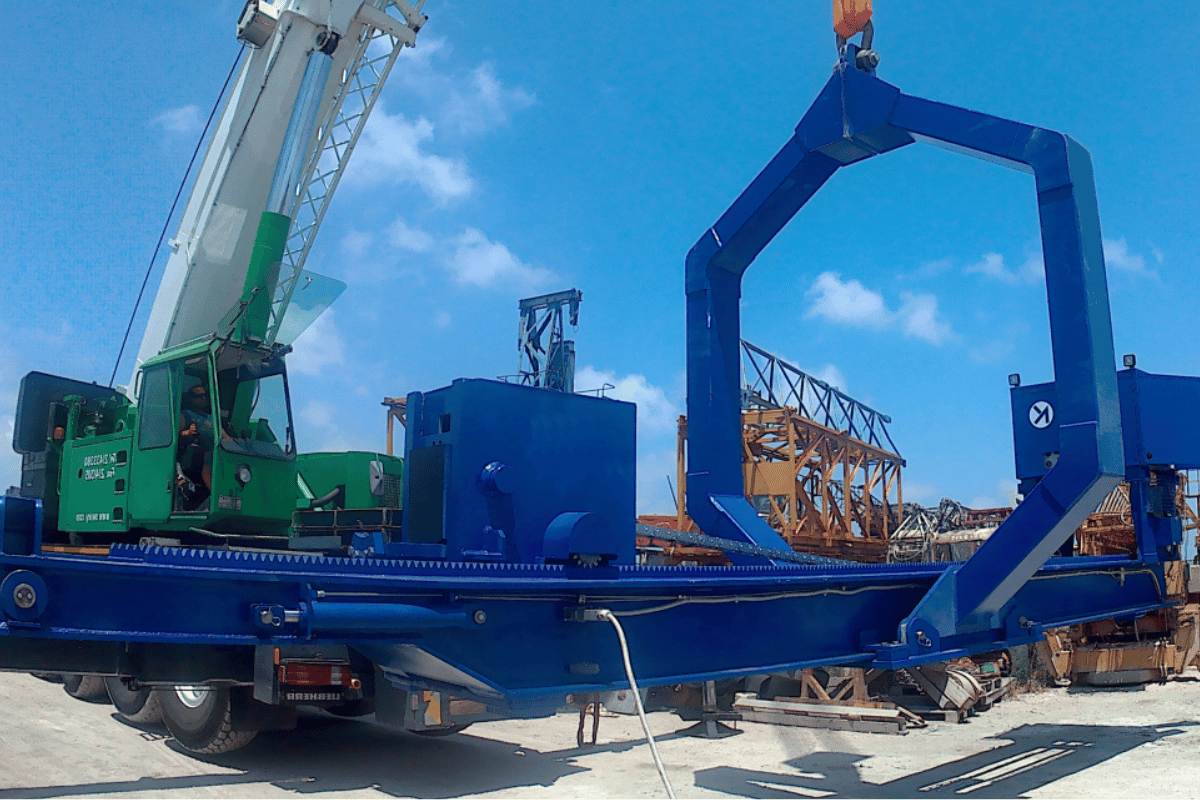
The aerial bundle extractor operates as a device which requires crane lifting to reach heat exchangers at high locations that are difficult to access from the ground. The self-propelled bundle extractor operates as a mobile device which can move throughout a worksite to provide maintenance on multiple ground-level exchangers.
4. How do power options like hydraulic, pneumatic, and electric systems differ?
Each power system delivers distinct advantages which fit specific operational environments:
Hydraulic Systems provide the highest pulling force, making them suitable for extracting extremely heavy or seized bundles.
Pneumatic Systems use compressed air as their power source and are most suitable for working in dangerous environments such as ATEX-rated zones where electrical sparks present a danger.
Electric Systems provide users with accurate operational control which produces minimal noise, making them suitable for use in workshops and locations that have dependable electrical power supply.
5. What role does load capacity play in the selection of a bundle puller?
Load capacity serves as an essential safety requirement which also regulates operational procedures. The system establishes the maximum weight which the extractor can safely operate. The selection of an inadequate puller capacity will result in equipment breakdown, heat exchanger destruction, and serious safety risks. The process requires verification of tube bundle weight which requires servicing to select a machine whose load rating offers extensive safety protection.
6. Why are the dimensions and design of a bundle puller important?
The physical dimensions of the extractor which include its length, width, and height define its capability to function within a facility's spatial limits. The equipment can pass through tight areas between machines because of its compact design, but its complete length needs to match the size of the extracted bundle. The design process requires material selection which includes high-strength steel as the base material to achieve toughness needed for lasting performance in demanding industrial environments.
Bundle Puller & Bundle Extractor Equipments