
 Chinese
In the context of industrial operations, efficiency and precision with regards to most parts, especially the heavy-duty materials, are critical. To represent the inner pages of this process, bundle pullers come in strong and flexible, adequate for high performance needs. The aim of this article is to review the bundle puller specifications in capacity, dimensions, and power type. Knowing these features will enable you to choose the best course of action to enhance the capacity and safety of every database with the current equipment and will be helpful to evaluate if any enhancements can be considered efficient to be made. Let us now look at why a bundle puller is not only a tool of work but a game changer in these materials handling facilities.
Introduction to Bundle Extractors
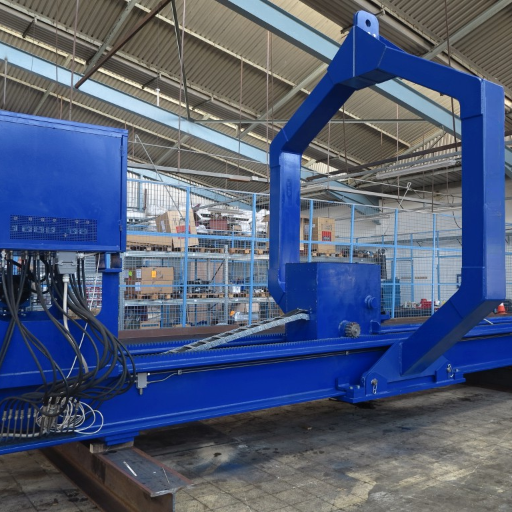
In simpler terms, bundle extractors are instruments employed in facilitating the removal of headers of tube bundles of a component, for example, a heat exchanger. There is a need to use these tools in the petrochemical, power generation and manufacturing industries since they increase speed and efficiency in working with the equipment, and, consequently, there is a reduction in human effort. They employ proppant systems which are powered by hydraulics, pneumatics or mechanics. The proppant system provides the energy required in extracting tube bundles of different dimensions and weights. This is not only convenient but safe also. Their finesse and effectiveness speeds up with little or no probability of destroying equipment or harming individuals.
The Importance of Bundle Pullers in Industrial Operations
To some extent, bundle pullers are considered as crucial components of enhancement regardless of the sector since there are industries such as the petrochemical, energy, and manufacture sectors which use heat exchanger systems. In today's world, heat exchanger systems do not use less than ten different heat exchangers as per the ingress of equipment maintenance and efficiency. This is where the need for efficient tube bundle removal comes in, bundle pullers are utilized to facilitate the removal of tube bundles whenever cleaning, inspection, and replacement have to be done.
In today's world, with the help of newly improved physical devices, bundled pullers can do tasks more efficiently and without many operational halts. There is an increasing growth of demand for automation and semi automation, due to commitment upsurge of the proposed measures in the industry towards efficient and safe perfomance of the work. Bundle pullers also enhance the maintenance processes and assist in keeping the machinery from wearing out too quickly which saves the cost and augments the productivity of such industries.
Overview of Tube Bundle Puller Maintenance
Maintenance of Tube drawing puller is important for effective functioning and durability of the equipment. Adequate measures to avoid or minimize breakdowns by frequent maintenance of hydraulic, cable and mechanical systems are also performed. Efficiency is also enhanced by greasing the devices and adapting devices according to their design while whipping out worn parts. In addition, it is important to follow properly the manufacturer's care instructions and maintenance plans. Likewise, during the operator's routine work, he should constantly inspect the equipment looking out for leakages, misalignments, stress and factors increasing mechanical wear and tear. Last but not least fittings make the work simpler since modern pullers have advanced surveillance system that may tell what can go wrong, that way it assists in reducing breakages and repair expenses. Regular maintenance not only helps in increasing the life of the equipment but also the safety and the efficiency of operations.
Bundle Puller Specifications
Key Specifications to Consider
Certain specifications should be considered when choosing a bundle puller and these include the following;
Pulling Capacity - Check to see that the puller has enough strength to handle the maximum deflection on the pipes. Inspect the pulling force rating and check whether it suits the expected work.
Alignment and Control Features - Seek mechanisms with precise alignment and such controls that are ergonomically designed to ease the system and prevent strain during use.
Durability and Material Quality - Go for a puller whose construction involves the use of good quality material to withstand regular usage and adverse conditions
Ease of Maintenance - Prefer designs which provide ease in maintenance and get rid of components which are hard to reach and even difficult to follow clear manufacturer instructions.
Safety Mechanisms - Look for the types of pullers which have advanced safety mechanisms such as overload protection or even automatic stop mechanisms.
Objectives should include examination of these specifications to identify the most appropriate bundle puller for the operations.
Technical Specifications of Bundle Pullers
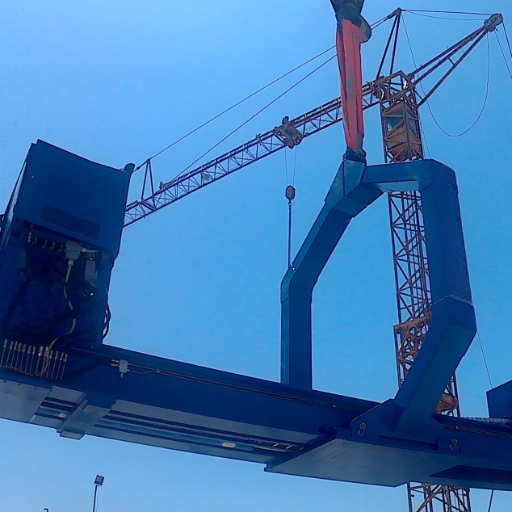
Weight Capacity: Understanding the 45 Ton Limit
The Billy Pugh WP II-G2 45-ton capacity entails maximum weight any bundle puller can safely handle without concern. Loads that bear higher stress than this value may lead to failure of the equipment and should never be used. The operation needs to be within this load range for the safety of the operations and preventing damage to the equipment. Do not forget to inspect the machine regularly as well as follow best practice within the operational framework to maintain the puller at the required service capacity level. Be well backward of the container's rules and refer to the weight limits if any additional help is needed.
Maximum Pull Force and Its Implications
The allowed pull in bundle pullers is a fundamental figure which determines the weight and type of material they are able to handle without any issues. This is the maximum load that the puller is designed to handle with a margin of safety against overstressing or breakage. In the modern bundle pullers with streamlined design and construction, by virtue of using advanced parts and materials, there is often a variation in the maximum pull, which may range in different fields for example construction, manufacturing, and logistics.
Knowing this criteria helps to select the equipment that is suitably aligned to the nature of work at hand. For example, bundle pullers with maximum pull values, for example, exhaust extension bars or pipes, will be used in heavier works, while the ones with lesser pull values can be utilized in lighter applications, as cables and wooden beams. Failure to observe the maximum pull force rating may result in breaking down of the machine, eventual accidents or damage to the materials being pulled.
Compatible Tube Sheet Dimensions
In order to facilitate the removal of tubes from tube sheets, bundle pullers come in a variety of sizes. The working range of tube sheet dimensions for particular models of bundle pullers can vary. The most common diameters of standard size bundle puller openings are between 6 and 24 inches. However, some industrial grade models may perform well in conditions of pulling a 60 inches tube sheet thickness. After all, bundle puller specifications should be checked up with the dimensions of the tube sheet in use.
Importance of Accurate Dimensions
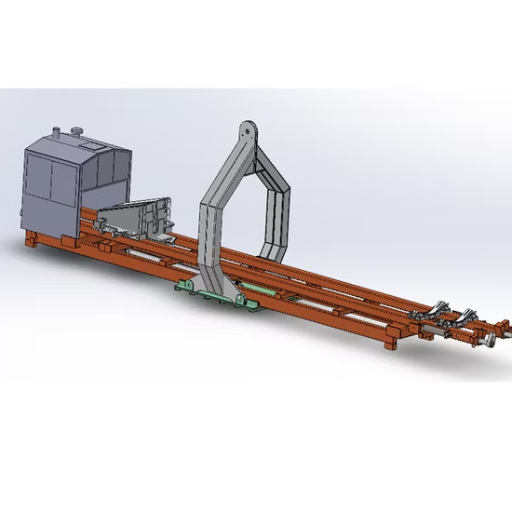
In any industry where bundle pullers are in use customizing them according to the actual dimensions of the tube bundles is very crucial. In this way, the chances of damaging any equipment or tube sheets are low because of very easy extraction. For the same reason, misalignment or inaccuracy in dimensions may lead to inefficiency, downtime, and safety hazards during maintenance. Thus, if all measurements are taken earlier the operators are ready to work ready to do the job and such operational mistakes will be minimized.
Critical Dimensions for Effective Operation
The following Bundle Puller Specifications are overarching and pertinent to the proper functioning of the device:
Tube Sheet Diameter - This is one of the longest tube sheets whose diameter should be taken into consideration to prevent any injury to the equipment due to improper pullers.
Bundle Length - It is of utmost importance that the length of the bundle is taken into account to ensure that the puller selected does not have any negative operational implications.
Tube Bundle Diameter – This refers to the diameter of the entire tube bundle which must be considered to provide a fit that will allow easy and trouble-free removal during maintenance.
Clearance Space – This is the space available, in the operating area, enough to allow the puller to perform its function without any barrier.
Emphasizing on these dimensions reduces the risk of co-components such as misfet, time lost, or phenomenon like destructive breakdown during maintenance healthy.
Spatial Requirements for Bundle Extractors
To provide the basic and sound foundation for planning the spatial dimensions for bundle extractors, the following important elements have to be taken into account:
Working Clearance - An adequate space must be left around the heat exchanger and the puller to facilitate proper moving during the extraction and also in the maintenance.
Extraction Path – It must also be a well demarcated and straight extraction path, enough to facilitate the drawing out of the complete length of the tube bundle.
Overhead Space – There must be enough supported lift, where there should be no obstruction, for safe and efficient deployment of the lifting equipment.
Staging Area – A certain area for placing the uprooted bundles together with the tools brought for maintenance, is required.
Very careful coordination of these spatial demands ensures that the process of extraction is convenient and secure.
Impact on Safety and Efficiency
The accurate dimensions of bundle pullers help ensure safety as well as operational efficiency during maintenance procedures. Properly dimensioned instruments are also accident free since they fit exactly in the concentrated space preventing any hindrance due to malfunction or equipment breakdown. Moreover, if the dimensions are made to fit the design structure of the equipment and the work area perfectly, this assists in the extraction and replacements of tube bundles, which in return results in time efficiency. Research can be confirmed in the sense that ergonomic designs and precision engineering have come to be appreciated by many in the market for they make spans easier on the operators, thereby reducing chances of people making errors and getting fatigued in the processes. That is why buying bundle pullers with the right size and quality is important in upholding safety concepts while enhancing the efficiency of the general maintenance practice.
Power Options for Bundle Extractors
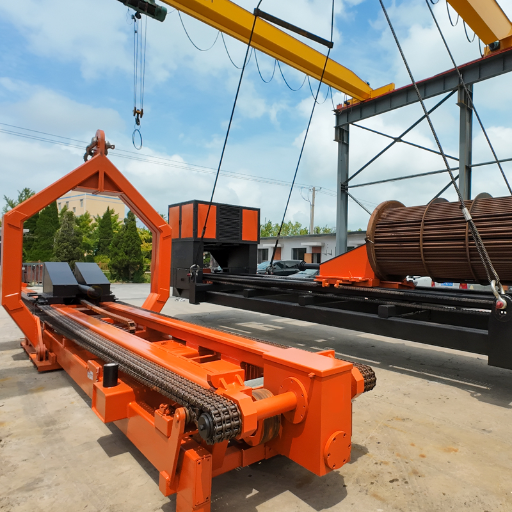
In order to suit different operational needs, bundle extractors can work in settings based on differing levels of power. These kinds of power sources typically comprise hydraulic, pneumatic, and electric systems. Being famous for their high force output and reliability, hydraulic extractors are thereby suitable for heavy-duty operation; subsequent extractors using a pneumatic system offer portability and are normally located in settings where compressed air is readily available. Electrically powered extractors, on the other hand, offer energy efficiency and are popularly selected in settings which advocate sustainability. Depending on the environment, size of the bundles, and specific working conditions, it is necessary to select the power option that suites all the above.
Comparative Analysis: Hydraulic vs. Pneumatic Systems
Hydraulic systems are powerful and precise, while pneumatic systems are portable and low-maintenance.
| Parameter | Hydraulic | Pneumatic |
|---|---|---|
| Power | High | Moderate |
| Precision | High | Low |
| Portability | Low | High |
| Maintenance | Moderate | Low |
| Cost | High | Low |
| Compatibility | Large loads | Small loads |
| Efficiency | High | Moderate |
| Work Speed | Moderate | High |
Efficiency and Cost Considerations
While considering the inherent differences in bundle handlers, it is always advisable to carry out an analysis of efficiency and cost of different power sources in order to avoid under or excessive performance of the machine within a given budget. Supplying hydraulic systems to operate with a more powerful precision while carrying most materials provides the best options. For these many factors, they are costly as the power is buried inside because hydro-surgery cases are difficult to make, however, they are more recommended at an industrial scale. However, to operate lighter loads faster, and to do so at a lower cost and less maintenance, one would propose the use of pneumatic systems. The other option is their mobility which allows them to be portable at any location and also the cost of running them is cheap although the power and within precision is much reduced.
Therefore, while giving the bundle puller specifications, the companies should assist the customers in their purchase by throwing in the weighing scales of operations and economics.
Operational Suitability for Different Applications
Bundle pullers are well suited for industries where there is a need to transport multiple objects and or material at once. Industries such as manufacturing, logistics and constructions where users usually have the need to bundle and carry cables, pipes, or even light structural materials in bulk will find such tools particularly useful. The advantage of being able to perform operations with reduced inputs of labor and 'cut cords' appeal and their use for high frequency working or in high volumes is appreciated. It doesn't look like they are the best option though, if any application required precise individual handling transport or rather very heavy or rather 'stiff' cases.
Types of Bundle Pullers
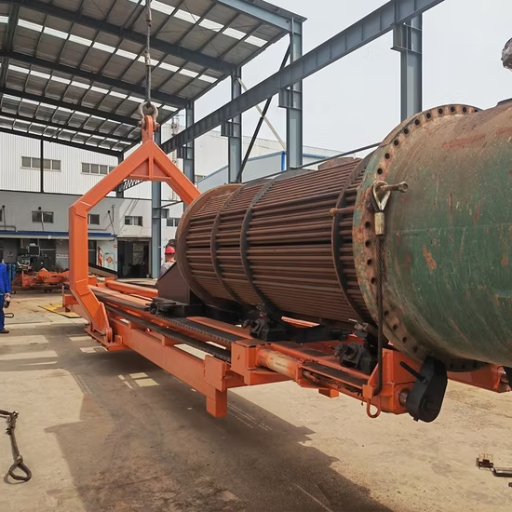
There are several types of bundle pullers, including hydraulic bundle pullers, electric bundle pullers, manual bundle pullers, and pneumatic bundle pullers.
| Type | Power Source | Application | Key Feature |
|---|---|---|---|
| Hydraulic | Hydraulic | Heavy loads | High force |
| Electric | Electric | Medium loads | Energy-saving |
| Manual | Manual | Lightweight | Portability |
| Pneumatic | Air-powered | Fast-paced | High speed |
Self-Propelled Bundle Extractors
One of the useful machines adapted for efficient and quick tending of tube bundles of heat exchangers is the self-propelled bundle extractors. A lot of these machines are self-reliant, having propellers that make work less strenuous and efficient. This is because they are frequently serviced in places like refineries and petrochemical energy companies where there are many heat exchangers.
At present and in accordance with industry practices, almost everyone is using ulcators designed to eliminate bundle removal, mainly because of the fact that they improve work safety and reduce the downtime. These types of hardware demonstrate high load bearing capacity and are also efficient and accurate in releasing the decasycles without causing any damage to the heat exchangers or any other equipment around. They are particularly useful in areas with limited space or portable workstations. They are very efficient as they are used in such industries where Mach 1 isn't just about adding onto materials used and maintenance but installing and looking after them properly as well.
Compact and Robust Models
Compact bundle pullers are meant for enclosed environments. They require less space and are lightweight, so they retain mobility. However, they can still handle small and medium tube bundles. They are most appreciated because they come in handy in situations where more precise work with insertion and removal of tubes is required.
Contrary to such device, more robust bundle pullers are made to work with bigger and heavier tube bundles. In such devices, durability and strength are more important in order to perform heavy industrial operations well. They are appropriate for applications that require pulling actions which cannot be interrupted due to the unit itself being incapacitated. Both these equipment pieces are founded on techniques to make the whole work process highly productive and allow people to safely handle and remove things during service and extraction processes.
Durability in Harsh Industrial Environments
Some of the Bundle Puller Specifications should include the strength and durability nature of the equipment in order to achieve maximum output in tough working conditions. Such environments include very hot or cold temperatures, very dry or wet conditions and corrosive gases. Quality bundle pullers must be able to survive such environments and are therefore manufactured using tough materials such as stainless steel or reinforced alloy. It is also usually coated with antirust paints to increase the working life of the equipment. A scheduled reliable maintenance service and correct operations maximize efficiency and help in saving the machine from excessive usage. Purchasing satisfyingly strong machinery devices carries numerous benefits like improved safety, reduced break downs and facilitated work without any interruptions at difficult working conditions.
Reference Sources
Equipment Design and Cost Estimation for Small Modular Systems
This document discusses the design and limitations of equipment like tube bundle pullers, including handling larger diameters.
Read more hereNDSU Research Equipment
This resource lists various industrial and research equipment, which may include relevant tools for bundle extraction.
Read more hereInformation to Users - Iowa State University
This document provides insights into efficient handling and extraction processes in industrial settings, which may relate to bundle extractors.
Read more here
Frequently Asked Questions (FAQs)
What are the technical specifications of a 45t aerial bundle extractor machine?
The basic technical data for a 45t aerial bundle extractor are described by the maximum pulling force in tonnes, string length from the usual size in meters, dimensions in millimeters for structural details. Details in the specification sheets could be found on their bundle weight capacities in kg, hydraulic power ranges, and remote control operations. The specifications sheet also declares the capability to displace heat exchanger tube bundles. This model differentiates between whether they are self-contained or require power from the outside (diesel or electric), making them capable of deploying multiple winches for pulling or pushing tube bundles. The specifications also translate the safety features and equipment for fitting into the operator or mobility facilities (self-propelled versions of bundle extractors).
What do you think these questions and how do you remove a tube bundle with an air bundle extractor?
A bundle extractor aerial, used for removing tube bundles from heat exchangers, will specify gripping systems, push and pull forces, and alignment guides for safely extracting tube bundles from a heat exchanger. Consider this maximum length of the warmth it can handle (number of feet) with types of tube bundle extractor heads and whether these are the best for even the most difficult bundles. For instance, the bundle-type extractor could protect the heat exchanger, especially if the jaws could be designed to be flexible, with speed control on the winch and with remote operation of the opposing device.
Can remote control be foreseen in use of self-propelled bundle extractor models for enhanced operator safety?
Yes. Many self-propelled bundle extractor models have a fully remote-controlled operation or can be operated remotely on behalf of operator safety. Thus, the technical specifications will further elucidate the remote capability, operational capacity, and whether the system operates with onboard diesel power or needs external power supply arrangement. This allows for a secure distance to be maintained with a range of operating features of the machine loaded with security interlock machineries, handling kg-weight bundle pulls and driving through complicated extractions.
How flexible are the design specs when handling lines meters long or asymmetrical bundles?
In the admission of flexible design specs are: together with stroke lengths adjustable, adaptable grabbers for different diameter sets, and modular winch configurations. For extractors capable of handling meters long bundles, the extension frames and variable winch speeds have been essential features operating with the variable loads on these bundles measured in either kilograms or geometry. Those extractor models sold as flexible or loaded with multiple tooling options have been designed for ease of operation and handling of the most awkward of bundles.
How do the requirements consider operator safety and ease of operation?
Operator safety concerns still arise, and these address operator safety, for example, by ensuring remote control operation, emergency stop systems, guarded moving parts, and ergonomic controls. Outputs of the contract documents may specify safety ratings, training required, and ease of operation. For example, fixed stabilization structures, easy-to-read load-indicator markers showing bundle weight, and secure connection fixtures exist mainly as a suit to protect operatives and equipment during the pullout of heat exchanger tube assemblies.