
 Chinese
The process of selecting the appropriate bundle puller requires careful evaluation because it determines which operational processes will function with maximum efficiency. The market provides multiple equipment options because different models exist to meet various use cases and environmental conditions which means you must select the equipment that matches your specific needs. The selection process for industrial cable handling equipment and agricultural bundling equipment and heavy-duty packaging equipment requires careful consideration because this choice determines operational performance and equipment downtime and product durability.
Understanding Bundle Pullers
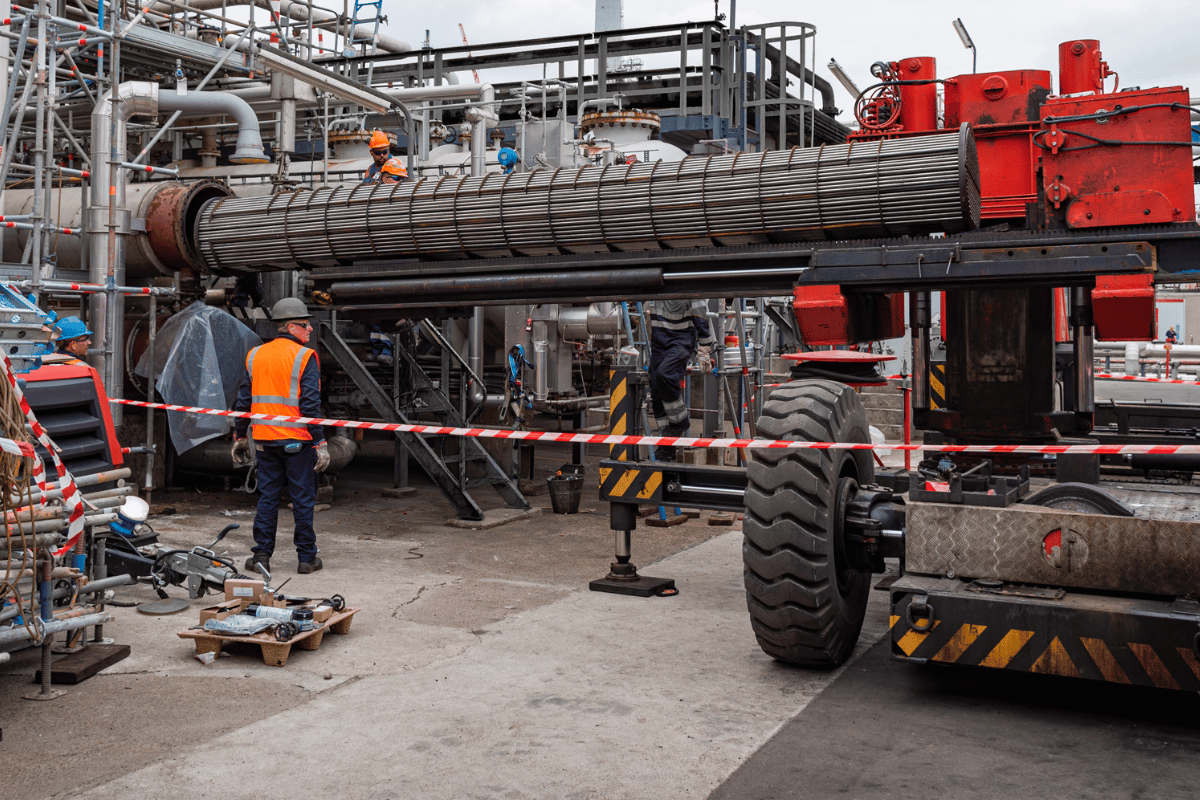
Specialized equipment exists as bundle pullers which enable users to handle and move and secure cable bundles and hoses and other similar materials. The system uses a bundle gripping mechanism which allows users to execute pulling operations with control and efficiency during installation and maintenance work. The tools provide essential benefits to situations which require exact results and safe operations and straightforward handling in industrial spaces and construction sites and commercial spaces.
Bundle pullers enhance work efficiency and workplace safety because they decrease physical demands on workers and safeguard equipment from damage.
What is a Bundle Extractor?
A bundle extractor is a specialized tool which provides safe extraction of bundled materials which include wires and cables and fibers from tight spaces within conduits. The tool establishes control over the bundle through its operational mechanisms which enable accurate material handling without inflicting damage to the components. Modern bundle extractors are often ergonomically designed and equipped with enhanced gripping capabilities which reduce the potential for slippage or strain during operation.
The telecommunications and aerospace and electrical engineering industries use bundle extractors for their ability to improve work processes while protecting delicate materials. The tools achieve high-performance requirements through their use of advanced materials and precise engineering design.
Types of Bundle Pullers
1. Manual Bundle Pullers
Users need to operate manual bundle pullers through their hands because the equipment functions better for small tasks which need exact results from total user control. The tools are built using high-grade steel and reinforced aluminum materials which create a lightweight design that maintains strength for jobs needing moderate power and precise results.
2. Hydraulic Bundle Pullers
The hydraulic bundle pullers operate under heavy-duty conditions because their hydraulic systems enable them to generate powerful pulling strength through their pressurized operation. The equipment operates in both oil and gas and heavy machinery industries which require their systems to deliver powerful performance and maintain constant operational efficiency. The hydraulic system reduces the requirement for human work which results in improved safety through continuous operation that executes all tasks without interruptions.
3. Pneumatic Bundle Pullers
Pneumatic bundle pullers operate their machines through compressed air power which allows them to function safely in environments where electrical devices create safety risks. The tools deliver dependable performance with minimal upkeep needs, which makes them the preferred choice for chemical processing and manufacturing operations.
4. Electric Bundle Pullers
Electric bundle pullers use motorized systems to handle the pulling task, which enables them to achieve both high precision and rapid movement. The tools find common usage in industries that perform repetitive work because their automation capabilities lead to greater operational efficiency and decreased chances of errors.
5. Multipurpose Bundle Pullers
The multipurpose bundle pullers create versatile tools which work with different operational needs through their ability to switch between different grips and their capability to modify force. Various industries use multipurpose pullers which provide them with flexible solutions that work for multiple purposes at a cost-effective price.
The different bundle puller types exist to meet specific operational needs, which leads to enhanced industrial performance while maintaining safety standards.
Applications of Tube Bundle Extractors
The industrial processes which require safe and efficient handling of heat exchanger bundles use tube bundle extractors as essential tools. The following applications demonstrate the system's versatility across industries:
1. Petrochemical Industry
Petrochemical plants utilize tube bundle extractors for their maintenance and cleaning tasks, which involve both removing and installing tube bundles. This method maintains continuous workflow operations while safeguarding against operational interruptions.
2. Power Generation Facilities
The power plants use these extractors to maintain their heat exchangers which operate in their cooling and heating systems. The system provides precise measurements which enable users to maintain consistent power generation capabilities.
3. Oil and Gas Refineries
Refineries use tube bundle extractors to handle their regular maintenance needs which arise from high-pressure conditions and extreme temperature swings that their heat exchangers experience.
4. Chemical Processing Plants
Chemical plants use tube bundle extractors to restore their heat exchangers which suffer operational decline because of corrosion and residue buildup that requires maintenance.
5. Food and Beverage Industry
Food and beverage production facilities use extractors to operate pasteurizers and other heat exchangers which helps them meet strict operational and hygiene requirements.
Key Factors in Choosing the Right Bundle Puller
1. Load Capacity
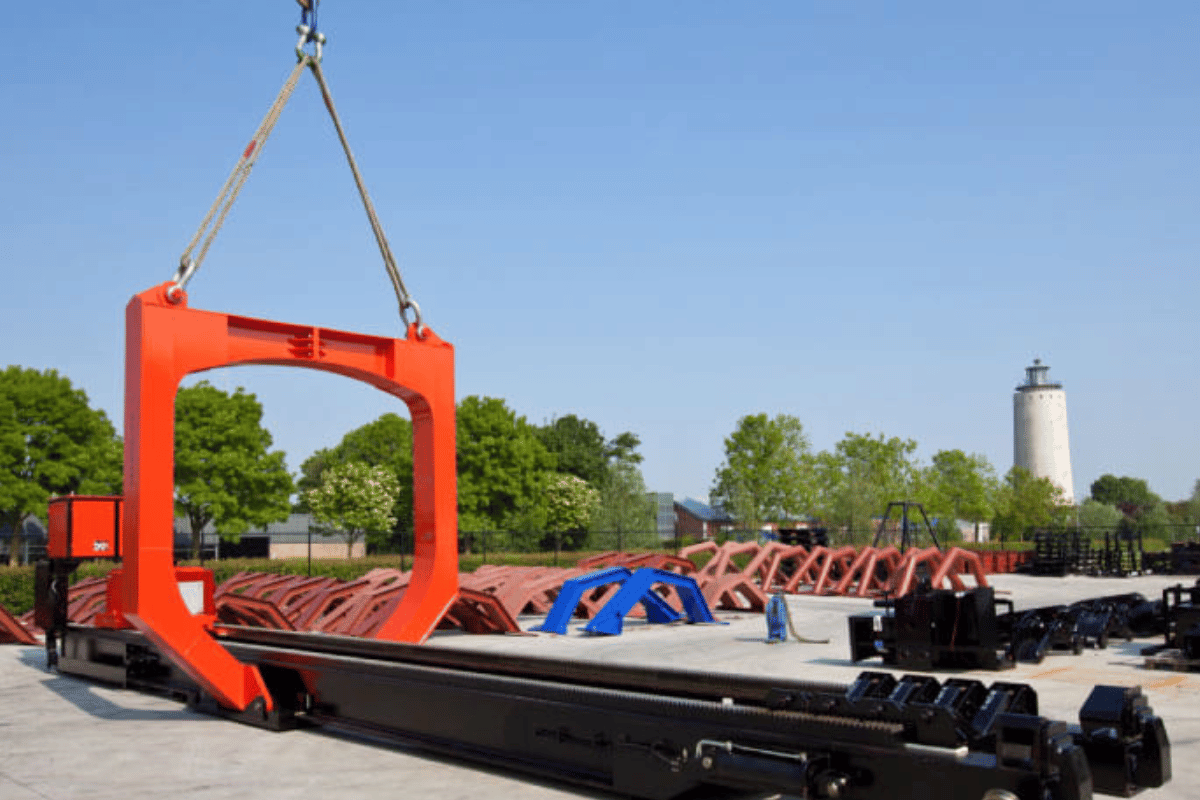
The bundle puller needs to handle both weight and dimension requirements which your operations need for tube bundles. The puller will experience damage when it operates beyond its weight limit because its weight capacity exceeds its operational boundaries.
2. Hydraulic Power and Efficiency
The puller needs sufficient hydraulic power to perform its operations and to achieve effective material extraction. The system requires quick operational speed which needs to deliver sufficient power for your operational requirements.
3. Compatibility with Existing Equipment
You need to check whether the puller can work together with your facility's tube systems and heat exchanger layouts and all other facility components.
4. Mobility and Accessibility
Select a puller which lets workers operate in narrow spaces while they move freely through various work areas.
5. Durability and Build Quality
Choose a puller which manufacturers constructed from premium materials because it will endure intense industrial use and provide extended service time.
6. Safety Features
Choose equipment which includes safety features such as overload protection and secure mounting systems because these features help decrease operational dangers.
The facilities achieve dependable operations through factor evaluation which helps them decrease both operational interruptions and equipment maintenance expenses.
Application-Specific Requirements
The operational requirements and environmental conditions of specific applications must be evaluated before selecting a puller because this process determines which equipment will provide the best performance. Hydraulic pullers function better than other equipment in high-torque environments which include automotive repair and heavy machinery maintenance because hydraulic pullers enable operators to apply precise force without requiring much physical effort.
A mechanical puller which is both compact and lightweight should be used in situations which require equipment to be transported between locations including field repairs and remote site work. The process requires evaluation of existing equipment compatibility which includes checking shaft diameter and bearing size dimensions to enable smooth integration into the system.
The current data demonstrates that industrial sectors are increasingly choosing pullers which have modular designs and adjustable arm systems to meet their various operational needs. The selection of application-specific factors enables facilities to achieve higher operational performance results while decreasing equipment downtime and generating financial savings throughout their operations.
Material Compatibility
The operational life of components and their ability to perform according to standards both depend on material compatibility which serves as a vital factor in this assessment. Engineers must conduct tests to determine material resistance against all possible environmental conditions which include extreme temperatures and high humidity levels and all types of chemical substances during the material selection process.
The standard evaluation process includes testing metals for corrosion resistance and polymers for chemical stability and materials for their thermal expansion characteristics which enable them to maintain their operational performance without developing defects. The selection of materials which have undergone testing and certification for particular operational conditions will result in decreased equipment wear and protection against material degradation and preservation of structural strength throughout the equipment's lifespan.
Safety Considerations in Extraction
Extraction work needs maximum safety measures because worker protection and equipment safety both rely on these measures. The process needs two essential elements which must establish safe working conditions through correct ventilation systems and precise temperature control measures and the implementation of appropriate equipment that matches particular chemical and operational specifications.
⚠️ Critical Safety Requirements:
Workers must wear appropriate personal protective equipment (PPE) which includes gloves and goggles and respirators because of the chemical hazards and risks present in the workplace.
The extraction system needs regular maintenance because it requires standardized operating procedures (SOPs) for both equipment protection and safety measurement systems to function properly.
Clear emergency protocols need to establish fire suppression systems and spill response kits as essential resources for rapid and effective incident management.
Bundle Extraction in Various Industries
Bundle extraction serves as an essential process which multiple industries use to separate their required materials from mixed materials. The pharmaceutical industry uses this method to extract active pharmaceutical ingredients (APIs) with precise accuracy which satisfies regulatory requirements.
The chemical industry uses bundle extraction to separate and purify its raw materials which results in the production of high-purity final products. The food and beverage industry employs this technique to extract essential oils and flavors plus active nutrients from their natural materials. The applications depend on controlled methods and standardized equipment to maintain constant quality plus safety and operational performance.
Petrochemical Industry Needs
The petrochemical industry needs to have processes which operate at maximum efficiency and dependability to perform hydrocarbon extraction and refining and product separation into usable materials. The process requires advanced distillation methods and catalytic cracking systems and robust filtration technologies to achieve maximum product yield and purity standards.
The operational standards demand organizations to maintain exact temperature and pressure levels while using their specialized equipment for achieving environmental compliance. The industrial objectives and market requirements of the business rest on three fundamental priorities which include consistency and safety together with cost-effectiveness.
Refinery Operations and Challenges
Refinery operations focus on transforming raw feedstocks which include crude oil into valuable products that contain gasoline diesel and petrochemicals. The main challenges in this process include complying with strict environmental regulations and handling inconsistent feedstock quality while trying to optimize energy usage for cost reduction and operational effectiveness.
Refineries need to tackle both the need for equipment upkeep and the challenge of implementing advanced technologies in order to boost their production reliability. The primary objective of refinery management involves achieving a balance between operational efficiency and their environmental sustainability commitments and the requirements of their market operations.
Durability and Maintenance of Pullers
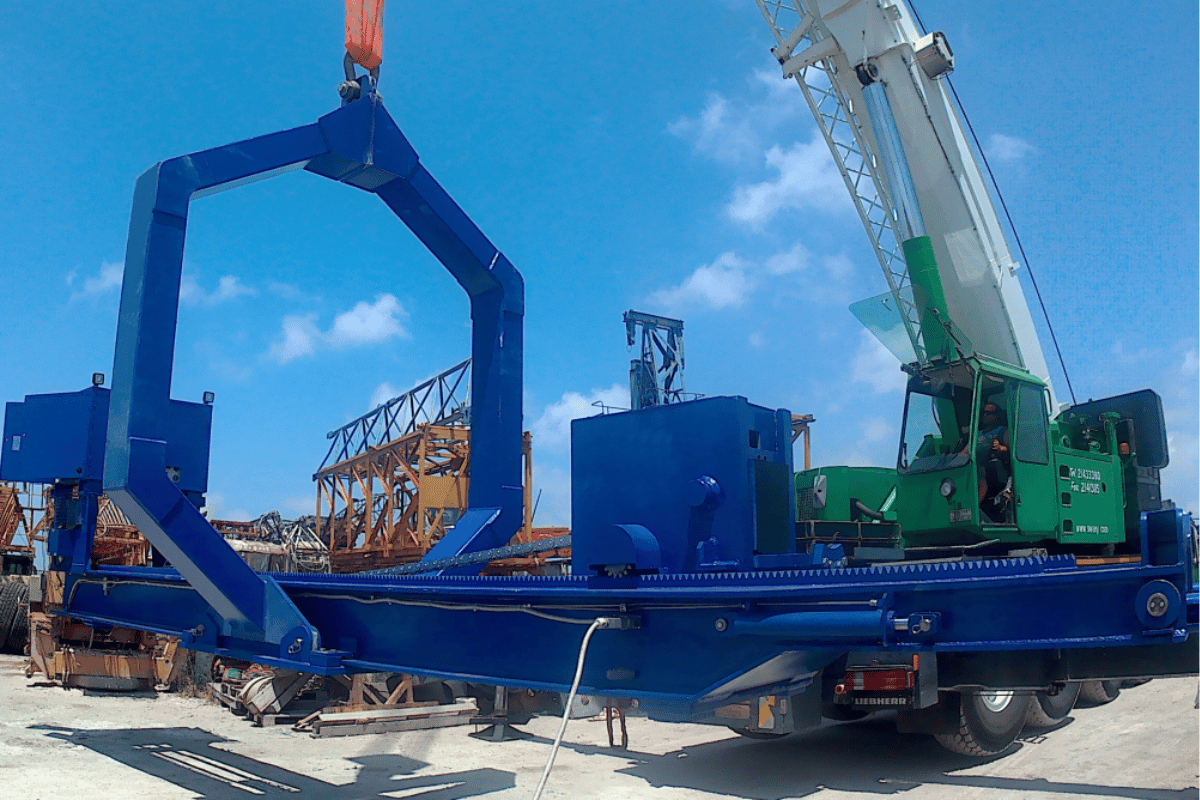
The pullers' durability depends on multiple elements which include their material quality and their correct usage and their required maintenance procedures. The industrial environment demands high-grade steel and corrosion-resistant coatings because equipment must withstand moisture and heat and heavy loads.
Maintenance Best Practices
The organization needs to establish regular inspection schedules which will enable them to identify any signs of wear and tear through assessments of deformed jaws and decreased hydraulic pressure and material fractures.
The equipment requires lubrication to protect its moving parts from friction damage while all worn components need to be replaced immediately for the system to function without interruptions.
The advanced pullers which combine cutting-edge technology include diagnostic systems that allow maintenance teams to identify upcoming equipment failures which helps to decrease operational downtime.
Recent research shows that following manufacturer operation limits prevents damage to pullers because overloading leads to major reductions in their operational lifespan. The companies who use pullers must provide complete training programs which teach operators how to handle equipment and follow safety protocols.
The combination of high-quality design and active maintenance techniques and ongoing equipment assessments leads to maximum puller durability which enables safe operations throughout extended time periods.
Evaluating Cost-Effectiveness
The assessment of puller cost-effectiveness requires an examination of both the initial investment and the complete operational costs that follow afterwards. The operational performance of high-quality pullers justifies their higher initial investment because they deliver decreased operational halt times and simplified maintenance procedures.
The evaluation needs to assess both energy efficiency and operational lifespan because these two factors contribute to overall cost reductions. Companies need to assess their training programs and safety protocols because proper operator education helps reduce accidents which results in expensive repairs. Businesses can determine the most valuable pullers for their needs by evaluating all relevant factors which lead to both optimal operational performance and financial success.
Initial Investment versus Long-term Benefits
The evaluation of initial investment costs against future advantages requires researchers to assess both physical assets and non-physical assets which affect corporate ROI calculations. Operational managers show a rising preference for pullers and equipment which combines low initial costs with long-term product lifespan.
The selection of cheaper alternatives creates less financial pressure at present time but results in greater maintenance costs and energy consumption throughout the equipment's complete operational period. Investing in superior equipment which costs more upfront leads to major decreases in equipment downtime and better operational results and shorter times between equipment replacements.
💡 Data shows that selecting pullers which combine advanced energy efficiency and modern safety features results in operational cost reductions which reach 20 to 30 percent of total expenses when compared to basic model units.
Businesses use data-driven insights to make better purchasing decisions which help them achieve long-term efficiency and productivity improvements while reducing total ownership costs.
Factors Affecting Cost of Bundle Extractors
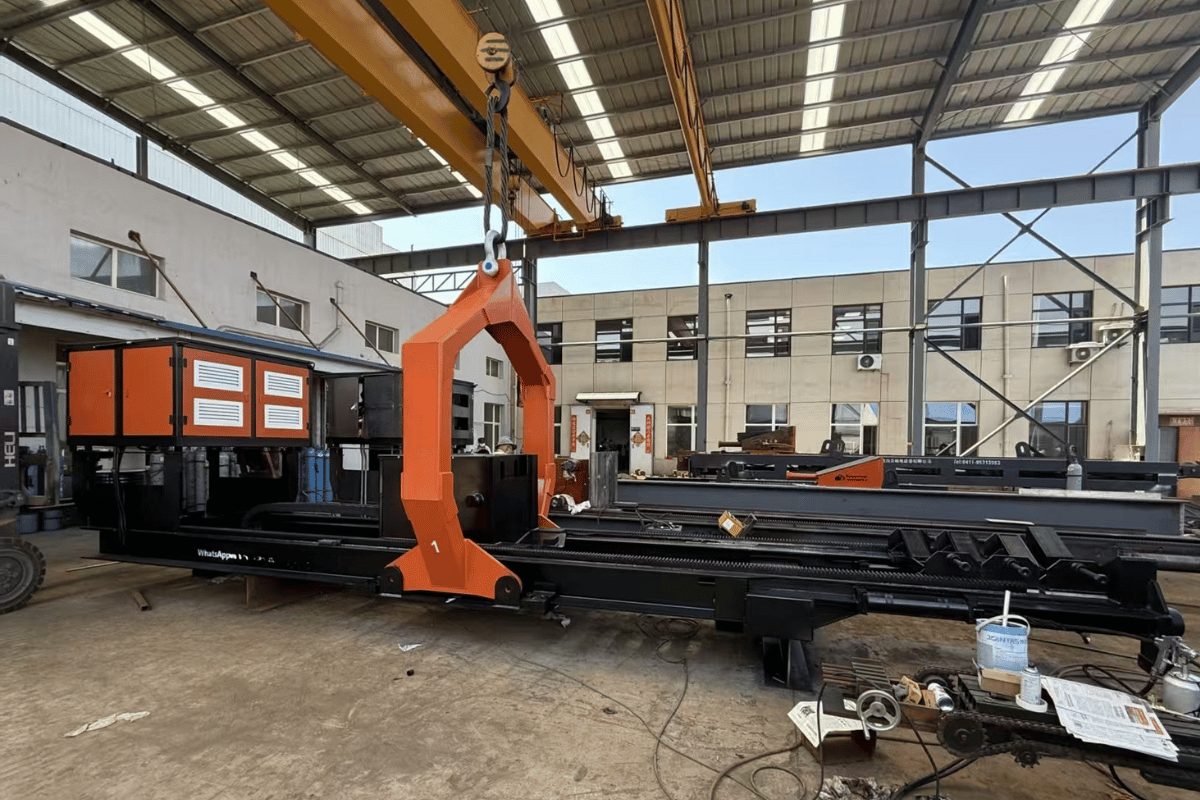
The extraction costs for bundle extractors depend on multiple technical factors and operational factors and market factors. The business can reach its investment goals through the comprehensive assessment of these factors.
Choosing the Right Equipment for Budget Constraints
The process of choosing budget-friendly equipment starts with the assessment of its operational requirements while excluding all unnecessary features that would increase expenses. Evaluating energy efficiency ratings helps identify operational equipment that will generate lower costs through their entire lifespan while focusing on purchasing products from established manufacturers who provide dependable warranties and customer assistance.
The process of comparing different options through their lifecycle costs allows selection of equipment which fulfills performance standards while remaining within budget constraints.
Frequently Asked Questions
1. What are the critical initial steps for assessing bundle puller requirements?
The entire operational evaluation must be finished before choosing equipment for the task. The assessment requires complete documentation of all tube bundles which need maintenance together with their maximum weight and length and diameter measurements. The assessment needs to find all points of access to the heat exchangers which requires checking both their ground level locations and their elevated positions and their access points in restricted areas. The parameters establish the minimum requirements that determine the needed load capacity and reachability and maneuvering capability.
2. How is the appropriate load capacity determined for a specific application?
The facility needs to establish its load capacity by measuring the weight of its heaviest bundle while adding an extra safety margin. The system needs to include fouling and corrosion and bundle seizures inside the shell. The industry recommends that a puller should have a capacity rating which exceeds the heaviest load by 20 to 30 percent to achieve safe and efficient extraction of loads during difficult situations.
3. What distinguishes an aerial bundle puller from a truck-mounted unit?
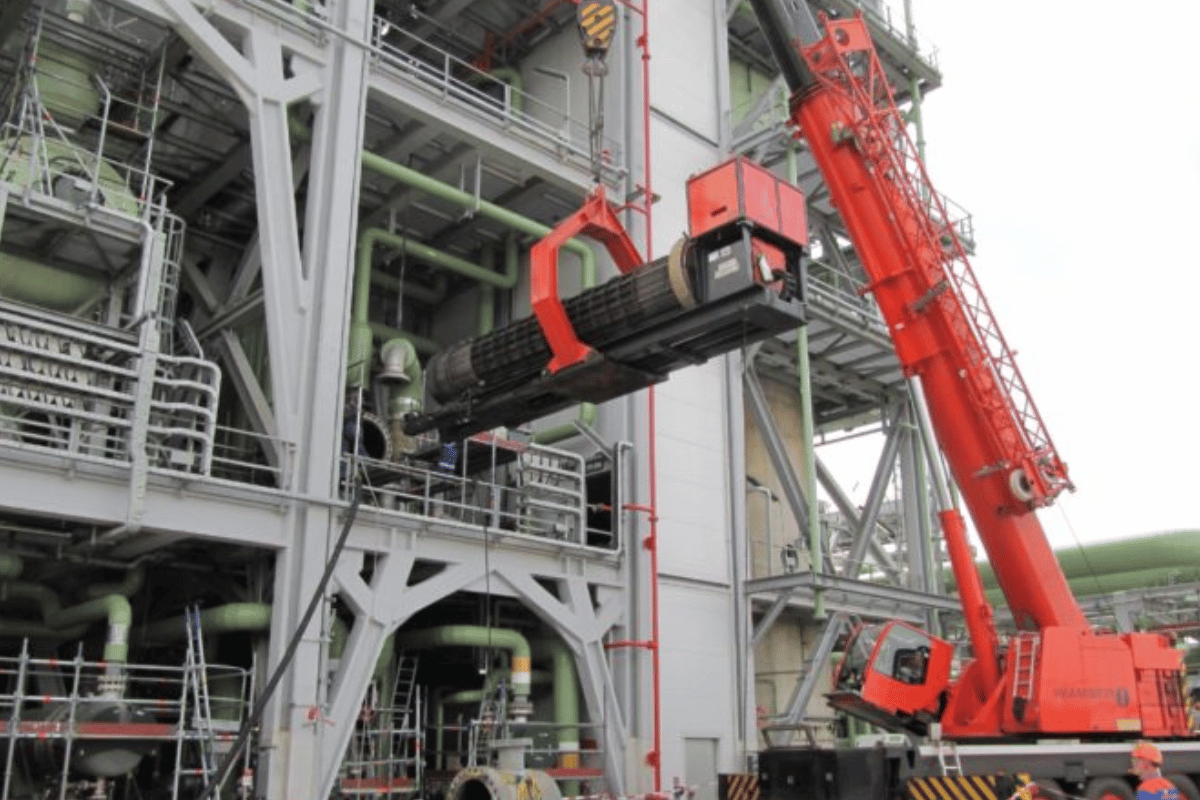
The aerial bundle puller uses crane lifting capabilities to reach high locations because it delivers heat exchange solutions for inaccessible areas. The truck-mounted and self-propelled units have been developed to operate at ground level which requires access to established roads. The units enable rapid deployment during situations which require their operation in rough terrain without needing outside lifting help.
4. How does site power infrastructure influence equipment selection?
The available power sources at a site control which equipment selection options become available. The hydraulic pullers system delivers maximum extraction power through its high force-to-weight ratio but its operation needs a hydraulic power unit. The pneumatic pullers system operates in hazardous environments which require explosion-proof (ATEX) compliance when users can safely access compressed air. The electric pullers system enables accurate control together with environmentally friendly operations yet it requires nearby electric outlets to function. The site's infrastructure determines which option can be executed successfully.
5. Why is stroke length a vital specification during selection?
The puller needs a stroke length that matches the full length of its longest tube bundle within the facility. The extraction process requires multiple re-clamping steps whenever the stroke falls short of the bundle length which results in higher operational downtime costs. The process becomes more efficient when users select a continuous-stroke puller which matches or exceeds the longest bundle length.
6. What role does the working environment play in material selection?
Construction material selection needs to consider environmental conditions which include exposure to corrosive chemicals and extreme temperatures and marine atmospheric conditions. Bundle pullers which need protection against harsh environments should use high-tensile corrosion-resistant steel or protective coating systems. The design of confined workspaces requires the use of compact or modular systems which can operate in tight spaces between process equipment.
Conclusion
The guide helps you identify essential decision-making elements which include material compatibility and pulling capacity and ergonomic design and cost-effectiveness to help you choose the best options. Bundle pullers enhance work efficiency and workplace safety because they decrease physical demands on workers and safeguard equipment from damage.
The facilities achieve dependable operations through factor evaluation which helps them decrease both operational interruptions and equipment maintenance expenses. The selection of application-specific factors enables facilities to achieve higher operational performance results while decreasing equipment downtime and generating financial savings throughout their operations.
Businesses use data-driven insights to make better purchasing decisions which help them achieve long-term efficiency and productivity improvements while reducing total ownership costs.
Key Takeaways
✓ Evaluate load capacity requirements with a 20-30% safety margin
✓ Consider hydraulic power and efficiency for heavy-duty applications
✓ Ensure compatibility with existing equipment and infrastructure
✓ Prioritize safety features and operator training
✓ Assess total cost of ownership including maintenance and energy efficiency
✓ Select materials compatible with environmental conditions