
 Chinese
The petrochemical facilities use heat exchangers to handle thermal energy transfer between different fluids which enables their production processes to run safely while maintaining all equipment functions. The maintenance process requires complex procedures to extract a heat exchanger for either inspection or replacement work. The operation requires particular technical abilities which need both strategic project execution and adherence to established industrial standards. This guide explains the heat exchanger extraction process through its complete operational framework which engineers and plant managers can use as a reference. The article provides essential information and recommended methods from the beginning of the extraction process to the assessment of completed removal work which will help you achieve better equipment availability and improve your entire plant operation.
Understanding Heat Exchangers
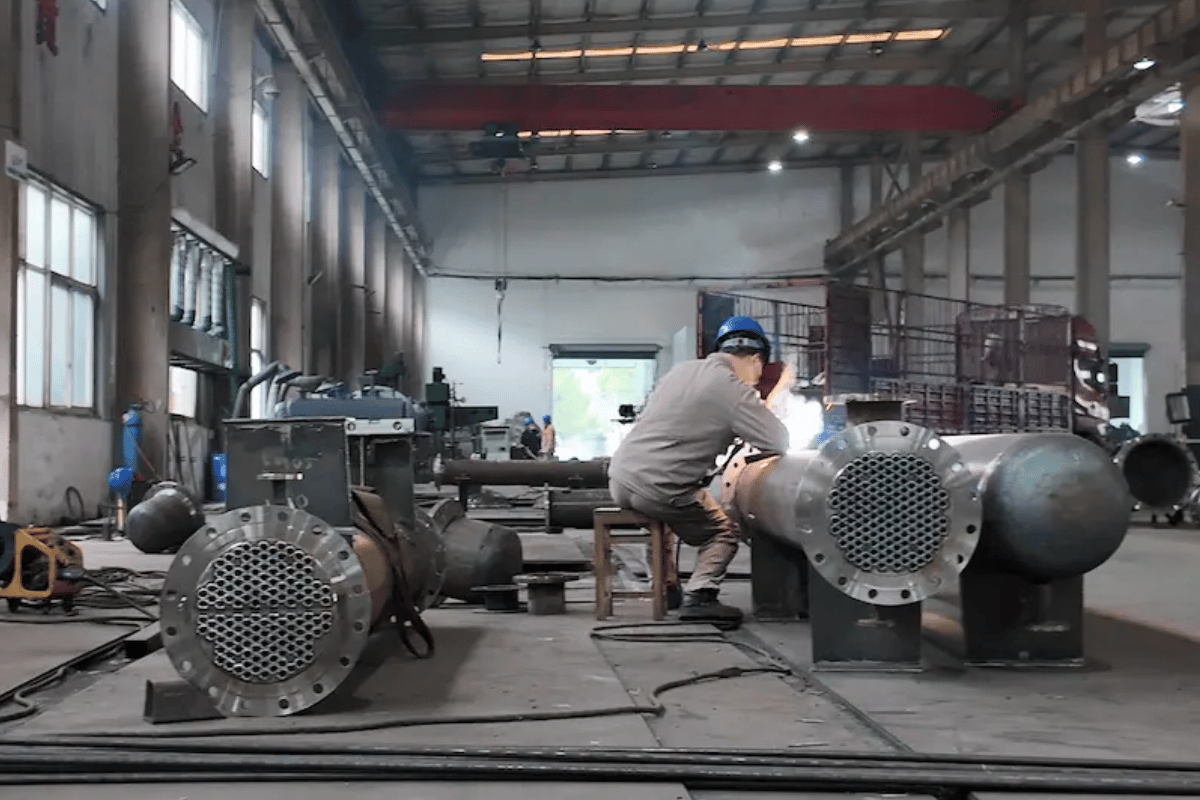
Heat exchangers function as equipment which transfers thermal energy between multiple fluids without allowing them to combine. The systems find their application in industrial processes and HVAC systems and power plants because they control temperatures and improve energy efficiency. The fundamental principle of heat exchangers operates through thermal transfer which uses conduction and convection methods. The three heat exchanger types, shell-and-tube and plate and air-cooled systems, require selection according to specific application needs which include capacity and temperature range and fluid type. The operational performance of various engineering systems depends on both the reliability and efficiency of their components.
Types of Heat Exchangers
The reliable and flexible design of shell-and-tube heat exchangers makes them the preferred choice for heat exchange applications. The system consists of multiple tubes which enable one fluid to travel through the tubes while another fluid moves through the shell space that surrounds the tubes. The system maintains operational efficiency under high-pressure conditions while its performance remains stable throughout all temperature ranges. Power plants and chemical processing facilities and oil refineries use shell-and-tube systems to achieve effective heat transfer control in their extensive operations.
Plate heat exchangers use metal plates that have a thin corrugated design to transfer thermal energy between two different fluids. The system uses its plate design to create a large heat transfer surface which enables efficient function in systems that need both compact design and precise performance. The system functions as multiple systems which operate through heating and ventilation and air conditioning and simultaneous food processing and pharmaceutical manufacturing in food processing and pharmaceutical industries. The exchangers function at their highest efficiency between low and medium pressure ranges while their design allows users to take apart components for both cleaning and maintenance activities.
Air-cooled heat exchangers rely on air for their cooling process because they do not require water as a cooling medium. The system allows heat to escape through its design which includes a finned tube bundle that carries fluid through the system while air passes through forced airflow. The system establishes its primary purpose to operate in places where water exists as a limited resource or high-cost resource which includes oil and gas facilities and remote industrial locations. Air-cooled units show environmental benefits through energy-efficient operation but they need extensive installation area for their complete setup.
Double pipe heat exchangers consist of one pipe placed concentrically inside another, allowing two fluids to flow in separate paths. The system works best when users need to transfer heat between small fluid volumes or when they wish to operate their system with basic functions. Chemical and pharmaceutical industries use these exchangers because their design provides simple operation which delivers moderate heat transfer capabilities.
Regenerative heat exchangers use thermal storage to absorb heat from hot fluid and release it to cooler fluid through a thermal storage medium such as ceramic or packed bed. The design works best for operations that need both constant work and continuous operation which includes gas turbine systems and steel production facilities and glass manufacturing plants. The system achieves optimal energy efficiency through its heat recycling process which decreases fuel requirements and brings down operational costs.
The engineers and operators require knowledge of the various heat exchanger types because this understanding enables them to select the appropriate equipment which results in both effective operations and trustworthy systems.
Functionality of Shell and Tube Heat Exchanger
Shell and tube heat exchangers operate through their design which includes multiple tubes installed inside a cylindrical shell to enable thermal transfer between two separate fluids. The system uses one fluid to travel through the tubes while the second fluid moves through the shell space around the tubes to achieve effective thermal transfer. Their adaptability allows them to operate under high pressure and temperature conditions, making them a reliable choice in various industrial applications such as chemical processing and power generation.
Common Failures in Heat Exchangers
Fouling: Contaminants that include scale and dirt and biological growth create blockages which result in higher pressure drop through the system thus decreasing thermal efficiency. The solution requires both continuous cleaning and installation of effective filtration systems.
Corrosion: Materials become damaged through prolonged exposure to harmful substances or corrosive environments. The prevention process depends on selecting materials and applying protective coatings.
Leakage: Fluid leaks from the system when damage occurs to either tubes or seals which results in system performance breakdown. The process of leak detection requires both routine inspections and maintenance activities that occur at regular intervals.
Thermal Fatigue: Materials develop stress cracks and total failure when they experience extreme temperature changes from one temperature limit to another. Engineers can create system designs which protect against this threat by using thermal expansion design and stress analysis techniques.
Vibration Damage: Excessive flow-induced vibrations, especially in tube bundles, may lead to wear or failure over time. The establishment of vibration dampening systems will protect equipment from damage while preserving operational stability.
Extraction Process Overview

The extraction process uses methods that depend on the physical and chemical properties of a substance to extract the desired material from a mixture. The main procedure consists of several main phases which work together to achieve optimal results.
The team grinds and processes raw materials into smaller particles to achieve better surface contact which needs to be eliminated through extraction methods.
The team selects an appropriate extraction solvent which will dissolve the compound that needs to be extracted.
The mixture undergoes three separation techniques which include filtration and centrifugation and decanting to isolate the extracted solution from the remaining material.
The extracted substance undergoes purification through methods such as distillation or crystallization to achieve the required specification.
The process of recovering and recycling solvents or extraction media creates two advantages which include better operational performance and less environmental waste. The systematic approach produces maximum extraction results which maintain product excellence while reducing environmental damage and resource wastage.
Preparation for Heat Exchanger Extraction
The process of heat exchanger extraction requires operators to remove all fluid materials from heat exchange systems because this process improves thermal performance and increases the duration of system operation. The extraction process needs proper preparation to achieve precise results while reducing operational interruptions and dangerous situations. The following preparatory steps need to be executed according to industrial standards which combine existing protocols with recent process optimization advancements.
Key Preparation Steps
The process starts with a complete evaluation of the heat exchanger system to find any existing damage which includes both corrosion and fouling and other types of system wear. The team should use advanced diagnostic equipment which includes both thermal imaging and ultrasonic testing to find all potential blockages and locations that need special inspection.
The team should study the fluid media inside the heat exchanger to determine its existing composition and operating temperature and pressure levels. Modern analytical techniques, supported by cloud-based algorithmic tools, help ensure that extraction materials are compatible and that risks of chemical reactions are minimized during handling.
The evaluation data should be used to choose an extraction method which includes mechanical cleaning or vacuum extraction or solvent-assisted displacement as valid options.
The organization needs to establish procedures which enable it to meet both environmental requirements and industrial safety regulations. The organization must establish proper methods to contain all extracted materials while recycling solvents whenever possible and installing monitoring equipment which stops unintentional substance discharges.
The team needs to perform pre-operational equipment testing to confirm that all machines work correctly. The organization needs to provide personnel with detailed training on new operational procedures which should include the latest industry knowledge and search data to establish proper operational methods.
Current technological advancements use their present capabilities to enhance heat exchanger extraction preparation accuracy through operational interruption reduction and process sustainability enhancement.
Specialized Extraction Equipment
Specialized extraction equipment exists for the purpose of improving both material retrieval operations and their precise execution during industrial operations. The main examples of these tools consist of precision-guided heat exchanger tube extractors and hydraulic pullers and automated cutting systems. The tools have been developed to achieve three main objectives which include reduced manual work and improved safety and decreased system downtime. The process of choosing suitable equipment needs an extensive evaluation which includes material specifications and operational requirements and environmental factors. Organizations need to follow industry standards and manufacturer guidelines to achieve proper compliance and maximum operational efficiency.
Step-by-Step Removal Procedures
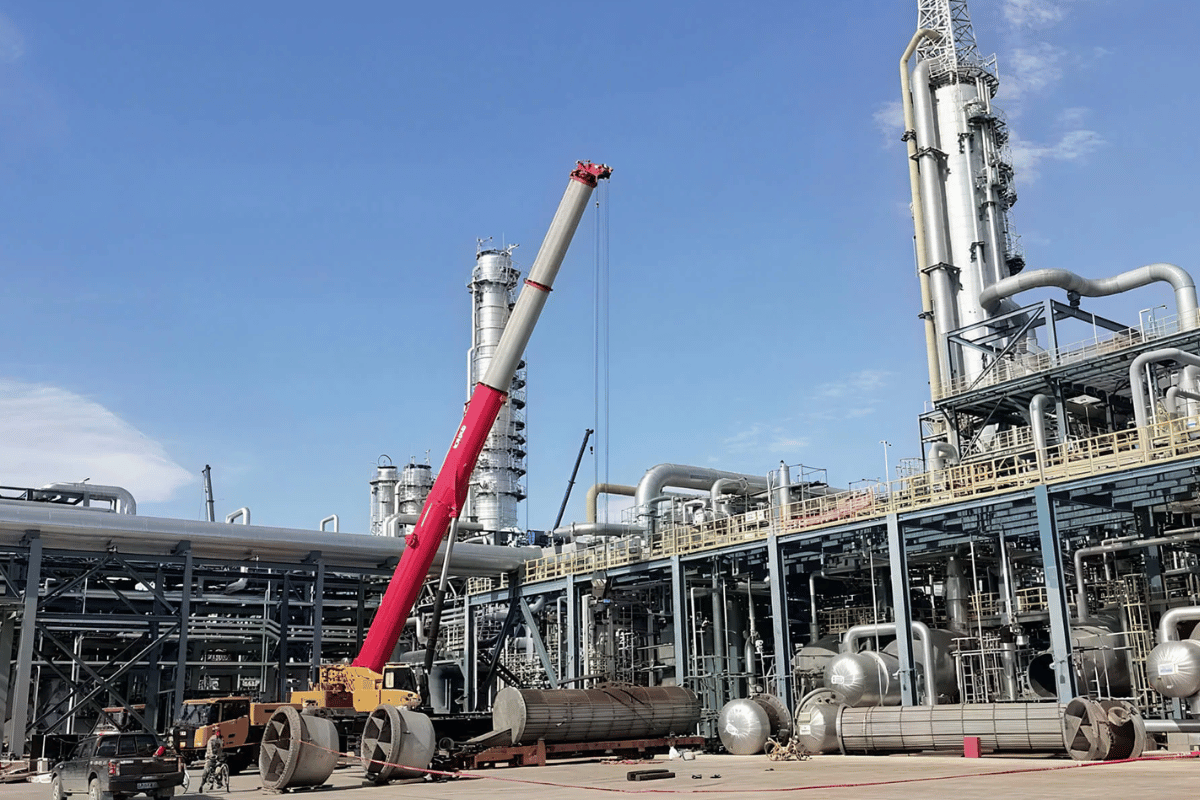
The process begins with an equipment check which requires testing all devices to determine their functioning capabilities when they remain turned off and disconnected from electrical power. The safety assessment consists of two main tasks which involve first identifying possible safety hazards and second checking if employees wear appropriate personal protective equipment (PPE) for their assigned duties.
The current assembly configuration needs documentation, and the components require marking to establish reference points which facilitate future reinstallation procedures when necessary.
Technicians should use special tools which include torque wrenches and extractors to gradually loosen fasteners and securing mechanisms because this method protects nearby components from damage.
Technicians should use proper removal tools to achieve efficient component extraction processes. For the extraction of complicated assemblies technicians should use hydraulic pullers or advanced automated systems which decrease manual work while maintaining exact extraction results.
The assembly area needs confirmation that it contains no remaining debris or residual materials. The inspection process examines the removed components together with their surrounding structures to identify any damage or wear which needs repair before the reassembly or replacement process begins.
The documentation should capture the process of removal, and it should show any unexpected events which took place during the process. The team needs to conduct equipment inventory, secure the equipment correctly, and get ready for upcoming work activities at the job site.
Safety Protocols for Extraction
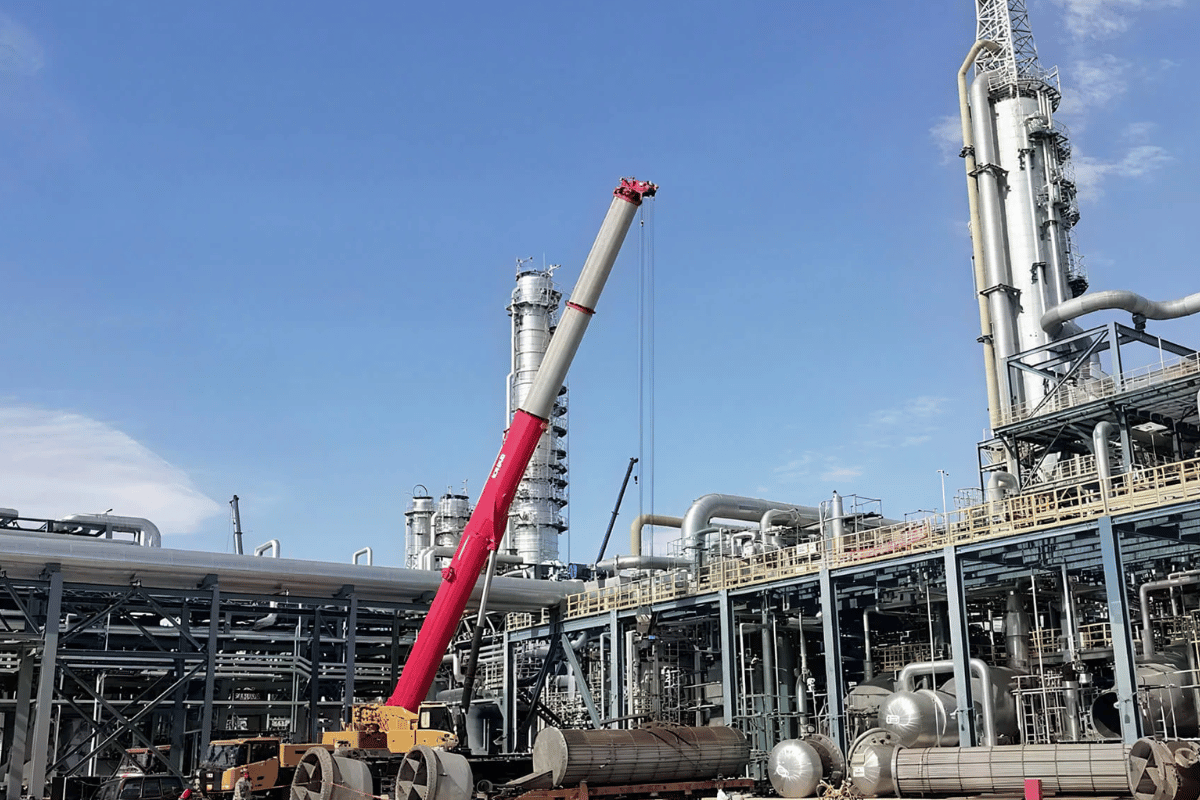
The extraction process will run smoothly through these protocols which will also reduce the chances of work-related accidents and injuries.
Personal Protective Equipment (PPE): All personnel must use correct PPE which includes gloves and safety goggles and hard hats and steel-toed boots to protect against injuries during extraction operations.
Risk Assessment: The extraction process requires a complete risk assessment which needs to happen before work begins. The process requires identification of potential hazards which include unstable structures and sharp edges and hazardous material exposure.
Controlled Environment: The extraction area must remain protected through security measures which prevent unauthorized entry and protect against outside disturbances. Hazardous zones need clear safety markers which help people navigate through those areas.
Tool Inspection: The team needs to check all tools and equipment to confirm their operational status. The presence of defective tools creates critical safety hazards which endanger both people and the operational environment.
Team Coordination: The team needs to share information through established communication methods. The team should use standard signals and communication devices to keep all members updated about the ongoing activities.
Emergency Preparedness: The organization needs an emergency response plan which includes first aid kits that people can reach and staff members who have received training in emergency response techniques.
Essential Safety Measures
The established protocols and current data insights work together as the primary method to create risk mitigation strategies which protect operational environments at their maximum safety capacity. The organizations have begun to implement predictive technology together with real-time monitoring systems as their main focus. Teams use IoT-enabled wearable safety devices to track their health continuously which helps them detect potential threats caused by heat stress and overexertion. The need for digital training modules and virtual simulations becomes essential because they provide employees with safe spaces to master safety procedures. The gathered search data shows that people now place greater importance on mental health together with stress management as essential components of safety protocols that help them stay focused and avoid making mistakes. The combination of these advancements with proven frameworks creates a comprehensive approach to workplace safety that incorporates future developments.
Handling High-Pressure Environments
Organizations require multiple advanced methods to sustain worker health during high-pressure situations while maintaining their operational processes. Organizations in these environments need to develop their capacity to manage changes through their contact points and their structured operational systems. The study investigates three decision-making improvement techniques which include mindfulness practices and cognitive load management and crisis scenario drills.
The data shows that people are increasingly recognizing the value of technology which includes AI-driven monitoring systems and predictive analytics for optimizing task distribution and reducing burnout. Businesses can achieve their performance goals through these solutions by applying them to their current operational systems to reduce risks from high-pressure situations. Organizations need to use multiple strategies which include advanced technologies and employee wellness programs and a culture that encourages active engagement in order to solve complex challenges.
Personal Protective Equipment (PPE) Requirements
Heat Exchanger Maintenance Best Practices
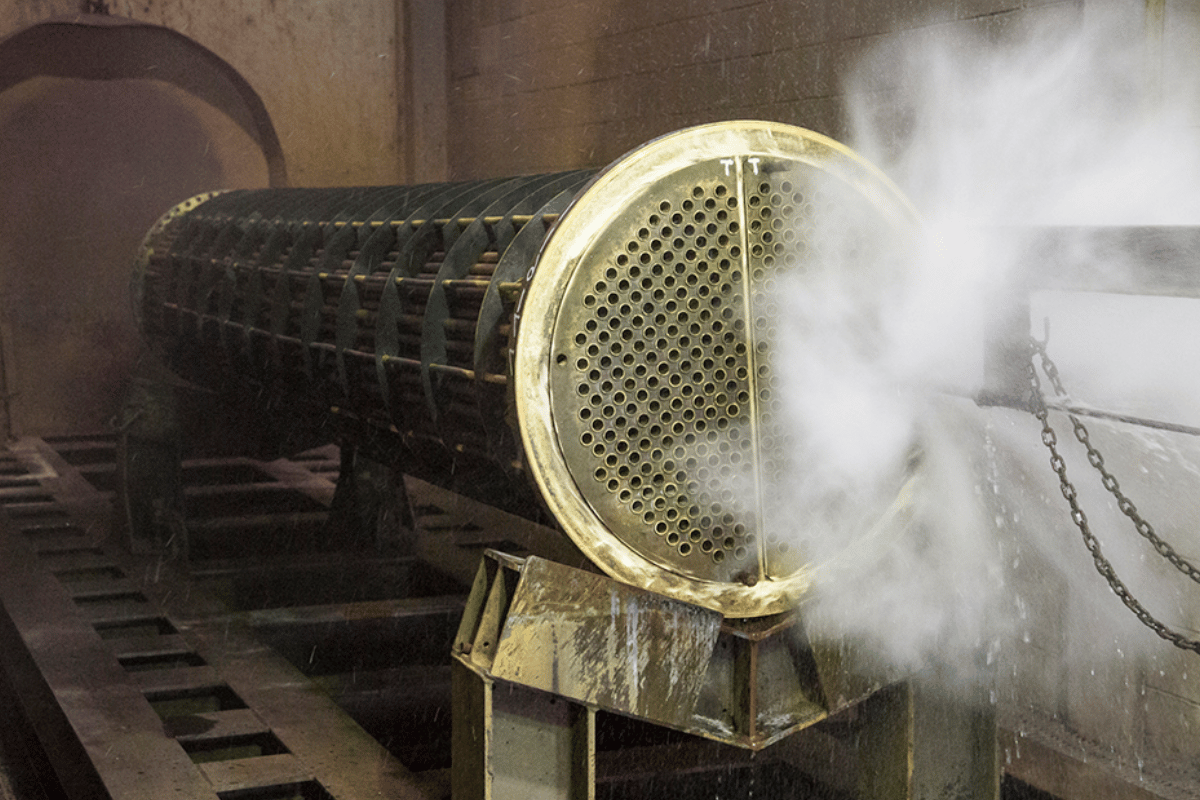
Heat exchangers need proper maintenance procedures because these practices help sustain their efficiency and prolong their operational lifespan. The facilities will achieve maximum heat exchanger efficiency through these practices while they protect against sudden equipment breakdowns.
The routine checks help to discover problems which include fouling, corrosion, and leaks. The early detection of problems serves to stop their development into larger more expensive issues.
The cleaning process needs specific methods which should combine chemical cleaning with mechanical methods to remove the deposits that cause efficiency declines.
The heat exchanger must operate between temperature and pressure limits which the manufacturer has established.
The operation process requires that gaskets seals and tubes be replaced before they become unusable.
The organization needs to keep comprehensive records about all inspections and repairs which will help them identify maintenance patterns and forecast future maintenance requirements.
Regular Maintenance Procedures
Predictive maintenance uses advanced tools which include sensors and IoT devices and data analytics to conduct equipment monitoring through real-time equipment parameter tracking. The system uses temperature and pressure and vibration metrics to make predictions about future failures which will happen before they show visible signs. The approach decreases unexpected system breakdowns which results in reduced costs for emergency repair services. The implementation of machine learning algorithms in predictive systems improves their precision because these algorithms can discover minor indicators which show equipment deterioration or coming problems. Studies demonstrate that facilities using predictive maintenance achieve over 30 percent cost savings while extending equipment lifespans compared to facilities using reactive maintenance practices.
Practices for Maintaining Efficiency
Scheduled Inspections: The team will perform periodic inspections as a means to detect upcoming problems before they become major operational disruptions. The team will use standardized checklists as their assessment tool to achieve uniformity during equipment assessments.
Equipment Calibration: The team needs to perform equipment calibration tests for all machinery and instruments which will help them maintain precise operational standards throughout their work activities.
Data-Driven Monitoring: The organization uses modern monitoring systems which enable them to gather immediate information from their operations. The system analyzes data patterns to identify unexpected results while enhancing efficiency.
Employee Training: The organization provides continuous educational programs to train employees on proper equipment handling and maintenance procedures. Operators with advanced skills can spot workflow problems and develop effective solutions.
Documented Protocols: The organization needs to develop and implement maintenance procedures and emergency response protocols which should remain accessible for future reference. The presence of accessible documentation makes it easier to understand information which helps to avoid work interruptions.
Minimizing Downtime During Maintenance
Organizations need to use a systematic approach which depends on three essential elements that include preparation and efficiency and communication methods to decrease their maintenance downtime. The organization should schedule maintenance work during times when demand is at its lowest to achieve maximum efficiency. The team should prepare all required equipment and materials and personnel before starting the task to prevent work stoppages. The organization should use predictive maintenance methods that include condition monitoring to carry out their work in advance and decrease unplanned machine breakdowns. Teams achieve operational alignment through effective communication, which becomes more efficient with standardized checklists that assist in executing tasks while eliminating potential errors. The organization needs to conduct ongoing evaluations of its maintenance operations to discover potential enhancements that will allow them to sustain continuous business activities.
Reference Sources
The Essential Guide to Heat Exchanger Tube Bundle Replacement - Explains the safe process of removing detachable bundles from equipment through the use of hoisting and crane systems.
Ultimate Guide to Heat Exchanger Cleaning and Maintenance - Explains industrial cleaning procedures that involve mechanical and chemical and high-pressure water jetting techniques.
Heat Exchanger Maintenance Guide - The document offers information about maintenance schedules and servicing procedures which depend on different environmental conditions.
Frequently Asked Questions
The petrochemical industry establishes safety requirements as its foremost operational priority when hazardous substances are present. The equipment requires complete Lockout/Tagout (LOTO) protection because operators need to achieve total energy shutdown before they can begin extraction operations. The process requires total fluid drainage from the exchanger together with toxic and flammable vapor elimination through purging and the installation of "blinds" or "spades" on all piping connections which will create full separation of the unit from the operational system. The Job Safety Analysis (JSA) process requires an assessment of risks that include heavy lifting and working at heights and potential chemical exposure.
A bundle extractor functions as the primary equipment to perform this operation. These come in two main configurations:
Truck-Mounted Extractors: These units operate as self-propelled machines which function effectively in both ground-level heat exchanger operations and locations with road access. The system enables quick installation while maintaining high operational performance throughout its functional duration.
Aerial Bundle Extractors: These units require crane lifting because they operate in locations that lack truck access to elevated platforms and others that require special equipment. Operators use manual rigging with chain falls and hydraulic jacks to handle small jobs, but this method has lower efficiency and creates increased safety hazards.
Tube bundles often seize due to severe fouling, corrosion products, or thermal expansion. Workers use hydraulic rams or jacks to generate controlled extraction pressure when initial extraction attempts fail. The application of chemical penetrating agents allows for the dissolution of binding material in extreme situations, while controlled thermal techniques enable controlled expansion of the shell. The technician needs to distribute all applied force across the entire surface area to maintain alignment and prevent surface damage.
The bundle comes to rest on the extractor's carriage after the extraction process ends. The aerial unit requires bundle lowering to the ground before moving to the designated transport trailer or straddle carrier. The bundle requires proper strapping procedures to ensure complete transport protection against all possible movements during the journey. The transportation process needs to maintain slow and controlled speeds because vibration damages the tubes when bundles contain aged material with damaged baffles and tie rods. The typical destination for this process leads to a specified wash pad or maintenance facility.
The cleaning process needs to start immediately after the extraction completes, because operators typically need to start cleaning while the fouling materials remain wet. The hardening process of deposits becomes extremely hard to remove when they dry out, which creates more difficult and time-intensive cleaning requirements. The operators use high-pressure water jetting to eliminate scale and coke and polymer accumulation that exists on the bundle's shell-side. The immediate cleaning process reveals the actual state of the tubes, which helps to conduct precise inspection work.
The bundle undergoes Non-Destructive Testing (NDT) after the cleaning process ends. Common methods include:
Visual Inspection: The inspection process verifies the presence of gross deformation and severe corrosion and baffle damage.
Eddy Current Testing (ECT): Enables the detection of pitting and cracking and wall thinning for non-ferromagnetic tubes.
Remote Field Testing (RFT): Applies to carbon steel tubes that possess ferromagnetic properties.
Internal Rotary Inspection System (IRIS): Uses ultrasonics to measure wall thickness accurately. The tests assess the need for repairs through tube plugging or complete retubing and replacement.