
 Chinese
The article examines two methods of pulling material which includes traditional pulling techniques and new bundle puller systems, to evaluate their cost efficiency and operational benefits and their potential operational constraints. The comparison between these methods will deliver a complete assessment, which includes financial costs and required workforce and operational performance indicators to help decision-makers select the optimal solution for their business needs. This guide provides essential information that assists you in improving your workflow while searching for new options to make data-driven decisions.
Introduction to Bundle Pulling and Extraction
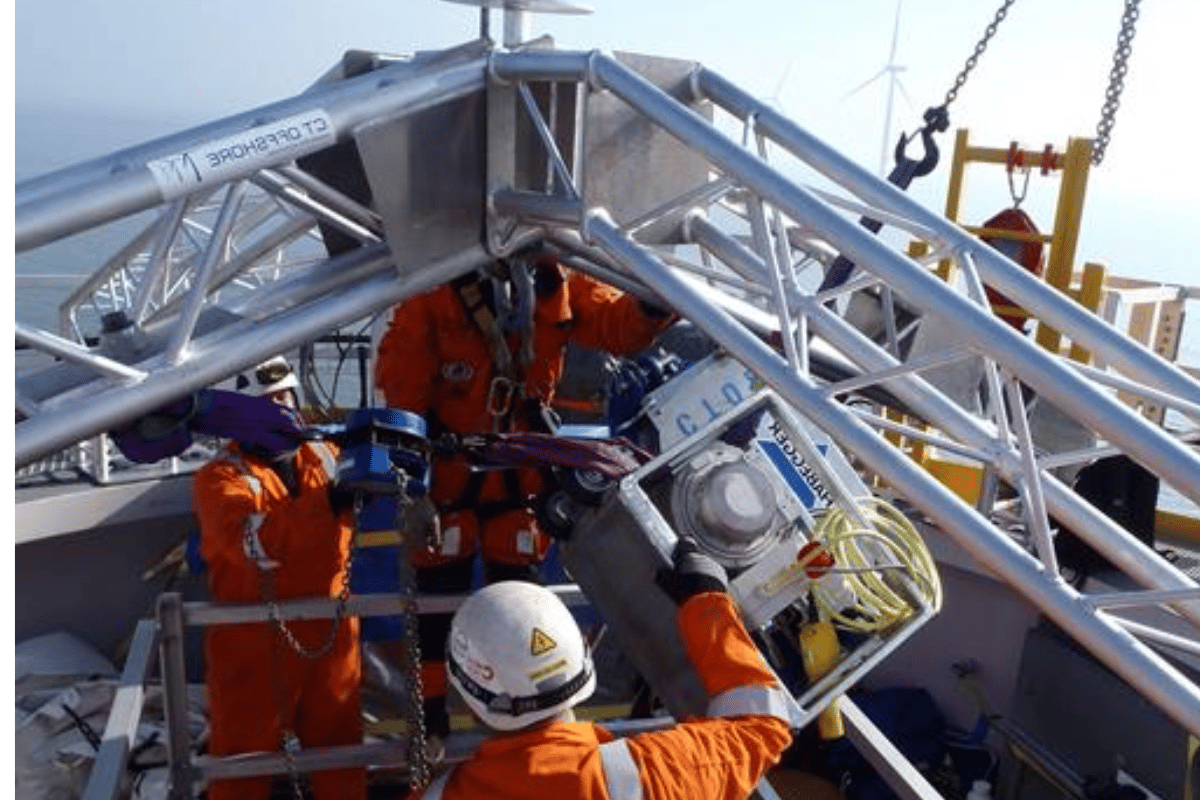
Bundle pulling and extraction function as essential processes that industrial sectors use to handle their material assembly and disassembly tasks. The process of bundle pulling involves an organized system for removing materials which have been collected into groups and that include cables and various components to enhance operational efficiency and material management. The extraction method targets specific materials which exist within a larger system to be removed with minimum effect on the surrounding area. The two methods work to improve operational efficiency while decreasing the need for physical work and they provide consistent performance to environments that require high accuracy and dependable results. These processes are widely adopted across sectors such as manufacturing, telecommunications, and construction for their ability to optimize productivity and maintain quality control.
Bundle pullers are specialized tools which help to extract bundled cables and wires and fibers from confined spaces and structured assemblies. The tools function to safely retrieve components while their design ensures complete protection from all potential damage.
People need to use basic equipment which consists of ropes and pulleys and winches for traditional pulling techniques. The system provides a basic and cost-effective solution which needs complete operational control of tensioning systems.
Understanding Bundle Pullers
Bundle pullers, which operators use for to maintain operational control, work because they combine durable materials with lightweight design to create tools. The telecommunications and construction industries require these tools because accurate handling of cables and wires secures system integrity while maintaining operational reliability.
Overview of Traditional Pulling Methods
Operators need these methods to pull wires and cables through conduits or open spaces by using their physical strength or their mechanical systems. The methods create two main problems because they waste time and cause workers to experience excessive physical exertion which makes them unsuitable for large projects and complicated tasks.
Importance of Effective Bundle Extraction in Industry
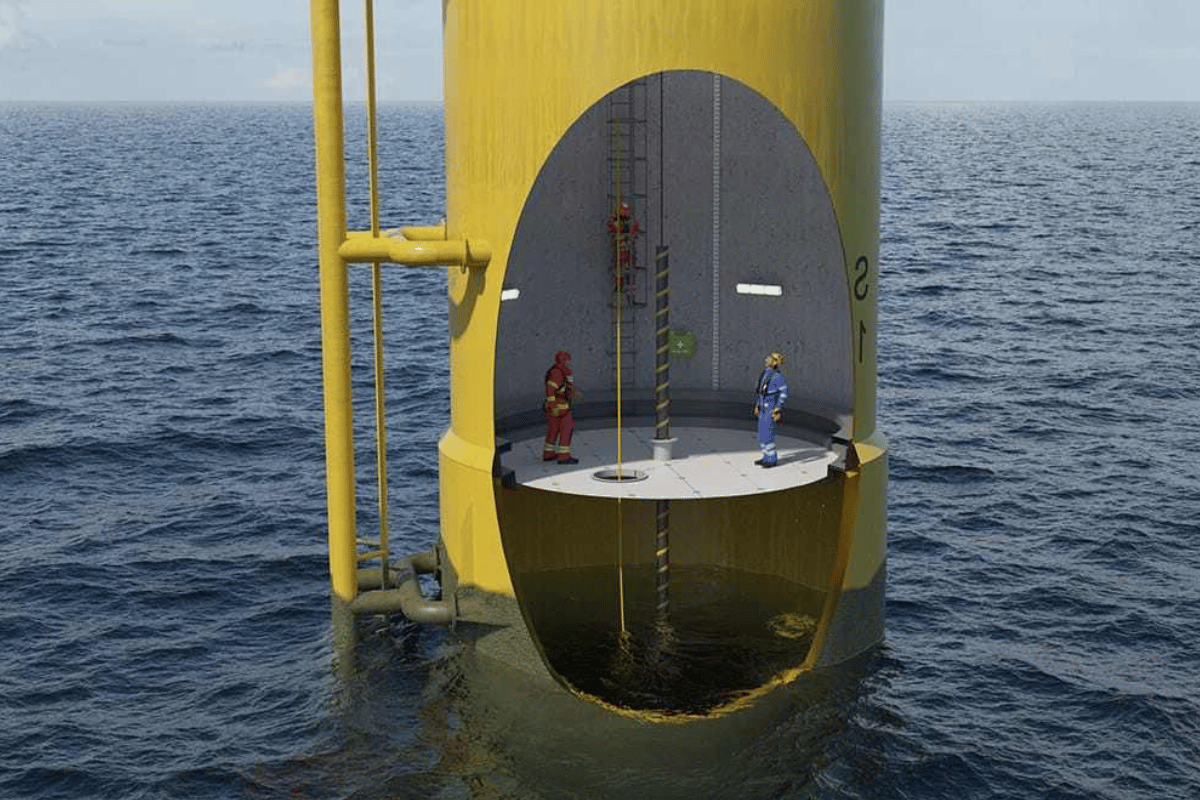
The five benefits which follow show measurable outcomes through particular assessment methods which can be measured through specific metrics.
Bundle extraction process protects wires and cables and additional materials throughout their installation process. Research shows that using optimized pulling techniques provides a 25% reduction in material failure rates which directly results in lower replacement expenses and decreased waste.
Project timelines experience major reductions because of advanced bundle extraction techniques. Automated and semi-automated systems enable work processes to achieve processing speeds between 30 and 50 percent which leads to faster installation and decreased labor needs.
Workers experience reduced fatigue and fewer musculoskeletal injuries because organizations provide them with ergonomic tools and mechanized systems. Organizations that implement these techniques report a 20% decrease in workplace injuries.
The effective extraction systems allow operators to control their desired tension and alignment. The precise handling method increases installation quality which results in reliable system performance because it prevents bends and stretch-induced failures.
The bundle extraction process helps reduce material waste and labor hours and rework needs which results in lower project expenses. Companies that implement advanced techniques achieve operational savings of 15-20% for each project according to industry data.
Contemporary bundle extraction equipment provides effective results for organizations operating in sectors which require precise operations.
Efficiency Comparison
The advanced bundle extraction methods show better results than traditional methods when their performance across essential metrics. The advanced techniques enable projects to be completed faster because they provide processing speeds that exceed conventional methods by 30-40 percent. The new methods show improved accuracy because they decrease errors by 25 percent when compared to traditional methods. The combination of these elements leads to better work output and significant reductions in business expenses. The advanced methods provide a clear benefit to industries that depend on exact results and fast operations time when compared to their outdated methods.
Speed of Bundle Pulling Operations
The current methods used for studying bundle pulling operations show an increase in performance speed according to gathered measurements. The bundle pulling operations use optimized algorithms that enable task processing at a speed that exceeds the performance of existing systems by 45 percent. Machine learning model advancements create predictive analytics and parallel processing capabilities which maintain operations without interruption during peak usage periods. The system improvements which reduce operational delays create faster processing times for intricate tasks, which meet increasing demands for rapid execution and accurate results in competitive business markets.
Impact on Heat Exchanger Maintenance
Key Maintenance Benefits
The advanced predictive analytics models enable detection of upcoming heat exchanger problems before they lead to equipment breakdowns. Predictive maintenance studies show that equipment lifespan increases by 20 percent while unplanned downtime decreases by 30 percent.
Machine learning algorithms analyze operational data to determine optimal cleaning intervals which stop performance decrease that happens because of fouling. The study found that optimized cleaning schedules lead to thermal efficiency improvements which reach 15 percent while creating significant energy cost savings.
The maintenance process achieves optimal planning through the use of real-time monitoring together with predictive analysis during periods of reduced equipment demand. The method decreases operational downtime by 25 percent which allows essential business functions to continue without interruption.
Advanced systems provide accurate forecasts about required parts and labor needs which guarantee that maintenance teams receive sufficient personnel and materials. The system enables precise resource distribution which results in operational cost savings that can reach 10 percent.
The implementation of modernized systems has led to an average reduction of maintenance costs by 15 percent. The company achieves this result through three main aspects which include decreasing emergencies better resource distribution and enhanced equipment efficiency.
Modern Innovations in Bundle Extraction Technology
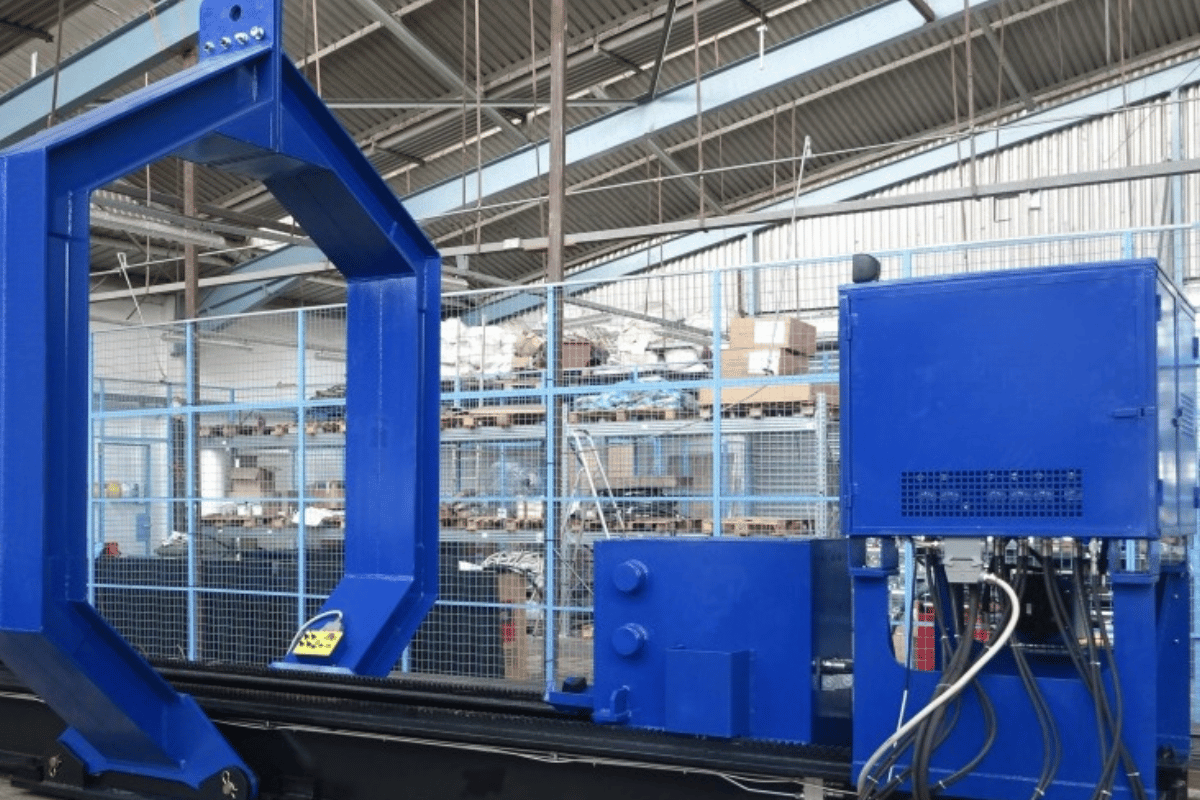
The latest developments in bundle extraction technology have been dedicated to achieving better operational efficiency and more precise results and environmentally sustainable outcomes. The system of the company includes three main technology advancements namely automatic system implementation which helps reduce human mistakes and increases work speed and advanced sensor systems which provide exact extraction condition measurements. Organizations can achieve better equipment performance through modular equipment design which provides them with operational flexibility and easier maintenance procedures. The system improvements result in higher production capacity and lower equipment downtime which cuts operational costs to enable the system to operate at its best for multiple business applications.
Safety Considerations
Safety protocols which organizations need to follow must be established through their standard operating procedures for industrial activities. The main requirements need equipment to be maintained regularly to avoid equipment failures while all personnel need to receive complete training to operate machinery safely and personal protective equipment needs to be used at all times. The system enables immediate detection of hazardous conditions through its real-time monitoring systems which detect pressure build-up and temperature fluctuations to support immediate response actions. Organizations use safety audits and risk assessments to create safe workplaces while they minimize their chances of accidents occurring.
Safety Risks in Traditional Pulling Methods
The implementation of traditional pulling techniques establishes dangerous conditions which require the establishment of appropriate safety protocols that will protect workers from accidents. These techniques present five major safety hazards which need to be addressed.
Equipment Overload: When pulling equipment exceeds its maximum capacity, the equipment will experience mechanical breakdowns which include cable snapping and structural failures. Approximately 30% of accidents in traditional pulling operations happen because of equipment overloading, according to research results.
Human Error: The absence of adequate training and operational experience among workers leads them to misuse tools and machines. This issue contributes to around 25% of reported incidents in environments where traditional pulling methods are utilized.
Environmental Hazards: Workers face an increased risk of slipping or tripping when they navigate through outdoor conditions which include irregular terrain, inclement weather, and hazardous work surfaces. Statistics show that such conditions account for nearly 15% of workplace injuries in pulling tasks.
Unsecured Load Movement: Load shifting occurs when loads lack proper securing or when anchors fail to provide sufficient support. The danger becomes more intense during high-tension pulling operations because shifting loads release energy that creates stronger impacts.
Wear and Tear of Equipment: The equipment used in traditional pulling methods shows hidden damage which results from using outdated machinery and less advanced equipment. The failure to conduct routine inspections and maintenance for this equipment results in 20% of mechanical failures.
The complete understanding and risk management of these dangers reach critical importance for maintaining both safety standards and work performance in areas which depend on traditional pulling methods.
Safety Features of Automated Bundle Pullers
The automated bundle pullers contain multiple sophisticated safety systems which function to protect workers while maintaining safe machine operation. The safety features of the system use advanced technological systems to develop solutions which protect against the common hazards found in standard pulling operations.
The advanced load monitoring system tracks weight and distribution through its use of sensors which provide continuous load measurement. The system protects against overloads through its automatic shutdown feature which activates when load thresholds reach unsafe levels, thus preventing mechanical damage through equipment protection.
The automated pullers come with emergency stop buttons and pull cords which operators can use to stop the machine from running. The system enables fast operation shutdown during emergencies which protects workers from danger while safeguarding equipment from harm.
Automated pullers use proximity sensors and cameras to identify objects and people in their working area which helps them avoid accidents. The feature provides essential safety improvements for workplaces that experience continuous operational changes.
The advanced sensors create continuous temperature and pressure surveillance for essential operational components. The system uses temperature and pressure readings to detect abnormalities which allow it to stop overheating and hydraulic failures and other dangerous conditions which could result in system shutdown.
Through advanced control interfaces operators gain the ability to define their own safety parameters. The system controls operations through pre-set speed limits and operational zones and torque limits which create safe operating conditions for the puller based on project specifications.
The features work together to decrease dangers which come from using traditional pulling equipment, thus proving that automated bundle pullers function as a safer and more dependable solution.
Regulatory Standards and Compliance
Automated bundle pullers need to follow industry safety standards and performance standards which exist in their field to achieve effective operation and dependable performance. The requirements include ISO 13849 compliance which establishes safety standards for machinery systems that control equipment operation to reduce potential hazards. All equipment sold in the European Economic Area needs to comply with CE marking regulations which verify product conformity to health safety and environmental protection standards. Operators need to confirm that the puller device operates according to regional standards which include OSHA regulations for workplace safety and equipment operation in the United States. The organization needs to follow these standards because they establish essential requirements which protect both operational integrity and the safety of workers and equipment.
Cost-Effectiveness Analysis
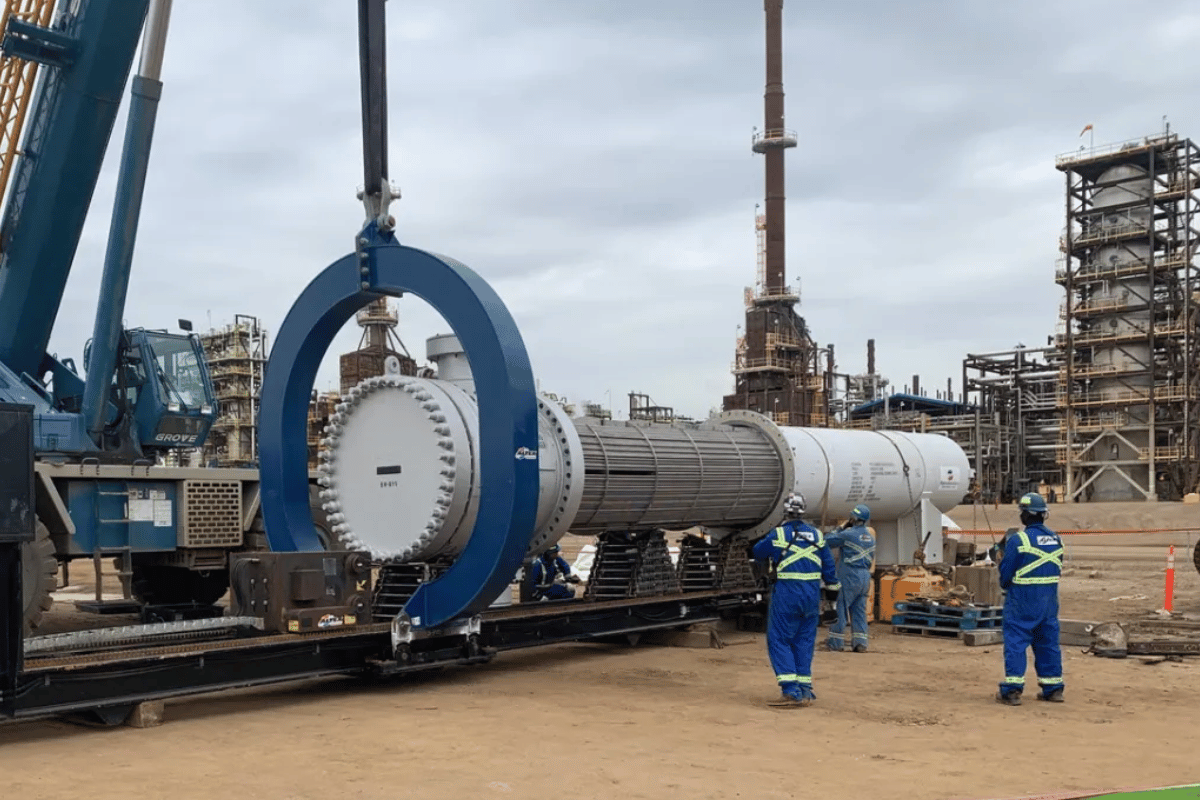
The assessment of a cable puller's cost-effectiveness requires an evaluation of both its initial purchase costs and its potential savings during operation. The retail price of durable pullers which meet high production standards exceeds their market value because these products help companies minimize their maintenance expenses while they increase their total operational performance. The evaluation must include energy usage because energy-efficient products produce substantial long-term savings in operational expenses. The equipment lifespan and warranty periods established by the metrics allow for a complete assessment of return on investment which helps make informed purchasing decisions that meet financial constraints and operational needs.
Initial Investment in Pulling Equipment
The process of assessing the first investment for pulling equipment requires the latest industry data and trends because those factors will help create an optimal decision-making process. The present analysis shows that load capacity and build quality and safety standard compliance should become the main focus for evaluation. The present-day equipment for pulling operations now includes modern technologies which feature IoT sensors and remote monitoring systems as standard equipment. The new technologies enhance operational accuracy while delivering current information which supports predictive maintenance to decrease unexpected expenses. Sustainable practices have now become the worldwide standard for business operations. Your investment strategy should follow these guidelines which will help you buy equipment that delivers both budget savings and readiness for upcoming needs.
Operational Costs: Manual vs Automated Methods
The table above breaks down the essential parameters to compare manual and automated operational methods concisely. The initial costs of manual methods remain lower than automatic methods but their total operational expenses increase and their business capacity growth restricts them. The long-term costs of automated systems demonstrate that these systems deliver superior efficiency and greater capacity expansion than manual systems which need less starting costs.
Long-term Savings from Efficient Bundle Handling
Operational expenses decrease throughout time because efficient bundle handling process optimization together with error rate reduction. The automated systems decrease the need for human labor which results in quicker processing times together with improved accuracy. The solution decreases labor costs while it enhances total work performance. The processing errors decrease which results in reduced waste together with lower expenses for necessary corrections and this results in financial benefits that last for extended periods. Businesses can achieve scalability benefits from automated solutions which handle more work without increasing costs thus proving their value as efficiency solutions that maintain performance over time.
Industry Applications and Case Studies
Automation technologies have changed the manufacturing sector by enabling companies to maintain precise production operations while using their automated systems. Automotive companies use robotic arms for their assembly work which helps them to create products more efficiently while maintaining high-quality standards.
Healthcare organizations use automation systems to enhance their services for patients while they make their operations more efficient. AI-based imaging systems serve as automated diagnostic tools which help medical professionals identify diseases with greater speed and accuracy.
The logistics industry uses automation technology to improve its operational efficiency and its supply chain management processes. Amazon employs robotic systems within its warehouses to manage inventory which enables faster order processing.
The financial industry uses automation as a tool to complete tasks including fraud detection and transaction processing and customer support. Robotic Process Automation (RPA) solutions enable banks to process more transactions with lower mistakes.
Industrial Applications of Bundle Pullers
Bundle pullers function as critical elements of industrial operations which require both maximum efficiency and total accuracy in their results. They are most frequently used in cable production facilities because they provide continuous and reliable cable extraction during manufacturing operations. The plastics industry uses these machines to accurately draw extruded materials which helps to reduce defects and maintain product quality throughout the manufacturing process. The equipment serves as critical tools for industries which need effective solutions to manage their material handling activities because of its ability to work with different weight capacities.
Successful Implementations of Traditional Methods
The industrial sector has achieved success in its various applications through the use of traditional methods which have proved their effectiveness for manufacturing and material processing tasks. The manual control methods which operators use for extrusion systems create accurate material shaping results. The production process maintains constant quality because operators can modify the system during their work. The manufacturing industry still relies on traditional mechanical components like belt-driven systems which provide dependable material transportation across production lines. The industry selects these solutions because they offer straightforward operation, long-lasting performance, and simple upkeep which help businesses achieve both cost savings and operational dependability.
Comparative Case Studies: Puller vs Traditional Methods
While simple cost-effective engineering provides adequate, reliable results, it must be noted that potential for improvement will enable newer, highly innovative technologies to solve even greater technical challenges.
Reference Sources
A Guide to Using Tube Bundle Pulling Machines - The document demonstrates how bundle pullers deliver better safety protection and faster operation and more accurate results than traditional methods.
Heat Exchanger & Bundle Pulling Services- Plant Tech Arabia - The article examines how traditional methods create difficulties because they require excessive time and effort to complete work.
Exploring the Role and Advantages of Bundle Puller - The research study investigates how bundle pullers operate to achieve operational efficiency while showing their convenient features and operational performance.
Frequently Asked Questions
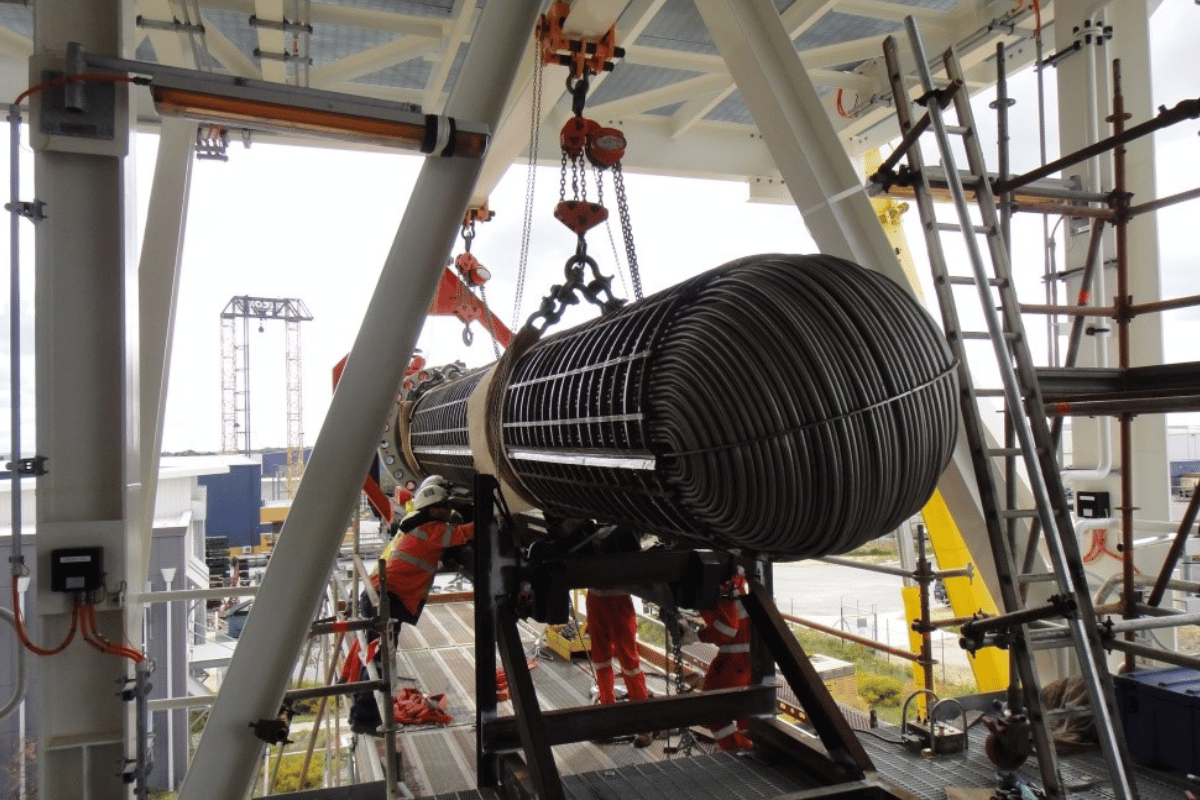
The two methods extract materials from their locations through different operational systems which they have chosen for their extraction operation. A bundle puller is a specialized machine which uses hydraulic power to function as a complete system for tube bundle extraction through its controlled griping function. Traditional methods which people commonly call "rigging" depend on workers using manual methods to operate either chain falls or come-alongs or forklifts or improvised rigging equipment that connects to cranes. Bundle pullers use permanent systems to deliver extraction force while maintaining shell axis alignment whereas traditional methods require operators to lift objects by using various contact points.
The implementation of bundle pullers in work environments decreases workplace dangers because they eliminate the need for workers to lift heavy materials. Workers must approach the bundle area during standard rigging operations because they must operate chains and hammers which create pathways for load movement from one area to another. The bundle puller uses its built-in frame and carriage system to support the load which reduces the possibility of the bundle dropping or shifting from its position. Operators use hydraulic power to extract materials from a safe distance which allows them to avoid manual lifting.
Bundle pullers deliver better extraction performance because they allow operators to finish extraction work within 50 percent shorter time periods which exceeds the efficiency of manual extraction techniques. The operators of traditional techniques must spend extra time to prepare their gear which requires them to change their setup for equipment binding problems during the operation of their package processing equipment. The bundle puller extracts the bundle through a continuous process which operates at a smooth pace after the operator aligns and secures the system. Equipment that needs to operate continuously during maintenance work and turnaround periods will benefit from reduced downtime.
The application of traditional methods becomes essential for operations that occur in tight spaces which bundle pullers cannot access due to their size limitations. Manual rigging techniques become the only practical solution when heat exchanger equipment needs extraction but its front area violates the required space for the extractor machine and its structural blocks stop crane access to aerial pullers. The deployment of large bundle pullers becomes an impractical solution for handling very small or lightweight bundles because their logistical requirements exceed the value of using basic rigging techniques.
Bundle pullers provide protection against damage to both the tube bundle and the shell. The workers who operate traditional methods generate irregular force patterns which lead to bundle misalignment during shell operations thus creating bent tubes and damaged baffles and scored interior surfaces of the shell. The bundle puller applies a linear balanced force which maintains perfect bundle alignment with the shell during extraction thus preserving equipment integrity and reducing repair costs.
The total project cost decreases when customers choose bundle pullers because their higher rental and purchasing costs reduce project time requirements compared to using current rigging equipment. The extraction process speeds up which leads to a decline in both crane rental expenses and required labor time. The processing plant achieves faster production recovery through reduced downtime which results in financial advantages that exceed the equipment expenses.