
 Chinese
The extraction procedure for tube bundles from heat exchangers represents a vital yet difficult operation because it impacts both operational functions and safety measures. The operation needs accurate execution because any errors during maintenance and system failures will create multiple negative results which include equipment destruction and worker accidents and unexpected operational interruptions and environmental risks. This article tests various risk assessment methods which use tube bundle extraction to determine how organizations can recognize hazards and create effective protection plans. Organizations that use structured methods for risk management will achieve better safety outcomes while their operational activities become more effective and they meet regulatory requirements which apply to their industry. The essential process will provide readers with important knowledge about best practices and major risk elements and methods for protecting workers and equipment at the same time.
Understanding Tube Bundle Extraction
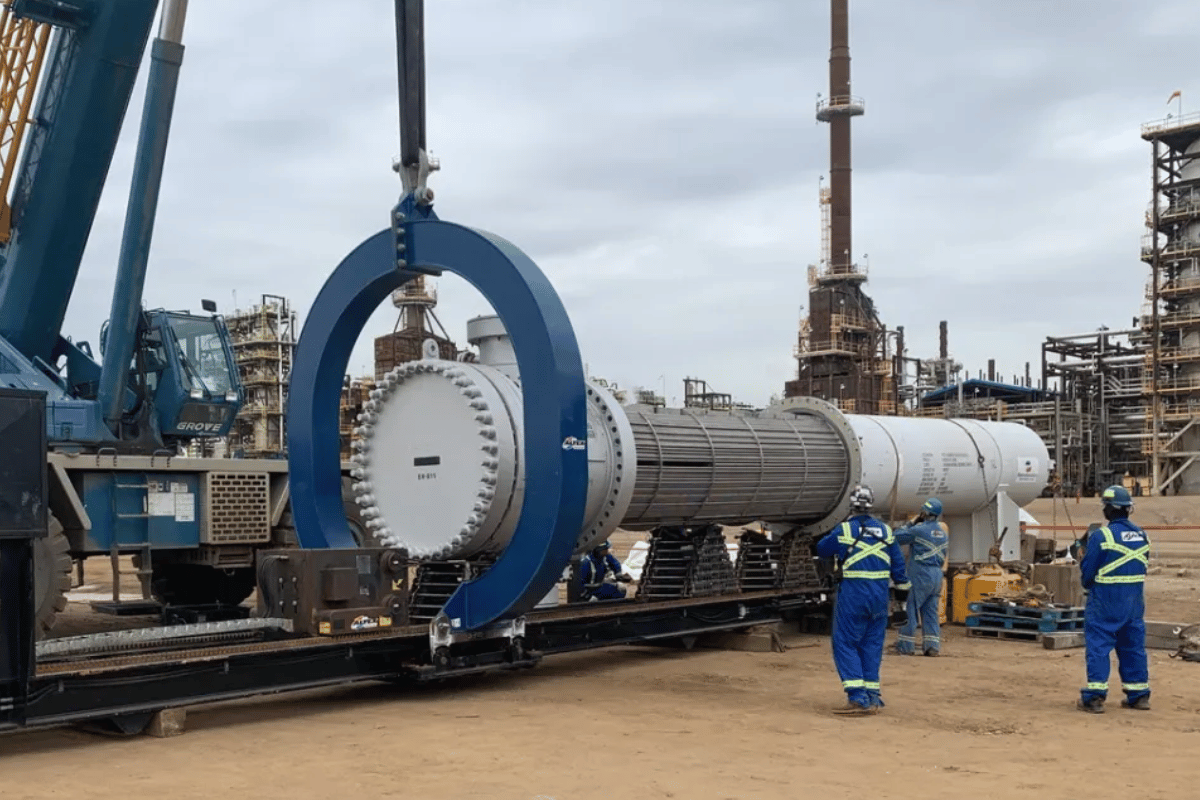
Tube bundle extraction serves as an essential maintenance work procedure which enables technicians to access heat exchanger internals through tube bundle removal to conduct equipment assessment and cleaning and equipment restoration. The process uses specialized hydraulic or mechanical equipment to dislodge the tube bundle from the shell while safeguarding the integrity of both the tubes and the surrounding shell structure. The procedure enables heat exchangers to function at their highest efficiency while preventing system breakdowns which result from fouling and corrosion and equipment deterioration. The process requires proper planning together with methodical execution to achieve safe operations while maintaining efficient performance according to industry standards.
What is a Tube Bundle?
A tube bundle refers to the assembly of tubes within a shell and tube heat exchanger, one of the most commonly utilized types of heat exchange equipment in industrial applications. The tube bundle consists of multiple tubes, which engineers arrange in parallel while using baffles and tube sheets to provide structural support. The tubes enable heat transfer because they permit one fluid to travel through the tubes while the second fluid moves through the space between the tubes and the shell.
Tube bundles can be constructed from various materials, such as stainless steel, copper alloys, or titanium, depending on the operating conditions, including temperature, pressure, and the corrosive nature of the fluids involved. The material selection process enables organizations to achieve their required performance and durability standards in their specific environmental conditions. The efficiency of heat transfer processes will decrease when tube bundles experience fouling, scaling, and material degradation, which makes regular maintenance and inspection essential to preserve system performance.
Importance of Tube Bundle in Heat Exchangers
The tube bundle functions as the essential element which enables heat exchangers to transfer thermal energy between two different fluids. The heat exchanger performance and durability depend on its design specifications, material selection, and maintenance procedures. The following essential points demonstrate the critical importance of the tube bundle system:
Key Performance Factors
Enhanced Heat Transfer Performance: Tube bundles are designed to maximize the surface area available for heat exchange. The combination of advanced materials with surface treatments that include fins and grooves establishes a system which enhances thermal conductivity to achieve optimal energy efficiency.
Corrosion Resistance: The selected materials for the tube bundle act as the primary defense system which protects against corrosion that operational fluids and gases cause. Stainless steel, titanium, and other alloys are commonly used to improve longevity and maintain performance in corrosive environments.
Pressure Containment: Tube bundles must maintain their function under various pressure levels which occur during heat exchange operations. Engineers use strengthened designs which incorporate thicker tube walls and support structures to ensure material integrity when facing high-pressure conditions.
Fouling Prevention: Fouling and scaling create major obstacles which prevent efficient heat transfer. Anti-fouling coatings and regular maintenance schedules are critical to minimizing deposits on the tube surfaces, ensuring consistent performance and operational lifespan.
Design Customization: Tube bundle designs can be customized to meet specific industrial needs, such as varying fluid types, temperature ranges, or flow rates. The design optimization process for unique processes requires computational fluid dynamics modeling which guarantees efficiency and operational reliability across multiple applications.
Common Types of Tube Bundles
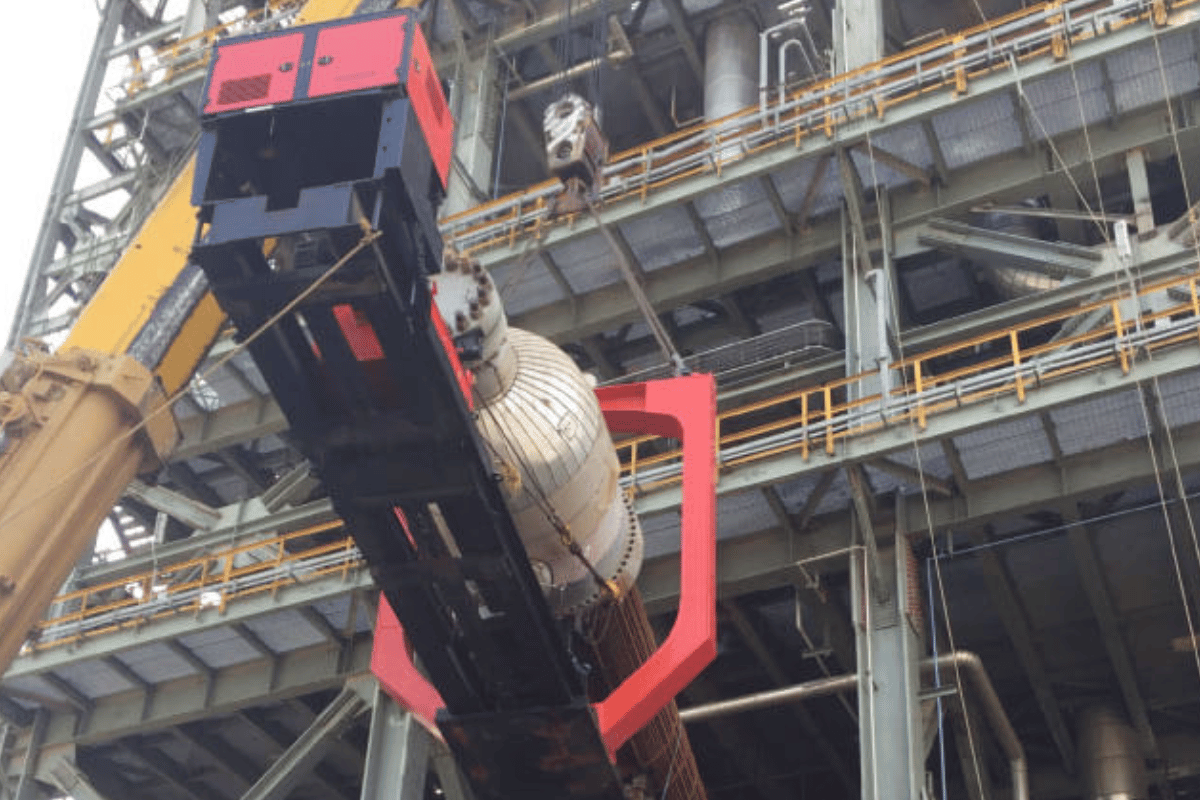
U-Tube Bundles
Engineers use U-tube bundles which contain tubes that they need to shape into U-form structures for their thermal expansion needs, because this design prevents stress from developing on the tube material. The system operates successfully in heat exchangers which encounter wide temperature swings. The U-bend functions as an expansion joint replacement which provides better performance to power generation plants and petrochemical facilities.
Fixed Tube Sheet Bundles
The system establishes permanent tube connections which create fixed points at both tube sheet ends. The solution works best when fluids have small temperature differences which need to be transferred between them. The system provides basic solid construction but needs maximum disassembly because each cleaning process requires complete access to shell side components.
Floating Head Bundles
Floating head bundles enable thermal expansion control through their design which permits unrestrained movement of one tube sheet within the exchanger shell. The design provides optimal cleaning capabilities which enable routine maintenance for chemical processing operations between tube and shell surfaces.
Helical Tube Bundles
Helical tube bundles contain tubes which engineers position in a helical arrangement that extends from a central point which results in improved turbulence and better heat transfer capabilities. The design functions as a standard solution in situations that need space-saving features and exceptional heat management capabilities which includes specialty heat exchangers used in HVAC systems and renewable energy applications.
Straight Tube Bundles
The bundles contain straight tubes which engineers connect through fastening methods to two separate sheets which creates a process that simplifies both manufacturing and maintenance tasks. The system provides operational benefits for high-pressure systems used in boilers and condensers. The system provides less thermal expansion flexibility because its design results in lower expansion capacity than other systems.
Hazards in Bundle Extraction Operations
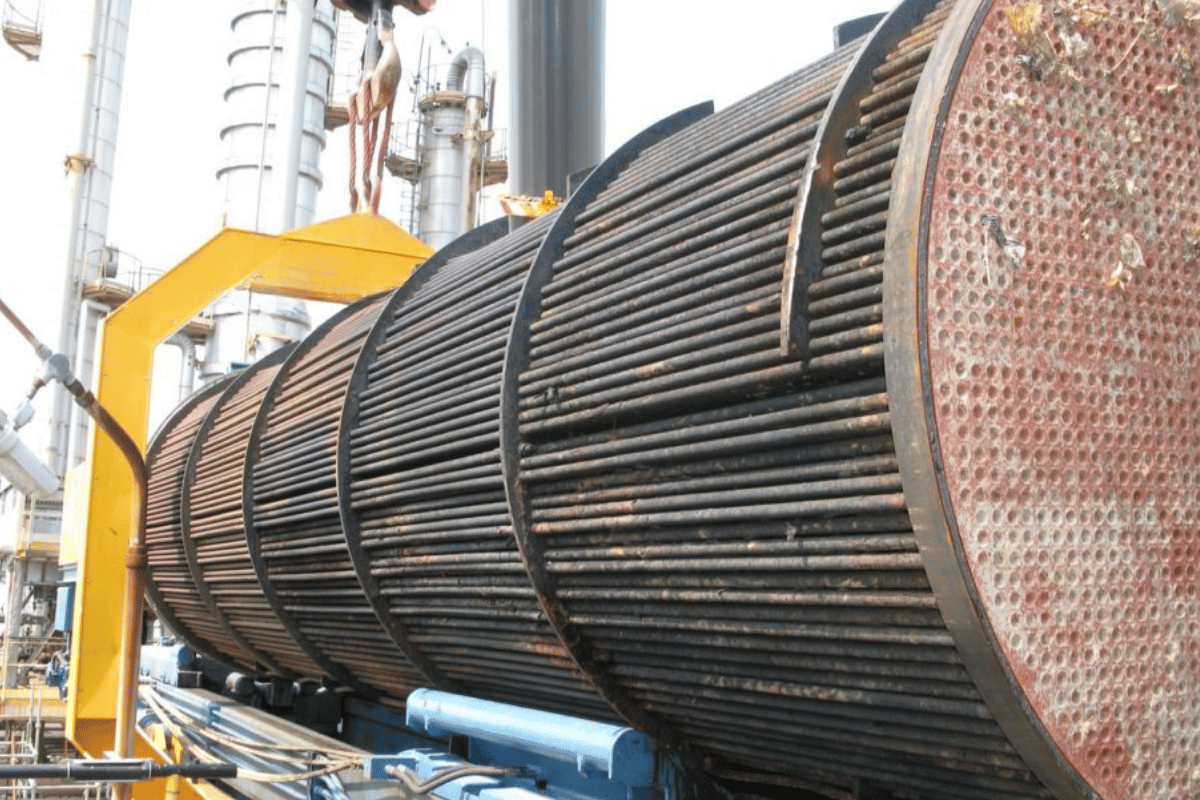
The process of bundle extraction brings multiple major dangers which arise from mechanical systems and environmental elements and human behavior. Understanding and mitigating these hazards is crucial for safe operations.
Critical Safety Requirement
Organizations need to establish multiple safety standards together with their training programs and equipment maintenance procedures in order to decrease these workplace dangers. The establishment of maintenance and inspection procedures operates as the fundamental method to lessen these particular dangers.
Identifying Potential Hazards
The process of identifying hazards together with data-based environmental assessment enables organizations to select their most effective hazard reduction methods for creating safer workplaces with improved organizational resilience. Key hazard categories include:
Ergonomic Hazards: Ergonomic hazards become the main threat to workplaces which require workers to execute repetitive tasks while sustaining fixed body postures throughout their working hours. Organizations will achieve lower musculoskeletal disorder rates through the combination of ergonomic assessments and workstation adjustments.
Chemical Exposure: Chemical exposure constitutes a major risk at manufacturing facilities and construction sites and laboratory environments. The current situation requires stronger regulations which must include systems for real-time monitoring and improved protective equipment to safeguard workers against toxic substance exposure.
Cybersecurity Vulnerabilities: Cybersecurity vulnerabilities became a direct workplace threat during the digital age. Organizations need to develop complete training programs for cybersecurity awareness together with strong IT systems which protect their critical operational networks according to the current rise in phishing attacks and data breaches.
Impact of Hazards on Operations
Hazards directly affect three areas of business operations which are operational efficiency and safety and overall productivity. These risks can disrupt workflows, compromise critical systems, and diminish employee morale if not addressed promptly. Organizations achieve operational resilience and security protection and organizational goal alignment through the process of early hazard recognition and mitigation.
Risk Assessment Techniques
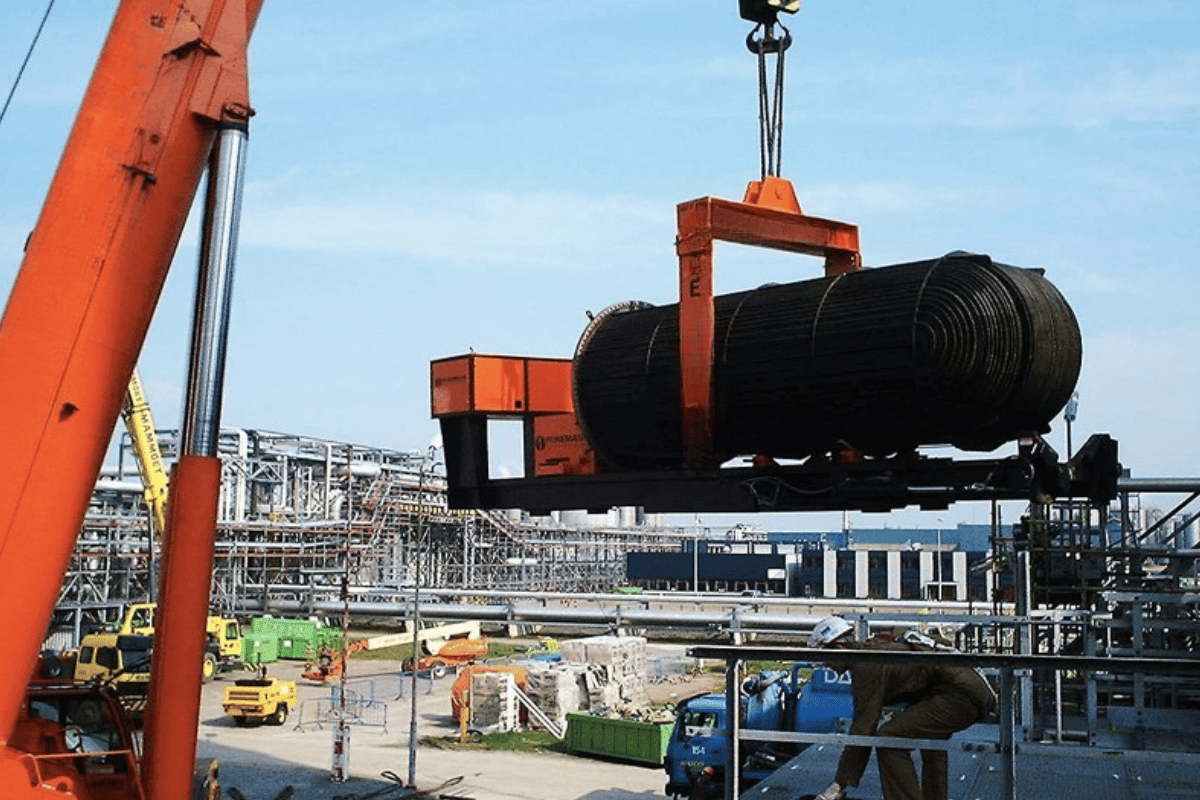
Risk assessment requires a methodical process to identify hazards which involves their analysis and assessment for effective prioritization of mitigation efforts. The standard methods for risk assessment include the following techniques:
These methods enable organizations to make better decisions while they decrease security risks which helps them sustain their business operations.
Best Practices for Safe Bundle Removal
The following best practices which combine recent research findings with established industry norms offer definitive operational guidelines:
1Pre-Removal Risk Assessment
The analysis must conduct a comprehensive hazard assessment to detect all potential dangers that the specific removal bundle and its adjoining equipment will present. The Risk Matrix enables organizations to identify which safety protocols require urgent implementation.
2Clearance and Isolation
The team needs to confirm that all pipelines and electrical systems and process connections have been fully isolated and depressurized before they begin the removal procedure. The organization uses Lockout/Tagout (LOTO) procedures to guarantee safety.
3Proper Tool Selection
The organization needs to select equipment and tools which match the bundle type because this will prevent material strength and dimensional conflicts from leading to component deformation or damage.
4Trained Personnel
All team members need to show proof that they completed the latest training which teaches safe bundle removal methods and emergency response procedures and new technological developments.
5Use of Lifting Equipment
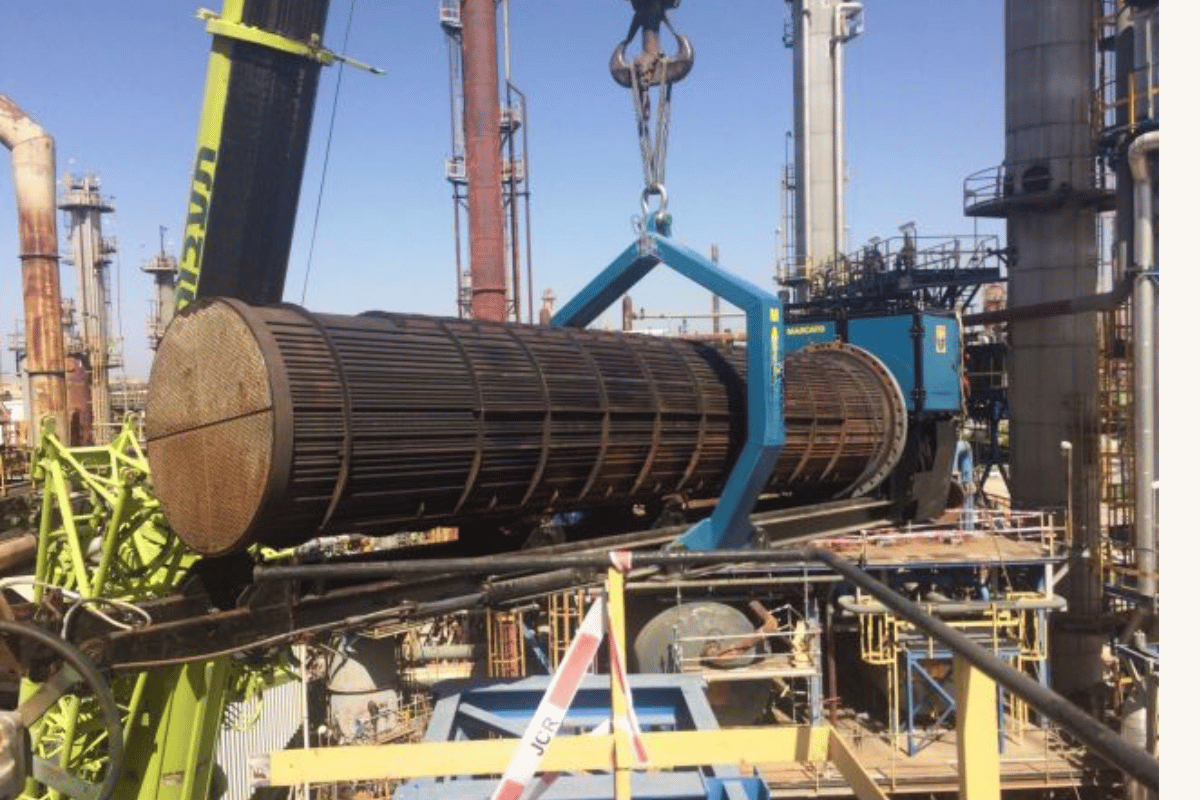
Operators must use calibrated lifting equipment such as cranes and hydraulic extractors to handle large or complex bundles which allows them to move materials safely while keeping complete operational control.
6Real-Time Monitoring
The system uses sensors or monitoring systems which track stress and physical movement during the removal process. The system uses active monitoring to prevent mechanical failure and misalignment problems.
7Compliance with Regulations
The organization must follow industry-specific safety codes and environmental laws which include OSHA standards and ISO safety certifications to meet regulatory standards.
Safety Measures for Maintenance Teams
Essential Safety Protocols
✓Use Personal Protective Equipment (PPE): All team members need to wear proper protection equipment which includes gloves and helmets and safety goggles and steel-toed boots based on the specific task danger requirements.
✓Conduct Risk Assessments: Maintenance work needs a complete risk assessment which should identify all potential dangers while creating protective measures before work begins.
✓Follow Lockout/Tagout Procedures: Maintenance activities need complete adherence to lockout and tagout regulations which prevent equipment from starting without authorization.
✓Maintain Clear Communication: The team uses standardized communication methods which include clear labels and regular briefings to keep all members updated about current operations and their related dangers.
✓Provide Regular Safety Training: The maintenance team needs to attend multiple training sessions which will provide them with up-to-date information about safety standards emergency response procedures and equipment operation.
✓Inspect Tools and Equipment: The team needs to conduct regular inspections of all tools and machinery to verify their operational status and their absence of faults which could result in dangerous situations.
Utilizing Bundle Extractors Effectively
The industrial and technical sectors rely on bundle extractors as essential equipment for maintaining heat exchangers and other heavy maintenance machinery. The successful operation of bundle extractors requires operators to follow a methodical system which prioritizes safety and operational effectiveness and accurate performance.
Operational Excellence Guidelines
Proper Setup and Calibration: The bundle extractor needs proper calibration before its operation to function correctly with specific equipment requirements. The equipment needs precise measurements because even minor errors will lead to damage of heat exchanger tubes and bundle components.
Assess the Bundle Condition: Use diagnostic tools and visual inspections to evaluate the condition of the bundle prior to extraction. The extraction process will face difficulties because this step detects possible issues which include corrosion and scaling and fouling.
Leverage Real-Time Monitoring Technologies: Operators can monitor extraction activities in real time through the implementation of advanced monitoring systems which include IoT-enabled sensors. The collected information enables performance improvements while organizations can detect stress points during their initial development stage.
Adhere to Manufacturer Guidelines: The manufacturer provides operational instructions which must be followed to operate the bundle extractor within its specified load limits and operational speeds and maintenance schedules. This process helps to reduce equipment damage while increasing the time period that equipment remains functional.
Optimize Workflow Through Predictive Analytics: Predictive analytics can be used to schedule bundle extractions proactively. The maintenance team uses equipment usage data and operational information to find the best extraction time which helps decrease operational downtime and cuts expensive emergency repairs.
The safety and reliability of bundle extractors together with their cost-effective operation can be improved through the combination of traditional practices with modern data-driven analytics.
Training and Competence for Operators
Operators need proper training because their skills will determine whether bundle extractors will operate safely and effectively. The training program for operators needs to deliver both theoretical knowledge and practical experience. The program requires operators to learn equipment functions and operational methods and safety standards. The organization needs to conduct assessments at regular intervals to evaluate employee skills and determine areas where employees lack knowledge. The industry requires refresher training sessions because they help operators learn about new technological developments and current industry standards. The organization achieves operational efficiency improvements through competence development while simultaneously decreasing safety risks and equipment failure durations.
Inspection Protocols for Tube Bundles
In order to maintain tube bundle integrity and operational performance during assessment assessment needs to follow a systematic inspection procedure. The process begins with a thorough visual inspection to identify signs of wear, corrosion, or physical damage. The next step requires non-destructive testing (NDT) methods which involve ultrasonic testing and eddy current testing to detect internal defects together with wall thickness variations and cracks.
Routine Inspection Methods
The bundles need to undergo regular pressure testing to verify their ability to withstand operational pressures until system failure occurs. The tubes need cleaning before inspection because this process establishes correct assessment methods while eliminating blockages which prevent identification of existing problems. Maintenance teams need to maintain complete records of their findings because this process enables them to monitor wear patterns which help create their maintenance schedules. Organizations need to follow industry standards because they protect system reliability which requires ASME and API standards for compliance achievement.
Assessing Wall Thickness and Integrity
Industrial systems need precise wall thickness measurements and structural assessments to operate safely and efficiently. The industry relies on advanced ultrasonic thickness gauging and guided wave testing methods as their primary testing techniques. Ultrasonic thickness gauging uses high-frequency sound waves to determine the distance from a material's surface to its deepest point which allows operators to measure thickness in complex geometrical shapes. The testing process uses guided wave testing to inspect long pipes which have few access points because this method provides coverage of extensive distances.
Advanced Technology Integration
The testing process shows that organizations are moving toward digital technologies which include augmented reality and artificial intelligence as they adopt new predictive maintenance methods. Machine learning algorithms now analyze wall thickness data to detect failure patterns and forecast potential risks before they actually occur. The industry now focuses on managing critical component integrity through assessments that help organizations meet safety requirements while reducing operational interruptions.
Detecting Deposits and Corrosion
The process of detecting deposits and corrosion requires both visual inspections and advanced non-destructive testing (NDT) techniques. The field uses two primary methods for testing which include ultrasonic testing that employs high-frequency sound waves to measure thickness and identify irregularities and magnetic particle testing which reveals surface cracks and weaknesses. The technology of infrared thermography enables the discovery of temperature changes that occur due to hidden corrosion. The methods provide continuous monitoring which helps to detect deposits and corrosion at an early stage to protect structural integrity and guarantee operational safety.
Managing Downtime During Bundle Extraction
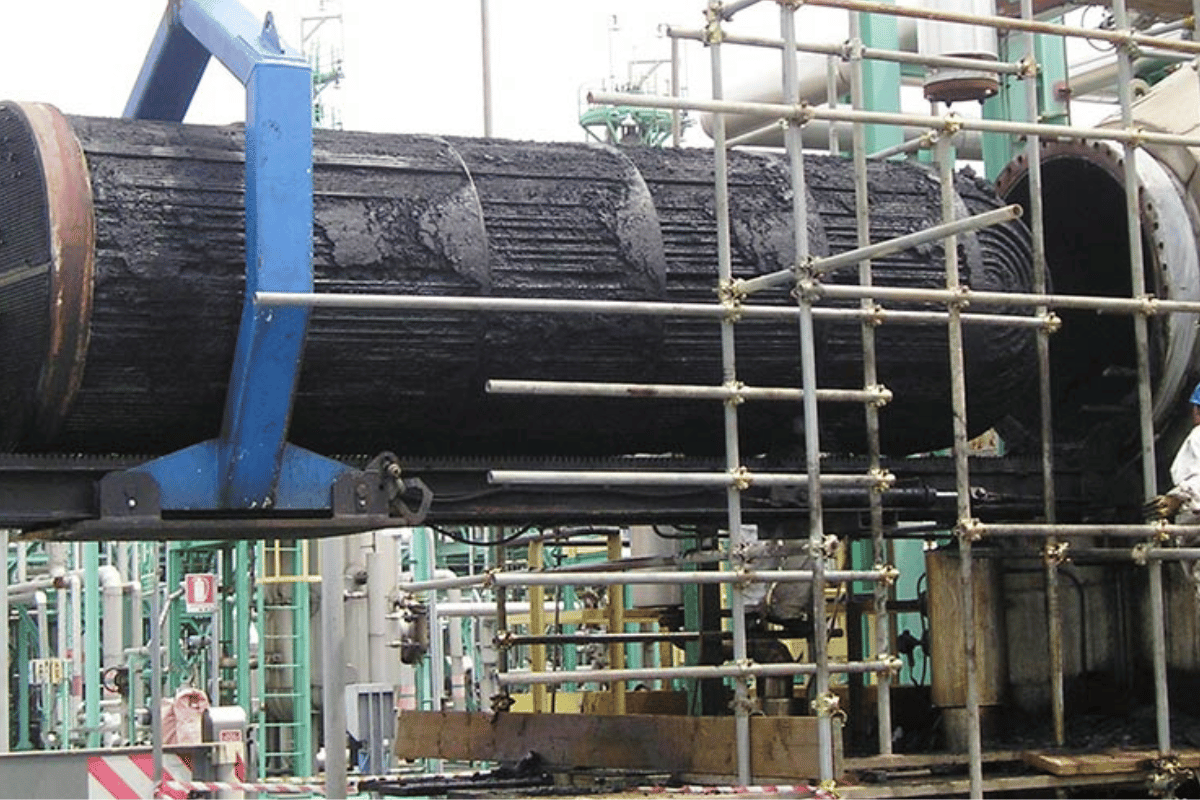
The process of bundle extraction needs complete planning and precise execution to achieve its goal of reducing downtime. Effective downtime management involves strategic scheduling, advanced equipment utilization, and thorough preparation.
Planning for Effective Shutdowns
Successful shutdown planning needs data analysis together with complete preparation work. The current data shows that businesses which use predictive maintenance to schedule their shutdowns achieve both decreased unexpected equipment failures and extended asset lifespans. The combination of Internet of Things device data with operational equipment systems enables better detection of equipment wear and operational performance issues. The technological combination enables accurate shutdown scheduling which reduces production interruptions while providing maximum resource usage during the shutdown operation.
Strategies to Minimize Downtime
Five Key Strategies for Operational Continuity
Implement Predictive Maintenance Programs: Predictive maintenance uses real-time data from machine sensors to forecast upcoming equipment failures. Research evidence demonstrates that predictive maintenance reduces unexpected equipment failures by 30 to 50 percent while it decreases maintenance costs by 20 to 30 percent which establishes it as a cost-effective solution. Regular equipment monitoring allows organizations to implement protective measures that maintain their critical assets in operational condition.
Utilize Digital Twin Technology: Digital twin technology enables organizations to create virtual models of their physical assets which they can use to monitor performance and run virtual tests. Industries can use this technology to predict system failures while they enhance their operational performance. Research shows that digital twin technology increases equipment availability by 25% which leads to less frequent and shorter operational interruptions.
Enhance Workforce Training and Knowledge Sharing: Organizations need skilled employees who can reduce operational interruptions that occur because of human mistakes. The training programs which include knowledge management system usage teach employees essential emergency response skills together with operational flow maintenance abilities. Companies with well-trained teams experience 15% fewer operational interruptions than companies that offer less training to their employees.
Adopt Redundant Systems and Fail-Safe Design: Redundant critical process systems use backup power generators and fail-safe equipment designs to guarantee operations during power interruptions. Redundant IT systems enable organizations to maintain 100% system availability because they protect crucial services against hardware and software failures.
Streamline Communication Channels: Organizations need to establish effective communication channels between their teams and their stakeholders to handle operational interruptions. Centralized communication systems enable organizations to report problems more quickly while their teams work together to solve issues. Organizations can cut their downtime by 40% because enhanced communication methods allow teams to solve issues without needing to organize their responses.
Communication with Stakeholders
The process of stakeholder communication requires effective execution because it establishes common goals while building trust between parties. Organizations need to implement consistent and understandable communication methods which they should use for all their communication platforms. The organization needs to provide stakeholders with regular updates which include progress reports and performance metrics and information about upcoming challenges. The organization should request feedback from stakeholders while addressing their concerns because this approach will create transparent relationships which will strengthen stakeholder partnerships. The organization needs to ensure that all interactions reach exactness while developing trustworthy relationships because this will help both parties understand each other and achieve shared goals.
Maintenance Considerations for Heat Exchangers
Critical Maintenance Requirements
✓Regular Inspection: The system requires regular monitoring to detect any fouling or corrosion or leakages that would affect its performance and result in permanent damage.
✓Cleaning Procedures: The system requires appropriate cleaning methods which include chemical cleaning and mechanical brushing to eliminate deposits that hinder heat transfer performance.
✓Performance Monitoring: The system tracks temperature differentials and pressure drops to detect when it starts to operate inefficiently or experiences equipment failure.
✓Seal and Gasket Maintenance: The team needs to examine seals and gaskets for damage which requires replacement to maintain operational safety and prevent leaks.
✓Material Compatibility: The heat exchanger needs to use materials which can withstand both high temperature operations and corrosive fluid contact to achieve maximum operational lifespan.
Heat Exchanger Maintenance Best Practices
The maintenance operations for heat exchangers require their operators to resolve all typical operational challenges because this process ensures that systems will function at their maximum efficiency throughout their entire operational period. Heat transfer surfaces become fouled through the accumulation of dirt and oil and biological materials because this process stops heat transfer which forces equipment to require greater energy consumption for its operation. The process of scaling develops when systems that use hard water experience mineral deposits that originate from calcium and magnesium salts which result in decreased heat transfer efficiency and equipment blockages. The chemical interactions between fluid characteristics and exchanger components lead to corrosion which progressively weakens the structural strength of materials.
Mitigation Strategies
Fouling Prevention: The best solution to prevent fouling requires both regular maintenance and antifouling coating implementation.
Scaling Control: The best strategy to prevent scaling involves using water softening methods and chemical treatment for feedwater to reduce mineral buildup.
Corrosion Protection: The first step to protect against corrosion requires organizations to assess material compatibility which enables them to select alloys that resist particular fluid conditions while using protective coatings and cathodic protection systems to minimize dangers.
Predictive Maintenance: The development of online monitoring systems now provides operators with predictive maintenance capabilities which enable them to solve problems before they develop into major complications.
Operations achieve maximum thermal efficiency and minimal downtime when they combine best practices with regular inspections while utilizing current data insights.
Bundle Replacement Procedures
The procedure of replacing bundles serves as an essential method which safeguards both operational effectiveness and dependable performance of heat exchanger systems. The process involves the following key steps:
1Assessment and Planning
Conduct a thorough inspection of the existing bundle to determine its condition and ensure replacement is necessary. Review operating data and confirm compatibility specifications for the new bundle.
2System Shutdown
The process of isolating the heat exchanger requires operators to stop all system operations while they release internal pressure to establish a secure workspace.
3Bundle Removal
The team needs to disconnect all relevant connections which include both piping and supports. The team needs to extract the damaged or deteriorated bundle by using appropriate lifting equipment that prevents structural damage to the equipment.
4Inspection of Housing
Inspect the heat exchanger shell and other internal components for signs of wear, corrosion, or deposits. The team will conduct cleaning operations and execute necessary repairs to the housing before they start the installation of the new bundle.
5Bundle Installation
The replacement bundle needs to be aligned and inserted into the shell through the correct installation process. The team needs to reconnect all associated piping, supports, and fasteners according to system specifications.
6Testing and Commissioning
The team needs to perform thorough pressure testing and system checks to confirm the integrity of the installation. The system will undergo a gradual return to operational conditions while the monitoring process checks for leaks and irregularities.
Operators who follow these procedures will achieve a process which enables safe equipment replacement while reducing operational downtime and preserving system performance.
Effective Cleaning Techniques for Exchanger Tubes
The latest research findings demonstrate that sediment and scale materials together with biological organisms create fouling problems which disrupt heat exchanger tube performance by hindering heat transfer and increasing energy usage.
Optimal Cleaning Results
The most effective cleaning results arise from multiple cleaning methods because different fouling problems require specific solution approaches. The method of chemical pre-treatment combined with mechanical cleaning procedures enables complete removal of both soft and hard fouling materials. Operators achieve maximum heat exchanger performance through these methods which also decrease operational expenses while fulfilling energy efficiency requirements. The results improve through regular equipment checks and customized cleaning programs which demonstrate why companies need to embrace proactive maintenance methods.
Reference Sources
Tube Bundle Removal Procedures and Safety Tips: The document describes all necessary preparations for work at a site, which includes risk assessment and development of backup plans.
Tube Bundle Extraction and Transporting: The document describes construction methods and safety standards, which guarantee protected operations during tube bundle extraction and transportation activities.
Ensuring Personal Safety and Equipment Performance: The document outlines safety requirements for bundle pullers, which enable safety engineers and purchasers to assess operational risks.
Frequently Asked Questions
1. What Constitutes a Formal Risk Assessment for Tube Bundle Extraction Operations?
The risk assessment process for tube bundle extraction operations begins with systematic identification which uncovers all operational hazards that need to be assessed. The assessment starts from pre-lift planning and continues through the entire extraction process until all post-task work is finished. The assessment shows all present operational dangers together with possible upcoming dangers but it assigns different risk intensity marks and probability evaluation marks which determine how much safety protection is needed to achieve sustainable risk management. The document establishes the essential safety standards which all crew members must follow.
2. What Are the Most Critical Hazards Identified During Tube Bundle Extraction?
The extraction of tube bundles presents multiple high-risk dangers which operators must control through their operational activities. Key hazards include:
Stored Energy: The uncontrolled release of hydraulic or gravitational energy will produce enough force to destroy both the lifting equipment and the bundle puller.
Dropped Loads: The bundle will fall if the rigging or the lifting points or the equipment components fail which creates a severe impact danger.
Struck-by Hazards: The bundle and the puller and the operational equipment move through the area which creates an impact danger for personnel.
Crush Points: Personnel face danger because the bundle moves through various points which touch the shell and puller and other nearby structures.
Mechanical Failure: The extractor system will fail because of two factors which include operating the machine beyond its capacity limits and using equipment that has not received proper maintenance.
Loss of Stability: The bundle puller or crane will tip over because of three factors which include improper setup and uneven ground and incorrect center of gravity calculations.
3. Why Is Pre-Operation Planning a Critical Component of the Risk Assessment Process?
The extraction process requires pre-operation planning to establish all safety requirements. This phase requires complete analysis of the heat exchanger specifications together with the worksite layout and equipment capabilities. A detailed plan ensures that the correct bundle puller and rigging are chosen for the bundle's specific weight and dimensions. The process works by identifying all possible obstructions which will establish specific exclusion zones and confirm that ground conditions will bear the machinery weight. The process identifies potential problems which will be solved before work with hazardous materials begins.
4. What Essential Safety Measures Should Be Implemented Based on a Risk Assessment?
The established risk assessment will require multiple essential control procedures to be implemented:
Establishment of Exclusion Zones: The operational area requires exclusion zones which should display clear boundaries to stop unauthorized people from accessing dangerous areas.
Verification of Operator Competency: The assessment must confirm that all operators are formally trained, certified, and deemed competent to operate the specific model of bundle puller being used.
Pre-Use Equipment Inspection: The bundle puller and all rigging components and safety systems which include load sensors and emergency stops require complete inspection before every operation.
Lift Plan Development: The lift plan needs to be developed as a formal document which requires engineering approval through its detailed description of rigging configurations and load calculations and crane positioning.
Use of Remote Controls: The operators should operate remote controls whenever it is feasible because this method enables them to work from a safe distance away from the hazardous area during the pulling and lifting operations.
5. How Does a Risk Assessment Address the Integrity of the Lifting and Pulling Equipment?
The risk assessment process mandates verification of equipment integrity as a primary control. The bundle puller needs both an active inspection record and a certification record which meets both manufacturer standards and government regulations. The assessment should also require a visual and functional inspection of all load-bearing components, including the pulling carriage, slings, shackles, and hydraulic systems, to identify any signs of wear, damage, or hydraulic leaks. The risk assessment process prevents major deviations through its design to stop equipment operators from using uncertified equipment or defective equipment.