
 Chinese
Bundle Puller Operator Training: Complete Certification Guide
Operating a bundle puller requires precision, skill, and a deep understanding of both the equipment and the processes involved. An operator's ability to handle equipment directly affects efficiency, safety, and product quality in industries that require production facilities to operate at maximum capacity. This comprehensive guide examines how bundle puller operator training programs and certification requirements create better workplace safety conditions, reduce equipment downtime, and improve production quality.
Overview of Bundle Puller Operations
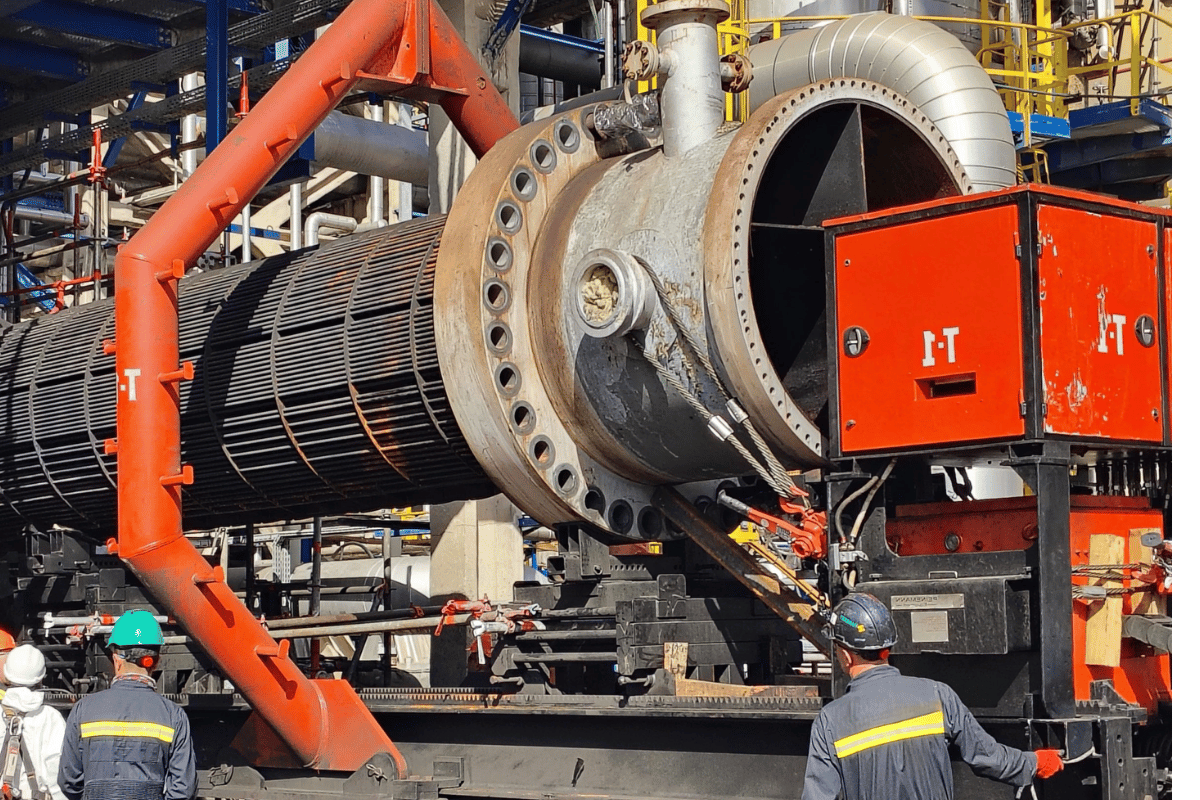
Bundle pullers function as vital machinery that enables operators to extract bundled materials from both production equipment and storage systems with exact precision and operational efficiency. These machines achieve safe material handling operations through their mechanical strength and precise movement systems, which prevent damage to material surfaces and structural components.
Bundle pullers perform three essential functions: securely holding bundles, generating sufficient pulling strength, and positioning materials for subsequent operations. Proper operation minimizes workplace hazards, prevents production slowdowns, and ensures consistent product handling. Industrial standards typically require regular maintenance and skilled operation to uphold safety and maximize operational performance.
What is a Bundle Puller?
A bundle puller functions as a dedicated mechanical apparatus that enables industrial operations to move and control bundled material groups. These devices operate in manufacturing, construction, and logistics environments to assist with transportation, alignment, and processing tasks involving bundled items such as cables, tubes, and rebars.
The operation of bundle pullers depends on gripping mechanisms, powered assist systems, and hydraulic components to achieve precise and efficient results. Advanced models may integrate automated tension controls or alignment sensors to further enhance accuracy and safety. Bundle pullers improve material handling efficiency, resulting in decreased manual labor requirements, increased work productivity, and consistent production workflow maintenance.
Importance of Bundle Puller Operators
The presence of bundle puller operators establishes essential support for the safe and effective functioning of material handling equipment. These experts handle all activities required to store, sort, and transport bundled goods. Their technical skills enable them to enhance production accuracy, create safer workplaces, and drive better business operations.
1 Accurate Material HandlingThe skills of bundle puller operators enable them to handle materials precisely, allowing them to match production specifications through proper alignment and placement. This process establishes a framework that enables organizations to achieve consistent output quality while maintaining desired performance standards. |
2 Safety ComplianceOperators receive training that enables them to implement safety regulations, securing their work environment against dangerous situations. Complete safety standard compliance by workers establishes a protective system that safeguards both personnel and equipment. |
3 Maximizing Equipment EfficiencyExpert operators maintain bundle puller equipment at peak performance levels by locating and resolving minor equipment issues. This method decreases equipment downtime while increasing equipment durability. |
4 Enhanced Workflow ProductivityOperators use their skills to control bundle puller operations, helping streamline production processes through decreased work interruptions and continuous manufacturing operations. |
5 Adaptability to Advanced TechnologyModern bundle puller systems use advanced automated systems combined with high-tech detection systems. Operators who have received training on these systems can effectively utilize these capabilities to optimize performance while achieving smooth technological integration into production processes. |
Applications of Bundle Pullers in Industry
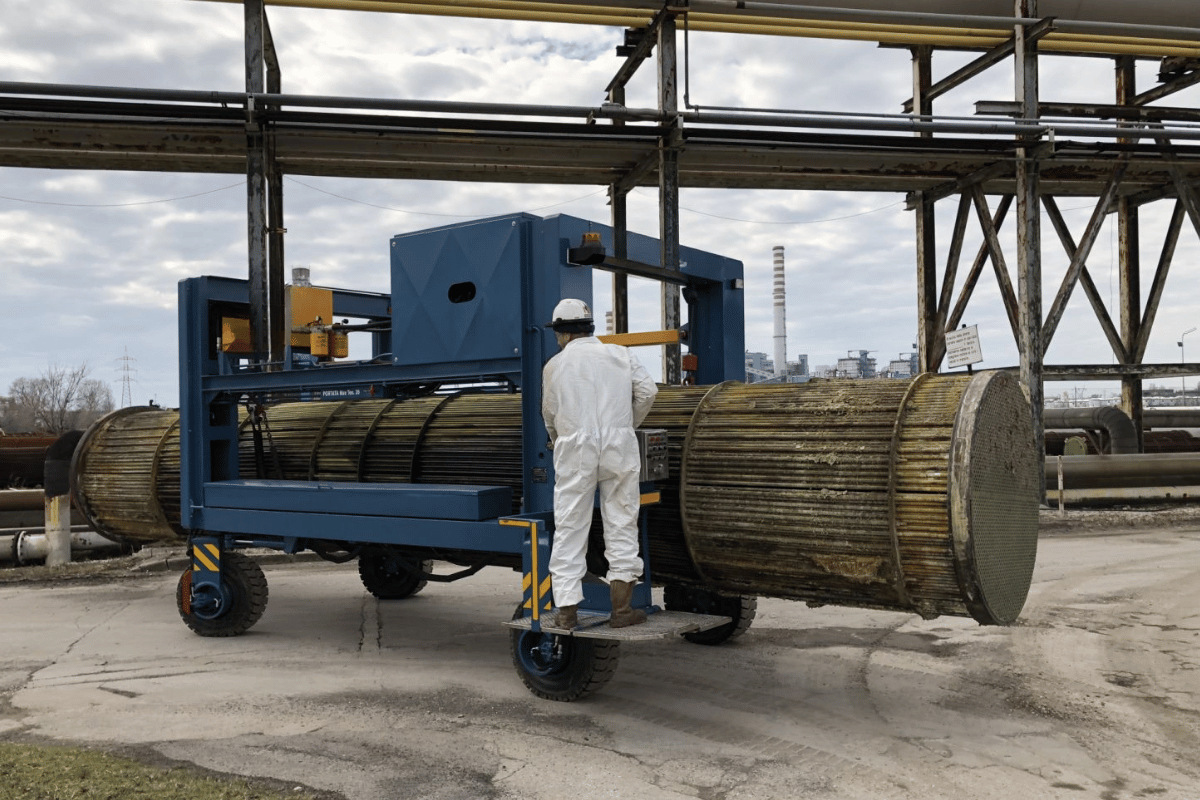
Bundle pullers demonstrate their versatility across numerous industrial sectors, providing essential advantages for efficient processing, waste reduction, and creation of high-quality products.
1 Wire and Cable ManufacturingBundle pullers work as essential equipment for wire and cable production lines, providing continuous wire pulling during insulation extrusion and spooling processes. This technology prevents material tangling problems while the equipment maintains constant tension, creating essential conditions needed to produce high-quality wiring and cables. |
2 Plastic Extrusion IndustryBundle pullers control tension at exact levels throughout the manufacturing process of plastic pipes, tubes, and profiles by maintaining tension while shaping and cooling extruded materials. The system handles different pipe sizes and can manage multiple diameters and cross-sectional shapes. |
3 Textile IndustryAutomated bundle pullers enhance the production of high-strength fabrics and materials such as polyester or nylon by maintaining accurate movement through weaving and knitting machines. This process establishes uniformity in final textile production while eliminating production inconsistencies. |
4 Metalworking and Steel ProcessingBundle pullers help control the movement of metal rods, bundles of steel cables, and other long materials during their passage through cutting, coating, and heat treatment operations. The equipment is designed to handle heavy-duty work and extreme tensile strains. |
5 Paper and Pulp IndustryBundle pullers move and position large rolls or sheets of paper inside printing, packaging, and processing equipment. The system improves production speed while decreasing material waste by reducing operational disturbances that result in material loss. |
Operator Training Requirements
Operators who work with bundle pullers need to complete training programs that include several essential elements to ensure safe and efficient operation.
Core Training Components
▸ Operational Guidelines: Correct methods for handling, operating, and maintaining bundle pullers, including knowledge about control systems and safety mechanisms
▸ Safety Protocols: Understanding workplace safety regulations, emergency stop procedures, and personal protective equipment (PPE) requirements
▸ Equipment Maintenance: Basic maintenance tasks including checking for equipment damage, applying lubricant to machine components, and detecting potential issues
▸ Troubleshooting Techniques: Finding and fixing ordinary operational problems to decrease equipment downtime while maintaining high work productivity
The training program requires regular refresher courses to help employees maintain their skills and knowledge as technology and best practices evolve.
Essential Qualifications for Operators
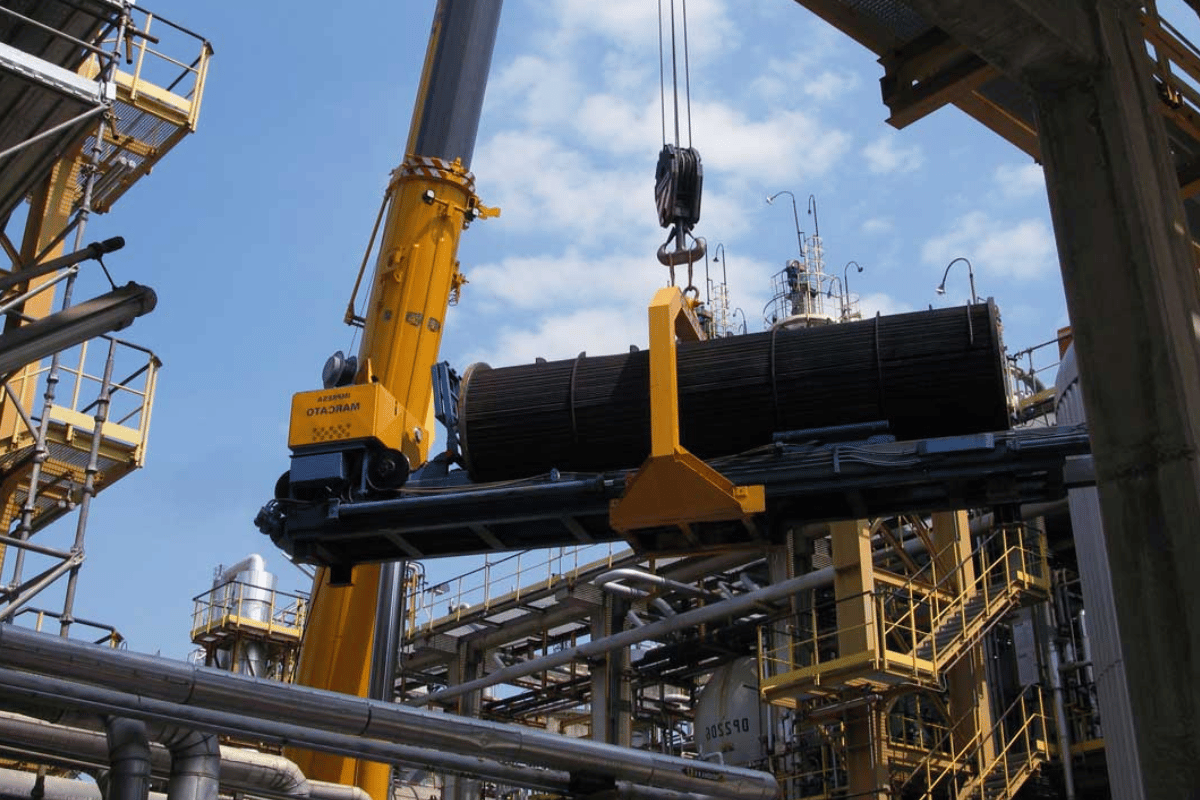
Operators need to combine technical proficiency with formal education and necessary certifications to achieve peak performance while maintaining safety standards.
Overview of Training Courses
Operator training programs teach all necessary skills required for effective operation in industrial environments. Programs focus on essential competencies across multiple areas:
1 Safety Procedures and ComplianceTraining covers workplace safety regulations, hazard identification methods, and emergency response procedures that meet industry standards. |
2 Equipment Operation and MaintenancePrograms offer practical experience to operate equipment safely while learning scheduled equipment checks and maintenance tasks to avoid operational disruptions and equipment failures. |
3 Process OptimizationGuidance for improving operational efficiency through waste reduction and lean manufacturing implementation. |
4 Technological CompetencyInstruction on new technological developments, essential industrial software, IoT devices, and automated systems necessary for contemporary industrial operations. |
5 Troubleshooting and Problem-SolvingMethods to identify and solve typical production problems, helping maintain operations without interruptions. |
Training Kit Components
Complete Training Package Includes:
▸ Comprehensive Manuals: Detailed guides explaining operational procedures, equipment usage, and safety protocols
▸ Interactive Modules: Digital learning tools including simulations, quizzes, and step-by-step tutorials
▸ Troubleshooting Guides: Quick-reference materials for diagnosing and fixing common technical problems
▸ Assessment Tools: Structured tests and exercises measuring knowledge retention and practical skills
▸ Support Resources: Access to expert consultants and additional educational materials for continuous improvement
Certification Programs for Bundle Extractor Operators
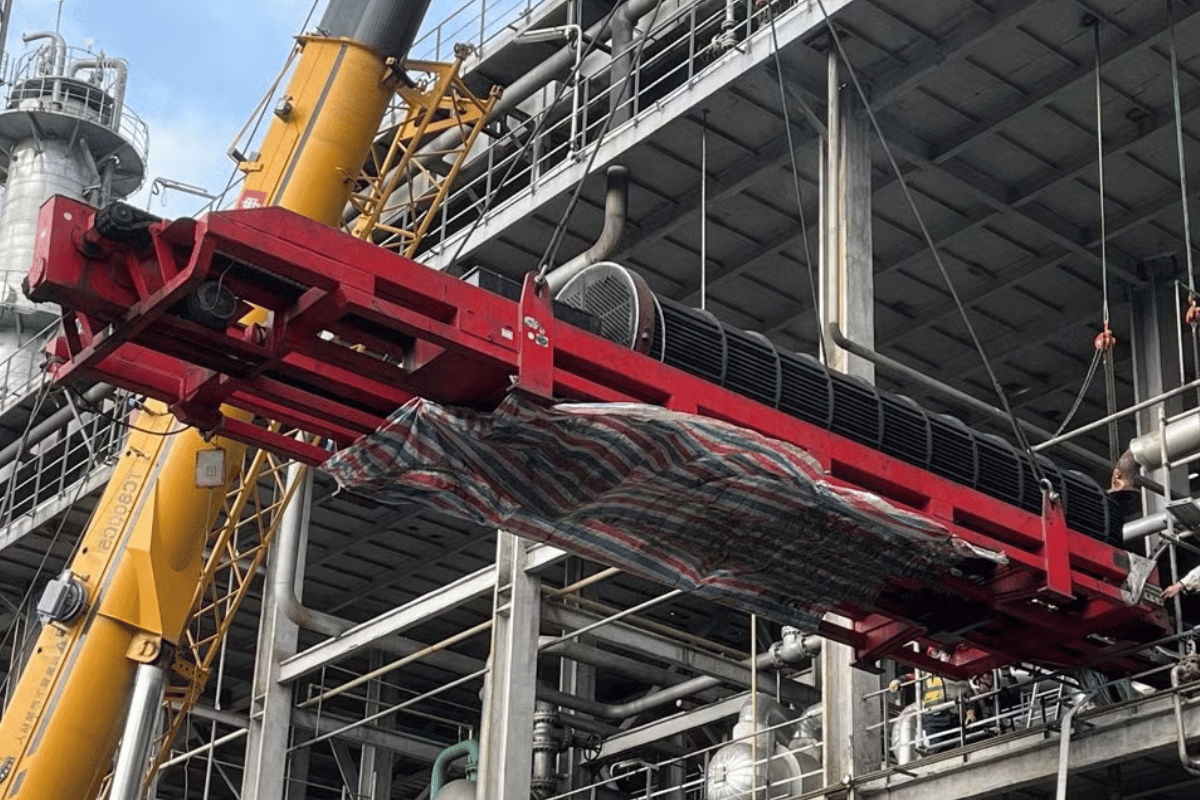
Certification programs assess both theoretical knowledge and practical skills of operators through comprehensive evaluation processes.
Written assessment ensuring operators understand bundle extraction equipment principles, safety protocols, and operational guidelines.
Hands-on demonstrations assessing the operator's ability to safely and proficiently use machinery under various conditions.
Focused module confirming competency in adhering to industry-standard safety measures and emergency procedures.
Official certificate issued showing completion of all required assessments for safe and efficient bundle extractor operation.
Programs receive regular updates to remain current with technological developments and changing regulatory requirements.
Understanding the Certification Process
The certification process tests whether individuals have acquired essential skills and knowledge needed for safe and efficient operation of bundle extractors. The process begins when a person joins a structured training program that teaches theoretical concepts and provides practical experience.
Participants must complete all required modules, including safety training and technical operation courses. The training program evaluates both practical skills and theoretical knowledge through multiple assessment tests. Final certification is awarded to candidates who demonstrate achievement of necessary performance standards in these assessments. This process ensures that certified operators possess industry-standard competence and safety skills.
Benefits of Certification
1 Enhanced Knowledge and SkillsetCertification programs provide participants with current theoretical knowledge and practical skills. Industry research shows certified professionals deliver 30% better practical outcomes compared to non-certified counterparts. |
2 Improved Safety ComplianceResearch on occupational safety shows that certified operators demonstrate better safety protocol understanding, resulting in a 40% reduction of workplace accidents. This creates a safer workplace that protects both workers and equipment. |
3 Professional Credibility and EmployabilityPeople who obtain recognized certification gain enhanced credibility in competitive job markets. According to recent surveys, 76% of employers prefer to hire certified professionals for technical positions. |
4 Higher Earning PotentialIndustry salary benchmarks indicate certified professionals earn approximately 20% more than uncertified counterparts. Certification serves as proof of advanced abilities, permitting employers to offer higher wages. |
5 Standardization of PracticesCertification requires organizations to follow industry best practices, resulting in uniformity and dependable business operations. This standardization increases operational efficiency while decreasing operational errors. |
Renewal and Continuing Education
Renewal of certifications typically requires professionals to engage in continuing education and periodic reassessment. This process ensures that certified individuals remain up-to-date with evolving industry standards and emerging practices.
Renewal Requirements
▸ Accumulation of Continuing Education Units (CEUs) or equivalent credits through approved training programs, workshops, or seminars
▸ Reexamination at set intervals as required by certification bodies
▸ Participation in refresher courses to maintain current knowledge
▸ Documentation of ongoing professional development activities
Adhering to these requirements maintains professional credibility and ensures ongoing competency in the field.
Safety Training and Standards
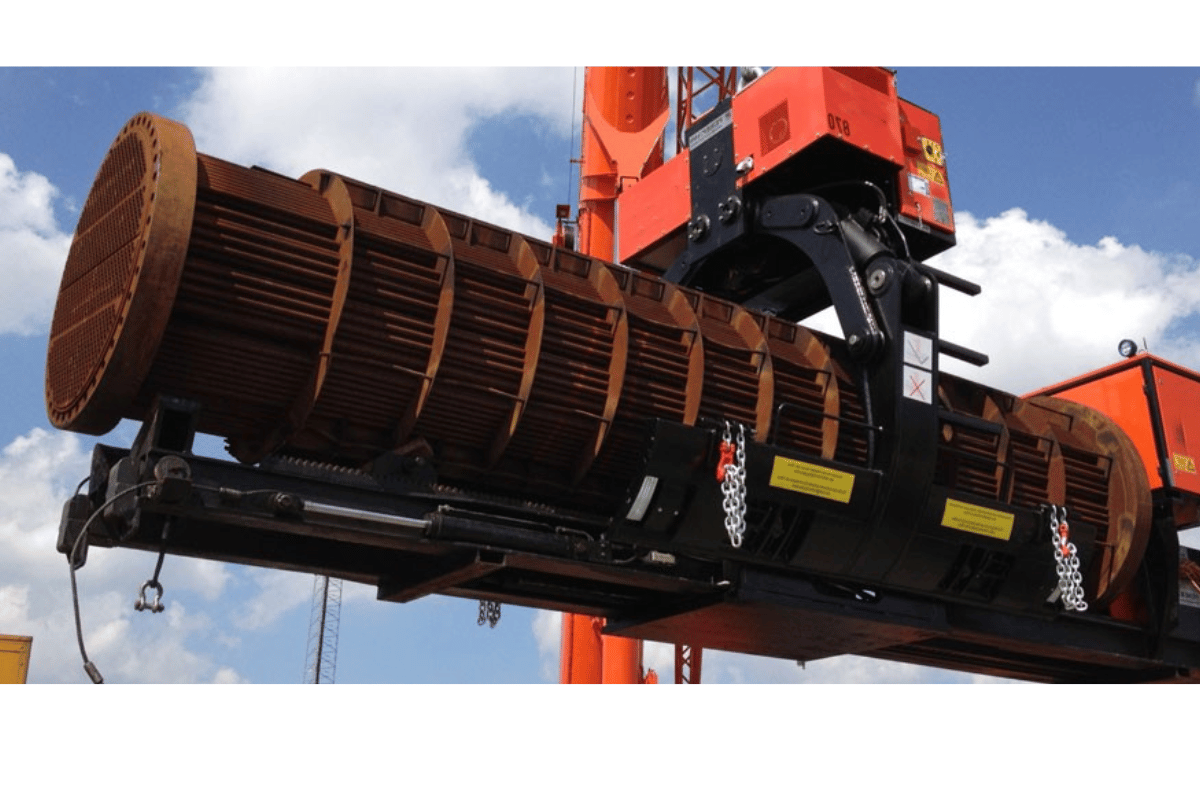
Safety training and standards establish essential requirements that protect employee safety while reducing workplace dangers. Safety programs achieve their objectives through risk assessment, staff training on correct procedures, and establishment of safeguarding measures.
Importance of Safety Training and Standards
Implementation of safety regulations, including OSHA requirements, helps organizations decrease worker accidents and meet legal obligations. Workers achieve safety through three main components of safety training:
✓ Proper equipment handling techniques
✓ Emergency response training
✓ Hazard communication skills
Key Safety Standards for Operators
Workers in different fields need to follow strict safety regulations that protect their safety and the safety of colleagues. Current workplace requirements demand workers complete full equipment training while conducting routine equipment inspections and properly using protective equipment.
Safety Impact Statistics
Recent statistics show that companies establishing complete training systems experience a 30% decrease in workplace accidents. This demonstrates the critical importance of comprehensive safety training programs.
Operators must follow lockout/tagout (LOTO) procedures, as this standard prevents equipment operation during maintenance work, which causes most workplace injuries. Digital tools including real-time monitoring systems and automated alerts better protect organizations from potential risks that could lead to dangerous situations.
OSHA Regulations Relevant to Bundle Pullers
OSHA regulations applicable to bundle pullers require organizations to establish safe work environments through proper employee training, use of personal protective equipment, and safe operating procedures. Compliance is ensured through:
▸ Regular equipment inspections
▸ Enforcement of lockout/tagout procedures
▸ Provision of continuous safety training to employees
These measures work to reduce risks and protect against typical dangers occurring during bundle pulling operations, including pinch points, falling materials, and ergonomic strains.
Best Practices for Safe Operations
1 Conduct Pre-Operation InspectionsPerform equipment inspections to ensure tools function properly at all times. Test all equipment to identify and resolve problems before use. |
2 Ensure Proper Use of PPEWorkers must use appropriate personal protective equipment including gloves, helmets, and eye protection according to the work they perform. |
3 Establish Clear Communication ProtocolsUse standardized hand signals, alarms, and radios so all personnel can understand current operations and hazardous situations. |
4 Follow Proper Load Handling TechniquesTrain workers to use correct lifting methods while learning how to load and secure materials during transport so no items will shift or fall. |
5 Reinforce Lockout/Tagout ProceduresAlways use lockout/tagout procedures to prevent machine operation during maintenance and troubleshooting work. |
6 Provide Ongoing Safety TrainingConduct safety briefings and training sessions focusing on specific job site hazards to help personnel learn current best practices. |
Implementation of these best practices leads to significant risk reduction, resulting in a safer operational environment that operates more efficiently.
What to Expect from a Training Course
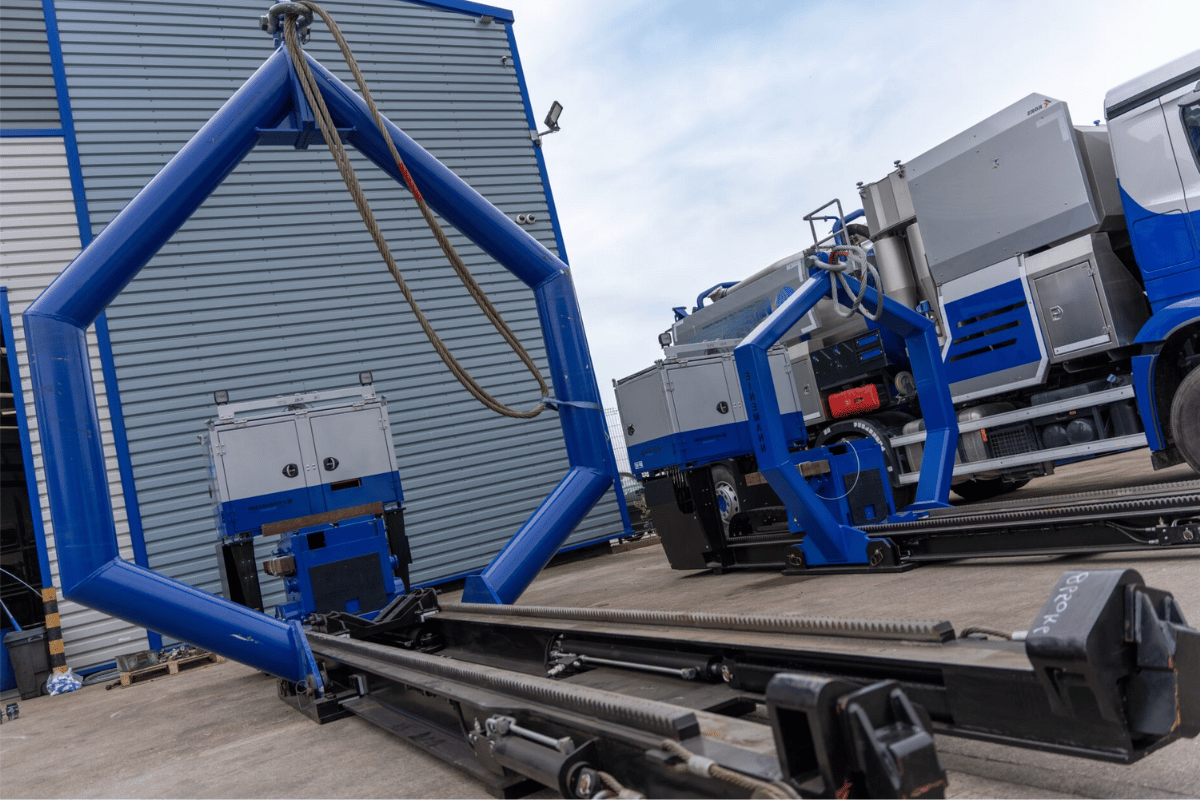
Training courses create organized educational frameworks that help students acquire essential practical abilities and professional knowledge necessary for their work responsibilities.
Courses help participants develop increased confidence and improved skills to apply acquired knowledge in workplace situations.
Course Structure and Curriculum
Courses start with fundamental concepts and proceed to advanced applications, helping students learn all aspects of the subject. Programs divide curricula into multiple modules teaching essential skills needed in the industry, focusing on high-demand areas and emerging fields.
Modules combine theoretical instruction with case studies and interactive exercises to help students apply knowledge in real work situations. Content maintains relevance by aligning with current issues and showing skills that employers demand. Programs provide synchronous sessions and self-paced materials with assessments to help participants achieve critical learning goals.
Hands-On Training Components
Hands-on training components enable participants to practice theoretical knowledge through direct application to real-world situations, creating connections between academic studies and actual professional work.
Practical Training Elements
▸ Interactive simulations replicating real operational scenarios
▸ Industry-specific case studies developing problem-solving competencies
▸ Collaborative group projects fostering teamwork and critical thinking
▸ Practical tasks simulating real work situations
▸ Ongoing feedback and guidance supporting skill development
Assessment and Evaluation Methods
Complete evaluation of participant progress requires both quantitative and qualitative assessment methods. Assessment methods include:
▸ Performance-based assessments consisting of project deliverables and case study analyses
▸ Periodic quizzes evaluating theoretical understanding
▸ Regular feedback from peers and instructors
▸ Self-reflective evaluations discovering development needs
▸ Industry-standard assessment methods measuring technical skills and problem-solving abilities
Frequently Asked Questions
Bundle puller operation requires managing hazardous industrial operations while working with equipment generating extreme hydraulic pressure. Equipment operation demands specialized training enabling operators to understand equipment operation from mechanical design through safety features and operational limits.
Training provides necessary skills for performing work activities securely while achieving operational goals and protecting essential equipment and personnel from serious harm. Programs extend beyond basic operation to teach bundle extraction through advanced critical thinking, problem-solving, and risk assessment methods.
A complete training program combines theoretical instruction with opportunities for students to practice skills in real-world settings. Programs cover essential subject matter including:
▸ Heat Exchanger Fundamentals: Design through TEMA designations, construction, and operational components
▸ Bundle Puller Systems: Examination of hydraulic, mechanical, and electrical systems operating truck-mounted, self-propelled, and aerial extractors
▸ Safety Features and Protocols: Training on remote control systems, load sensing technology, emergency stop buttons, spark arresters, and line break protection systems
▸ Rigging and Lifting: Calculating bundle center of gravity while maintaining load stability
▸ Operational Procedures: Equipment setup, alignment, extraction, insertion, and transport operations
▸ Risk Assessment and Mitigation: Identifying potential hazards and using control measures through creation of exclusion zones
▸ Preventive Maintenance: Routine equipment inspections and maintenance tasks for reliable equipment performance
Training helps individuals develop new abilities and knowledge through both theoretical learning and practical experience. Training programs provide operators with necessary education on how to operate equipment safely and effectively.
Certification, on the other hand, is formal validation that an individual has successfully met a pre-defined standard of competence. Certification processes require operators to complete written tests and practical assessments demonstrating capability to perform job tasks at required standards.
Competent trained personnel must operate essential machinery according to industry standards and general workplace safety regulations, which differ between specific operating sites. Bundle puller operators typically need to hold valid certification from approved training organizations, as most facility owners in the oil and gas and petrochemical industries require this according to contractual agreements.
Documentation serves as evidence of competence, functioning as an essential part of site-wide safety management systems.
Organizations receive major advantages enhancing both safety performance and financial results:
▸ Enhanced Safety: Major decline in workplace incidents and accidents
▸ Reduced Equipment Damage: Certified operators demonstrate lower risk of damaging bundle pullers and heat exchanger systems, preventing expensive repair costs and downtime
▸ Increased Operational Efficiency: Operators with advanced skills execute tasks faster, leading to reduced operational downtime
▸ Regulatory Compliance: Secures compliance with site-specific regulations and general industry safety requirements, providing protection against legal responsibility
▸ Workforce Competence: Produces workers possessing specific professional qualifications, improving organizational reputation
Industry standard recertification spans two to three years. Organizations should provide refresher training sessions at more regular intervals, particularly when operators remain inactive for extended periods.
Recertification should be required after any safety-related incident or when new bundle pulling equipment enters the workplace with different operational and safety requirements. Continuous reinforcement of skills and knowledge is a core element for achieving safety excellence through operational excellence.
Reference Sources
▸ Bundle Extractor Technician Training: Online courses created through collaboration between industry experts and educational institutions to enhance operator skills
▸ Aerial Bundle Extractor Operator: Practical training courses on safe and efficient use of aerial bundle extractors
▸ Safety Training for Bundle Extractor Operators: Professional training detailing proper equipment handling methods and safety regulations
Bundle Puller & Bundle Extractor Equipments