
 Chinese
Material handling, when done properly, forms the backbone of industrial activities, and a good bundle extractor can significantly increase productivity while reducing operational difficulties. Selecting equipment that precisely meets your particular capacity requirements could prove daunting given load size, operation frequency, and equipment life factors.
Guide Objective: This comprehensive guide will clarify the selection process and provide you with the necessary knowledge to make your choice of equipment align with your workflow demands. By the end, you will be better equipped to evaluate extractor capacity, make equipment meet your specifications, and guarantee your investment maximizes efficiency and ROI.
Understanding Bundle Extraction
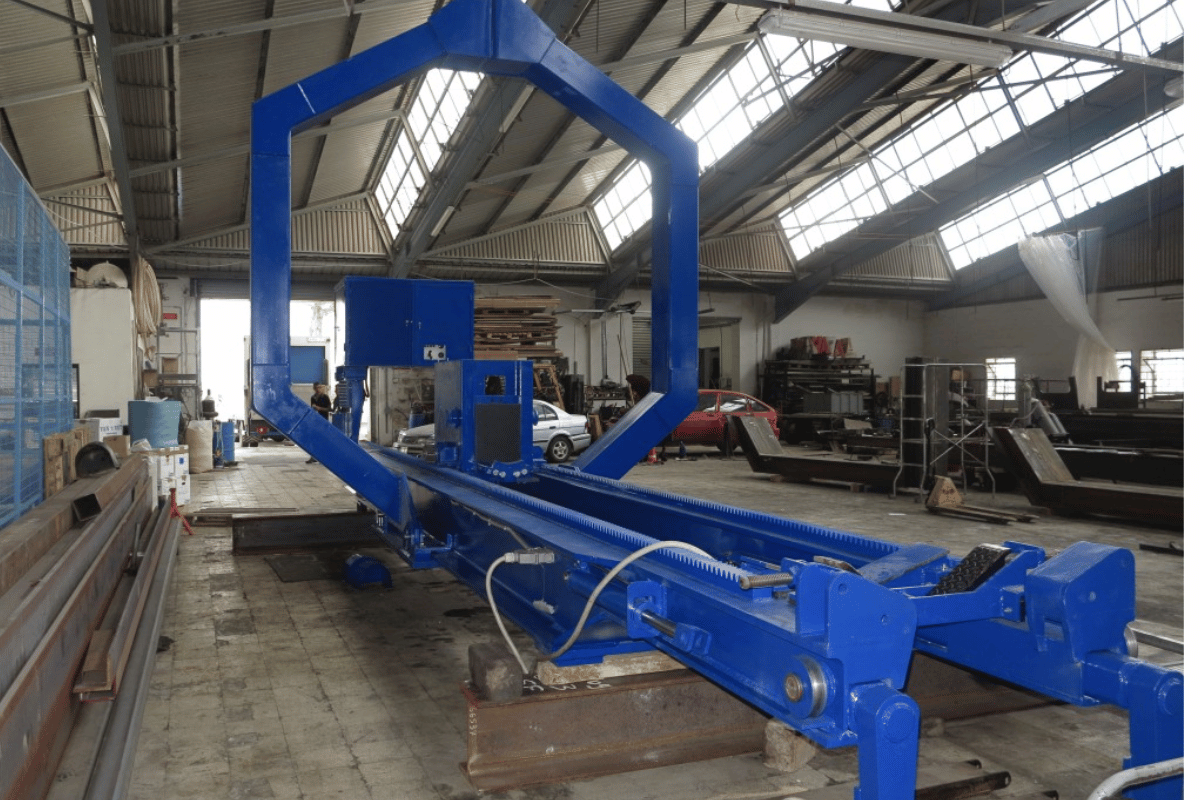
Bundle extraction refers to the process of removing materials en masse or in bundles for the purpose of handling, processing, or storage afterwards. It becomes absolutely essential to consider different aspects such as the type, dimensions, and weight of the bundles, and the extraction method accordingly.
Successful handling is critical for a hassle-free workflow, material damage avoidance, and operators' safety. With the application of the right tools and methods, bundle extraction operations can be tailored to meet the productivity requirements of your workflow.
What is a Bundle Extractor?
A bundle extractor is an advanced device that swiftly and efficiently removes bundled materials from storage or transport setups for their further processing. This type of machine is adaptable to a variety of bundled materials, including wood, cloth, cables, or machine parts, depending on the needs of the specific industry.
The bundle extractor is fitted with various state-of-the-art technology, such as hydraulics, clamps, or grippers, which ensure that the handling of bundles is both secure and exact, considerably reducing the probability of material damage.
Modern Bundle Extractor Features:
Automated Systems: Intelligent technology helps operators make right adjustments concerning settings for different bundle sizes, weights, and compositions
Advanced Sensors: Real-time monitoring and precision control during extraction operations
Programmable Logic Controllers (PLCs): Maximize speed and accuracy while protecting personnel and equipment
Safety Features: Comprehensive protection systems ensure workplace safety in manufacturing plants and logistics centers
In this way, automated bundle extractors convert a procedure that could take considerable time and be dangerous for workers into a smooth and safe process, thereby contributing to operational efficiency and workplace safety in continuous operations.
Types of Bundle Extractors
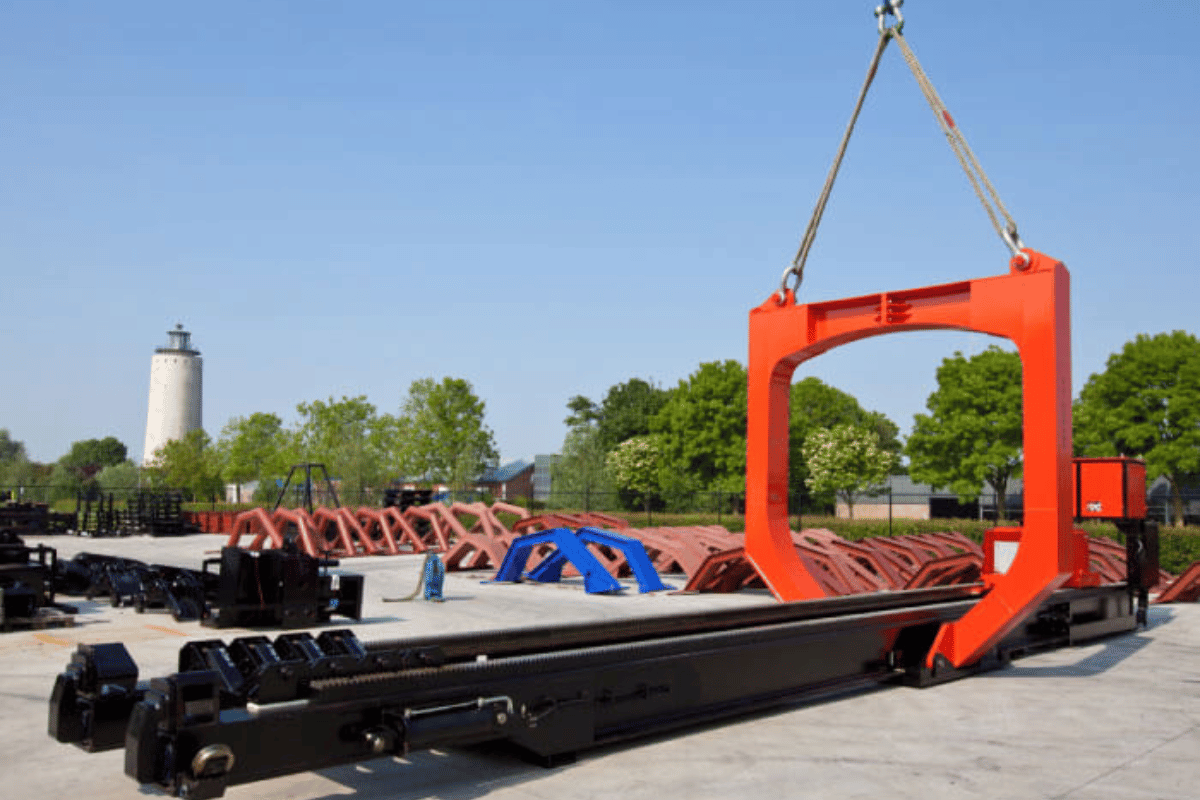
Based on specific needs and conditions of operation, different kinds of bundle extractors are available in the market, each with its own uses and features. Below are five types of bundle extractors that play important roles in most industries:
1. Mechanical Bundle Extractors
Using hydraulic arms and gripping mechanisms, these extractors are most efficient in removing bundles. Very powerful and accurate, they handle even large and thick bundles. Manufacturing and steel production sectors are principal users, as these fields necessitate robustness.
2. Hydraulic Bundle Extractors
Powerful and trouble-free hydraulic systems make these extractors best for heavy-duty lifting and removing tasks. Advanced control systems allow for accuracy, making them ideal for oil refineries and chemical plants.
3. Pneumatic Bundle Extractors
Operating on compressed air principles, these extractors are lightweight and compact. Most suitable for places with very limited physical space, they are widely accepted in food processing and light manufacturing industries.
4. Automated Bundle Extractors
Deploying advanced robotics and software for complete independent operation. Equipped with sensors, PLCs, and AI-powered algorithms allowing them to adapt to different bundle sizes and shapes without human intervention. Used in electronics and automotive manufacturing.
5. Mobile Bundle Extractors
With portability as prime consideration, mobile extractors are wheeled or tracked machines moved across big plants. Versatile and especially useful where extraction points are not permanent, like construction and logistics centers. Typically incorporate both hydraulic and mechanical features.
Selection Factors: The factors that mainly determine the right choice among bundle extractors are: the weight, size, and composition of the bundles, and the type of environment in which the operations are to be conducted.
Importance of Bundle Extraction in Industry
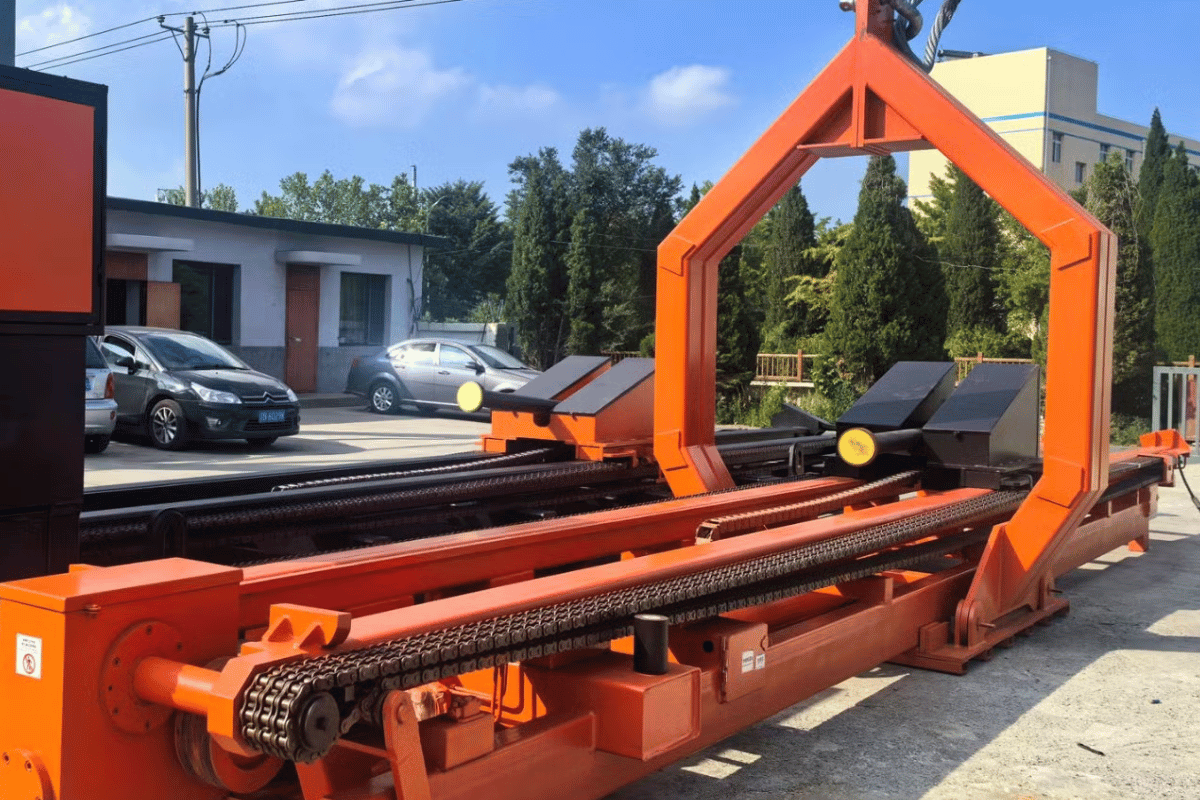
Bundle extraction is a critically important operation in various sectors because it is necessary for the maintenance of operational efficiency, safety, and cost-effectiveness. Here are five major areas that point out its significance:
1. Enhanced Operational Efficiency
Modern bundle extraction systems make processes more efficient through time reduction in controlling and moving bundles. Fully automated or partially automated systems in construction, warehouse, and manufacturing industries can result in productivity increases.
Impact Data: Productivity increase of up to 40% in these sectors with automated systems.
2. Improved Safety Standards
Bundle extractors through their operations of handling and transporting products without human interaction reduce the chances of workplace accidents on a large scale.
Impact Data: Reduction of injuries on a high scale of around 30% has been reported in logistics and mining industries where proper mechanical extraction systems are implemented.
3. Material Preservation
Latest extractors come equipped with technology capable of handling fragile or high-value materials with utmost care. This is a very important aspect in the timber or steel industry, where shortage of materials leads to direct loss in production process and consequently, quality assurance and sales.
4. Adaptability to Environmental Conditions
Bundle extraction technology provides users with the option of using it in the most adverse conditions, such as extreme heat or cold, or secluded areas. Hydraulic extractors, for example, are made in such a way that they can work in subzero temperatures without operational delays.
5. Cost Reduction
Labor costs are reduced to the minimum required while resource allocation is optimized; hence, efficient bundle extraction results in substantial financial savings in the long run.
Impact Data: Costs of operations can be cut down by as much as 25% with the use of advanced extraction systems as per industrial application case studies.
All these dimensions point out the important role played by bundle extraction technology in the process of innovation, the lowering of risks, and the creation of a competitive edge in industrial operations.
Truck Mounted Bundle Extractors
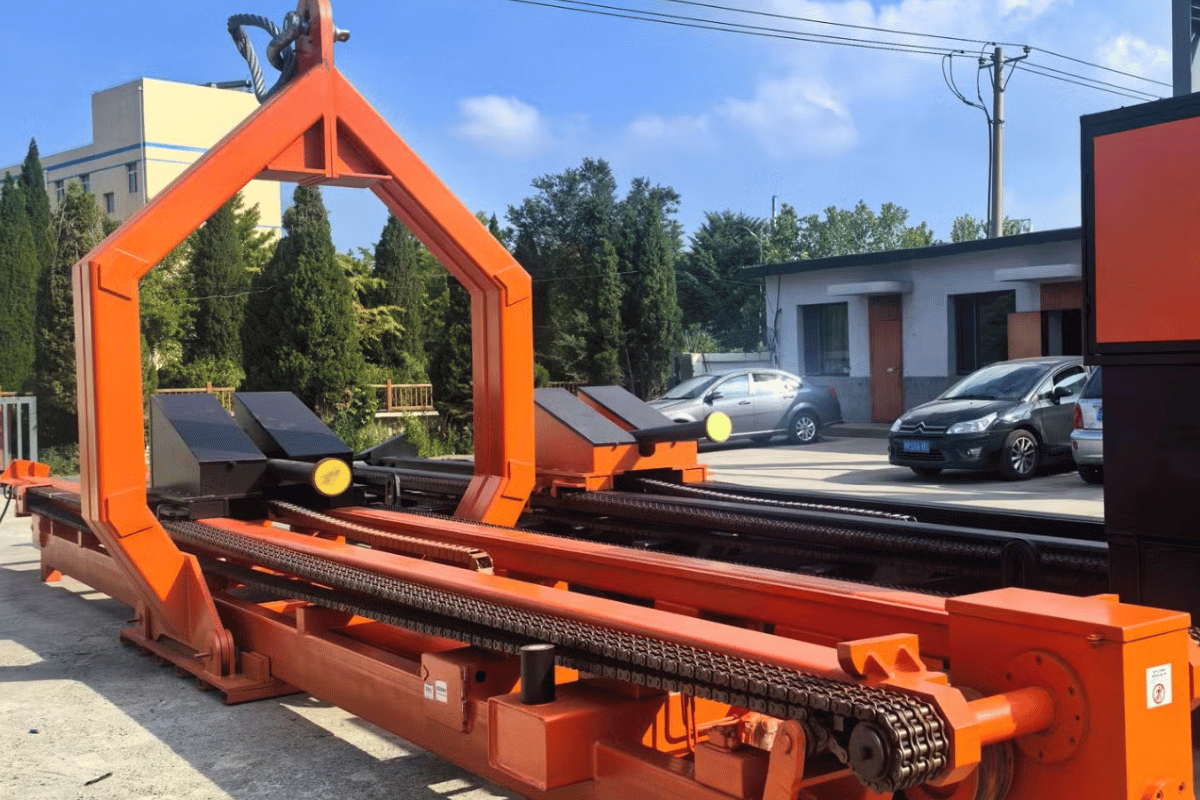
Truck-mounted bundle extractors are specialized machines that make heat exchanger bundle extraction in industrial settings efficient processes. These systems are truck-mounted to enhance mobility, thus allowing personnel to transport equipment quickly to different job sites.
With the incorporation of hydraulic arms and skilled operation, they can remove bundles safely and effectively, thus remarkably lessening the need for labor and increasing the safety of operations. Their capacity to work with big and heavy bundles makes them indispensable tools for maintenance activities in the industries of petrochemical, power generation, and oil and gas.
Features of Truck Mounted Bundle Extractors
| Feature | Description | Benefit |
|---|---|---|
| High Load Capacity | Designed to support loads of up to 30 tons | Safe and efficient removal of heaviest bundles from heat exchangers |
| Hydraulic Precision Control | Modern hydraulic systems enable very small movements and adjustments | Precise placement and safekeeping of bundles in tightest or most difficult places |
| 360-Degree Rotational Capability | Rotating arm mechanism allows full 360-degree motion | Increases operational range and enables bundle movement regardless of position |
| Compact and Mobile Design | Mounted on standard trucks combining mobility with compact design | Suitable for places with narrow access, easy to move from site to site |
| Integrated Safety Features | Overload protection, stabilizing outriggers, emergency stop controls | Ensures safety of equipment and operators during heavy-duty tasks |
Advantages of Truck Mounted Extraction
Increased Efficiency and Productivity
Built for high-capacity jobs, significantly reducing operational process time. Workers carry out big extractions quickly and smoothly, leading to almost no downtime and productivity rate raises up to 30% compared with traditional extraction methods.
Increased Mobility and Accessibility
Small and easy-to-move design gets to hard-to-reach and small places like urban sites or far-off locations without trouble. This versatility guarantees extraction operations can be done in different kinds of places without affecting work quality.
High Power and Performance
Powered by top-class engines and sophisticated hydraulic systems, providing required power for prolonged periods to cope with entire spectrum of heavy-duty works. Capable of performing operations requiring forces higher than 10,000 psi.
Affordable Operation
Combine many functionalities into one unit, eliminating need for separate equipments. Setup and maintenance costs significantly lowered. Operators can have average operational cost reduction of 20%, making systems very cost-effective.
Enhanced Environmental Compliance
Equipped with environmentally friendly technology, including engines producing fewer emissions and effective power use. These characteristics align with strict environmental standards, enabling operators to meet regulatory requirements while lowering carbon emissions.
Selecting the Right Truck Mounted Equipment
Consideration of the right equipment hinges on operational requirements, payload capacity, and environmental regulation compliance. The kind of work that the equipment is going to do is the first thing to evaluate, ensuring that specifications match project demands.
Key Selection Criteria:
Evaluate operational requirements and payload capacity needs
Ensure environmental regulation compliance
Review fuel requirements and consumption rates
Calculate costs of maintenance over equipment lifecycle
Assess manufacturer support and warranty offerings
Verify compatibility with existing infrastructure and workflows
After taking a close look at these factors, you will be able to choose a system that not only increases production but also meets industry standards.
Aerial Bundle Extractors
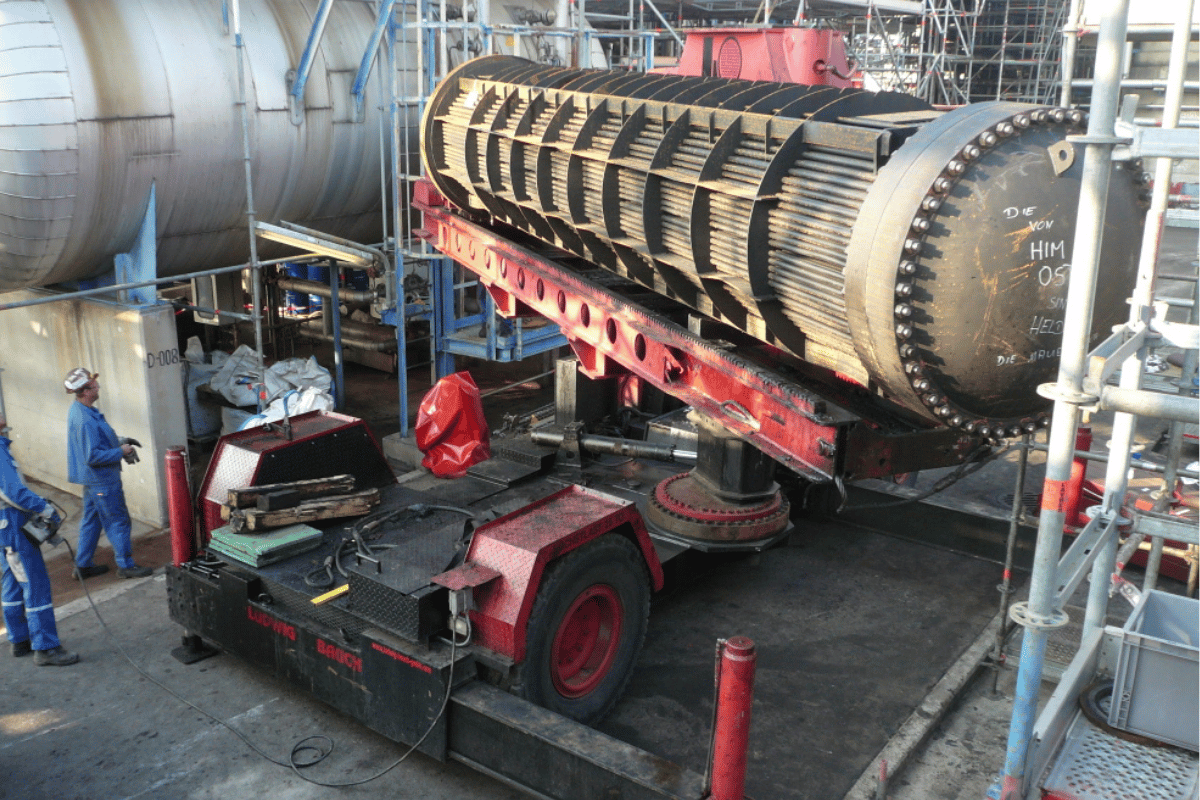
Aerial bundle extractors are undoubtedly the most reliable and efficient equipment for performing tedious tasks of aerial bundled cable handling and removal. These devices are mainly used in power distribution projects where precision and safety are very important.
Their role is to grip securely, cut, and adjust simultaneously while minimizing the risk of damage either to the conductor or the surrounding structures. A few main characteristics that a dependable aerial bundle extractor should have are: longevity, versatility in terms of different cable sizes used, and being user-friendly.
Summary of Aerial Bundle Extractors
Aerial bundle extractors are among the indispensable equipment for electrical and utility applications where the highest degree of precision and efficiency are required. The tools are products of the latest advancements in design and materials, utilizing these to produce the strongest machines that can handle even the largest cables without risking structure integrity.
There is mounting demand for such tools with less weight and more user-friendly design, which is a clear indication that the market is shifting towards operators' comfort and fatigue reduction. Besides, these tools come with safety features aimed at protecting users in high-risk places, such as having insulated grips and non-slip handles.
Moreover, the usage of aerial bundle extractors results in shorter time taken for cable systems installation, which conforms to present-day needs for operational efficiency and reliability.
Benefits of Using Aerial Extraction
1. Enhanced Efficiency in Cable Installation
The use of aerial extraction tools results in drastic decline of cable installation duration by more than half the time taken for manual methods.
Performance Data: Capability of speeding process up to 40% times that of conventional methods greatly increases the productivity of the whole company.
2. Improved Worker Safety
Aerial extraction tools equipped with cutting-edge safety features such as insulated grips and slip-resistant handles considerably reduce risks of electrical hazards and physical strain.
Safety Impact: These features make them necessity in every high-risk area because they assure safety measures are up to date with respective industry standards.
3. Reduction in Operator Fatigue
Current aerial extraction tools not only spot best characteristics of being lightweight but also possess ergonomic design which helps to lessen fatigue of operators during long hours usage.
Research Finding: Ergonomic tools can decrease muscle fatigue by over 30%, leading to combination of greater efficiency and comfort in workplace.
4. Higher Precision and Accuracy
These tools with their proper alignment mechanisms and calibrated extraction capability increase precision of cable placements.
Quality Benefit: Consequently shrinks number of mistakes that could happen during installations, making need for rework less while guaranteeing system reliability in long run.
5. Cost-Effectiveness and Long-Term Savings
The long-lasting and time-saving nature of aerial extraction tools is mainly the reason for decline in operational costs.
Financial Impact: Labor hours incurred will be less, downtime will be minimal, and maintenance reduced, hence user will experience quantifiable financial savings over equipment's life cycle.
Key Considerations for Aerial Bundle Equipment
| Consideration | Details | Why It Matters |
|---|---|---|
| Weight and Load Limits | Double-check equipment can securely hold imposed load capacity | Avoids strain or failure during operation |
| Material Durability | Choose equipment built from best quality, weather-resistant materials | Takes beating from environmental factors (UV rays, wind, moisture), improving long-term reliability |
| Ease of Installation | Prefer tools and systems designed for easy installation | Minimizes labor time and reduces possibility of errors during setup |
| Compatibility | Check if equipment is compatible with current systems and structures | Makes integration easier with no extra modifications needed |
| Safety Features | Give preference to equipment with locking systems or reinforced supports | Helps reduce risk to operators and surrounding areas |
| Regulatory Compliance | Check all components against national and local regulations | Ensures safe and legal operation; compliance certifications help navigate regulations |
Bundle Extraction Techniques
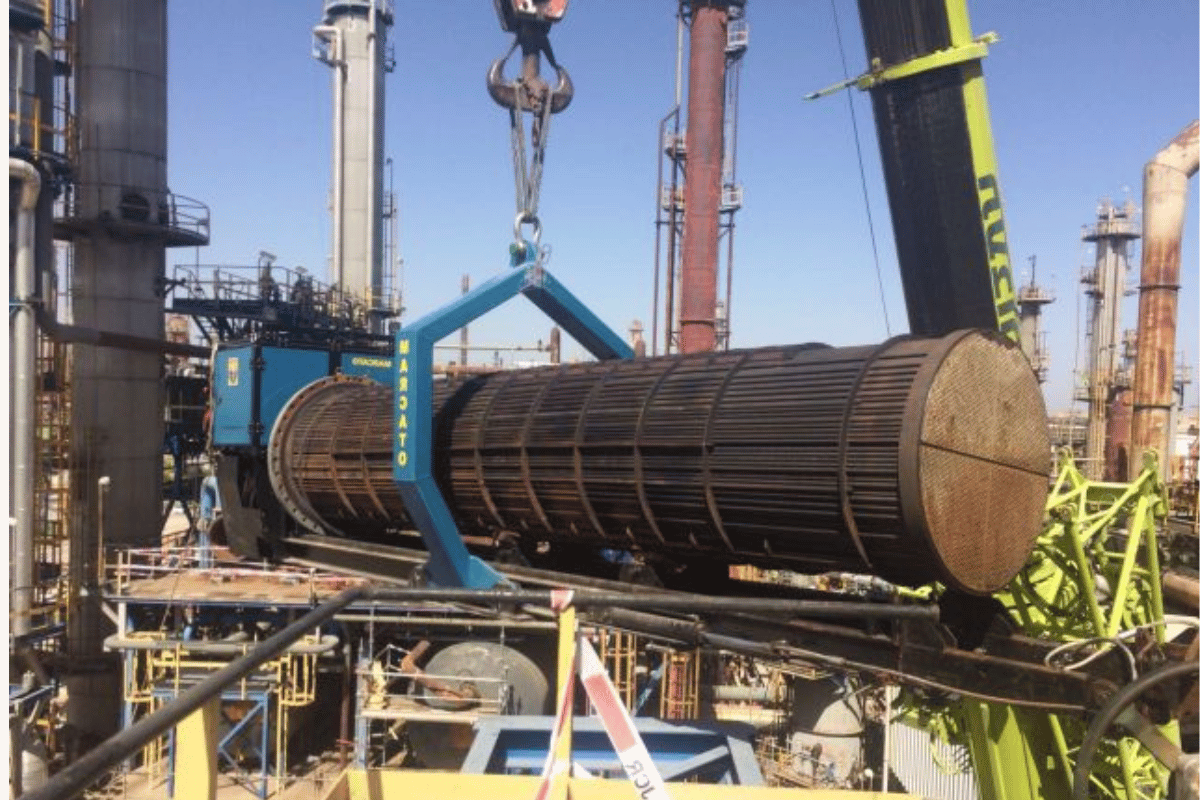
Bundle extraction is a process of controlled and efficient removal or isolation of bundled materials, components, or systems. The choice of technique should depend on material composition, desired outcome, and operational constraints to gain maximum efficiency and precision. Proper handling and safety measures are critical in the extraction process to reduce risks.
Main Extraction Techniques
Mechanical Extraction
Tools or machinery such as clamps, levers, or hydraulic systems are used to separate and remove bundles physically.
Best For: Rigid or tightly bound assemblies. Very effective for structural components.
Thermal Methods
Heating is applied to loosen adhesives or bonds between bundled items, thus allowing easier disassembly.
Best For: Joining of materials with heat-sensitive adhesives. Especially good for composite materials.
Chemical Dissolution
Solvents or other chemical agents are used to dissolve binding substances and thus separate bundle components.
Critical Note: Make sure chemical agents are compatible with bundle materials so as not to cause damage.
Precision Cutting
Specialized cutting tools such as lasers or fine blades are used to isolate specific elements within a bundle without affecting surrounding materials.
Best For: Complex or delicate structures requiring high precision.
Methods of Extracting Tube Bundles
The hydraulic extraction method is undoubtedly the most efficient and widely used technique among all removable methods for removing tube bundles in modern industrial processes. The dislodging of the bundle from its casing through application of controlled force without causing any structural deformation is the main feature of this method based on high-powered hydraulic equipment.
The process begins with very careful positioning of hydraulic jacks or push-pull devices, which are usually provided with calibrated sensors to guarantee exact force distribution. Latest improvements in hydraulic systems now provide automated pressure regulation, thus decreasing the probability of overexertion that may harm the bundle or other nearby components.
Why Hydraulic Extraction is Preferred:
Best option for tube bundles that are larger and heavier, located in heat exchangers and condensers
Main efficiency point is capability to entirely remove bundle with very few manual assists
Significantly reduces downtime during maintenance operations
Modern variations incorporate remote control and emergency stop systems
Ensures compliance with strictest safety regulations
Decreases risks of accidents during high-pressure operations in workplace
Safety Measures During Extraction
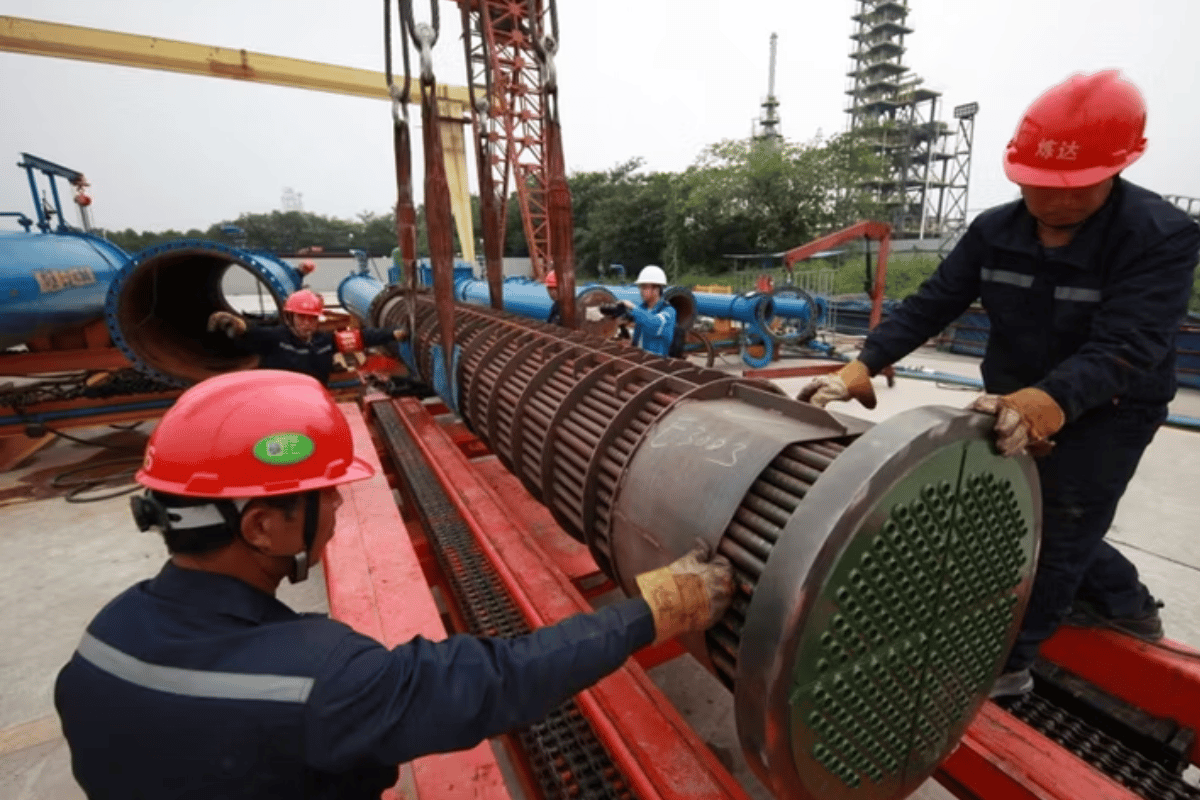
The extraction of a tube bundle is a process where the application of strong safety measures is necessary for the health of people involved and the functioning of operations. The following are five significant safety measures which should be followed during the extraction process:
1. Pre-Operational Risk Assessment
Before starting the extraction process, a detailed risk assessment is to be done. This will encompass analyzing of possible dangers such as high-pressure systems, sharp edges, and heavy lifting. The application of control measures derived from assessment serves to bring down chances of occurring accidents.
2. Proper Tool Inspection
The wear, damage, or malfunction of all equipment and tools, including extractors and lifting devices, must be checked before use. This will make sure that equipment is working properly during operations, thus reducing chances of any failure.
3. Personnel Training and Certification
The extraction operators must be properly trained and certified. Operators must be familiar with equipment, emergency protocols, and safety procedures to prevent mistakes and to ensure quick response to unexpected events.
4. Use of Personal Protective Equipment (PPE)
All personnel should be in proper PPE such as hard hats, steel-toed boots, gloves, and safety goggles.
Additional Requirements: In case of high-pressure applications or interactions with hazardous materials, operators may also need protection for their lungs as well as wear clothes that are fire-resistant.
5. Emergency Stop and Isolation Systems
The equipment must have emergency stop devices and isolation systems that are capable of stopping operations immediately in case of abnormal situation. The main purpose of these features is to prevent accidents caused by equipment not behaving as it should and also to mitigate risks to people and machines.
Compliance Impact: Compliance with these measures not only leads to reduction in risks but also meets requirements of industrial safety norms, thus making extraction process reliable, smooth, and incident-free.
Maintenance Tips for Extraction Equipment
Regular maintenance is essential for ensuring optimal performance and longevity of extraction equipment. The following are comprehensive maintenance practices that should be implemented:
Regular Inspection Protocols
Make it a habit to inspect all parts, including filters, pipelines, seals, and structural frames, thoroughly once every 30 days to find out if there are any signs of wear and tear.
Impact Data: Research has shown that the chance of equipment failure decreases by up to 40% due to regular inspection.
Lubrication of Moving Parts
Moving parts must be lubricated properly according to manufacturer's instructions.
Industry Data: The lack of lubrication leads to about 30% of breakdowns of machinery in the industrial sector.
Temperature Monitoring Systems
Temperature sensors should be installed and calibrated periodically to monitor temperature during equipment operation.
Performance Impact: If temperature is too high, it will compromise system efficiency by 15-20% and also cause parts to wear out.
Replacement of Worn-Out Components
If any parts are damaged or worn, replace them at once so that you don't have cascading failures.
Cost Warning: If you do not replace the part when it is due, it could cost you up to 50% more in maintenance costs over time.
Filter and Ventilation Maintenance
Filters and ventilation systems should be cleaned or replaced regularly, as pollution in systems can cut airflow efficiency while leading to overheating and performance loss.
Efficiency Data: Pollution in systems can cut 25% of airflow efficiency.
Product Information and Resources
Product Features
Our machines are built to last and work efficiently in hard environments, so they use only the best materials for their performance. There are several important features such as automatic safety systems, parts that are easy to maintain because they are modular, and modern energy-saving systems that cut down the costs of operation.
User Manuals and Documentation
To make it easier for users to install, operate and maintain equipment, there are detailed user manuals and technical documentation. Users can easily get these resources from support section of our official website. Each document comes with illustrations, troubleshooting tips, and very clear and easy-to-follow guide.
Technical Support
Our technical support department is composed of professionals who are always ready to help in any case when there is question about product or if there is problem with it. Help is a phone call away through our 24/7 hotline, email support, or live chat. Please visit our website for your area's contact details or to create service ticket.
Training and Tutorials
We provide option for both face-to-face training and virtual training programs to make sure that users would get most out of their equipment in terms of efficiency and lifespan. Training covers best practices for operation, maintenance schedules, and advanced troubleshooting techniques. Visit our e-learning portal to sign up for sessions or watch video tutorials.
Spare Parts and Accessories
To ensure that performance and safety requirements are met, the only way to get real spare parts and accessories is through our official distributors. An extensive catalog is available online, which includes information on compatibility of products to help you choose right parts.
Comparing Bundle Extractor Components
Black Iron vs PVC Pipes
Black iron pipes and PVC pipes are dissimilar in their material make-up, longevity, price, installation procedure, and the applications for which they can be used. The chart below shows major variances, helping users to pick right alternative according to their needs and requirements of their application.
| Key Point | Black Iron Pipes | PVC Pipes |
|---|---|---|
| Material Type | Metal (iron alloy) | Polyvinyl chloride |
| Durability | High, strong structure | Moderate |
| Corrosion | Corrosion-prone | Corrosion-resistant |
| Installation | Complex, labor-heavy | Easy, lightweight |
| Cost | Higher upfront cost | Lower upfront cost |
| Temperature Tolerance | High (heat resistant) | Limited (low heat tolerance) |
| Usage | Gas, heavy loads | Water, low-pressure systems |
| Lifespan | Long-lasting | Medium lifespan |
| Weight | Heavy | Lightweight |
Where to Find Reliable Bundle Extractor Equipment
It is possible to obtain dependable bundle extractor devices from different ways such as suppliers of specialized industrial equipment, online marketplaces, and directly from manufacturers. Among top producers are well-known and recognized names in the industry that provide equipment with modern features, lastingness, and safety standard compliance.
Recommended Sources:
Online Marketplaces: Websites such as Grainger, Global Industrial, and Amazon Business have numerous sources that fit needs of both small and large industrial operations
Specialized Manufacturers: Ridgid and Greenlee are companies that have reputation for producing dependable and high-quality bundle extraction tools
Warranty and Support: These manufacturers frequently provide warranties and support for replacement parts
Important Note: It is important to read vendor reviews, check product certifications, and compare technical specifications to find out compatibility with intended application before buying. Buying equipment from reliable suppliers not only ensures safety but also enhances efficiency and gives long-lasting performance.
Peinemann Equipment: A Trusted Source
Peinemann Equipment has managed to create strong image for themselves as reliable and innovative provider that supplies needed solutions for different industries. They are trusted for their quality, engineering excellence, and their capability to provide equipment that guarantees safety as well as efficiency even in harsh environments.
Future of Bundle Extraction and Transportation
The future trend in bundle extraction and transportation will be that of increased efficiency, precision, and safety; all through introduction of advanced technology and automation. Remote-controlled systems and sensor-based monitoring are already among innovations in the industry which will gradually become the norm as they facilitate real-time data analysis and unproblematic operations.
The use of eco-friendly practices is also increasing in the industry with preference for equipment that has low environmental impact but still delivers high performance, thus focus on sustainability is shifting. The mentioned advancements will result in better workflow, less operational downtime, and more companies being able to meet changing safety and environmental regulations.
Innovations in Bundle Extraction Technology
The progress made in field of bundle extraction technology has been mainly targeted towards improving efficiency, safety, and eco-friendliness. The introduction of technologies like automation in extraction, use of cutting-edge tools for cutting, and improvement in material handling have all resulted in achievement of higher precision levels as well as less manual work being done.
The improvement in above-mentioned aspects is so perfect that it can easily be integrated into systems for monitoring that rely on data and can also make real-time changes to process in order to get best possible output while still being within set legal limits.
Mobile and Remote-Controlled Extraction Solutions
The use of mobile and remotely operated extraction solutions marks considerable improvement in both operational flexibility and the safety of workforce. The implementation of these systems relies on state-of-the-art technologies like wireless communication, automated navigation, and IoT-linked sensors which make it possible for operators or monitors to be at distance yet still control and see what is going on exactly.
Moreover, by taking advantage of sophisticated algorithms and continuous data flows, operators can securely control intricate extraction processes without their physical presence in dangerous places. Latest search statistics indicate a growing need for such systems, reflecting a worldwide movement toward automation and safety-related innovations in various industries from mining to forestry. This movement has made it imperative to consider mobile and remote-controlled solutions as integral part of modern extraction strategies.
Predictions for the Industry
The extraction sector will quickly embrace AI-driven automation and predictive maintenance technologies. These innovations will not just facilitate operations but also cut down on downtime and risks associated with operations considerably.
Future Industry Developments:
Application of state-of-the-art data analytics will empower operators to choose best solutions instantaneously and safely
Both efficiency and safety will increase through advanced monitoring systems
Remote-controlled systems will gradually become more complex, reducing integral human involvement in danger zones
Concern for sustainability and safety will push new equipment and practices to market
Frequently Asked Questions: Bundle Extractor Capacity Guide
Understanding Capacity and Load Ratings
How is the total load requirement for a bundle extractor accurately calculated?
To arrive at the total load, it is essential to go beyond the manufacturer's recommended weight for the heat exchanger bundle and include the increased volume of internal fouling and scale which can add up to 20% or more to the actual weight.
Important Considerations: The force needed to break the initial seal, called the break-out force, usually requires greater hydraulic capacity than the extraction process itself. It is advisable to add safety margin to all calculations to ensure equipment operates well within its Safe Working Load (SWL).
Does the length of the tube bundle influence the capacity rating of the extractor?
Yes, the length of the bundle is very important and critical aspect. While weight is considered the main criterion for lifting capacity, the length of the bundle determines the vertical location of the center of gravity and the moment arm acting on the extractor's mast or lifting frame.
Safety Warning: Using an extractor with insufficient length support could entail either dangerous instability or structural failure. Always make sure that the length of the extractor's chassis and its counterweight balance are compatible with the length of your longest tube bundle.
What is the distinction between static capacity and dynamic pulling force?
Static capacity indicates the total weight which the extractor is capable of lifting and holding in stationary position. On the contrary, dynamic pulling force is the amount of hydraulic power that can be used to pull the bundle out of its shell.
Key Point: In most cases, the pulling force required is more than the lifting requirement, especially true for bundles that are seized within the shell due to long period without removal. Equipment selection has to meet requirements of both static weight of the load and dynamic force required for extraction.
Equipment Selection and Compatibility
When should a self-propelled extractor be chosen over a truck-mounted unit?
The answer to this is based on site accessibility and the extent of maneuvering needed.
| Type | Best For |
|---|---|
| Self-Propelled | Accurate operation within tight spaces, congested plant layouts, or areas with restricted vertical clearance like low pipe racks |
| Truck-Mounted | High-volume turnaround projects where ability to relocate and speed up work between different units or plant sites is priority |
A thorough assessment of your facility's spatial constraints and the number of bundles to be pulled should give guidance for this choice.
Can a single extractor accommodate various shell diameters?
The majority of industrial bundle extractors come with adjustable front plates and clamping mechanisms to accommodate different shell diameters. However, every machine comes with specific minimum and maximum limits.
Critical Warnings:
Trying to extract bundle smaller than minimum design spec can cause weak grip and slippage
Going over maximum diameter can lead to clamp losing its structural integrity
Always check machine's capacity chart to make sure it covers whole range of diameters that fall within your planned maintenance scope
How do I determine if an aerial bundle extractor is necessary?
Aerial bundle extractors are used when heat exchanger is at high place that is not accessible by truck-mounted or self-propelled unit or where such units cannot be highly stable. These units are hoisted into place by crane and then clamped to shell flange.
Important Calculation: Such situation requires very careful calculation of crane's capacity at given radius since crane will have to support sum of weights of extractor and bundle.
Operational Efficiency and Safety
What are the critical safety factors during the extraction process?
Stability is the primary safety factor. Before the start of operations, it has to be confirmed that pressure on ground can hold substantial loads from equipment and bundle.
Critical Safety Checklist:
Confirm ground pressure can hold substantial loads
Monitor hydraulic system pressure constantly to avoid overload situations
Set up clearly marked exclusion zone to protect people from possible hydraulic failures or sudden shifts in load
Follow manufacturers' load chart strictly as standard for safe operation
How does correct equipment matching affect turnaround schedules?
Utilizing bundle extractor that perfectly meets load capacity and site conditions reduces downtime significantly.
| Equipment Issue | Impact on Schedule |
|---|---|
| Underpowered Unit | Might struggle getting bundle unsealed, causing delays or necessitating use of extra gear |
| Oversized Unit in Small Area | Could create blockage in flow of operation where there is material being moved |
| Correctly Matched Equipment | Promotes easier workflow, less manual work needed, and shorter overall maintenance time |
Reference Sources
Below are trusted reference sources for bundle extractors from industry-leading manufacturers and service providers:
Recommend reading:Bundle Puller & Bundle Extractor Equipments
Peinemann Equipment
The Aerial Bundle Extractor (ABE) product known for effectiveness, reliability and safety in heat exchanger maintenance operations.
Idrojet
Manufactures aerial bundle extractors covering weight range of 5t to 100t with features such as autonomous operation and remote control capabilities.
Gruppo Marcato
Leader in heat exchanger maintenance and bundle extraction services, offering aerial version of self-contained heat exchanger bundle extractors.
Maus Italia
Supplies tube bundle maintenance equipment of all types, including aerial and portable tube bundle pullers for various industrial applications.
Ohmstede Industrial Services
Offers complete set of mounted equipment for extraction and installation of bundles and tubes in heat transfer systems with comprehensive support services.
Ready to Select the Right Bundle Extractor?
By understanding capacity requirements, equipment types, and operational considerations outlined in this guide, you can make informed decisions that maximize efficiency, ensure safety, and optimize your investment in bundle extraction equipment.