
 Chinese
The operation of heat exchangers at LNG plants needs to achieve both dependable performance and effective efficiency because the plant environment demands these requirements. The components function as essential elements for thermal energy transfer systems because they provide maximum efficiency while reducing production interruptions. The maintenance process for heat exchanger systems needs to follow an extensive procedure because their operational requirements have reached advanced complexity. The article presents essential maintenance needs and effective methods for maintaining LNG plant heat exchangers which help to improve operational efficiency and extend equipment durability while protecting safety requirements. The guide delivers essential technical knowledge which assists you in resolving the specific difficulties faced during LNG plant heat exchanger maintenance work whether your goal is to enhance system performance or reduce operational hazards.
Understanding LNG and Its Significance
Liquefied Natural Gas (LNG) exists as a liquid when natural gas undergoes cooling to approximately -260°F (-162°C) which enables better storage and transportation methods. The process decreases gas volume by 600 times which enables more efficient transportation to distant locations that lack pipeline systems. LNG serves an essential function in worldwide energy markets because it delivers a cleaner combustion option that replaces coal and oil while providing multiple energy sources for energy security. The system provides essential energy resources while reducing carbon emissions which makes it crucial for achieving sustainable energy development.
What is LNG?
LNG Key Characteristics
Liquefied Natural Gas (LNG) exists as natural gas which becomes liquid after it undergoes cooling to the temperature of -260°F (-162°C). The process of liquefaction enables gas volume reduction through this method which achieves 600 times smaller volume for gas storage and transportation needs that cover extensive distances to areas without pipeline systems. LNG consists mainly of methane together with minor quantities of ethane propane and nitrogen.
LNG serves mainly as a cleaner energy source which power plants and vehicles use as fuel. The commodity holds essential value for global energy markets while Qatar and Australia and the United States control major portions of its production. Recent research findings show that growing energy requirements and carbon reduction efforts and the need to develop diverse energy supply chains drive LNG market demand.
The Role of Heat Exchangers in LNG Production
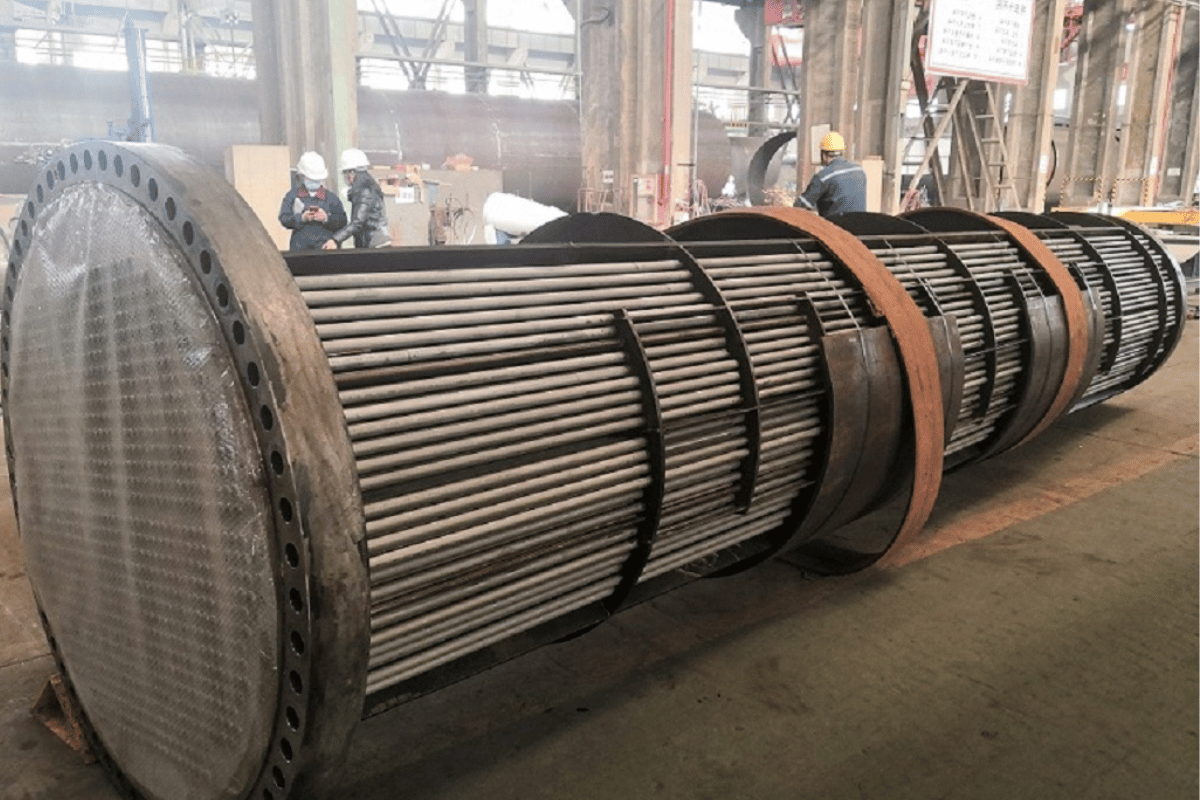
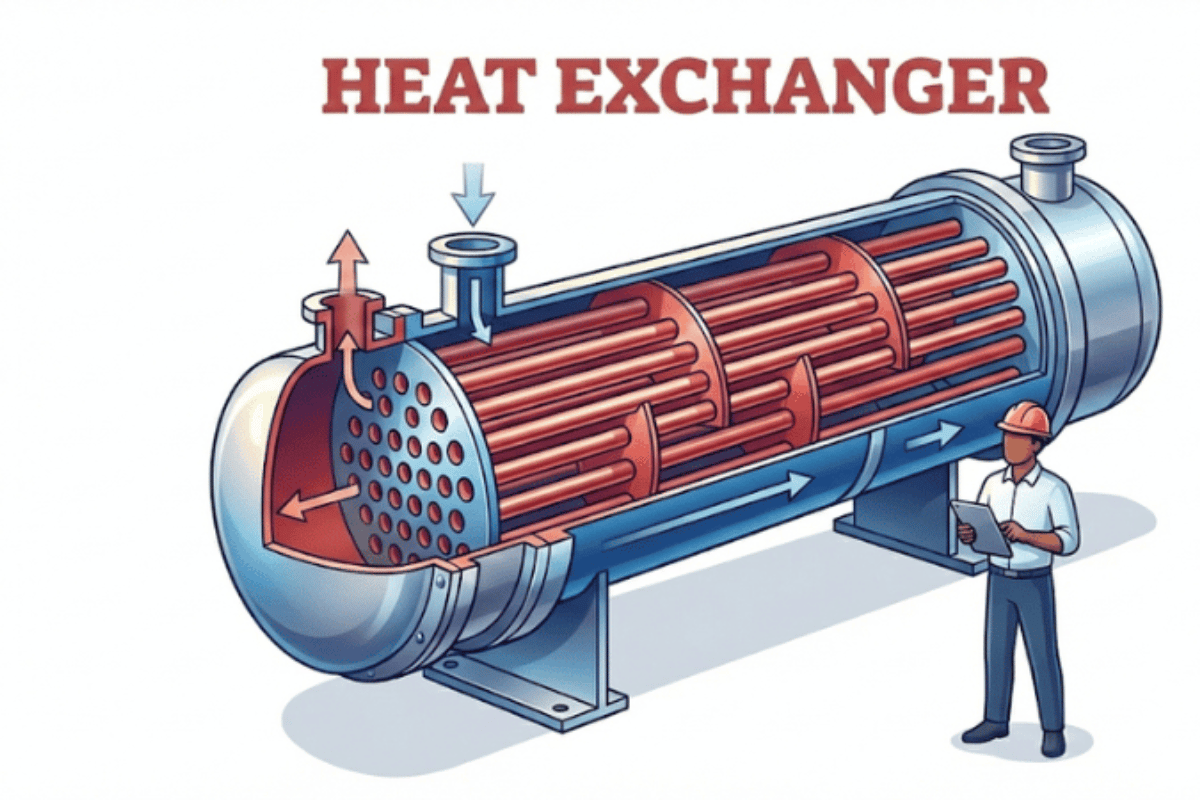
Heat exchangers serve as critical components in LNG production because they enable the process of liquefaction and separation while improving the system's energy efficiency. The system operates through its main function which enables heat movement between various fluids to achieve effective thermal control during the entire liquefaction process.
PFHEs operate as efficient heat exchangers which LNG facilities use for their cryogenic systems. The system combines a small design with an extensive heat transfer system which enables efficient heat exchange at very low temperatures. The equipment functions as a natural gas cooler which prepares the gas for liquefaction.
Spiral heat exchangers operate in LNG systems to treat dirty or fouling fluids because their design offers strong protection against operational damage. The channel design creates a continuous flow path which decreases pressure loss while operators can easily clean the system to use in high-demand situations which need constant operation.
This system features modular cryogenic heat exchangers that operate at high efficiency. BAHX units achieve 95% operational efficiency while they serve to cool natural gas until it reaches liquefaction temperature, which makes them a better choice than traditional , larger cooling systems.
The exchangers represent an established design that operates in hazardous environments under high-pressure conditions. The equipment operates in LNG productio,n which requires gas-liquid and liquid-liquid heat transfer because it has long-lasting materials that can withstand thermal stress.
LNG operations depend on cold boxes which serve as essential units because they contain multiple heat exchangers inside one insulated space, thus enabling effective control of cryogenic temperatures. They provide a complete system which makes installation easier while meeting the specific needs of LNG operations.
Routine Inspections for Heat Exchanger Efficiency
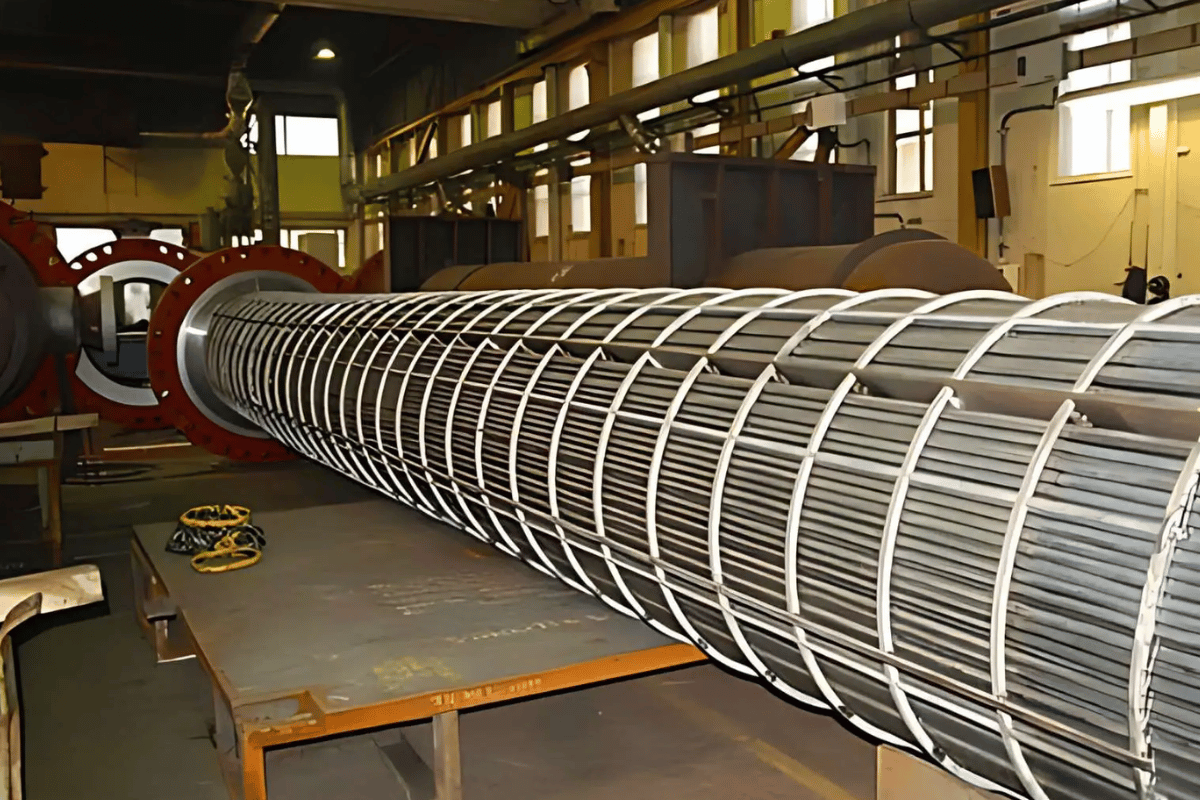
Routine inspections for heat exchangers are essential to maintain optimal performance and prevent costly downtime. The following steps outline a standard inspection process:
The outer surfaces should be examined for any signs of corrosion and leaks and physical damage. The examination should confirm that all connections and seals are intact.
The current operating data which includes temperature differentials and pressure drops should be compared with baseline records to identify any abnormalities.
The maintenance team must conduct equipment checks to determine the presence of fouling and scaling and blockages within the tubes and plates. The facility will require cleaning operations to restore its efficiency through scheduled maintenance cleaning.
The assessment will involve inspecting critical components for both wear and damage which includes gaskets and supports. The examination found that all parts needed to be replaced because they showed signs of deterioration.
The system requires validation that there are no flow path restrictions and that actual flow rates meet design specifications.
Inspection Frequency and Protocols
Organizations need to create their inspection schedules based on their work activities their real environmental conditions and the equipment manufacturers' instructions. The standard procedure for regular operations requires biannual inspections to sustain equipment performance at its highest level. Companies need to conduct their mandatory inspections every three months when they operate their business at maximum capacity or when their equipment encounters dangerous materials.
Key Components to Inspect in Heat Exchangers
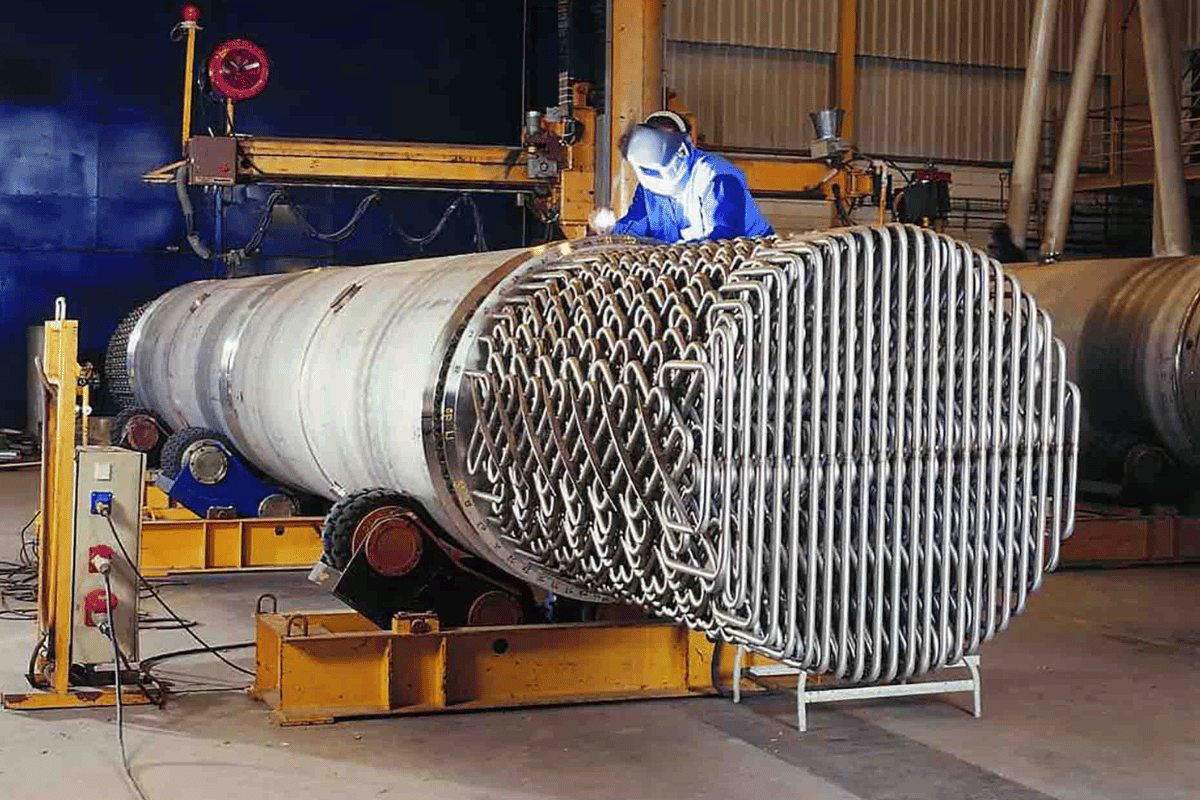
Tubes and Tube Sheets: Heat exchangers need their tubes and tube sheets to be in perfect condition for proper operation. The scheduled inspections need to locate corrosion and pitting and scaling because these issues decrease thermal efficiency while creating potential failures. The industry commonly uses nondestructive testing methods which include ultrasonic thickness gauging to measure wall thickness and find defects.
Baffles: Baffles serve two main purposes which include directing fluid flow and keeping up heat transfer performance. Baffles will experience erosion and wear throughout time which will disrupt their ability to control flow and produce vibration-induced destruction. The organization needs both visual inspections and ultrasonic inspections to check that baffles maintain their original structure and correct placement.
Gaskets: Gaskets create sealing between components which stops any leaks from occurring. These should be inspected for wear, deformation, or material degradation due to temperature and pressure fluctuations. The stress and chemical compatibility tests help identify worn-out gaskets which need replacement.
Shell and Fittings: The shell serves as the complete outer shell of the heat exchanger which endures both thermal and mechanical loads. Inspecting for cracks, corrosion, or other deformations is essential to maintain pressure containment. The combination of magnetic particle testing (MT) and dye penetrant testing (PT) offers effective methods for detecting surface defects on materials.
Common Failure Modes in Heat Exchangers
Impact of Leaks on Performance
Five Critical Impacts of System Leaks
The system loses operational capacity because leaks result in working fluid loss which creates conditions that prevent the system from achieving its optimal performance. A hydraulic system experiences a power output decrease when its fluid volume drops because lower pressure results from this reduction.
The system needs extra energy because it must counteract leaks while maintaining its normal operations. The operational expenses of systems which include HVAC and fluid transport pipelines increase because of leaks.
Leaks create pressure shifts which cause premature damage to essential components including pumps and valves and seals. The equipment breakdown results in additional unforeseen maintenance requirements which shorten the equipment operational duration.
Hazardous material leaks which include chemical and hydrocarbon spills create real dangers for both environmental protection and worker safety. Industrial accidents trace back to major failures that happen because pressurized systems develop hidden leaks.
Product specifications become compromised when leaks occur in systems that deliver precise material and fluid quantities. The semiconductor and food-grade production processes sustain contamination through undetected leaks which lead to production batch rejections.
Specialized Cleaning Techniques for Heat Exchangers
This method uses brushes and rods and scrapers to eliminate deposits from heat exchanger surfaces through physical removal. The system works best with systems that have accessible tube designs.
Specialized chemical solutions are used to dissolve and flush out mineral scale, corrosion deposits, or biological growth. The heat exchanger material requires selection of cleaning agents which maintain compatibility to avoid operational damage.
High-pressure water jets are used to forcefully remove obstinate residues from surfaces. The technique enables effective treatment of hardened deposits through deposition removal without system parts needing to be disassembled.
Cleaning foams are applied in controlled ways to cover internal surfaces which helps separate dirt from those surfaces. The method works for delicate systems which require more forceful methods to be avoided.
Ultrasonic cleaning technique uses high-frequency sound waves with cleaning solution to create cavitation bubbles which clean tube interior surfaces. The advanced method effectively removes fine particles and oils and grease while protecting materials from any damage.
Importance of Cleaning in Maintenance
Prevention of Efficiency Loss (10% increase with 0.1-inch scale): Fouling through accumulation of deposits causes heat exchangers to experience decreased heat transfer efficiency. Research demonstrates that scale layers cause energy expenses to increase significantly.
Reduction of Equipment Downtime (3-5x higher unscheduled costs): Routine cleaning helps to reduce occurrence of unplanned equipment failures. Industry reports show unscheduled maintenance costs become significantly higher than planned preventive maintenance.
Prolonged Equipment Lifespan (20-30% increase): Regular cleaning removes materials that cause corrosion and contamination which helps protect against material degradation. Preventive cleaning increases machinery lifespan based on environmental and operational conditions.
Compliance with Industry Standards: Industrial and regulatory agencies require businesses to meet cleanliness standards which provide safe operational conditions and ensure product quality. These standards enable organizations to achieve compliance while safeguarding reputation.
Optimization of Operational Performance: When systems remain clean they perform at their highest level maintaining original design capacity. Proper cleaning enables better thermal management which minimizes overheating risks while maintaining steady process results.
Regulatory Compliance Standards for LNG Operations
LNG operations need to follow regulatory compliance because it helps them maintain safety standards while protecting the environment and ensuring their operations remain reliable. The primary requirements demand organizations to follow the International Maritime Organization's (IMO) International Code for the Construction and Equipment of Ships Carrying Liquefied Gases in Bulk (IGC Code). The code establishes required LNG carrier specifications which must be achieved through structural design and fire safety systems and equipment standards.
Impact of Non-Compliance on Operations
Best Practices for Predictive Maintenance
The system requires sensors and IoT devices to acquire actual equipment data which enables precise assessment and monitoring of equipment condition.
The system needs scheduled physical inspections together with automated diagnostic tools to detect potential equipment failures before they actually happen.
The system uses advanced software together with algorithms to analyze both historical and current data which creates equipment performance insights and failure prediction patterns.
The maintenance staff requires training on predictive tool usage together with data interpretation skills to perform maintenance tasks at the right time.
The organization needs to establish predictive maintenance strategies which support its operational objectives to achieve better efficiency and longer equipment lifespan and reduced operational interruptions.
Reference Sources
Growing Challenges of Heat Exchangers' Operation & Maintenance in LNG Plants - The study presents operational difficulties and shows effective solutions, which include chemical cleaning and material improvements.
Heat Exchanger Maintenance: Key Requirements Explained - The guide describes inspection times and maintenance procedures that depend on the importance of the process and its past performance.
Proper Maintenance at LNG Terminals - The study demonstrates that secure and operational equipment protects against dangers while maintaining operational effectiveness.
Frequently Asked Questions
Heat exchangers in Liquefied Natural Gas (LNG) facilities experience multiple maintenance difficulties which arise from their operational requirements. The main operational challenge occurs because extreme cryogenic temperatures reach -160°C (-256°F). Materials face brittleness problems because of environmental exposure which requires special metalworking expertise to handle aluminum alloys and stainless steel. The process stream experiences two main problems which include the formation of heavy hydrocarbon components and water ice that lead to blockages and reduced thermal efficiency and dangerous pressure differentials.
The Main Cryogenic Heat Exchanger (MCHE) is universally considered the most critical asset. The liquefaction process uses this system to transform natural gas into its liquid state through cooling procedures. The system requires maintenance because its plate-fin or coil-wound construction generates several issues which directly affect plant production. A maintenance strategy requires years of planning which involves precise scheduling for every aspect of its operation.
The inspection and maintenance schedule results from three factors: manufacturer guidelines, legal standards, and risk-based inspection (RBI) systems.
• MCHE and essential systems undergo major shutdowns for internal inspections and complete overhauls every 4-8 years
• Shell-and-tube or air-cooled exchangers undergo maintenance inspections every 2-4 years
• Condition monitoring through performance data analysis creates predictive maintenance interventions
The selection of cleaning methods depends on fouling characteristics and exchanger design:
Chemical Cleaning: Removes scale and hydrocarbon deposits using solvents that dissolve contaminants during online operations or short shutdowns.
Mechanical Cleaning: High-pressure water jetting (hydro-jetting) efficiently eliminates solid deposits accessible within tube bundles.
Thermal "Soak and Dry-out": Unit undergoes thermal processing to eliminate contaminants including ice and heavy hydrocarbons during MCHE shutdowns.
LNG heat exchangers need several non-destructive testing (NDT) methods:
• Eddy Current Testing (ECT): Tests non-ferromagnetic tubes to find cracks, pitting, and corrosion
• Remote Field Testing (RFT): Tests ferromagnetic tubes for wall material loss
• Acoustic Emission Testing (AET): Real-time monitoring detects crack development during cooldown and operations
• Thermography: Infrared cameras detect temperature differences revealing internal blockages or flow distribution problems
The natural gas feed stream contains moisture which freezes into ice crystals at cryogenic temperatures. The ice can build up inside the MCHE occupying complex internal pathways. A blockage occurs when the system loses heat transfer capacity which leads to reduced thermal performance and increased pressure throughout the system. The situation can result in a total plant shutdown or equipment damage caused by high differential pressure levels. The upstream dehydration units require strict operational control to maintain feed gas moisture levels below all established thresholds.