
 Chinese
Industrial operations require the establishment of safety protocols which become mandatory during operations with heavy machinery that includes bundle pullers. The machines operate at vital capacity because they assist in process optimization, but their operational design flaws create severe risks that endanger both their users and the surrounding environment. This article examines essential safety systems which contemporary bundle pullers utilize for controlling their remote systems because they need to operate together with spark arrestor technology and load sensing capabilities. Operators and facility managers can achieve optimal performance through their technological understanding which enables them to meet demanding safety requirements. The following sections show how these features improve safety while they also make the operation process more efficient.
Introduction to Bundle Pullers
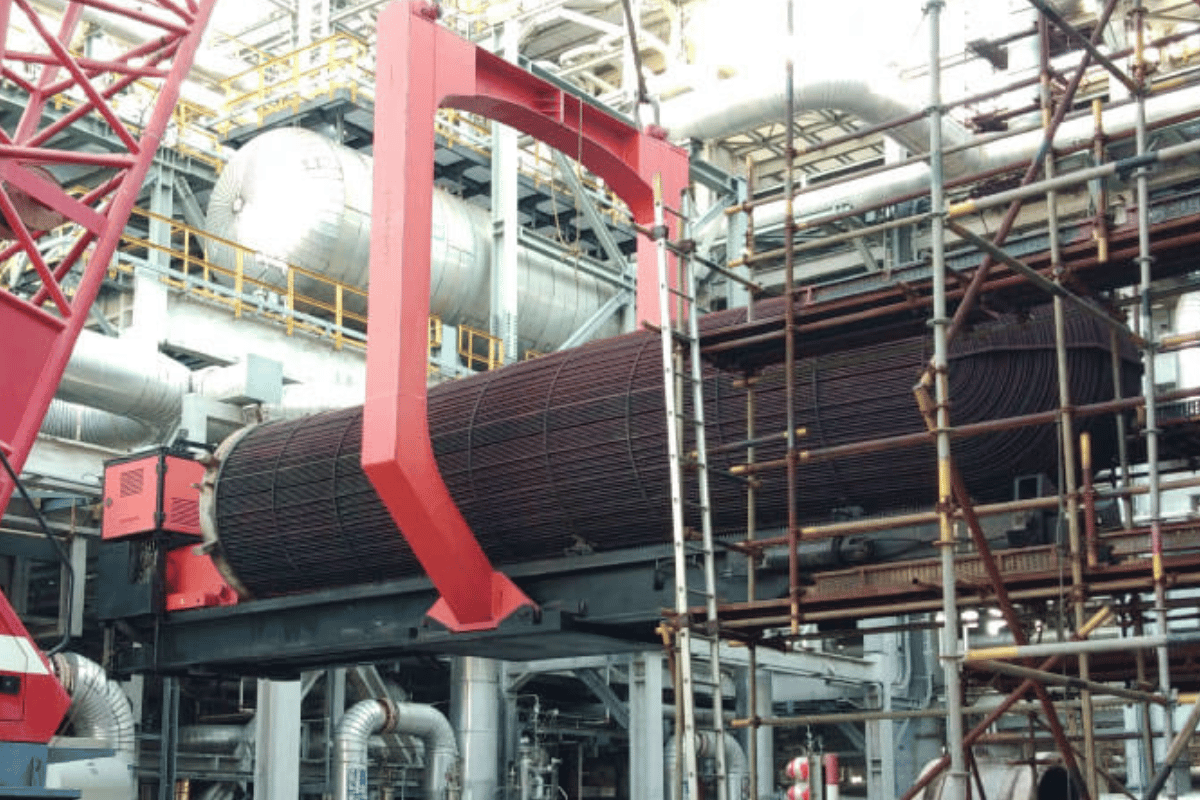
Bundle pullers are specialized mechanical systems which exist to handle the efficient removal process of tube bundles from industrial heat exchanger systems. The equipment enables maintenance operations through its safe bundle extraction method which allows personnel to avoid manual work while it reduces the time needed to repair equipment. Modern bundle pullers come with advanced safety features which include remote control handling systems and spark arrestors for fire protection and load sensors which track and control heavy weight operations. The safety features of bundle pullers combined with their operational elements improve worker protection while their maintenance capabilities enhance industrial work efficiency.
What is a Bundle Puller?
The bundle puller serves as a specialized industrial machine which performs extraction operations for tube bundles from heat exchangers and condensers and large industrial machinery used in petrochemical and power generation and oil and gas operations. The devices form engineered systems which enable operators to lift heavy loads while maintaining safe operations and the equipment operates without interruptions during maintenance activities. The bundle pullers use hydraulic or pneumatic systems to create the necessary mechanical power which enables them to remove tube bundles that have become tightly sealed or severely corroded. The bundle pullers which include remote control operation and load balancing sensors and spark arrestors functions as an essential tool which enables industrial systems to operate together with protection for employee safety.
Importance in Various Industries
The bundle pullers function as essential equipment in multiple industrial fields that require heat exchangers and comparable machinery. Their system operates through fast tube bundle extraction with secure tube bundle reinstallation which results in decreased operational interruptions while safeguarding expensive equipment and boosting workplace security. The following are five key industries where bundle pullers are indispensable:
Oil and Gas Industry
Bundle pullers maintain heat exchangers and condensers during maintenance work at refineries and petrochemical plants. Equipment requires frequent maintenance because its operational environment maintains highly corrosive conditions and operates at extremely high temperatures. The use of bundle pullers significantly reduces maintenance time and enhances worker safety during the extraction of large and heavy tube bundles.
Power Generation
Thermal power plants use heat exchangers for their essential cooling functions. The bundle pullers complete maintenance work because they deliver fast and precise results which helps to minimize power interruptions. The power generation industry needs precise instruments together with load-handling systems to manage oversized items while working under strict time constraints.
Chemical Industry
The chemical processing industry uses heat exchangers to control temperature-sensitive reactions. Operators use bundle pullers to maintain these systems because they need to keep their workplace clean. The remote control system of their equipment enables operators to maintain exact control over their operations which helps them achieve industry-wide safety standards and regulatory requirements.
Pharmaceutical Industry
Pharmaceutical facilities rely on heat exchangers to provide essential cooling which maintains both cleanliness standards and precise temperature control throughout the manufacturing process. Bundle pullers are used during routine maintenance to remove tube bundles without risking contamination. Their use ensures compliance with Good Manufacturing Practices (GMP) and minimizes product loss.
Food and Beverage Industry
Food processing equipment requires heat exchanger maintenance to meet strict hygiene standards. Bundle pullers operate with non-sparking tools and load balancing features which help them to maintain their work performance while following safety regulations. This process enables the company to produce top-notch goods without any production halts.
Bundle pullers provide maintenance advantages to various industries because their operation decreases expenses while extending machine durability and ensuring compliance with safety procedures and quality standards needed in specific sectors.
Overview of Safety Features
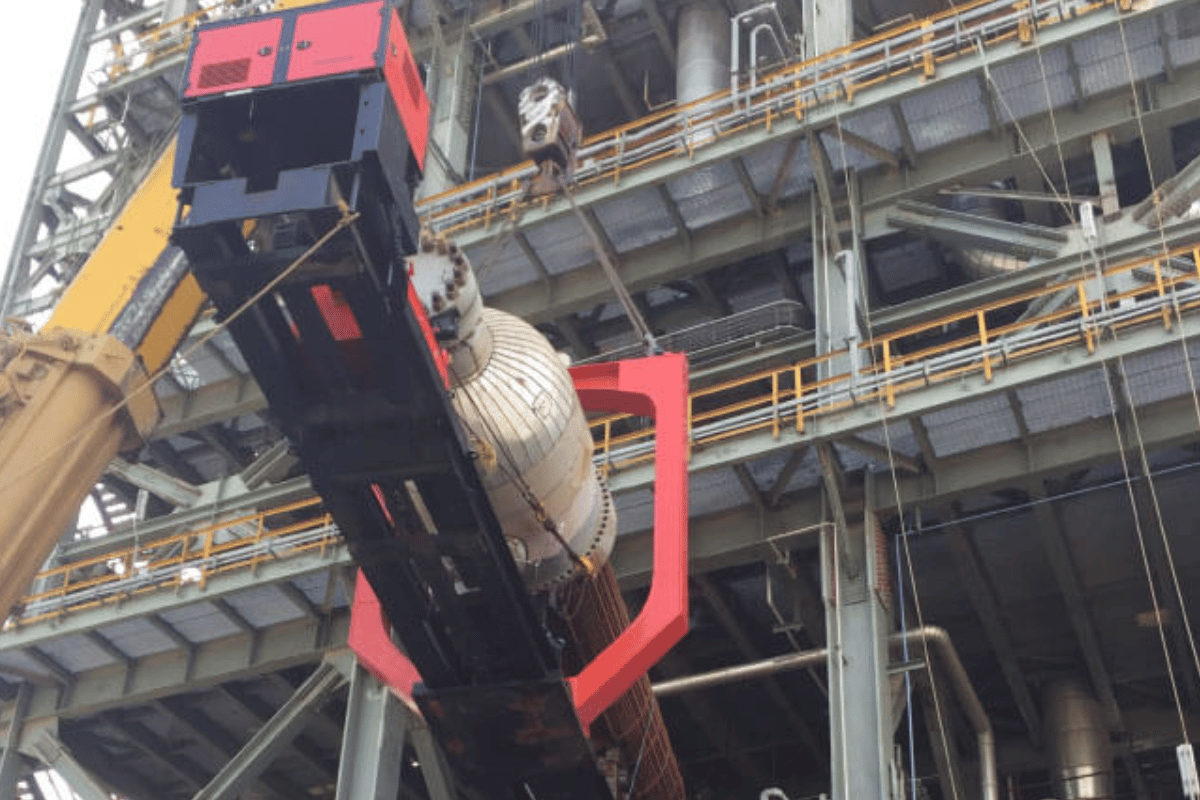
Bundle pullers incorporate multiple safety features which enable their safe operation across various industrial work environments. The system utilizes non-sparking materials which decrease ignition risks within flammable environments whereas load-balancing mechanisms protect users from overexertion and equipment instability and ergonomic designs enable operators to work without feeling excessive pressure. The majority of bundle pullers come with fail-safe systems which include automatic locking devices that secure loads while the equipment operates. The tools meet strict safety standards through their compliance with OSHA and ATEX regulations which protect workers and maintain process integrity.
Key Safety Features of Bundle Pullers
Remote Control Operations
The employment of modern technology in remote control operations of bundle pullers achieves better industrial work performance and safer workplace conditions across various industrial environments. The systems come with wireless interfaces which enable operators to control puller operations while they track operational data in actual time and perform remote system modifications. The use of remote controls decreases the need for workers to perform physical tasks which helps to create a safer work environment while boosting productivity. Most models operate with fail-safe security systems that use encrypted signals to prevent unauthorized access and operational disruptions throughout their entire operational period. Bundle pullers use advanced remote control technology to deliver high accuracy and flexible operation which makes them vital equipment for work processes that need complete automation.
Integrated Spark Arrestors
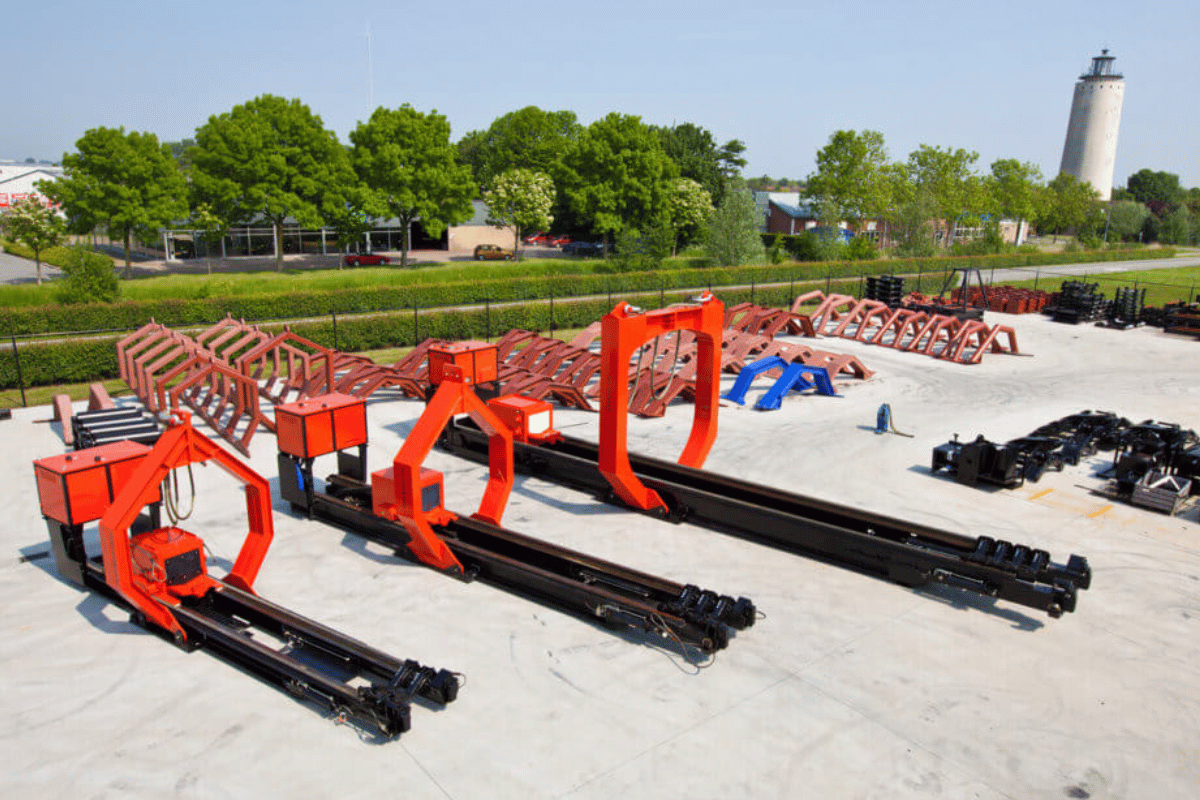
Integrated spark arrestors function as equipment safety devices which prohibit hot particles and flames from escaping through their built-in systems. The components of these systems operate as essential safety equipment for industrial applications used in forestry and construction and mining activities because they prevent sparks from escaping through exhaust systems. The use of spark arrestors in equipment lets operators meet safety standards while protecting workers and their environment from fire disasters.
Precision Load Sensors
Precision load sensors function as precise instruments which measure force and weight and strain across multiple fields of use. The sensors achieve their measurement accuracy through three different technologies which include strain gauge technology and piezoelectric effect and capacitive sensing. The aerospace and manufacturing and civil engineering fields depend on precision load sensors to perform functions which include quality control and structural testing and safety monitoring.
The advanced calibration and compensation techniques which precision load sensors use enable them to operate with high accuracy. The system achieves measurement reliability through the combination of high-quality materials and precise electronic components which together reduce thermal drift and mechanical interference and hysteresis effects. Modern load sensors now include digital signal processing (DSP) capabilities which have become a standard feature. The systems use DSP technology to eliminate noise while improving signal quality, which enables accurate data acquisition in difficult operational conditions. The combination of advanced materials with cutting-edge electronics technology enables systems to deliver consistent and reliable performance, which meets the rigorous standards of engineering and industrial applications.
Technical Advantages of Safety Components
Safety components deliver essential benefits which boost system reliability and protect users. The system uses these components to identify hazards which they then mitigate through their active response processes during both standard and emergency situations. Key benefits include:
Enhanced System Reliability
Safety components are engineered to function consistently under extreme conditions, ensuring uninterrupted performance.
Risk Mitigation
The system minimizes accident risks and operational downtime through its capacity to monitor system status and identify faults.
Compliance with Standards
Safety components achieve compliance with international safety standards, which helps businesses streamline their machine and system certification process.
User Protection
Overload safeguards combined with emergency stop buttons and fail-safe systems protect workers who operate machinery.
These advantages make safety components indispensable in maintaining secure and efficient systems across industries.
Benefits of Remote Control in Bundle Handling
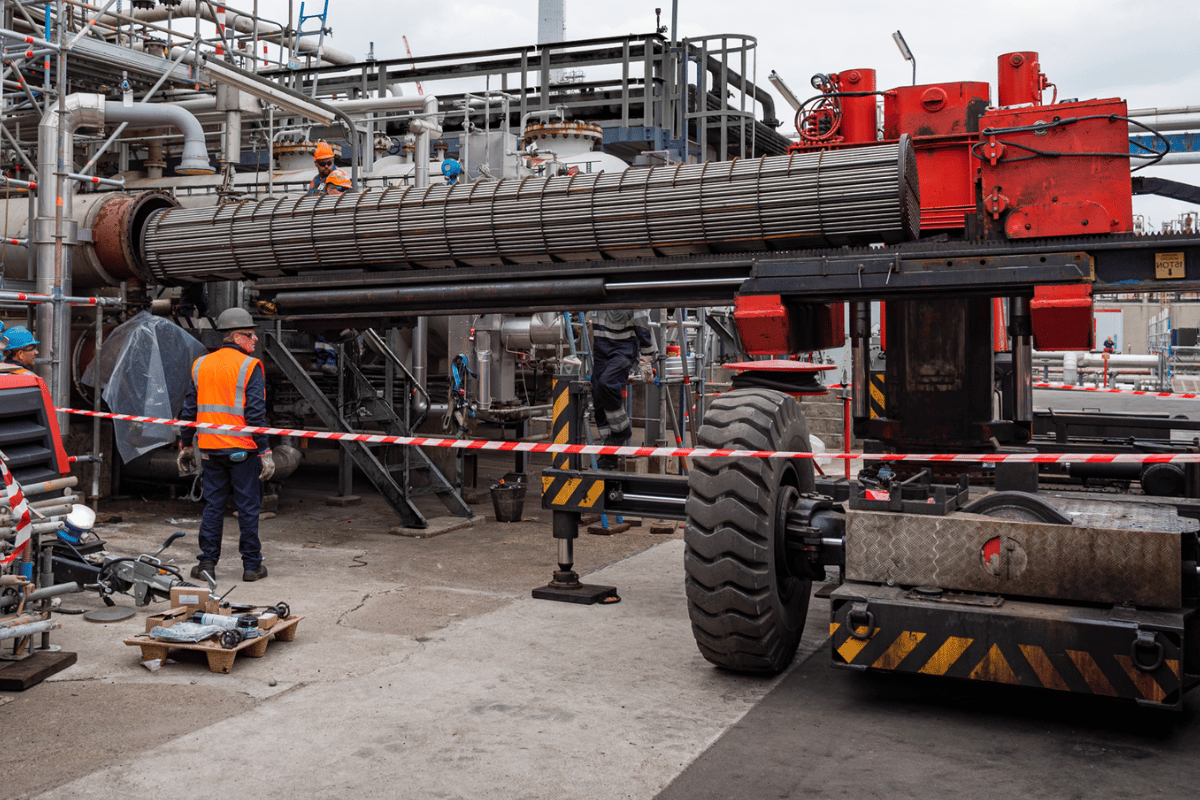
Remote control systems for bundle handling operations deliver multiple benefits which enhance operational efficiency and safety performance and operational flexibility. The system implementation has improved operational efficiency for companies which depend on bundle handling processes. The five primary advantages of this approach are:
- 1
Improved Operational Efficiency
Remote control systems eliminate the need for manual input directly at handling points, which results in operational cycle time reductions that reach 20% for specific applications. The system allows for quicker processing while maintaining uninterrupted operational activities.
- 2
Enhanced Safety
Remote systems enable operators to handle equipment from locations that keep them safe, which helps to protect operators from dangerous work settings that contain hot areas and moving equipment.
- 3
Precision and Accuracy
The advanced control interfaces of remote systems allow for precise control of bundle handling operations, which includes accurate bundle positioning. The system prevents errors during stacking and transferring, which leads to reduced material waste and damage.
Greater Flexibility
The system allows operators to work on various tasks from a distance without needing to enter the area that belongs to the machine. The system enables users to assign resources effectively while adapting to different logistic conditions.
Reduced Workforce Fatigue
The remote control system decreases operator physical demands because it eliminates the need for manual work, which results in fewer fatigue-related performance drops and work-related injuries that happen during extended shifts.
These benefits show why industries that require complex bundle handling systems increasingly adopt remote control systems.
Role of Spark Arrestors in Safety Standards
Spark arrestors protect locations from fire risks which occur when machines or equipment produce sparks during their operational functions. The system functions to collect sparks which it then extinguishes before they reach any combustible substances, thereby decreasing potential fire hazards. Safety regulations require spark arrestors in various industries, including forestry and construction and transportation, which operate at dangerous locations. The industrial fire prevention systems need spark arrestors because they protect both workers and nearby environments from safety standards, making them vital for system function.
How Load Sensors Enhance Overload Protection
Load sensors, which engineers call load cells, function as essential elements in overload protection systems because they deliver accurate measurements of force loads which they monitor throughout the entire period of their operation. The devices use either strain gauge technology or piezoelectric principles to transform mechanical force into electrical signals which operators use to detect overload conditions. When operators implement load sensors into machinery and structural systems, they gain the ability to set precise weight thresholds which will trigger both warning systems and automatic shutdown mechanisms once the system detects an overload.
The existing data demonstrates that recent sensor technology advancements which occurred during 2020 have resulted in better performance because sensors exhibit improved sensitivity and accuracy and longer-lasting durabilty. Modern load sensors now support wireless communication together with sophisticated data analysis features, which enable users to monitor their operations from remote locations in industrial settings. The system enables organizations to anticipate maintenance needs while they decrease the probability of system failures. Manufacturing and transportation and construction industries rely on load sensors which serve as critical tools that help organizations protect their equipment from operational hazards caused by structural failures and equipment deterioration and dangerous overload situations. The system delivers valuable information which makes them vital components of contemporary safety systems.
Applications of Bundle Pullers in Aerial Operations
Bundle pullers serve as essential equipment for aerial operations because they enable operators to handle cables and wire bundles while performing installation and maintenance work. Their primary applications involve three functions which include achieving exact cable alignment and stopping cable tangle and damage while enabling seamless infrastructure project deployment for power line and telecommunications and cable suspension work. The devices enhance operational efficiency together with safety standards because they reduce manual work requirements and their automatic tensioning system maintains necessary aerial system structural integrity. The operation of electrical systems in environments that need exact and dependable performance presents its most significant benefits through the use of bundle pullers.
Use in Heat Exchanger Tube Extraction
The extraction process of heat exchanger tubes needs exact execution to avoid any damage to components that are located nearby. The application needs bundle pullers because they enable operators to remove tube bundles from their casing in a safe and efficient manner. The devices operate through either hydraulic or electric power systems which generate continuous pulling force to maintain proper tube alignment while preventing tube deformation. The advanced models let operators control the extraction process according to operational needs through their remote controls and variable speed options.
The tools provide continuous mechanical power which results in reduced worker needs to perform tasks while simultaneously minimizing the risk of errors that workers might make. The heat exchangers function as essential components for both petrochemical and power generation industries because any harm to their systems results in costly operational interruptions. The modern automation features of real-time load tracking and intelligent feedback systems provide extraction operations with safe and efficient operations through their implementation. The bundle pullers provide critical support for industrial maintenance operations through their technological advancements.
Challenges in Aerial Bundle Extraction
The first challenge of aerial bundle extraction works against operators because they have to work inside high places which restrict their ability to move equipment and see their surroundings. The process of bundle access needs operators to align components correctly because they must handle items carefully to protect both the heat exchangers and their adjacent equipment. The bundles create a second challenge because their excessive weight and size requirements operators to maintain correct load distribution for safe operations and timely work performance. The extraction process requires effective coordination between teams while they follow established safety protocols to overcome operational difficulties and maintain work efficiency.
Impact on Downtime and Efficiency
The performance of bundle extraction operations needs to execute efficiently because its execution determines industrial equipment downtime and production efficiency which shows its importance to industrial operations. The connection between bundle extraction operations and performance metrics can be demonstrated through specific effects and associated data points:
The extracted data establishes a need for organizations to implement efficient bundle extraction operations which should operate through coordinated processes and use appropriate safety measures and operational standards.
Recap of Bundle Puller Safety Features
Bundle pullers function through multiple essential safety mechanisms which ensure safe operation together with protection of both machinery and human operators. The main system components of the system include the following features:
Load Monitoring Systems
The system enables users to monitor applied force in real time which helps to prevent equipment damage from excessive loads during the extraction process.
Automatic Locking Mechanisms
The system maintains load security through its automatic locking function which prevents any accidental movement during operational work.
Emergency Stop Controls
The system provides users with emergency shutdown options through its user-friendly controls which enable instant system shutdown during operational problems.
Stabilizing Support Features
The system has been built with vibration control technology which maintains stable equipment operation while decreasing stress levels on both the bundle and extraction system components.
The operational safety features are necessary to protect operational integrity while they reduce dangers which come from bundle extraction operations.
Future Trends in Bundle Handling Safety
The future will bring better automation and robotic systems which will transform the safety procedures used for handling bundles. The automated systems will achieve better accuracy through their advanced sensors and artificial intelligence capabilities while decreasing the need for human operators thus decreasing accident risks. The IoT-enabled monitoring system will deliver continuous equipment performance updates which will enable predictive maintenance to enhance safety standards. The new technologies will increase operational efficiency while establishing fresh safety requirements for bundle handling procedures.
Reference Sources
Self-Propelled Bundle Extractor - The system provides three safety controls which include remote control and emergency power-off switches and line break safety mechanisms.
Pull and Push Aerial Tube Bundle Puller - The system safeguards hazardous areas through the implementation of spark arrestors and hydraulic pump systems.
Aerial Bundle Extractor - PowerMaster - The system provides safe operation through its remote control system and hydraulic winch safety features.
Frequently Asked Questions
1. What Is the Primary Function of a Remote Control on a Bundle Puller?
The remote control system functions as an operational safety system which enables operators to conduct bundle work from a secure location. The procedure requires physical separation because workers must stay away from the danger zone which exists during heat exchanger bundle handling. Operators can operate remote equipment because it helps to decrease workplace hazards which occur when equipment breaks down or loads shift or parts move without warning. The system provides complete visibility of operations which allows operators to manage situations through immediate access to all operational areas without putting their safety at risk.
2. What Is a Spark Arrestor and Why Is It Essential for Bundle Pullers Used in Petrochemical Plants?
A spark arrestor serves as a safety device which blocks dangerous carbon sparks from escaping through the exhaust system of internal combustion engines that power the bundle puller's hydraulic system. The device functions to capture hot carbon particles which are known as sparks and to extinguish them before they can escape through the exhaust into the surrounding environment. Operational environments found in refineries and petrochemical plants contain flammable gases and vapors which exist at all times. The spark arrestor functions as an essential safety device which protects the engine from creating fire hazards when maintenance procedures take place in these hazardous areas.
3. How Do Load Sensors Enhance the Safety of Bundle Pulling Operations?
The bundle puller system includes load cells which continuously track the force measurements during extraction operations. The primary safety function of the system protects against structural overloads which could occur to both the bundle puller and the heat exchanger shell. A system uses sensors to stop work while sounding an alarm when pulling force exceeds the safety limit which indicates that the bundle has become blocked or frozen. The intervention prevents equipment failure which would destroy the equipment while the heat exchanger gets damaged and structural collapse would pose risk to workers.
4. What Are the Operational Benefits of Combining Remote Control with Load Sensing Technology?
Organizations achieve better operational results when they combine remote control systems with load sensing technology because it creates an entire operational framework which secures both safety and functional operations. The secure location remote operator receives real-time load sensor data which displays on the control unit display. The system enables operators to make exact hydraulic system adjustments and pulling speed changes. The operator can stop operations immediately when load sensor data shows force increases to investigate the problem which may include fouling or mechanical blockages. The system enables operators to control equipment without causing equipment damage while providing maximum safety protection.
5. Are There Different Types of Remote Controls for Bundle Pullers?
The answer to the question is yes because bundle pullers use two primary types of remote controls which include two major categories:
Wired Remote Control: The system connects to the main control panel through a heavy-duty multi-conductor cable which provides reliable operational connections that remain free from interference while eliminating the need for battery power.
Wireless Remote Control: The configuration uses radio frequency (RF) signals to enable communication between the operator and the bundle puller. The system enables operators to move better because it disables the safety danger which comes from using a permanent wiring system on busy work sites.
6. What Best Practices Should Be Followed When Using These Safety Features?
The following best practices need to be followed because they will help achieve the highest level of safety performance:
Pre-Operation Inspection:The remote control needs a complete damage assessment while the spark arrestor needs its soundness and cleanliness check and the load sensors require recent calibration verification according to existing manufacturer standards.
Establish Exclusion Zones:The equipment danger zone requires explicit boundaries which must be maintained to safeguard everyone who works near the equipment even when remote control operations are in progress.
Operator Training and Certification:Only personnel who have completed certified training are allowed to operate the equipment which requires proper certification. The training must include load sensor data interpretation and emergency shutdown procedure training.
Function Testing:The testing process needs to check both control systems and safety systems which include emergency stop functions on the remote control before starting the pull to ensure all systems work properly.
Conclusion
Bundle pullers equipped with remote control systems, integrated spark arrestors, and precision load sensors represent the pinnacle of industrial safety technology. These advanced safety features work synergistically to protect operators, minimize downtime, and ensure compliance with rigorous safety standards across multiple industries. As technology continues to advance, the integration of automation, artificial intelligence, and IoT capabilities will further enhance the safety and efficiency of bundle handling operations, establishing new benchmarks for industrial maintenance excellence.